
 English
 русский
 Español
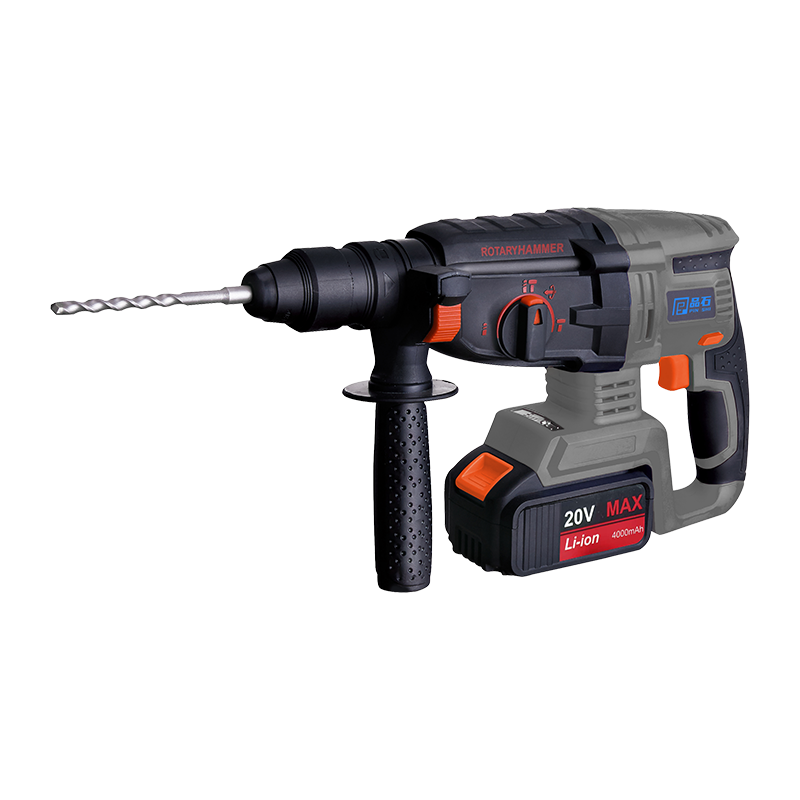
Voltage 20V(DC) Battery capacity 3.0Ah/4.0Ah Motor type Brushless motor Modes 3 Impact energy 3.0J No-loading speed 0-1000rpm Impact rate 0-4500bpm Chuck...
See Details-
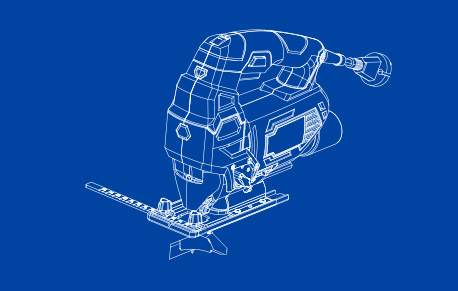
Electric Woodworking Saw
-
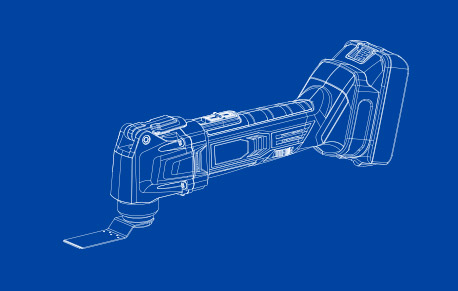
Multifunctional oscillating Saw
-
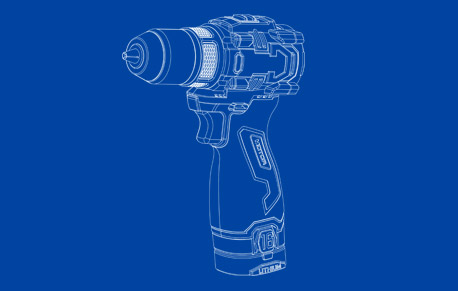
Power Drill
-
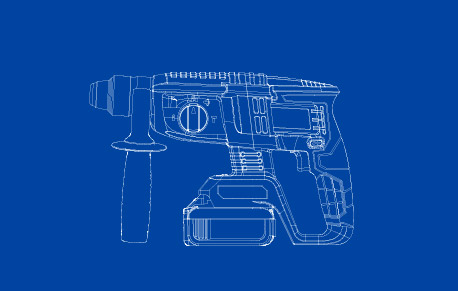
Rotary Hammer Drill
-
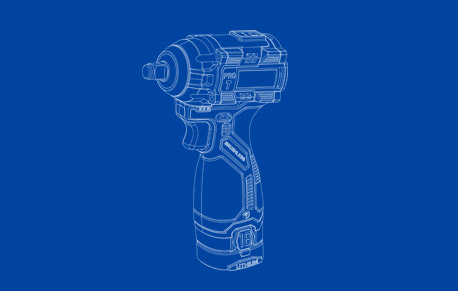
Impact Wrench
-
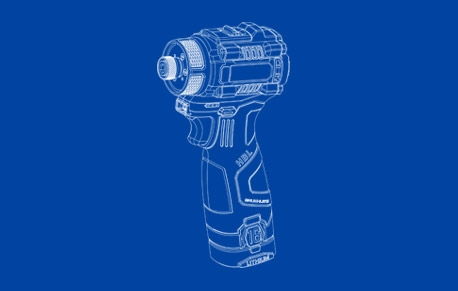
Electric Screwdriver
-
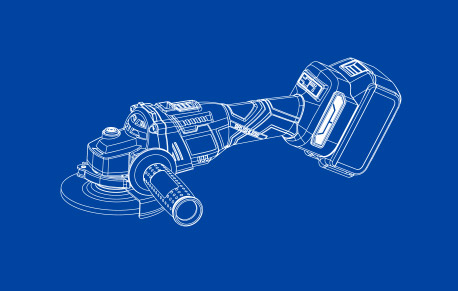
Angle Grinder
-
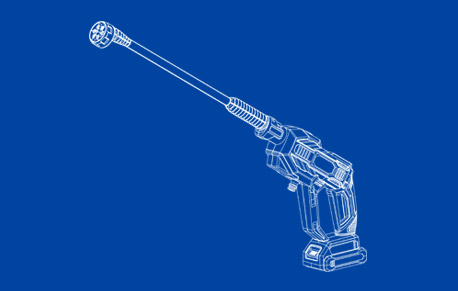
Handheld Pressure Washer
-
Handheld Lawn Mower
-
Lithium Turbo Jet Blower

-
Electric Pruning Shears
-
Lithium ChainSaw
-
Handheld Tiller Cultivator
-
Plant Watering Devices
-
Air Pump

Author: Admin Date: 2026-07-08
How does the hammering action in a Rotary Hammer Drill work, and what role does it play in improving drilling efficiency?
-
Rotary Motion Mechanism — The Rotary Hammer Drill operates with a primary rotary motion generated by an electric motor that transfers mechanical energy through a gear transmission system to rotate the drill bit at controlled speeds. This rotational movement allows the cutting edges of the drill bit to engage directly with the work surface, removing material through a combination of shearing, grinding, and abrasion. The rotation ensures continuous contact between the bit and the material, which supports stable hole formation and consistent cutting performance. The rotary action plays a critical role in clearing debris from the drilled hole by moving fragmented particles outward along the flutes of the drill bit, preventing blockage and reducing heat buildup. Properly controlled rotational speed also contributes to improved drilling accuracy, minimizes bit wandering, and maintains the structural integrity of both the tool and the workpiece. In demanding applications such as drilling into reinforced concrete or dense masonry, the rotary mechanism ensures steady progress and supports the effectiveness of the hammering system by maintaining consistent contact between the bit and the surface.
-
Pneumatic Hammering System — The pneumatic hammering system is the defining technological feature that distinguishes a Rotary Hammer Drill from conventional drilling tools. This mechanism operates using a piston-driven air compression system that generates powerful impact energy. Inside the tool, a motor-driven crankshaft moves a drive piston back and forth within a sealed cylinder, compressing air that propels a secondary flying piston. This flying piston strikes an impact bolt connected to the drill bit, delivering high-energy blows along the axis of drilling. Unlike mechanical hammer systems that rely on direct gear contact, the pneumatic design allows for more efficient energy transfer and produces stronger impacts with less vibration transmitted to the user. The independent operation of the hammering mechanism ensures that impact force remains consistent regardless of applied pressure. This system enables the tool to break apart highly resistant materials quickly, reduces mechanical strain on internal components, and improves overall operational durability. The pneumatic hammering mechanism therefore provides superior performance in heavy-duty construction environments where high impact energy and reliability are essential.
-
Simultaneous Rotation and Percussion — One of the most significant advantages of a Rotary Hammer Drill is its ability to perform rotational cutting and hammering actions simultaneously. This integrated operation creates a highly efficient drilling process in which each motion complements the other. The hammering action generates repeated axial impacts that fracture and weaken the material, while the rotary motion removes loosened fragments and advances the drill bit further into the surface. This synchronized functionality ensures continuous material breakdown and removal without interruption, reducing resistance encountered by the drill bit. The combination also prevents excessive friction and heat buildup, which can negatively affect tool performance and component longevity. By maintaining consistent penetration and minimizing energy loss, simultaneous rotation and percussion improve drilling precision, enhance speed, and reduce the likelihood of tool jamming. This coordinated mechanism is particularly valuable in professional applications requiring deep or repetitive drilling in hard materials, where maintaining consistent efficiency and reliability is critical to project success.
-
Material Fracturing and Micro-Cracking Effect — The hammering action of a Rotary Hammer Drill produces high-frequency impacts that generate localized stress within the material being drilled. These impacts create microscopic fractures, or micro-cracks, that weaken the internal structure of dense materials such as concrete, stone, or brick. As the structural integrity of the material decreases, the rotating drill bit can remove fragmented particles more easily with minimal cutting resistance. This process significantly improves drilling efficiency by reducing the force required to penetrate hard surfaces. The micro-cracking effect also helps distribute stress evenly around the drilling area, minimizing the risk of large-scale surface damage or uncontrolled cracking. Furthermore, by weakening the material progressively rather than relying solely on mechanical cutting, the tool reduces strain on the motor and internal components, which contributes to longer service life and consistent performance. This controlled fracturing process is particularly important in structural applications where precision and material integrity must be carefully maintained.
-
Enhanced Penetration Capability — The hammering mechanism in a Rotary Hammer Drill provides concentrated impact energy that enables the tool to penetrate extremely dense and high-strength materials efficiently. Each impact delivers a powerful force directly to the drilling surface, breaking down compact material structures and allowing the drill bit to advance with minimal resistance. This capability significantly improves the tool’s effectiveness in applications involving reinforced concrete, structural stone, or heavy masonry, where conventional drilling methods would struggle to achieve sufficient penetration. The high-impact energy also allows the tool to maintain consistent performance even under demanding conditions, such as deep-hole drilling or continuous operation. Enhanced penetration capability reduces the time required to complete drilling tasks and ensures reliable results in professional construction environments. The ability to penetrate hard materials efficiently reduces wear on cutting edges and minimizes the likelihood of overheating, further supporting the tool’s durability and operational stability.

-
Feedback
Related Products
-
-
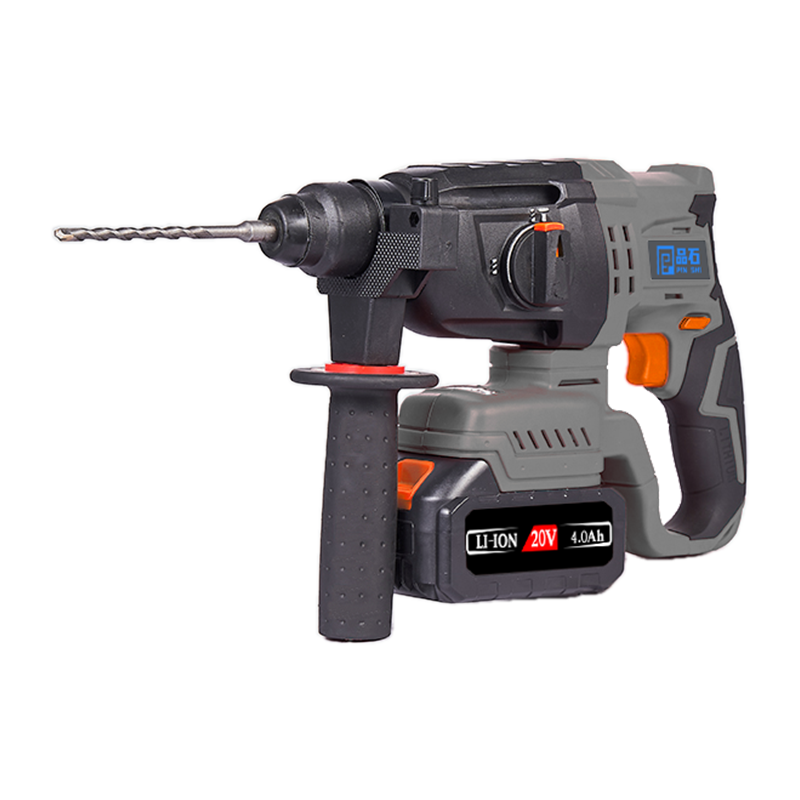
Voltage 20V (DC) Battery capacity 3.0Ah/4.0Ah Motor type Brushless motor Modes 2 Impact energy 1.7J No-loading speed 0-1000rpm Impact rate 0-4500bpm Chuck...
See Details -
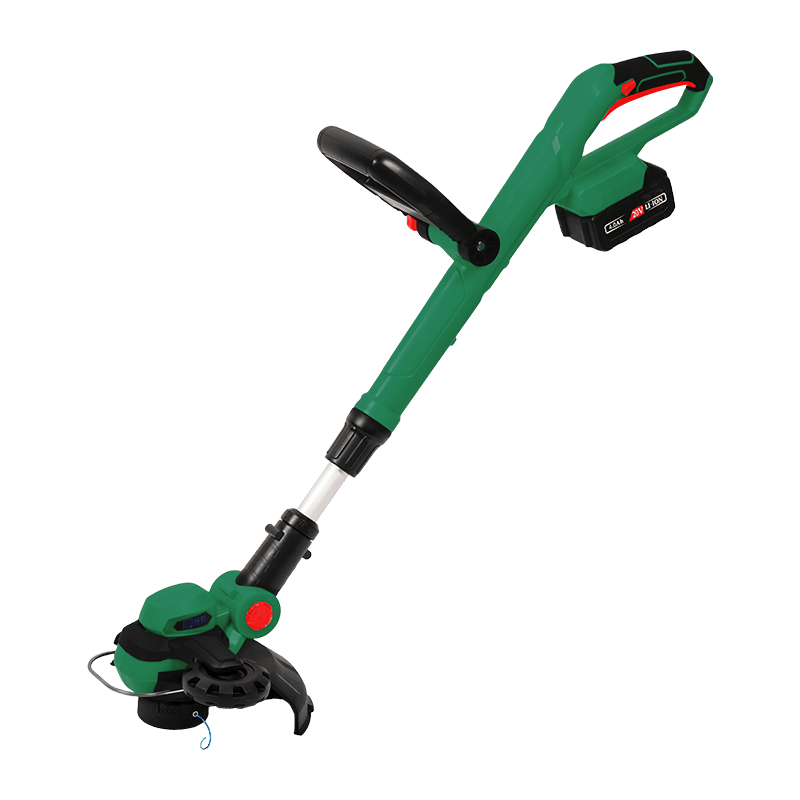
Voltage 20V (DC) Battery capacity 2.0Ah/3.0Ah/4.0Ah Motor type Brush motor No-loading speed 8000rpm Cutting width 250mm Blade type Nylon line Line diameter 1....
See Details -
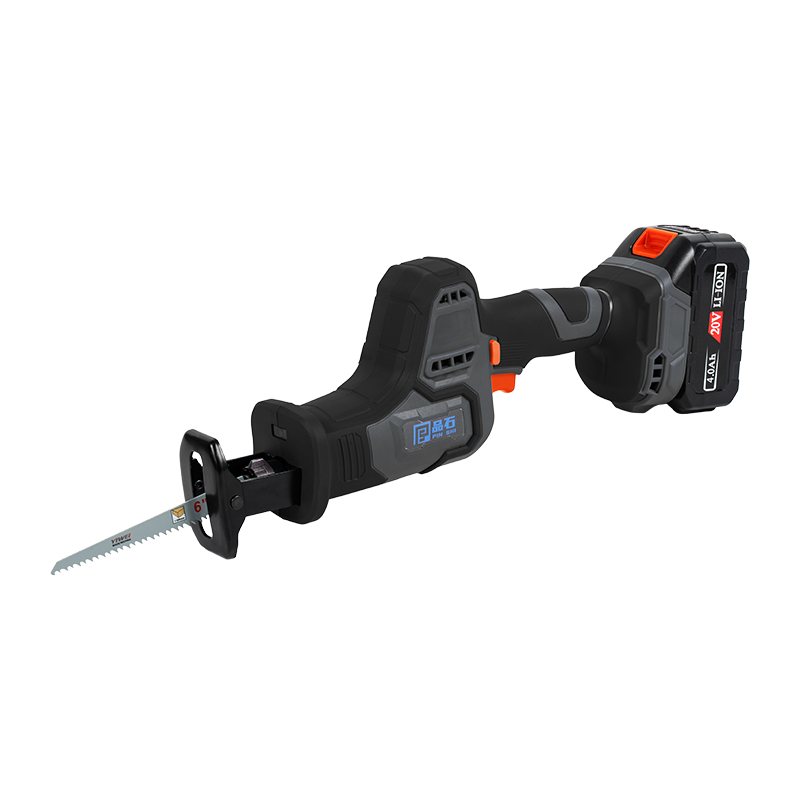
Voltage 20V (DC) Battery capacity 2.0Ah/3.0Ah Motor type Brushless motor No-loading strokes per minute 0-2600spm Reciprocating stroke 22mm Max cutting capacity ...
See Details -
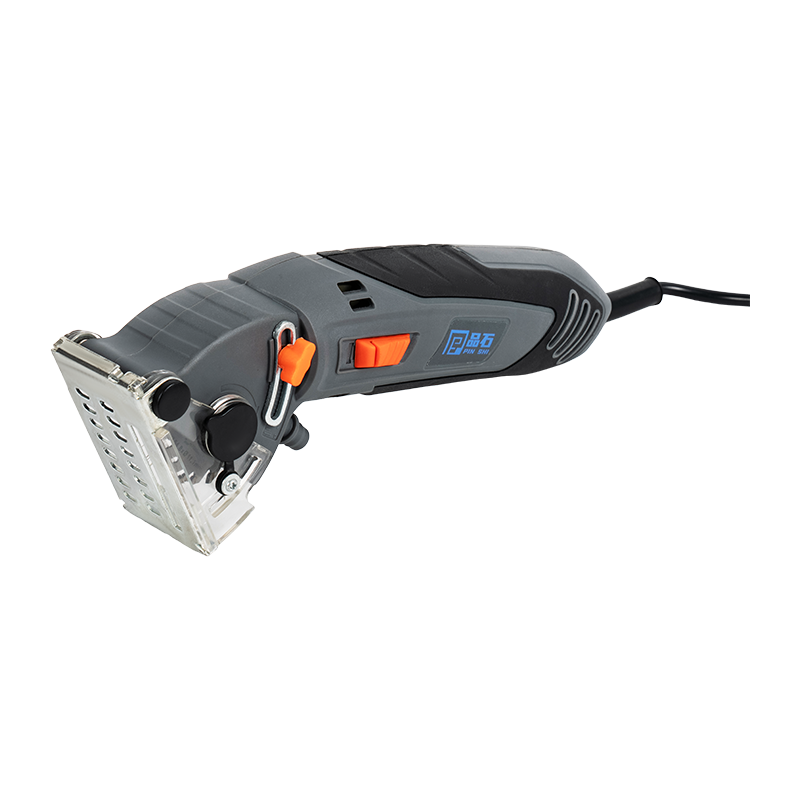
Input voltage(V) 230V/120V Mains frequency (Hz) 50Hz/60Hz Input power(W) 400W No-loading speed 3700rpm Cutting depth 0-12mm Blade diameter 54.8 mm Blade m...
See Details -
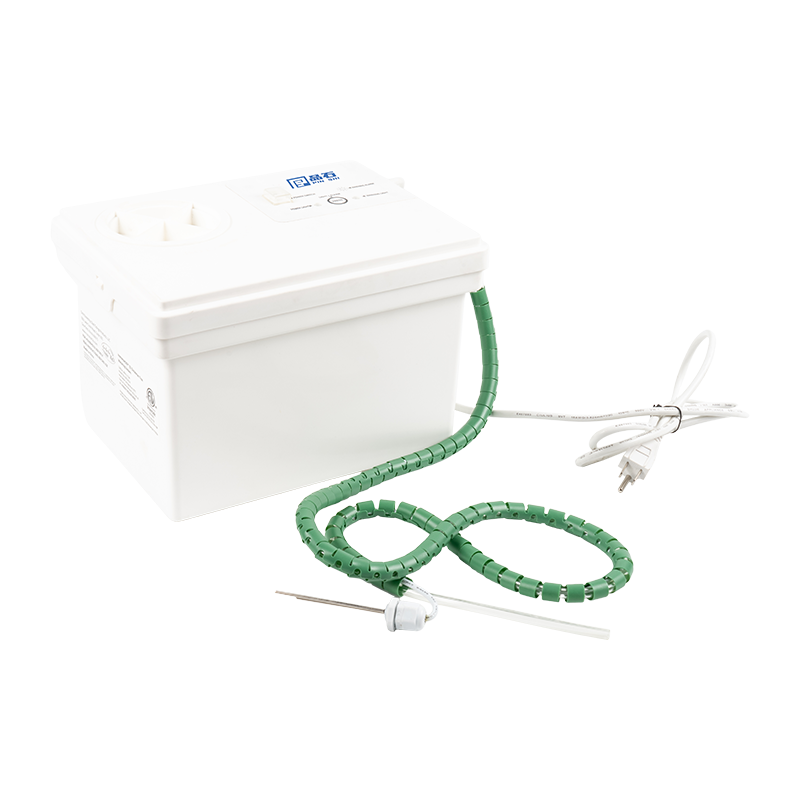
Voltage AC 110-120V 220-240V 60Hz/50Hz Power 4.5W Water Tank Capacity 2.5 gallons Pump Flow Rate 1.5GPM(high speed) Pump Head ≧36.6 inches(0.93cm) Weight 1.7...
See Details
Related News
-
In the rapidly evolving landscape of construction, automotive repair, and industrial assembly, one tool has consistently stood out as the backbone of ...
READ MORE -
What Exactly Is an Electric Screwdriver Today? The shifting meaning of "electric screwdriver" in modern tool ecosystems The term "electric screwdriver...
READ MORE -
Impact Wrench: Definition and Core Working Principle The Impact Wrench, often referred to in industrial circles as an air gun, air wrench, or electric...
READ MORE
-
LINK
-
product
-
Quick Contact
-
 Building 1, Floor 1, Industrial Zone, Zhongyi Village, Guolin Town, Haishu District, Ningbo City, Zhejiang Province, China
 -
 +86-13906619096
 -
 Michael@chinashimu.com
-
KEEP IN TOUCH
Copyright© Ningbo Pinshi Electromechanical Co., LTD.
