
 English
 русский
 Español
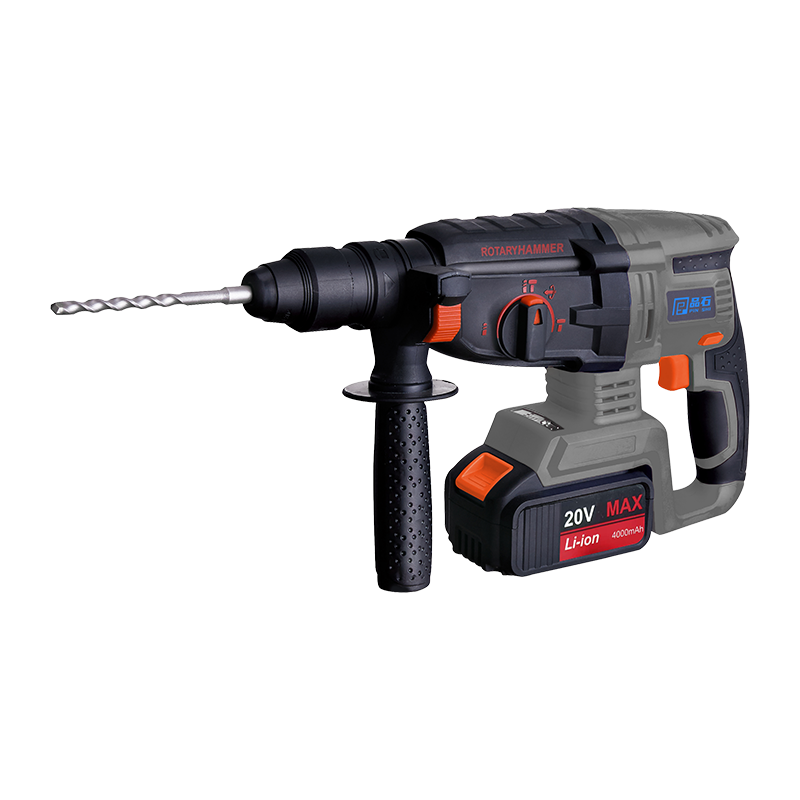
Voltage 20V(DC) Battery capacity 3.0Ah/4.0Ah Motor type Brushless motor Modes 3 Impact energy 3.0J No-loading speed 0-1000rpm Impact rate 0-4500bpm Chuck...
See Details-
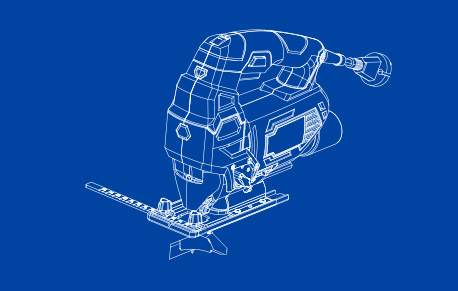
Electric Woodworking Saw
-
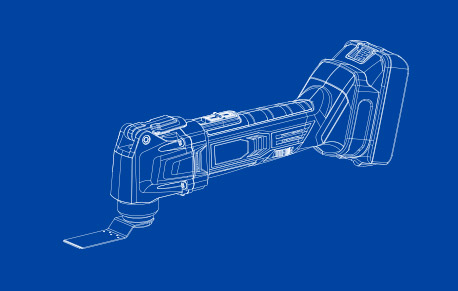
Multifunctional oscillating Saw
-
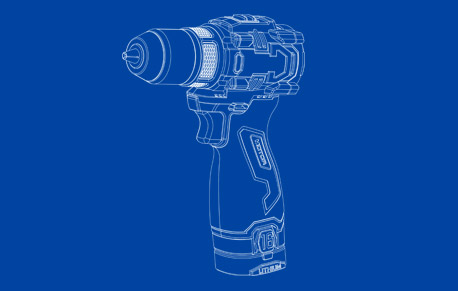
Power Drill
-
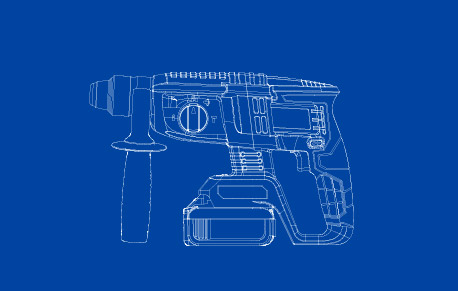
Rotary Hammer Drill
-
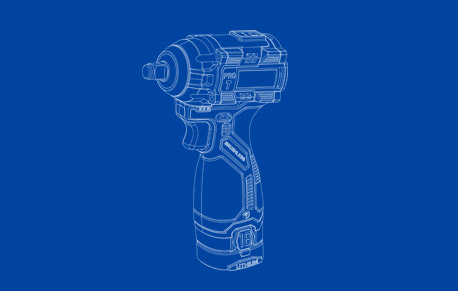
Impact Wrench
-
Electric Screwdriver
-
Angle Grinder

-
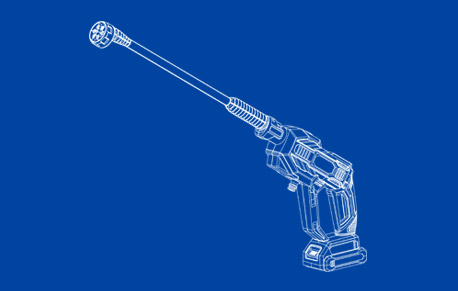
Handheld Pressure Washer
-
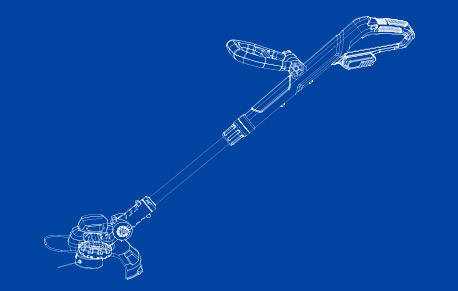
Handheld Lawn Mower
-
Lithium Turbo Jet Blower

-
Electric Pruning Shears
-
Lithium ChainSaw
-
Handheld Tiller Cultivator
-
Plant Watering Devices
-
Air Pump

Author: Admin Date: 2026-03-03
What role does variable speed control play in improving the versatility of a Rotary Hammer Drill across different drilling and demolition tasks?
Variable Speed Control Directly Expands the Versatility of a Rotary Hammer Drill
Variable speed control allows a Rotary Hammer Drill to adapt its rotation and impact rate to different materials and tasks, making it significantly more versatile for drilling, chiseling, and demolition work. By adjusting the motor speed, users can optimize performance for delicate drilling in brick, aggressive boring in reinforced concrete, or controlled chiseling during demolition. Without variable speed functionality, a Rotary Hammer Drill would operate at a fixed speed, which reduces precision, increases bit wear, and limits its usefulness across diverse construction scenarios.
For professional users such as contractors and construction technicians, variable speed control ensures both efficiency and accuracy. Modern Rotary Hammer Drill models typically offer adjustable speeds ranging from 0–900 RPM and up to 4,000 blows per minute (BPM), allowing users to match the tool's performance with the hardness and density of the material.
How Variable Speed Improves Precision During Drilling
Precision drilling requires careful control over the drill bit’s entry and movement within the material. A Rotary Hammer Drill with variable speed allows users to begin drilling at a lower RPM, preventing bit slipping and improving hole accuracy. Once the bit is properly seated, the speed can gradually increase to maximize drilling efficiency.
This feature is especially important when drilling into fragile or uneven surfaces such as tile, brick, or hollow masonry blocks. Controlled speed reduces cracking, minimizes material damage, and extends the lifespan of drill bits.
- Low speed improves bit positioning and prevents surface slipping.
- Medium speed maintains drilling stability in masonry.
- High speed maximizes penetration in dense concrete.
Enhancing Efficiency in Demolition and Chiseling Tasks
Variable speed control also improves the performance of a Rotary Hammer Drill when used for chiseling and light demolition. In these tasks, controlling the impact frequency is essential to prevent unnecessary damage to surrounding structures while still maintaining strong breaking force.
For example, removing ceramic tile adhesive may require moderate impact speed, while breaking a concrete edge may demand maximum power. Adjustable speed settings allow users to adapt quickly to these different requirements.
Recommended variable speed levels for common Rotary Hammer Drill tasksReducing Tool Wear and Increasing Bit Lifespan
Operating a Rotary Hammer Drill at the correct speed significantly reduces mechanical stress on both the motor and drill bits. When the tool runs at excessive speed for a given material, friction and heat increase rapidly, leading to premature wear.
Using variable speed control helps maintain optimal cutting conditions. Studies from construction equipment testing show that properly matched drill speeds can extend masonry bit lifespan by up to 30% compared with constant high-speed drilling.
- Lower speeds reduce friction and overheating.
- Controlled speed prevents bit binding in reinforced concrete.
- Balanced operation prolongs gearbox durability.
Improving User Control and Job-Site Safety
Variable speed control also enhances user safety. When a Rotary Hammer Drill operates at full power instantly, it can produce sudden torque that may cause loss of control or operator fatigue. Adjustable speed allows users to start slowly and gradually increase power, improving stability and reducing strain on the wrists and arms.
Modern Rotary Hammer Drill models often integrate variable speed triggers with electronic control systems. These systems allow users to adjust speed dynamically during operation, ensuring better control in challenging drilling positions such as overhead installations or confined spaces.
As a result, variable speed control not only increases versatility but also contributes to safer and more efficient drilling and demolition operations across construction, renovation, and infrastructure projects.

-
Feedback
Related Products
-
-
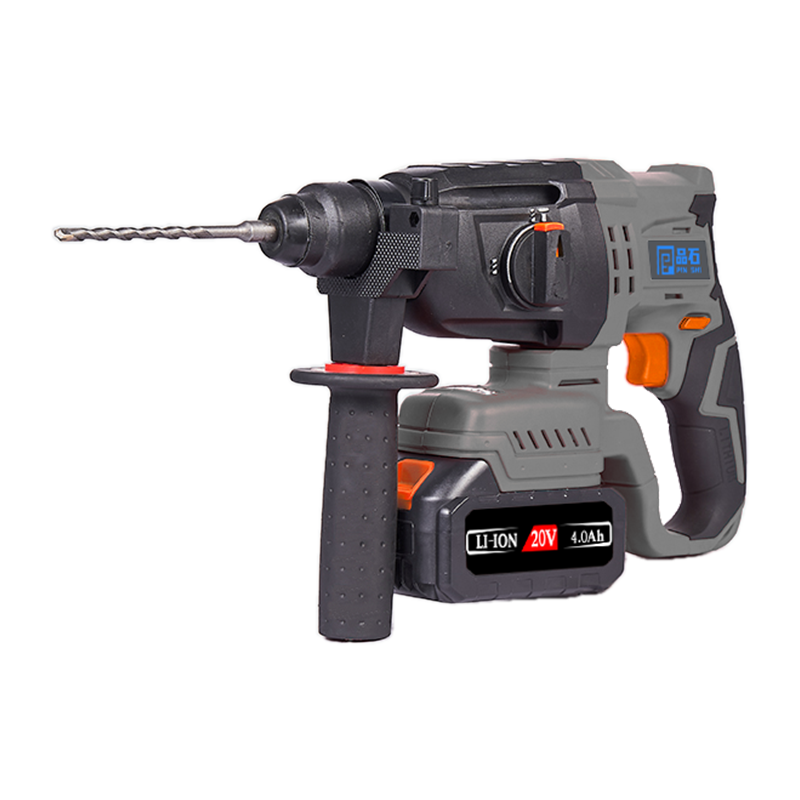
Voltage 20V (DC) Battery capacity 3.0Ah/4.0Ah Motor type Brushless motor Modes 2 Impact energy 1.7J No-loading speed 0-1000rpm Impact rate 0-4500bpm Chuck...
See Details -
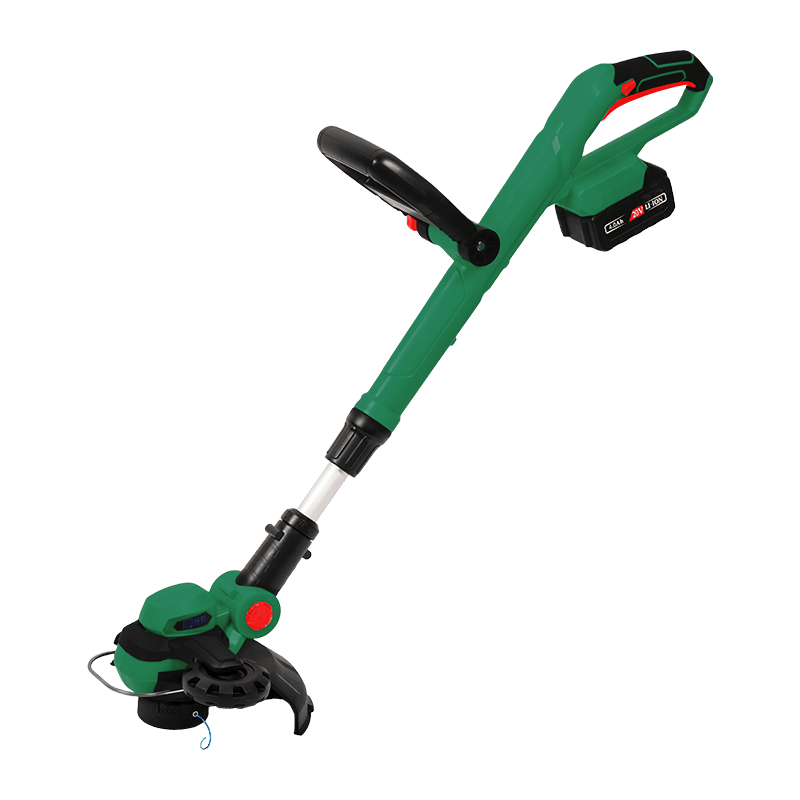
Voltage 20V (DC) Battery capacity 2.0Ah/3.0Ah/4.0Ah Motor type Brush motor No-loading speed 8000rpm Cutting width 250mm Blade type Nylon line Line diameter 1....
See Details -
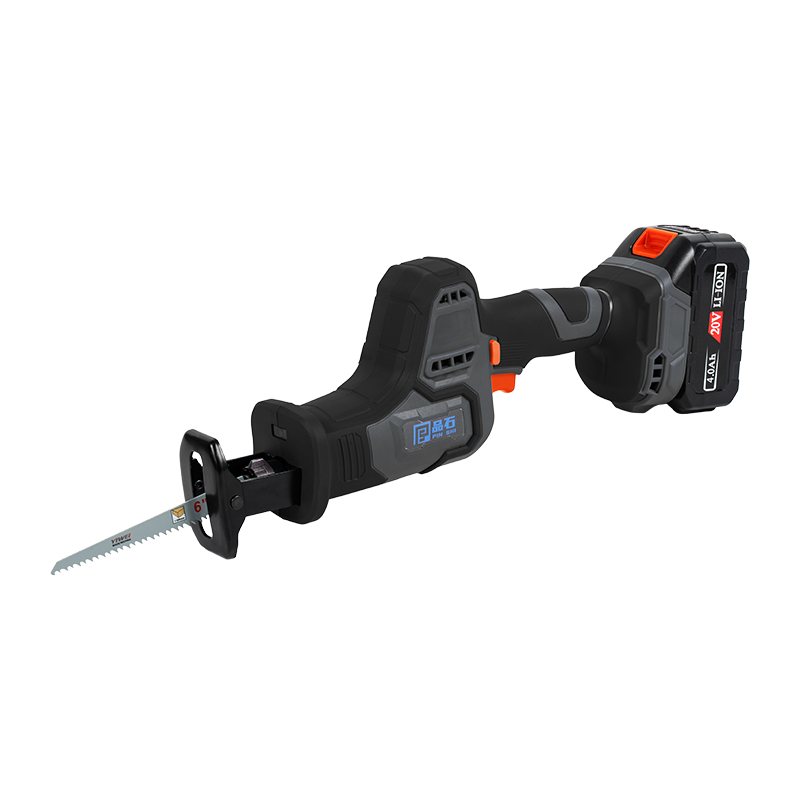
Voltage 20V (DC) Battery capacity 2.0Ah/3.0Ah Motor type Brushless motor No-loading strokes per minute 0-2600spm Reciprocating stroke 22mm Max cutting capacity ...
See Details -
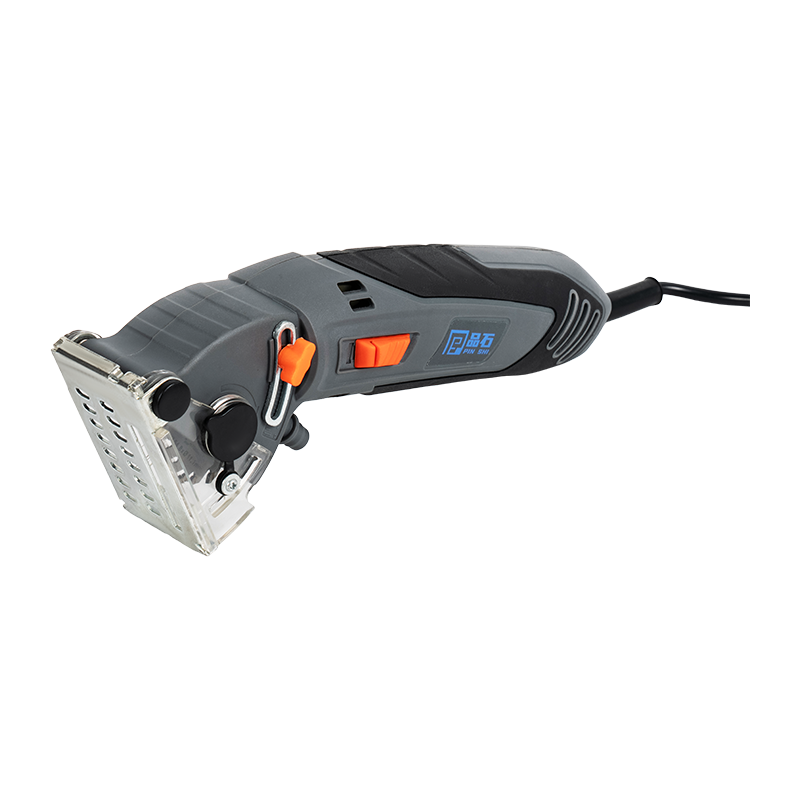
Input voltage(V) 230V/120V Mains frequency (Hz) 50Hz/60Hz Input power(W) 400W No-loading speed 3700rpm Cutting depth 0-12mm Blade diameter 54.8 mm Blade m...
See Details -
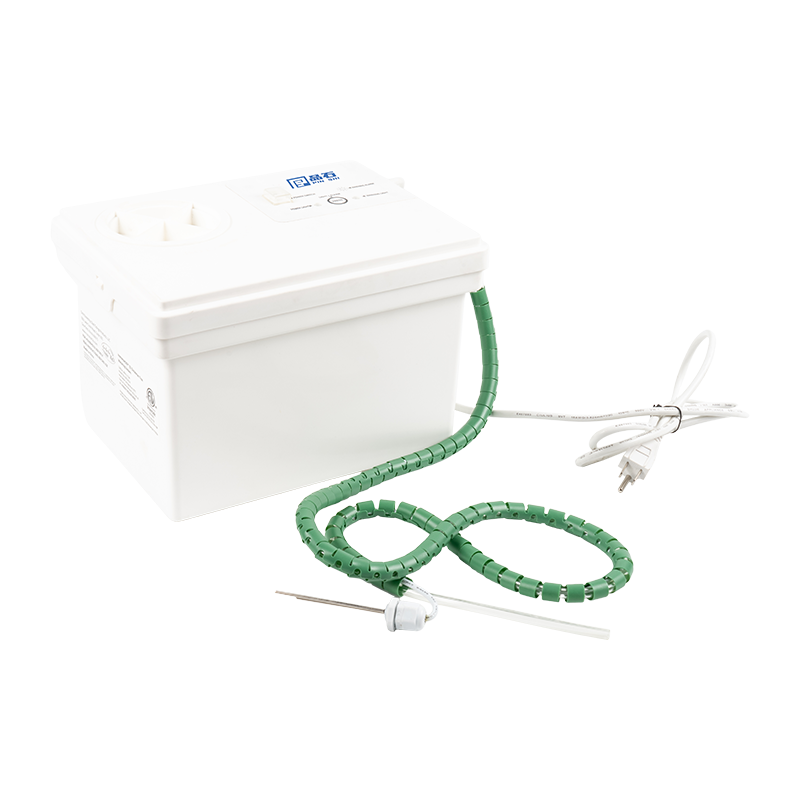
Voltage AC 110-120V 220-240V 60Hz/50Hz Power 4.5W Water Tank Capacity 2.5 gallons Pump Flow Rate 1.5GPM(high speed) Pump Head ≧36.6 inches(0.93cm) Weight 1.7...
See Details
Related News
-
In the rapidly evolving landscape of construction, automotive repair, and industrial assembly, one tool has consistently stood out as the backbone of ...
READ MORE -
What Exactly Is an Electric Screwdriver Today? The shifting meaning of "electric screwdriver" in modern tool ecosystems The term "electric screwdriver...
READ MORE -
Impact Wrench: Definition and Core Working Principle The Impact Wrench, often referred to in industrial circles as an air gun, air wrench, or electric...
READ MORE
-
LINK
-
product
-
Quick Contact
-
 Building 1, Floor 1, Industrial Zone, Zhongyi Village, Guolin Town, Haishu District, Ningbo City, Zhejiang Province, China
 -
 +86-13906619096
 -
 Michael@chinashimu.com
-
KEEP IN TOUCH
Copyright© Ningbo Pinshi Electromechanical Co., LTD.
