
 English
 русский
 Español
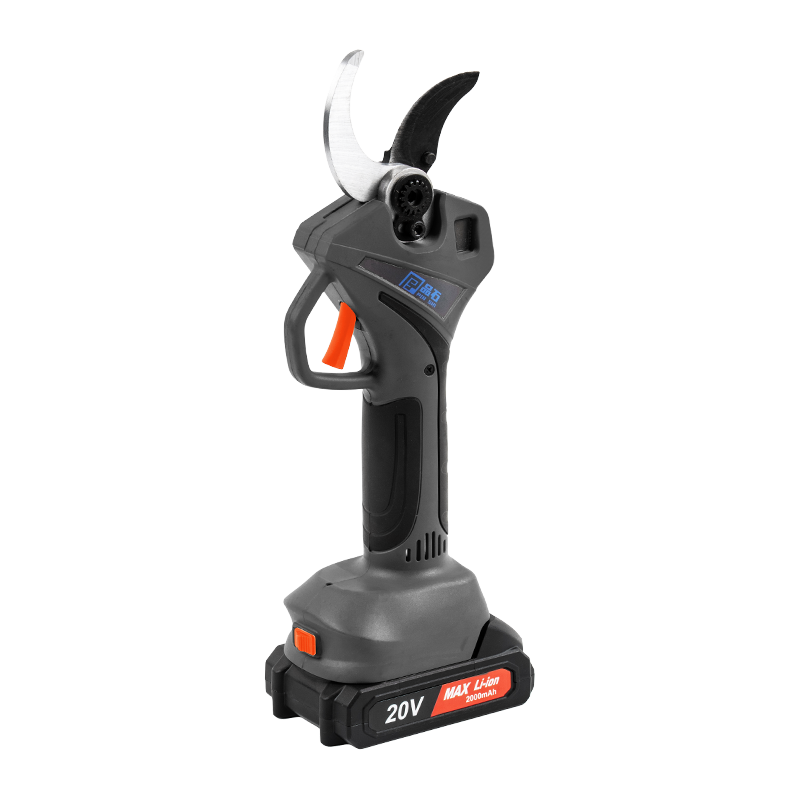
Voltage 20V (DC) Battery capacity 2.0Ah/3.0Ah/4.0Ah Motor type Brushless motor Shear diameter 40mm Charger 21V 0.5A/1.2A/2A Blade material SK5 Time of use 4-5...
See Details-
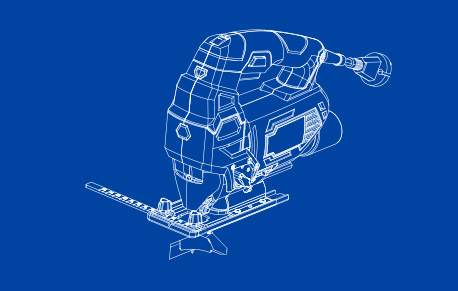
Electric Woodworking Saw
-
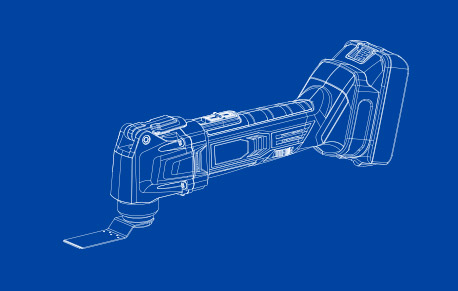
Multifunctional oscillating Saw
-
Power Drill
-
Rotary Hammer Drill
-
Impact Wrench
-
Electric Screwdriver
-
Angle Grinder
-
Handheld Pressure Washer
-
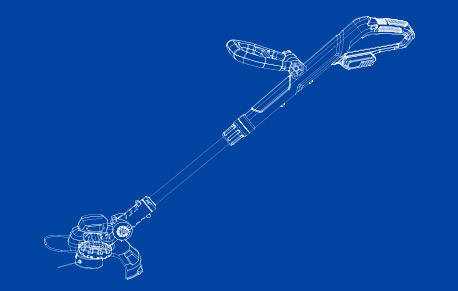
Handheld Lawn Mower
-
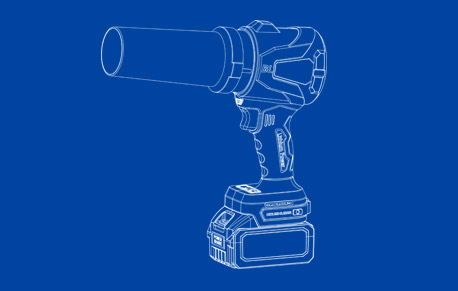
Lithium Turbo Jet Blower
-
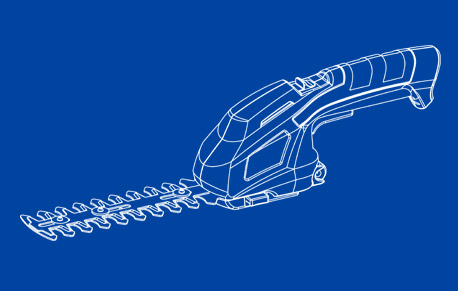
Electric Pruning Shears
-
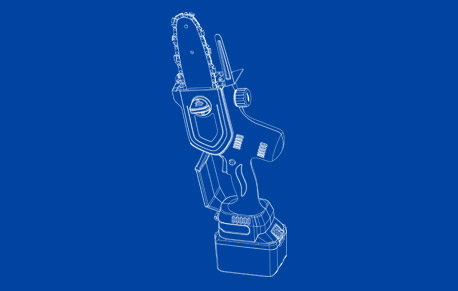
Lithium ChainSaw
-
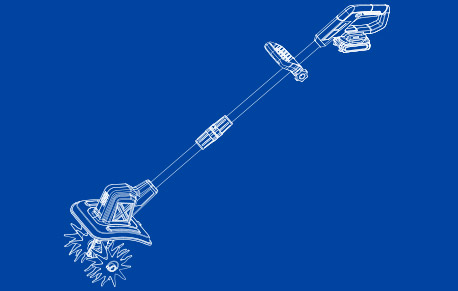
Handheld Tiller Cultivator
-
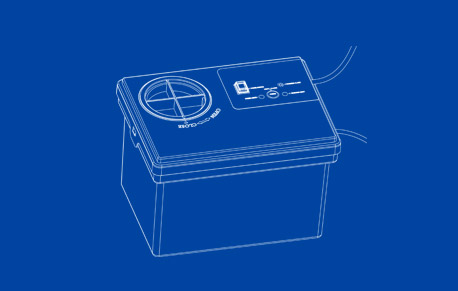
Plant Watering Devices
-
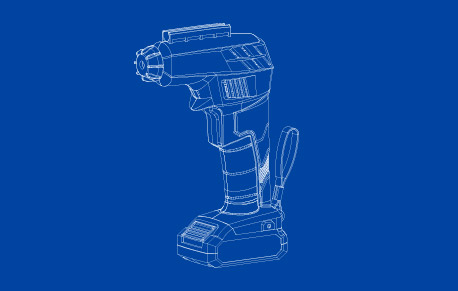
Air Pump

Author: Admin Date: 2026-05-12
How does the oscillating saw perform on flush cuts near walls compared to a flush-cut pull saw?
When it comes to making flush cuts near walls, the oscillating saw is the clear winner for speed and versatility, while the flush-cut pull saw offers superior precision and zero vibration for delicate finish work. As a powerful electric saw, the oscillating saw is also a true multi-functional tool — choosing between them depends on your material, space constraints, and tolerance for error, but in most renovation and flooring scenarios, the oscillating saw outperforms the pull saw significantly.
What Is a Flush Cut and Why Does It Matter?
A flush cut refers to a cut made perfectly level with an adjacent surface — most commonly cutting door casings or jambs down to floor level when installing new flooring. A poor flush cut leaves gaps, raised edges, or damaged surrounding surfaces. Even a 1–2mm error can cause flooring to sit unevenly or create visible gaps at the base of a door frame, making tool selection critical.
Both the oscillating saw and the flush-cut pull saw are designed specifically for this task, but they approach it very differently in terms of mechanics, blade geometry, and user control.
How the Oscillating Saw Handles Flush Cuts Near Walls
The oscillating saw is a compact electric saw that uses a blade moving in a rapid side-to-side arc, typically oscillating at 10,000 to 22,000 oscillations per minute (OPM). When fitted with a flush-cut blade — a flat, wide blade that lies parallel to the tool's base — it can cut right up against a wall with minimal standoff distance.
Key Advantages for Flush Cutting
- The blade extends forward from the tool body, allowing cuts as close as 5–10mm from a wall depending on the model.
- Variable speed control lets users slow down near the wall surface to reduce the risk of scarring the baseboard or drywall.
- As a multi-functional tool, it can cut through door casings, jambs, and even nails embedded in wood — something a pull saw cannot do.
- Cordless models (18V/20V) allow full freedom of movement in tight corner spaces without cord drag.
For example, when undercutting a door jamb for laminate flooring installation, a skilled user can complete a clean flush cut in under 10 seconds per jamb with an oscillating saw, compared to 30–45 seconds with a pull saw requiring careful setup and repositioning.
How the Flush-Cut Pull Saw Handles the Same Task
The flush-cut pull saw is a hand tool with a thin, flexible blade that sits flat against the floor surface. Because it cuts on the pull stroke, the blade stays pressed to the floor naturally, making it inherently self-guiding for flush cuts.
Key Advantages for Flush Cutting
- Zero vibration means no risk of chipping tile, cracking plaster, or damaging delicate moldings near the cut zone.
- The blade thickness is typically 0.3–0.5mm, producing a cleaner kerf than most oscillating saw blades (0.8–1.5mm).
- No power source required — unlike any electric saw, it is ideal for remote job sites or tight spaces where a power tool is impractical.
- Full user feel and tactile control over cutting pressure and angle.
However, the flush-cut pull saw struggles significantly when the material is harder than softwood. Cutting through oak door casings, MDF with paint buildup, or jambs with hidden fasteners can cause the blade to deflect, bind, or take considerably longer.
Head-to-Head Comparison: Oscillating Saw vs Flush-Cut Pull Saw
| Feature | Oscillating Saw | Flush-Cut Pull Saw |
|---|---|---|
| Cutting Speed | Fast (under 10 sec/jamb) | Slow (30–45 sec/jamb) |
| Kerf Width | 0.8–1.5mm | 0.3–0.5mm |
| Vibration / Risk to Surroundings | Moderate | None |
| Cuts Nails / Fasteners | Yes (bi-metal blade) | No |
| Hardwood Performance | Excellent | Fair |
| Proximity to Wall | 5–10mm clearance | Near zero clearance |
| Power Required | Yes (corded or battery) | No |
| Best For | Renovation, flooring, demo | Fine finish carpentry |
When the Oscillating Saw Falls Short Near Walls
Despite its advantages as an electric saw, the oscillating saw does have real limitations in tight wall scenarios. The tool body itself can prevent the blade from reaching into an extreme inside corner. Most oscillating saw bodies require at least 5–10mm of clearance from the wall to the blade mounting point, meaning there is always a small strip of material it cannot reach.
Additionally, if the wall has delicate tile, glass mosaic, or thin plaster directly adjacent to the cut zone, the oscillating saw's vibration can transmit through the structure and cause micro-cracks — especially on older, brittle walls. In these cases, finishing the last few millimeters with a flush-cut pull saw or a sharp chisel is a common professional workaround.
Blade Selection Makes a Significant Difference
Not all oscillating saw blades perform equally on flush cuts near walls. Choosing the right blade is as important as choosing the tool itself. Because the oscillating saw is a multi-functional tool, its blade ecosystem is broad — each blade type unlocks a different capability.
- Bi-metal flush-cut blades (e.g., Bosch AIZ 32 AB): Best for wood with embedded nails, fast cutting, moderate finish quality.
- High-carbon steel blades: Best for clean wood cuts near delicate surfaces, slower but finer finish.
- Carbide-tipped blades: Best for hardwood, tile backer, or fiber cement adjacent to walls, longest blade life.
- Wide Japanese-tooth blades: Mimic the fine kerf of a pull saw while retaining oscillating saw speed — a good hybrid option.
Using a standard wood-cutting blade on an oscillating saw for flush cuts near drywall often results in a rough, torn edge on the casing. Upgrading to a fine-tooth, wide flush-cut blade can reduce surface tear-out by up to 60% compared to a standard blade.
Practical Recommendation: Which Tool Should You Use?
For most users doing flooring installation, door casing undercuts, or general renovation work, the oscillating saw is the practical first choice. As both a reliable electric saw and a genuine multi-functional tool, it is faster, handles harder materials, and can deal with unexpected nails or fasteners without switching tools. A good quality oscillating saw with a fine flush-cut blade will handle 90% of wall-adjacent flush cuts effectively.
The flush-cut pull saw earns its place in two specific situations: when working on extremely delicate surfaces where vibration is unacceptable, or when the cut must reach into a true zero-clearance inside corner that the oscillating saw body physically cannot access. Many professional finish carpenters keep both tools on hand and use them in combination — using the oscillating saw for the bulk of the cut and finishing the corner with a pull saw or chisel.
If budget is a constraint and only one tool can be purchased, the oscillating saw delivers far greater overall value — it performs flush cuts well and doubles as a grout remover, pipe cutter, scraper, and sanding tool. The flush-cut pull saw, while excellent at its single task, is a specialty hand tool with a very narrow use case by comparison.

-
Feedback
Related Products
-
-
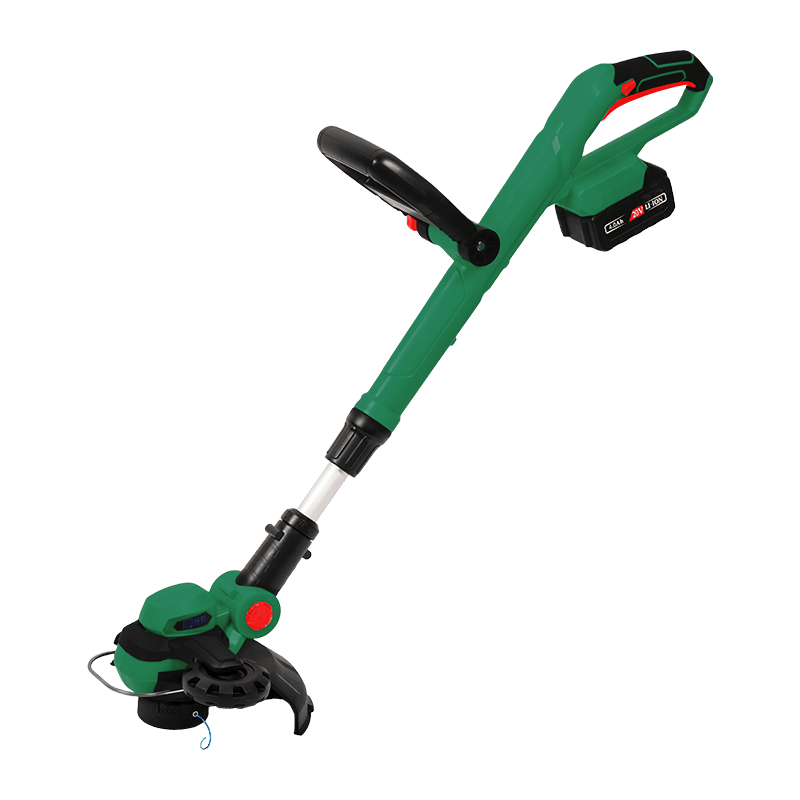
Voltage 20V (DC) Battery capacity 2.0Ah/3.0Ah/4.0Ah Motor type Brush motor No-loading speed 8000rpm Cutting width 250mm Blade type Nylon line Line diameter 1....
See Details -
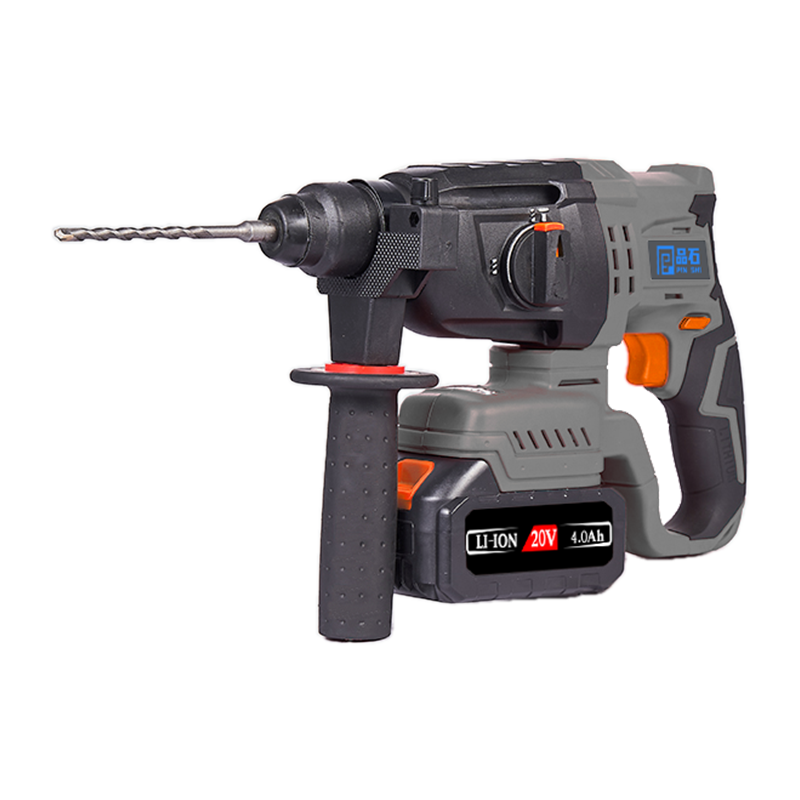
Voltage 20V (DC) Battery capacity 3.0Ah/4.0Ah Motor type Brushless motor Modes 2 Impact energy 1.7J No-loading speed 0-1000rpm Impact rate 0-4500bpm Chuck...
See Details -
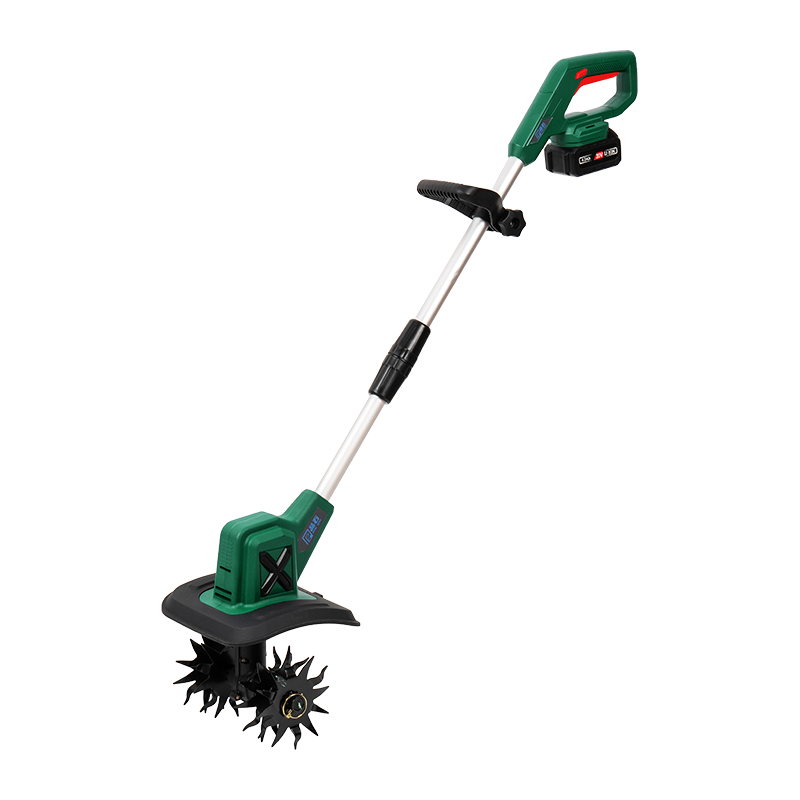
Voltage 20V (DC) Battery capacity 2.0Ah/3.0Ah/4.0Ah Motor type Brush motor No-loading speed 300rpm Ploughing width 8.6"(220mm) Tilling depth 6.3"(160mm) Fold...
See Details -
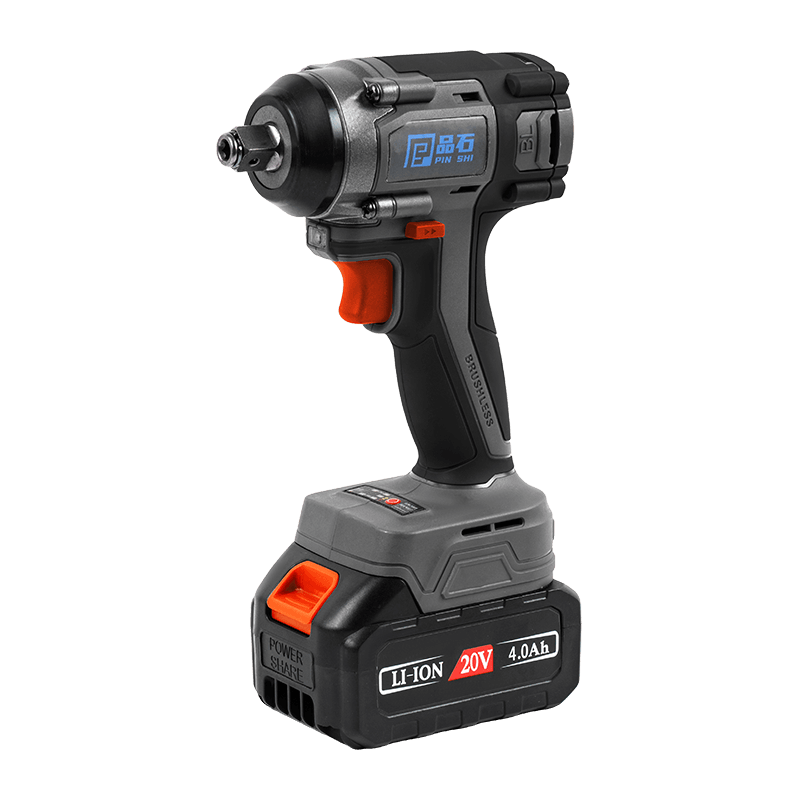
Voltage 20V (DC) Battery capacity 2.0Ah/3.0Ah Motor type Brushless motor No–loading speed 0-1700rpm Max.Impact rate 0-2300bpm Standard bolt size M6-M16 Square d...
See Details -
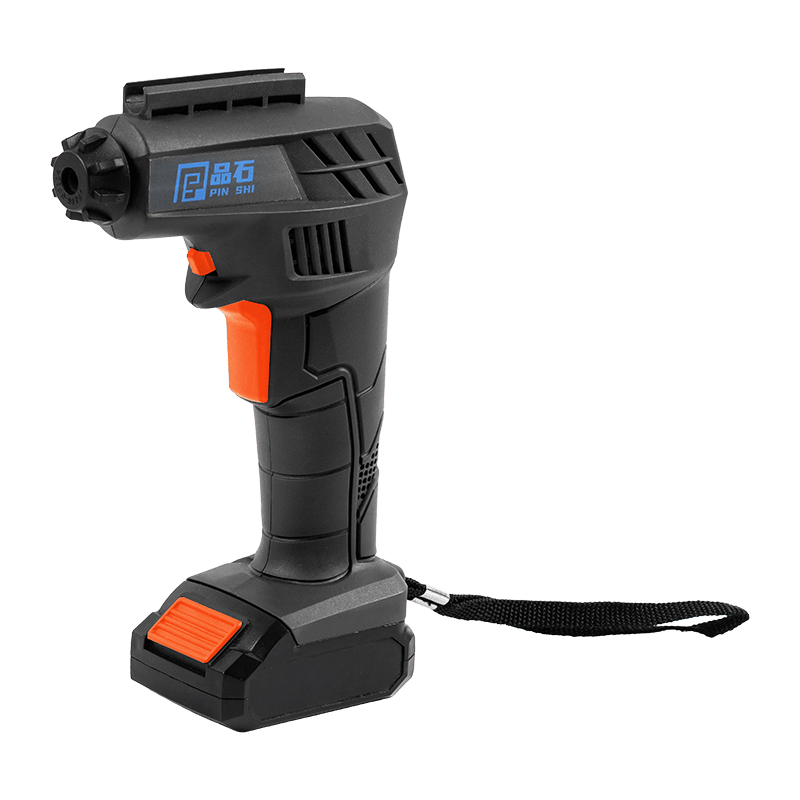
Voltage 12V (DC) Battery capacity 1.3Ah Motor type Brush motor Working pressure Max.5.5bar/80psi Air flow rate 7 l/min Max current < 10A Working time <12min ...
See Details
Related News
-
In the rapidly evolving landscape of construction, automotive repair, and industrial assembly, one tool has consistently stood out as the backbone of ...
READ MORE -
What Exactly Is an Electric Screwdriver Today? The shifting meaning of "electric screwdriver" in modern tool ecosystems The term "electric screwdriver...
READ MORE -
Impact Wrench: Definition and Core Working Principle The Impact Wrench, often referred to in industrial circles as an air gun, air wrench, or electric...
READ MORE
-
LINK
-
product
-
Quick Contact
-
 Building 1, Floor 1, Industrial Zone, Zhongyi Village, Guolin Town, Haishu District, Ningbo City, Zhejiang Province, China
 -
 +86-13906619096
 -
 Michael@chinashimu.com
-
KEEP IN TOUCH
Copyright© Ningbo Pinshi Electromechanical Co., LTD.
