
 English
 русский
 Español
Voltage 20V (DC) Battery capacity 1.5Ah/2.0Ah/3.0Ah Motor type Brushless motor Shear diameter 25mm Charger 21V 0.5A/1.2A/2A Blade material SK5 Time of use 4-5...
See Details-
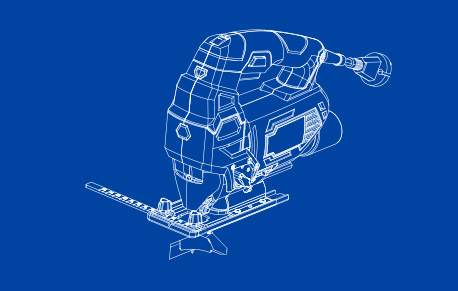
Electric Woodworking Saw
-
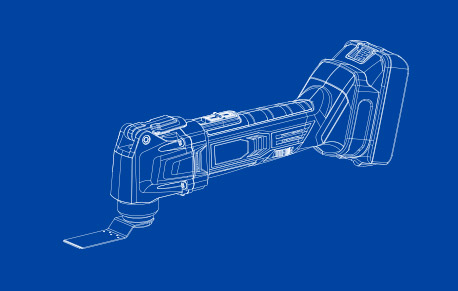
Multifunctional oscillating Saw
-
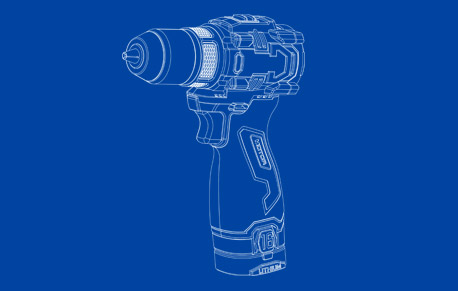
Power Drill
-
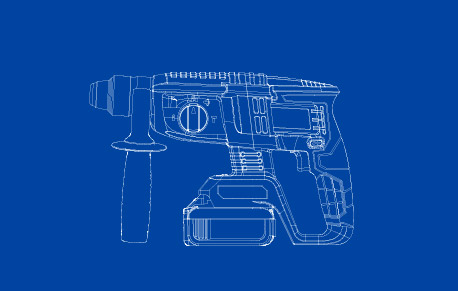
Rotary Hammer Drill
-
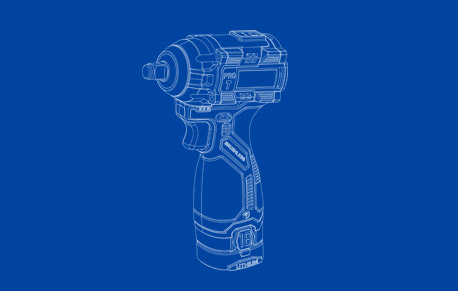
Impact Wrench
-
Electric Screwdriver
-
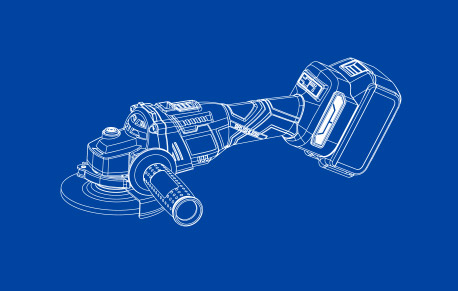
Angle Grinder
-
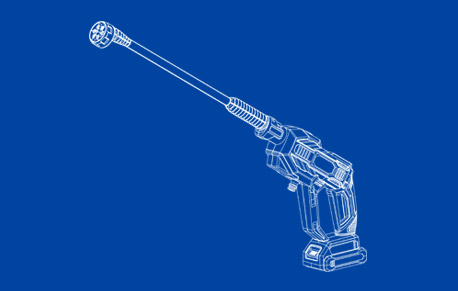
Handheld Pressure Washer
-
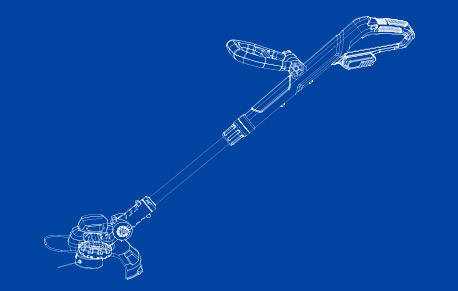
Handheld Lawn Mower
-
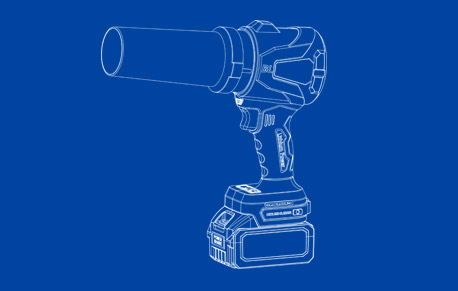
Lithium Turbo Jet Blower
-
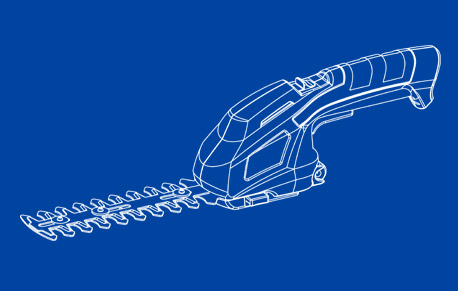
Electric Pruning Shears
-
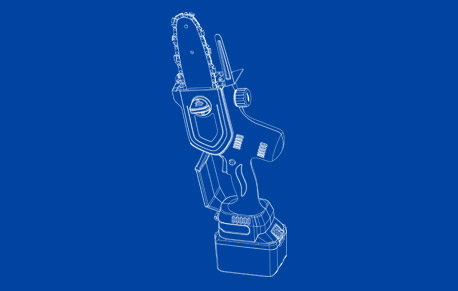
Lithium ChainSaw
-
Handheld Tiller Cultivator
-
Plant Watering Devices
-
Air Pump

Author: Admin Date: 2026-05-06
How does the cutting diameter capacity of this Electric Pruning Shear compare to pneumatic pruning shears of the same price range?
When comparing cutting diameter capacity, electric pruning shears typically cut branches up to 25–32mm (about 1–1.25 inches) in diameter, while pneumatic pruning shears in the same price range often handle 30–45mm (1.2–1.8 inches). That means pneumatic models generally offer a wider cutting range — but the gap is narrowing, and for most orchard and vineyard applications, a quality electric pruning shear is more than sufficient. The right choice depends on your power source access, portability needs, and the typical branch thickness you encounter daily.
What "Cutting Diameter Capacity" Actually Means
Cutting diameter capacity refers to the maximum branch thickness a pruning shear can cleanly sever in a single motion without stalling or damaging the blade. This spec matters enormously in professional pruning, because forcing a tool beyond its rated capacity leads to blade deformation, motor burnout, or torn plant tissue that invites disease.
Both electric and pneumatic pruning shears are rated by manufacturers for a maximum diameter — usually measured on fresh, green hardwood such as apple, grape, or olive branches. However, real-world capacity can vary based on wood density, blade sharpness, and tool condition. This is especially relevant for tree pruners electric models, which must maintain consistent cutting performance across varying wood densities without the benefit of continuous air pressure.
Cutting Capacity by Price Range: Side-by-Side Comparison
The table below compares typical cutting diameter capacity for electric and pneumatic pruning shears across common price tiers. Prices reflect retail market averages for professional-grade tools, including both corded and battery operated limb cutters.
| Price Range | Electric Pruning Shear (Max Diameter) | Pneumatic Pruning Shear (Max Diameter) |
|---|---|---|
| $80–$150 | 20–25mm | 25–30mm |
| $150–$300 | 25–32mm | 30–40mm |
| $300–$500 | 30–35mm | 35–45mm |
As the data shows, pneumatic shears consistently offer 5–10mm more cutting capacity at equivalent price points. However, this advantage is only meaningful if you regularly prune branches thicker than 28–30mm. For standard vineyard canes (typically 8–20mm) or apple tree shoot pruning (15–25mm), most electric pruning shears comfortably cover the task.
Why Pneumatic Pruning Shears Have the Edge in Raw Cutting Power
Pneumatic pruning shears are driven by compressed air, typically at 4–8 bar (58–116 psi), which delivers instant, consistent force regardless of workload duration. This air-powered mechanism generates higher torque at the blade pivot than most battery-powered systems, enabling clean cuts on thicker, denser hardwood. By contrast, battery operated limb cutters depend on stored charge, which means output force can gradually decrease as the battery discharges toward the end of a work session.
Key reasons pneumatic shears cut larger diameters:
- Continuous air pressure does not degrade over a work session, unlike a battery that loses voltage as it discharges.
- Pneumatic cylinders can be scaled in diameter to produce more force without significantly increasing tool weight.
- Air-driven systems handle intermittent high-load cuts (e.g., old, woody growth) without overheating the motor.
That said, pneumatic shears require a compressor and hose, which limits mobility. On a large vineyard row or remote hillside orchard, dragging an air hose is a real operational constraint — one that tree pruners electric models completely eliminate by relying solely on a rechargeable onboard battery.
Where the Electric Pruning Shear Closes the Gap
Modern electric pruning shears equipped with brushless motors have significantly closed the performance gap with pneumatic models. Brushless motors deliver higher efficiency (typically 85–90% vs. 60–75% for brushed motors), which means more of the battery's energy translates directly into cutting force rather than heat.
Brushless Motor Electric Shears: Real-World Performance
Brands such as Felco, Zenport, and Campagnola now offer electric pruning shear models with 30–32mm rated cutting capacity using brushless motors and lithium-ion batteries (typically 2.0–4.0Ah at 18V–25.2V). In independent field tests on olive branches at 28mm diameter, brushless electric models completed clean cuts in 0.8–1.2 seconds — comparable to pneumatic performance on the same wood. These results confirm that well-engineered tree pruners electric models are no longer a compromise for users who need both power and portability.
Adjustable Cutting Force: A Practical Advantage
Many electric pruning shears offer adjustable cutting force or diameter settings (e.g., 15mm / 20mm / 25mm / 30mm modes), allowing users to reduce strain on thin canes and maximize power only when needed. This feature is particularly useful in battery operated limb cutters designed for mixed-use environments, where operators switch between delicate rose canes and thick fruit tree laterals within the same work session. Pneumatic shears typically do not offer this level of fine control without manually adjusting the compressor regulator.
Hidden Costs That Affect the "Same Price Range" Calculation
When evaluating which tool offers better value at the same price, the purchase price of the shear itself is only part of the equation. Consider the full cost of ownership:
| Cost Factor | Electric Pruning Shear | Pneumatic Pruning Shear |
|---|---|---|
| Tool purchase ($150–$300 tier) | $150–$300 | $150–$300 |
| Required accessories | Charger (often included) | Air compressor: $200–$600+ |
| Annual maintenance | Blade sharpening / replacement | Blade + air hose + oil + filters |
| Mobility | Fully cordless | Tethered to compressor/hose |
| Battery/consumable lifespan | 300–500 charge cycles (~2–4 years) | Hose and seals: 3–6 years |
When you factor in the compressor, the true cost of a pneumatic pruning shear setup is often $350–$900 for a comparable starting investment — significantly more than a standalone electric pruning shear with its charger. This makes battery operated limb cutters substantially more cost-effective for individual users or small-scale operations who cannot justify the infrastructure cost of a compressed air system.
Which Tool Should You Choose Based on Branch Diameter?
Use the following guide to match the tool to your actual pruning demands:
- Under 20mm (e.g., grapevines, roses, berry bushes): Any mid-range electric pruning shear is ideal. Pneumatic power is unnecessary and adds logistical complexity.
- 20–30mm (e.g., apple, pear, olive shoot pruning): A brushless electric pruning shear in the $200–$350 range handles this comfortably. Pneumatic offers marginal benefit.
- 30–45mm (e.g., old olive wood, mature fruit tree scaffold branches): Pneumatic pruning shears have a clear advantage here. Electric models at this diameter risk blade or motor strain without a high-spec brushless unit.
- Above 45mm: Neither tool is recommended. Use a pruning saw or reciprocating saw for clean, safe cuts.
For most users working across varied terrain or multiple property types, tree pruners electric models offer the best balance of cutting capacity and freedom of movement — without the need to plan around a compressor's location or hose reach.
Final Verdict: Electric vs Pneumatic Pruning Shear for Cutting Capacity
Pneumatic pruning shears win on raw maximum cutting diameter — typically by 5–12mm at the same price point. But for the majority of professional pruning tasks under 30mm, a modern electric pruning shear with a brushless motor offers comparable real-world performance, far greater mobility, lower total ownership cost, and more ergonomic control.
If your work routinely involves branches above 32mm in dense hardwood conditions and you have a fixed workstation or tractor with a compressor, pneumatic is the better tool. For everyone else — from vineyard workers to orchard managers working across varied terrain — battery operated limb cutters and tree pruners electric models represent a smarter, more versatile investment at the same price range, delivering professional-grade performance without the infrastructure overhead of a pneumatic system.

-
Feedback
Related Products
-
-
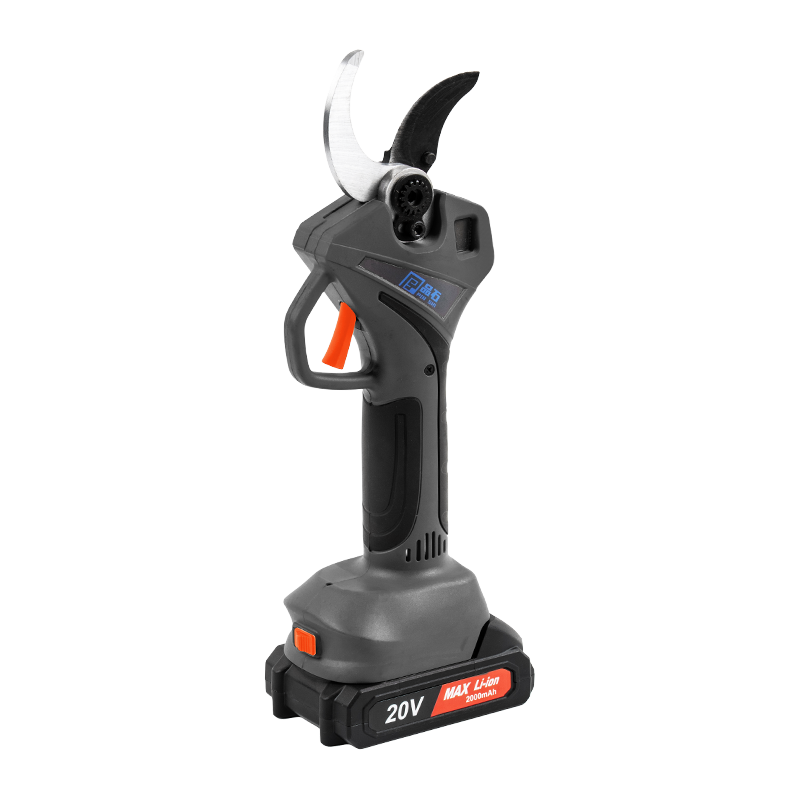
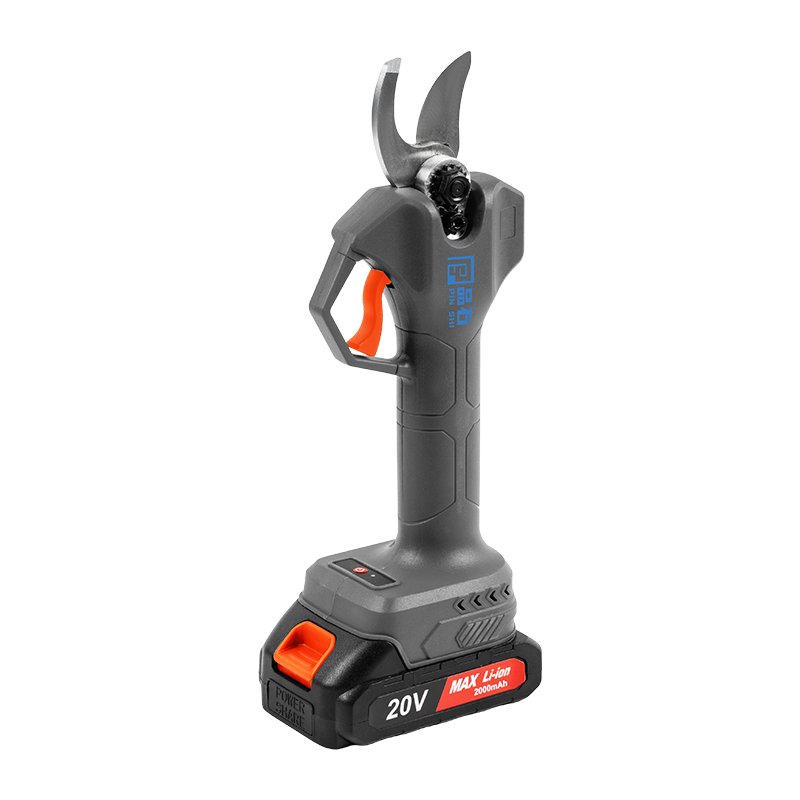
Voltage 20V (DC) Battery capacity 2.0Ah/3.0Ah/4.0Ah Motor type Brushless motor Shear diameter 40mm Charger 21V 0.5A/1.2A/2A Blade material SK5 Time of use 4-5...
See Details -
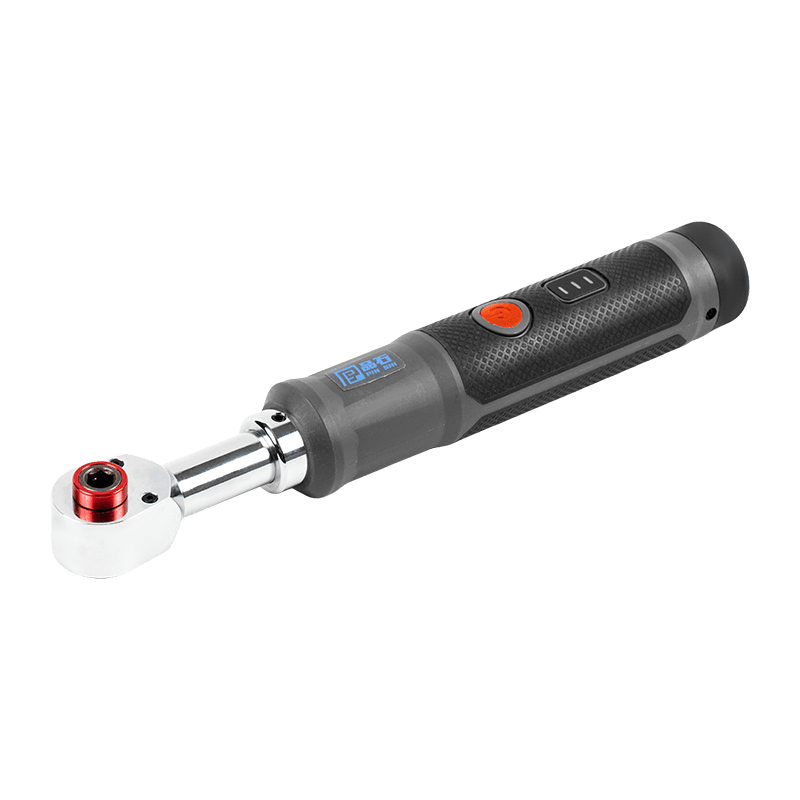
Voltage 4V (DC) Battery capacity 1.5Ah/2.0Ah Motor type Brush motor No–loading speed 380rpm Collet 1/4"Hex(6.35mm) Square drive size 1/4"(6.35mm),3/8"(9.5mm) Ma...
See Details -
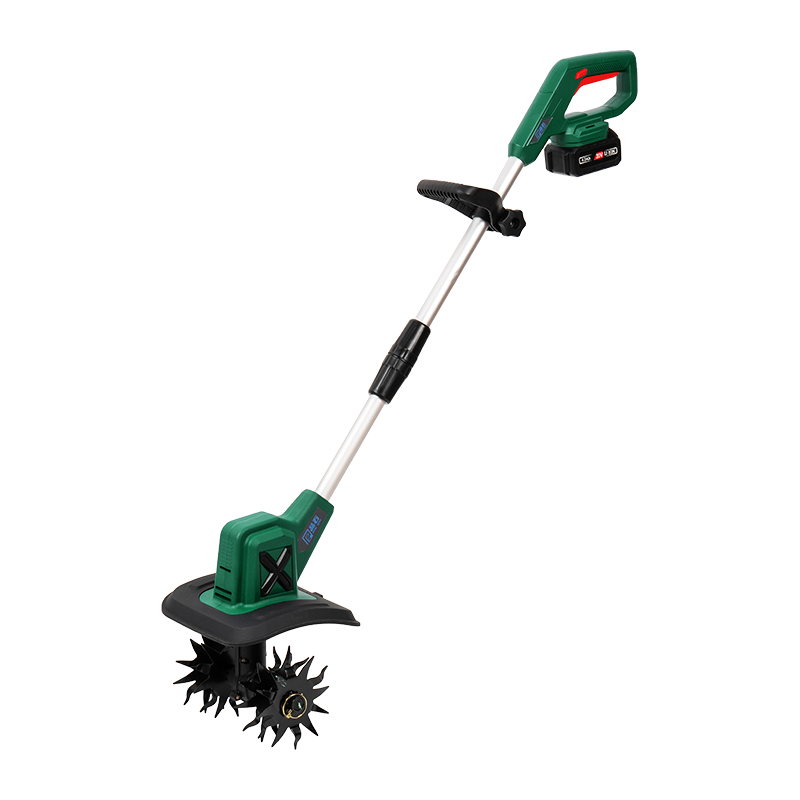
Voltage 20V (DC) Battery capacity 2.0Ah/3.0Ah/4.0Ah Motor type Brush motor No-loading speed 300rpm Ploughing width 8.6"(220mm) Tilling depth 6.3"(160mm) Fold...
See Details -
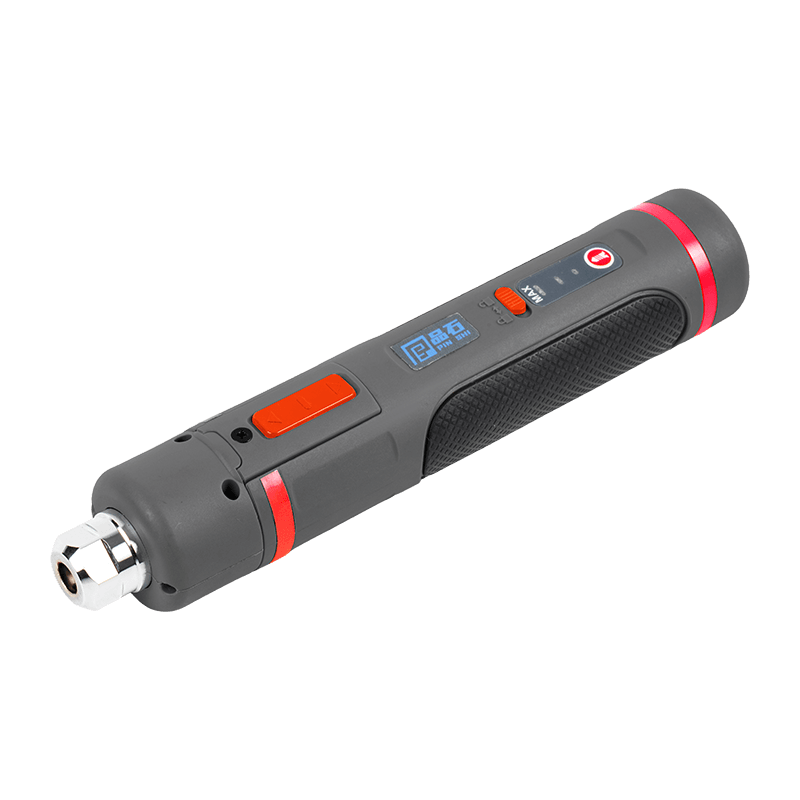
Voltage 4V (DC) Battery capacity 1.5Ah/2.0Ah Motor type Brush motor No–loading speed 320rpm Torque setting 3 Max. Torque 5N.m(Electric power) 8N.m(Manual labor) ...
See Details -
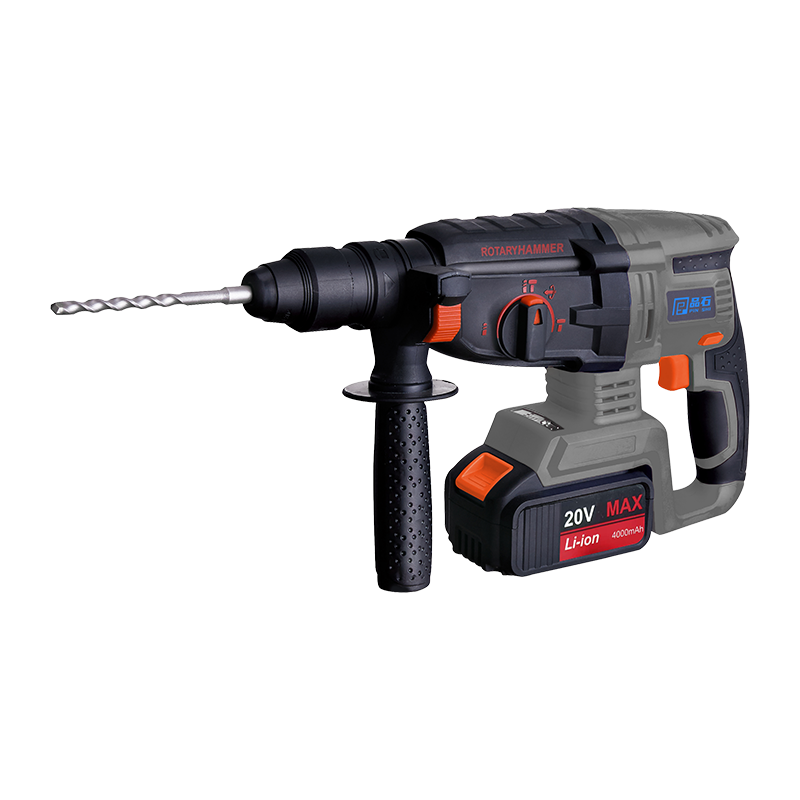
Voltage 20V(DC) Battery capacity 3.0Ah/4.0Ah Motor type Brushless motor Modes 3 Impact energy 3.0J No-loading speed 0-1000rpm Impact rate 0-4500bpm Chuck...
See Details
Related News
-
In the rapidly evolving landscape of construction, automotive repair, and industrial assembly, one tool has consistently stood out as the backbone of ...
READ MORE -
What Exactly Is an Electric Screwdriver Today? The shifting meaning of "electric screwdriver" in modern tool ecosystems The term "electric screwdriver...
READ MORE -
Impact Wrench: Definition and Core Working Principle The Impact Wrench, often referred to in industrial circles as an air gun, air wrench, or electric...
READ MORE
-
LINK
-
product
-
Quick Contact
-
 Building 1, Floor 1, Industrial Zone, Zhongyi Village, Guolin Town, Haishu District, Ningbo City, Zhejiang Province, China
 -
 +86-13906619096
 -
 Michael@chinashimu.com
-
KEEP IN TOUCH
Copyright© Ningbo Pinshi Electromechanical Co., LTD.
