
 English
 русский
 Español
Voltage 20V(DC) Battery capacity 3.0Ah/4.0Ah Motor type Brushless motor Modes 3 Impact energy 3.0J No-loading speed 0-1000rpm Impact rate 0-4500bpm Chuck...
See Details-
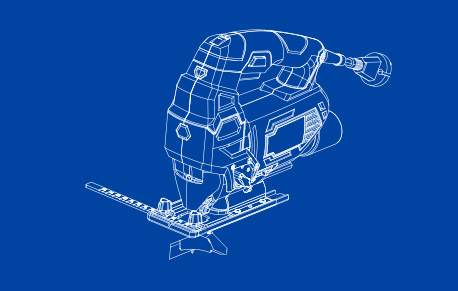
Electric Woodworking Saw
-
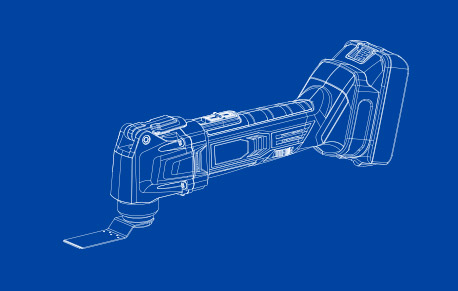
Multifunctional oscillating Saw
-
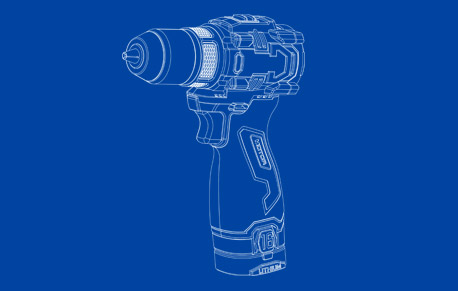
Power Drill
-
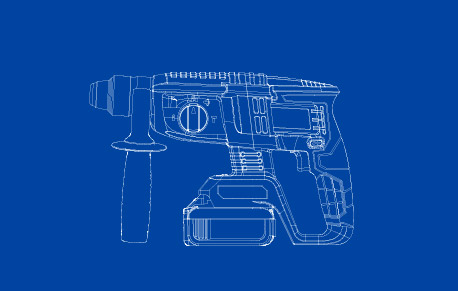
Rotary Hammer Drill
-
Impact Wrench
-
Electric Screwdriver
-
Angle Grinder
-
Handheld Pressure Washer
-
Handheld Lawn Mower
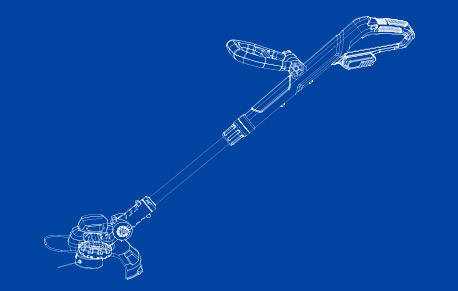
-
Lithium Turbo Jet Blower
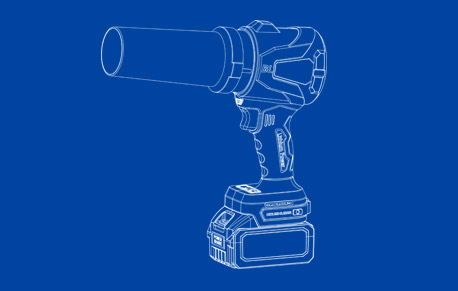
-
Electric Pruning Shears
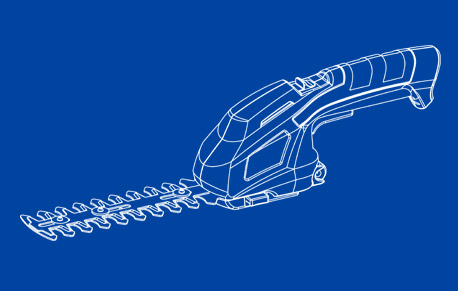
-
Lithium ChainSaw
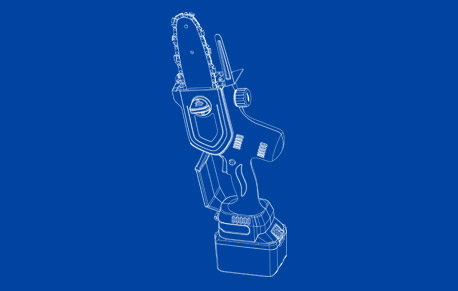
-
Handheld Tiller Cultivator
-
Plant Watering Devices
-
Air Pump

Author: Admin Date: 2026-04-29
How does the Rotary Hammer Drill's BPM (blows per minute) rating affect its performance when compared to a demolition hammer on reinforced concrete?
When working on reinforced concrete, the Rotary Hammer Drill's BPM (blows per minute) rating directly determines how efficiently it can penetrate the material — but it does not make it a substitute for a demolition hammer. A rotary hammer drill combines rotation with percussive blows to drill holes, while a demolition hammer delivers pure impact force for breaking and chiseling. On reinforced concrete, a rotary hammer drill typically operates between 1,500 and 5,000 BPM, which is effective for anchor holes and core drilling. A demolition hammer, by contrast, focuses entirely on impact energy — often delivering 8 to 30+ joules per blow — making it far more capable for large-scale breaking tasks. Understanding this distinction is critical before selecting the right tool for your job.
What BPM Actually Means in a Rotary Hammer Drill
BPM refers to how many times the internal piston strikes the drill bit per minute. In a Rotary Hammer Drill, this percussive action works alongside the rotation of the bit to fracture and remove concrete as the bit spins. Higher BPM does not automatically mean better performance — the energy per blow (measured in joules) is equally important.
For example, a compact SDS-Plus rotary hammer drill might deliver 4,500 BPM at 1.5–2.5 joules per blow, which is ideal for drilling 6–16mm holes in concrete. A mid-range professional model may offer 3,200 BPM at 3–4 joules, allowing it to handle 20–32mm holes more efficiently. The relationship between BPM and joule rating determines the tool's overall hammering power — high BPM with low joules suits fast, smaller-diameter drilling, while lower BPM with higher joules suits larger, more demanding applications.
How BPM Affects Performance on Reinforced Concrete Specifically
Reinforced concrete presents a unique challenge because the tool must drill through both the aggregate matrix and embedded steel rebar. A Rotary Hammer Drill with a high BPM rating excels at advancing through the concrete matrix but slows significantly — or can even stall — when it contacts rebar.
Key performance considerations on reinforced concrete include:
- BPM above 3,500 with at least 2.5 joules is recommended for continuous drilling in concrete with rebar at standard anchor depths (50–100mm).
- Tools with variable speed triggers allow operators to reduce BPM when the bit contacts rebar, protecting the bit and motor from overload.
- A rotary-only mode (available on most combination rotary hammer drills) lets the user switch to rotation-only when cutting through rebar, then resume hammer mode for the concrete beyond it.
- The bit quality matters as much as BPM — carbide-tipped SDS-Plus bits rated for rebar applications are essential; a high-BPM tool with a substandard bit will underperform.
Rotary Hammer Drill vs Demolition Hammer: Core Differences
These two tools are often confused, but they are engineered for fundamentally different purposes. The table below summarizes the key technical and practical differences:
| Feature | Rotary Hammer Drill | Demolition Hammer |
|---|---|---|
| Primary Function | Drilling + chiseling | Breaking + chiseling only |
| Typical BPM Range | 1,500 – 5,000 BPM | 1,000 – 2,500 BPM |
| Impact Energy | 1.5 – 8 joules | 8 – 30+ joules |
| Chuck System | SDS-Plus or SDS-Max | SDS-Max or Spline |
| Weight (typical) | 2 – 6 kg | 6 – 16 kg |
| Reinforced Concrete Drilling | Excellent (up to ~50mm dia.) | Not designed for drilling |
| Concrete Breaking | Limited (light chiseling) | Excellent |
The demolition hammer's lower BPM is compensated by its massively higher energy per blow. A 20-joule demolition hammer at 1,500 BPM delivers far more destructive force per strike than a rotary hammer drill at 4,000 BPM at 3 joules — making the BPM figure alone a misleading metric for cross-tool comparison.
When to Use a Rotary Hammer Drill vs a Demolition Hammer on Reinforced Concrete
Choose a Rotary Hammer Drill when:
- You need to drill anchor holes (M8–M20 anchors) into reinforced concrete slabs or walls.
- The task involves installing conduit, rebar ties, or structural bolts requiring precise hole placement.
- You are working in a tight space — the rotary hammer drill's compact form factor (as light as 2.5 kg for SDS-Plus models) offers far greater maneuverability.
- Light surface chiseling or removing tiles over a concrete substrate is required.
Choose a Demolition Hammer when:
- You need to break up reinforced concrete slabs, footings, or columns.
- The job involves sustained, heavy chiseling over large surface areas (e.g., demolishing a concrete floor).
- Material thickness exceeds 150mm and must be broken through entirely, not drilled.
- Speed of demolition is prioritized over precision.
Real-World BPM Performance Data: What the Numbers Show
To put BPM in practical context, consider these real-world performance benchmarks for drilling a 12mm diameter hole, 80mm deep into 30 MPa reinforced concrete:
- Bosch GBH 2-28 (SDS-Plus, 3.2 joules, 4,000 BPM): Completes the hole in approximately 8–12 seconds under consistent pressure.
- Makita HR2641 (SDS-Plus, 2.7 joules, 4,500 BPM): Similar speed, with slightly reduced vibration due to AVT technology.
- DeWalt D25133K (SDS-Plus, 2.1 joules, 5,000 BPM): Fastest BPM but lower joule rating — performs best on standard concrete, slightly slower on dense aggregate mixes.
A demolition hammer, by design, cannot perform this test — it has no rotary function and would simply chip the surface rather than produce a clean, measurable hole. This illustrates that BPM in a rotary hammer drill context is a drilling efficiency metric, not a breaking power metric.
Can a High-BPM Rotary Hammer Drill Replace a Demolition Hammer?
For occasional light chiseling — removing ceramic tiles, cutting expansion joints, or trimming concrete edges — a Rotary Hammer Drill in hammer-only mode can serve as a temporary substitute. However, for any sustained demolition work on reinforced concrete, it falls significantly short. Running a rotary hammer drill continuously in chisel mode for more than 20–30 minutes risks overheating the motor and accelerating wear on the internal piston mechanism, which is not engineered for the sustained unidirectional impact load that a demolition hammer handles by design.
The verdict is clear: a high-BPM Rotary Hammer Drill is the superior tool for drilling into reinforced concrete, while a demolition hammer dominates in breaking and sustained chiseling. Using either tool outside its design intent results in slower work, premature wear, and potential safety hazards on site.

-
Feedback
Related Products
-
-
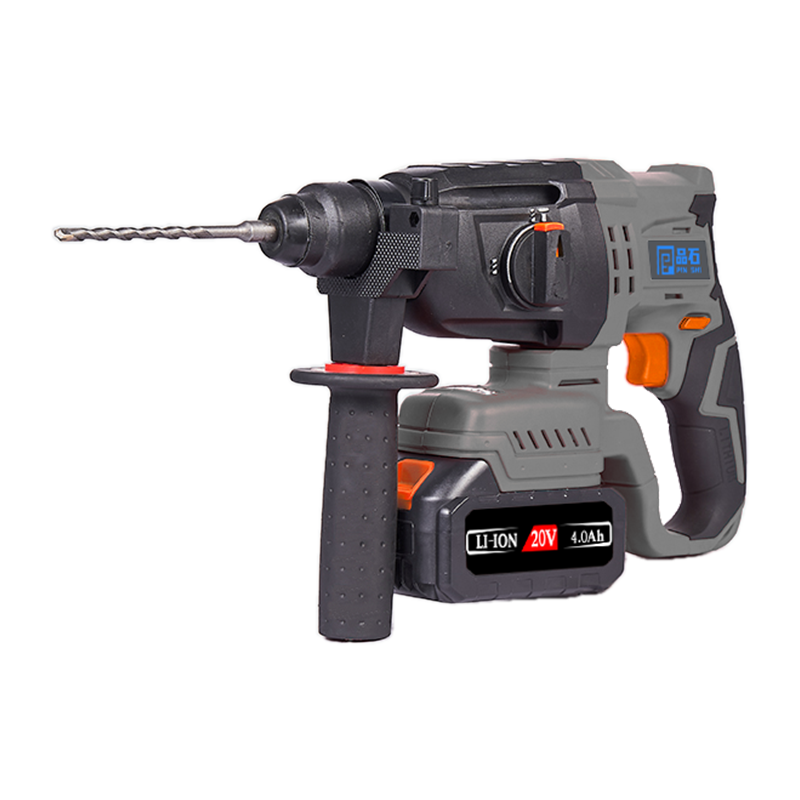
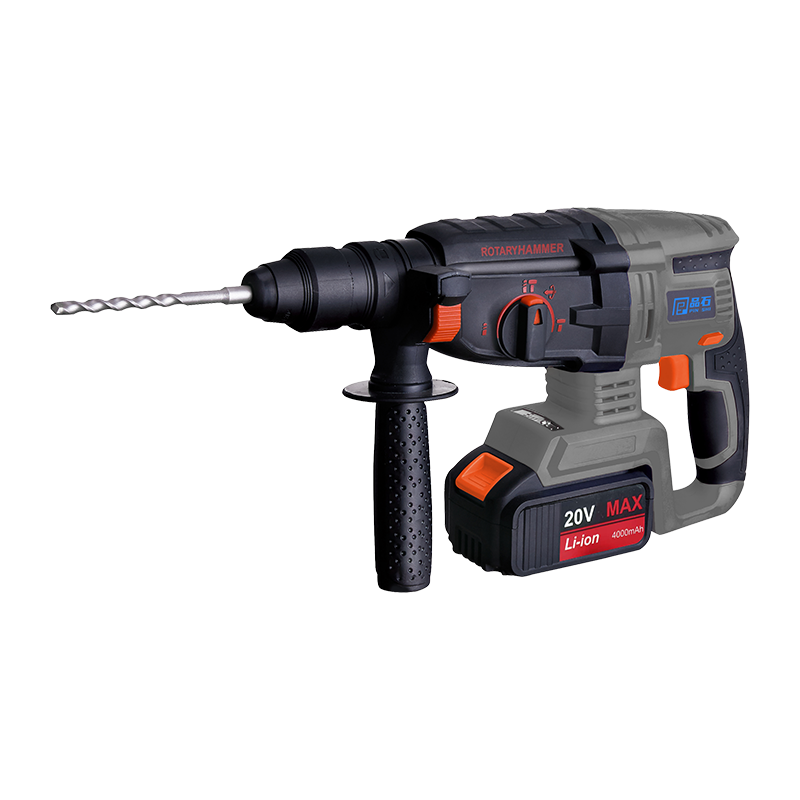
Voltage 20V (DC) Battery capacity 3.0Ah/4.0Ah Motor type Brushless motor Modes 2 Impact energy 1.7J No-loading speed 0-1000rpm Impact rate 0-4500bpm Chuck...
See Details -
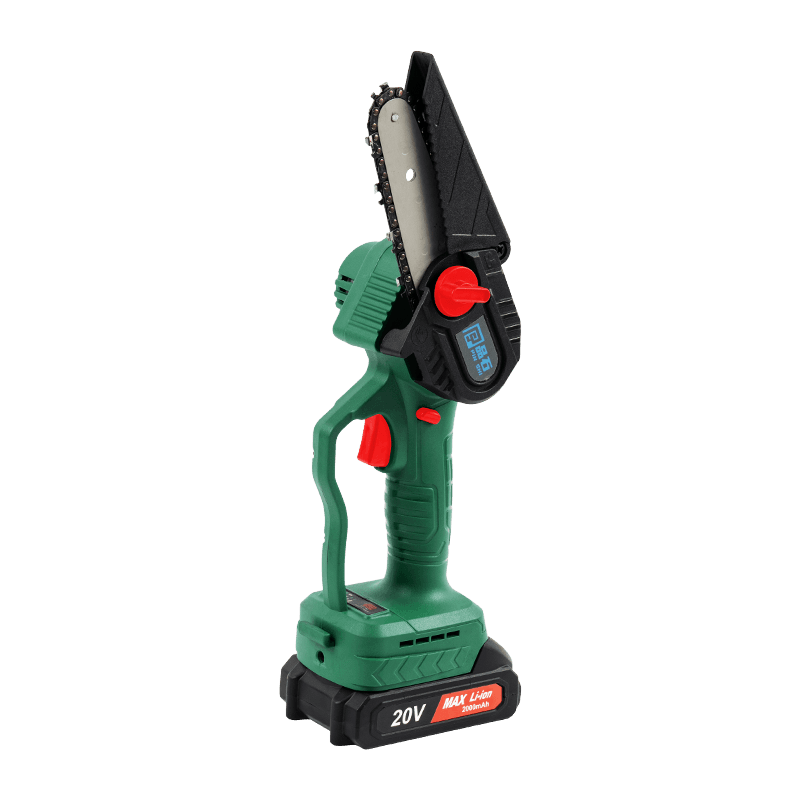
Voltage 20V (DC) Battery capacity 1.5Ah/2.0Ah/3.0Ah Motor type Brushless motor Velocity 6m/s Chain type / Pitch / Gage 6.35 mm (0.25") / 1.1 mm (0.043") Bar length ...
See Details -
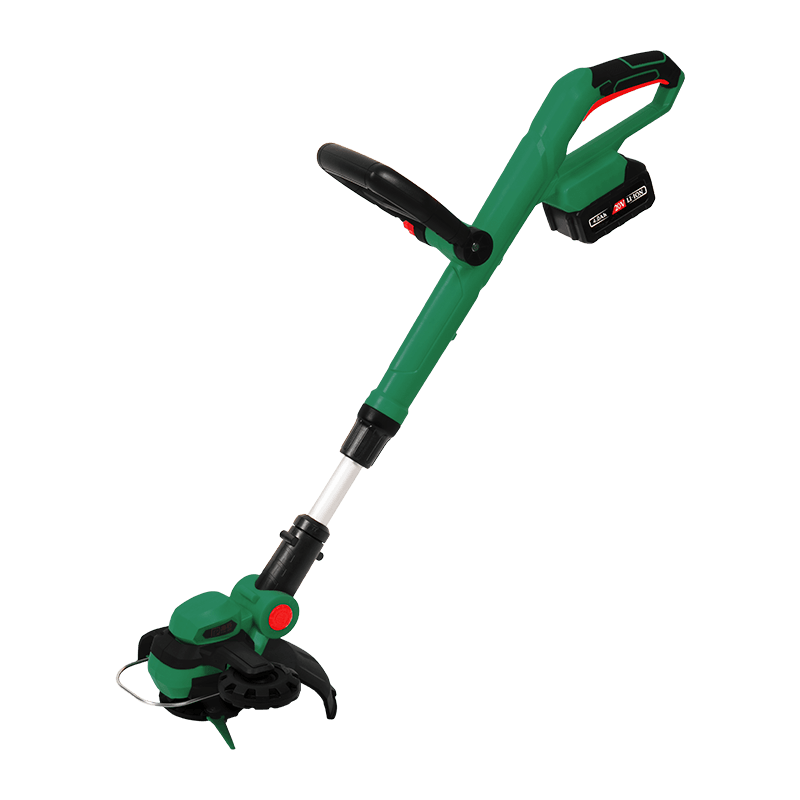
Voltage 20V (DC) Battery capacity 2.0Ah/3.0Ah/4.0Ah Motor type Brush motor No-loading speed 8000rpm Cutting width 250mm Blade type Plastic blade Aluminium te...
See Details -
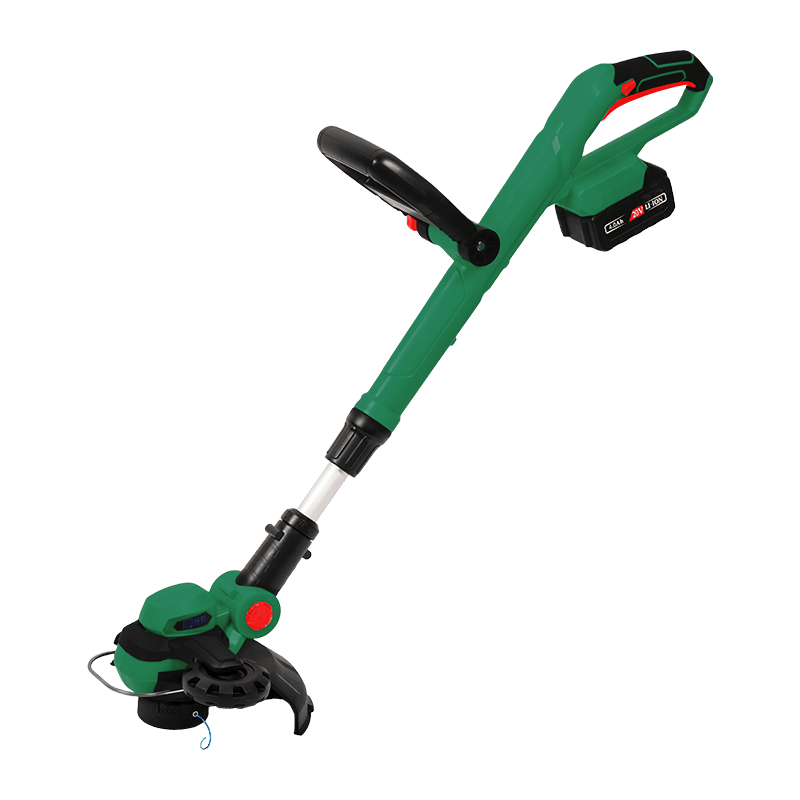
Voltage 20V (DC) Battery capacity 2.0Ah/3.0Ah/4.0Ah Motor type Brush motor No-loading speed 8000rpm Cutting width 250mm Blade type Nylon line Line diameter 1....
See Details -
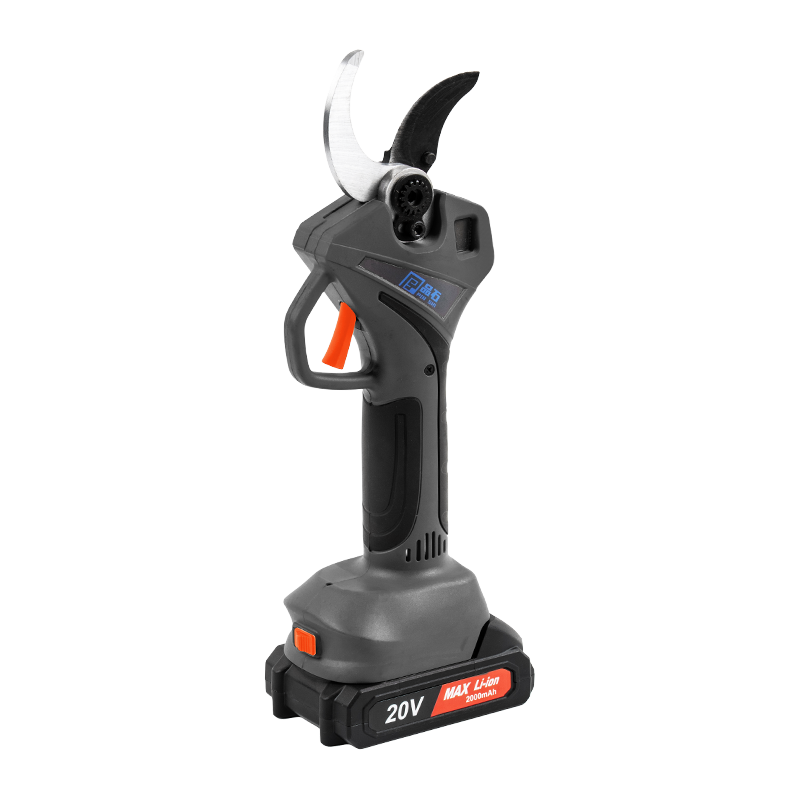
Voltage 20V (DC) Battery capacity 2.0Ah/3.0Ah/4.0Ah Motor type Brushless motor Shear diameter 40mm Charger 21V 0.5A/1.2A/2A Blade material SK5 Time of use 4-5...
See Details
Related News
-
In the rapidly evolving landscape of construction, automotive repair, and industrial assembly, one tool has consistently stood out as the backbone of ...
READ MORE -
What Exactly Is an Electric Screwdriver Today? The shifting meaning of "electric screwdriver" in modern tool ecosystems The term "electric screwdriver...
READ MORE -
Impact Wrench: Definition and Core Working Principle The Impact Wrench, often referred to in industrial circles as an air gun, air wrench, or electric...
READ MORE
-
LINK
-
product
-
Quick Contact
-
 Building 1, Floor 1, Industrial Zone, Zhongyi Village, Guolin Town, Haishu District, Ningbo City, Zhejiang Province, China
 -
 +86-13906619096
 -
 Michael@chinashimu.com
-
KEEP IN TOUCH
Copyright© Ningbo Pinshi Electromechanical Co., LTD.
