
 English
 русский
 Español
Voltage 4V (DC) Battery capacity 1.5Ah/2.0Ah Motor type Brush motor No–loading speed 320rpm Torque setting 3 Max. Torque 5N.m(Electric power) 8N.m(Manual labor) ...
See Details-
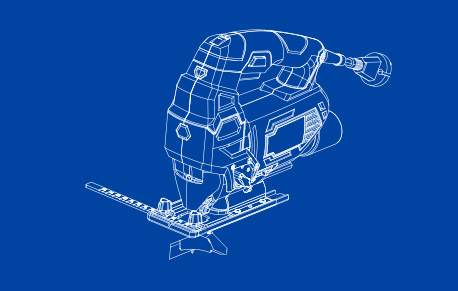
Electric Woodworking Saw
-
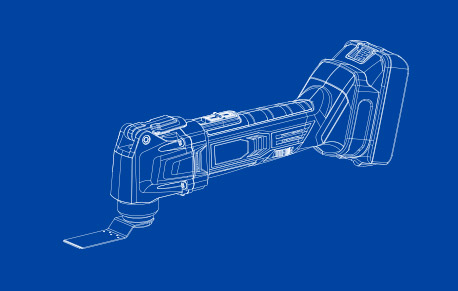
Multifunctional oscillating Saw
-
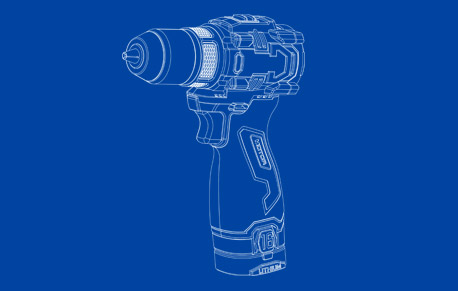
Power Drill
-
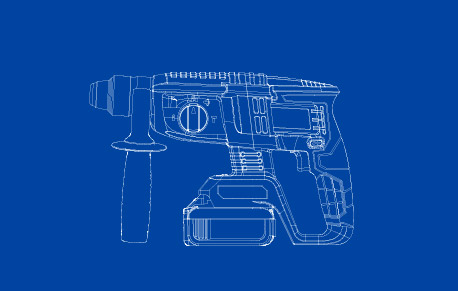
Rotary Hammer Drill
-
Impact Wrench
-
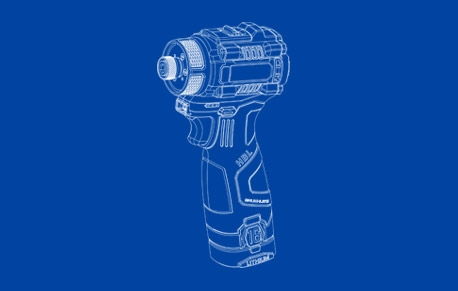
Electric Screwdriver
-
Angle Grinder
-
Handheld Pressure Washer
-
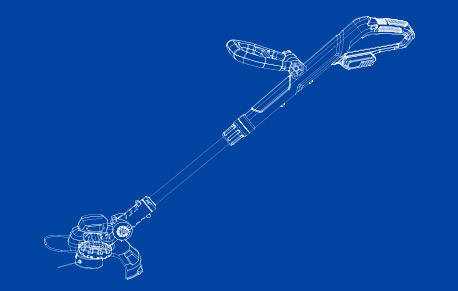
Handheld Lawn Mower
-
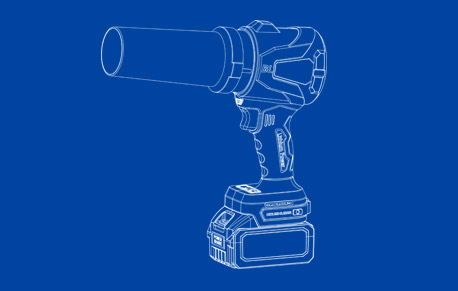
Lithium Turbo Jet Blower
-
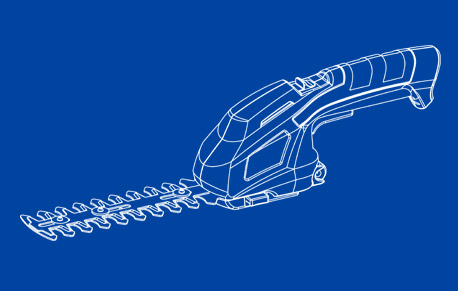
Electric Pruning Shears
-
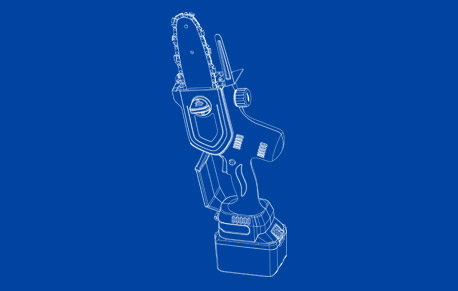
Lithium ChainSaw
-
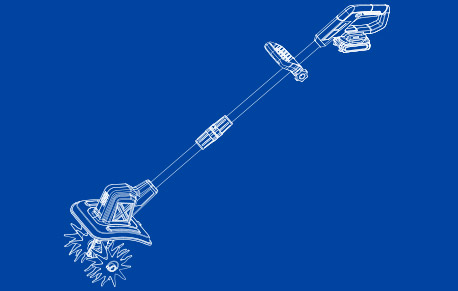
Handheld Tiller Cultivator
-
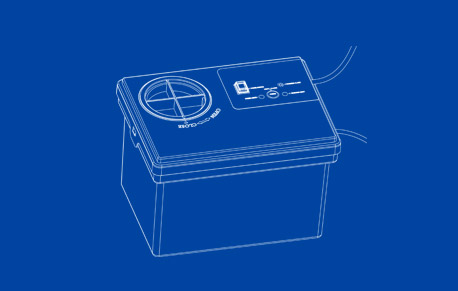
Plant Watering Devices
-
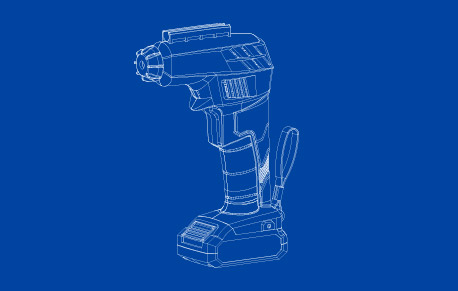
Air Pump

Author: Admin Date: 2026-04-22
How does this Electric Screwdriver perform when driving screws into hardwoods, softwoods, drywall, and metal?
The electric screwdriver performs exceptionally well across most common materials — including hardwoods, softwoods, drywall, and light metals — provided it is used with the correct torque settings, bit type, and speed. However, performance varies significantly by material density and screw size. Understanding these differences helps you get clean, professional results every time without stripping screws or damaging surfaces.
Performance on Hardwoods: Power and Precision Matter
Hardwoods such as oak, maple, and walnut present the greatest resistance of any common material. When driving screws into hardwood, your electric screwdriver needs a torque output of at least 15–20 N·m to seat fasteners cleanly without stalling. Most mid-range electric screwdrivers offer between 10 and 30 N·m, which is adequate for typical hardwood joinery.
One of the most critical steps when working with hardwood is pre-drilling a pilot hole. Without it, even a high-torque electric screwdriver risks splitting the grain — especially near edges. A pilot hole reduces insertion resistance by up to 60%, dramatically improving both speed and screw alignment.
Recommended Settings for Hardwood
- Use a low-to-medium speed setting (200–400 RPM) for better torque control.
- Set the clutch near its maximum to avoid under-driving.
- Always pre-drill pilot holes for screws longer than 1.5 inches.
- Use sharp, hardened steel or titanium-coated bits to maintain grip and reduce cam-out.
Performance on Softwoods: Where Electric Screwdrivers Truly Shine
Softwoods — including pine, cedar, and spruce — are where the electric screwdriver is most at home. These materials offer low fiber resistance, allowing even a compact electric screwdriver with as little as 4–6 N·m of torque to drive screws cleanly and quickly. Projects like deck framing, fence building, and furniture assembly in softwood can be completed with remarkable speed.
The main risk with softwood is over-driving — sinking the screw head too deep and crushing the wood fibers, which weakens the joint. This is where the electric screwdriver's adjustable clutch becomes invaluable. Setting the clutch to a lower torque level (typically 3–6 on a 10-position clutch) disengages the drive mechanism the moment the screw is flush, protecting the surface from damage.
For example, when assembling pine shelving with #8 wood screws (1-5/8 inch), a mid-range electric screwdriver at setting 4 on the clutch and 600 RPM will consistently produce a flush, undamaged finish across dozens of fasteners without adjustment.
Performance on Drywall: Speed, Consistency, and Depth Control
Drywall installation is one of the most repetitive fastening tasks in construction, and the electric screwdriver handles it with exceptional efficiency. The goal is to drive the screw to a precise depth — just below the paper surface without tearing through it. A dimple depth of approximately 1/32 inch is the professional standard.
Most electric screwdrivers designed for general use can handle drywall at a high RPM setting (800–1,200 RPM) with a low clutch setting. If you are using a multi-function electric screwdriver, you benefit from switchable modes that let you transition instantly from drywall fastening to drilling or driving without changing tools — a major productivity advantage on active job sites. A well-calibrated electric screwdriver with a depth-sensitive clutch achieves results comparable to a dedicated drywall screw gun.
Key Considerations for Drywall Work
- Use fine-thread drywall screws (typically #6 x 1-1/4 inch for 1/2-inch board).
- Set the clutch low (1–3) to prevent tearing the paper face.
- Drive at higher RPM for speed across large surface areas.
- A magnetic bit holder keeps screws aligned and reduces fumbling on overhead or vertical surfaces.
Performance on Metal: The Limits and Solutions
Driving screws into metal is the most demanding application for an electric screwdriver. Performance depends heavily on the metal type and thickness. For sheet metal up to 18-gauge, a good electric screwdriver with self-tapping screws performs reliably. However, for structural steel or thick aluminum plate, you will likely need an impact driver or drill driver with higher torque.
For light-gauge metal applications — such as HVAC ductwork, metal studs in commercial construction, or thin aluminum panels — the electric screwdriver excels. A multi-function electric screwdriver is particularly well-suited here, as its ability to switch between screwdriving and drilling modes means you can create a starter indent and then drive the fastener in a single continuous workflow, without reaching for a second tool. Self-drilling (Tek) screws eliminate the need for a pilot hole in metal up to 1/8 inch thick, and a torque setting of 18–25 N·m combined with a medium speed (400–600 RPM) achieves clean, snug fastening.
Tips for Metal Fastening
- Use self-tapping or self-drilling screws matched to the metal gauge.
- Apply light downward pressure to prevent the bit from skating across the surface.
- Use a center punch to create a starting indent for increased accuracy.
- Opt for cobalt or black oxide bits, which resist heat buildup better than standard steel.
Side-by-Side Material Comparison
The table below summarizes the recommended electric screwdriver settings and screw types for each material, providing a quick-reference guide for users switching between tasks.
| Material | Recommended Torque | Ideal RPM Range | Screw Type | Pilot Hole Needed? |
|---|---|---|---|---|
| Hardwood | 15–25 N·m | 200–400 RPM | Wood screws (coarse thread) | Yes (strongly recommended) |
| Softwood | 4–12 N·m | 400–700 RPM | Wood screws (coarse thread) | Optional for short screws |
| Drywall | 3–8 N·m | 800–1,200 RPM | Fine-thread drywall screws | No |
| Sheet Metal | 18–25 N·m | 400–600 RPM | Self-tapping / Tek screws | Optional (self-drilling bits) |
Factors That Impact Cross-Material Performance
Beyond material type, several electric screwdriver features directly determine how well it transitions between applications. Choosing a multi-function electric screwdriver amplifies these advantages further, since a single tool can cover screwdriving, drilling, and often stirring or sanding depending on the model — reducing the number of tools you need to carry and switch between on a complex job.
- Clutch range: A screwdriver with 15 or more clutch positions gives users far more precision across different materials than a basic 5-position model.
- Variable speed trigger: Feathering the trigger allows slow starts on slippery metal and fast driving in soft materials — a significant real-world advantage.
- Battery voltage: An 18V or 20V electric screwdriver sustains performance under load in dense materials, whereas a 3.6V or 4V compact model may stall on hardwood or thick metal.
- Bit quality: No matter how capable the screwdriver, a worn or mismatched bit causes cam-out, stripped screw heads, and surface damage across all materials.
Final Verdict: Matching Your Electric Screwdriver to the Job
An electric screwdriver is a versatile, high-performing tool across all four material categories — but it is not a one-size-fits-all solution at a single setting. Softwood and drywall are its most natural domains, delivering fast, consistent, and damage-free results with minimal setup. Hardwood requires careful preparation and higher torque, while sheet metal demands the right screw type and controlled speed.
Users who invest in a multi-function electric screwdriver — one that combines variable speed, a wide clutch range, sufficient battery voltage, and interchangeable function modes — will find it reliably handles the full spectrum of everyday fastening tasks across all material types. For projects involving thick structural steel or very dense exotic hardwoods, pairing the electric screwdriver with a dedicated impact driver covers the remaining performance gap, giving you a complete, professional toolkit for any material challenge.

-
Feedback
Related Products
-
-
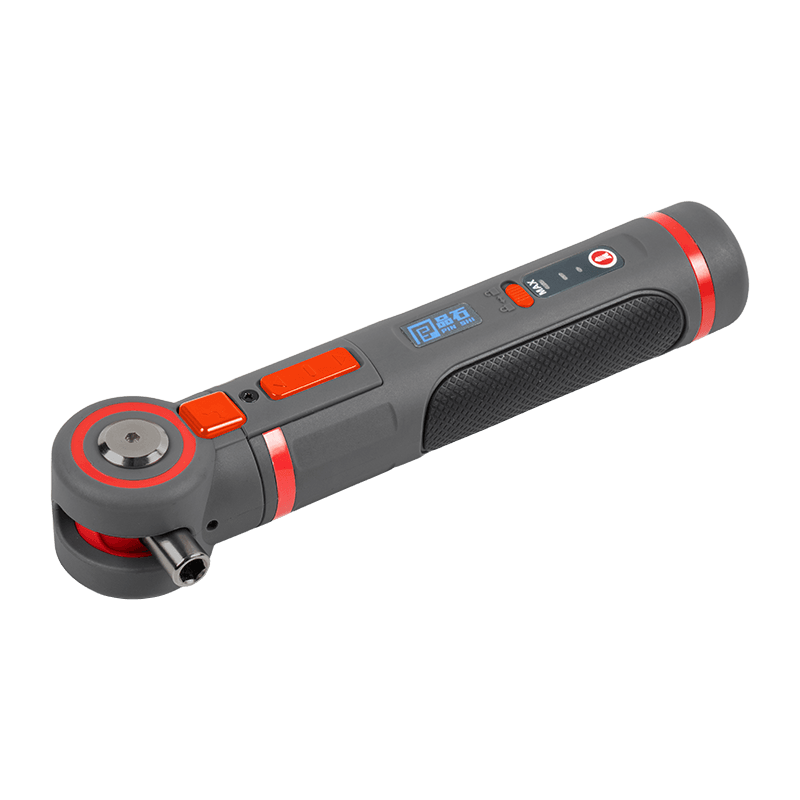
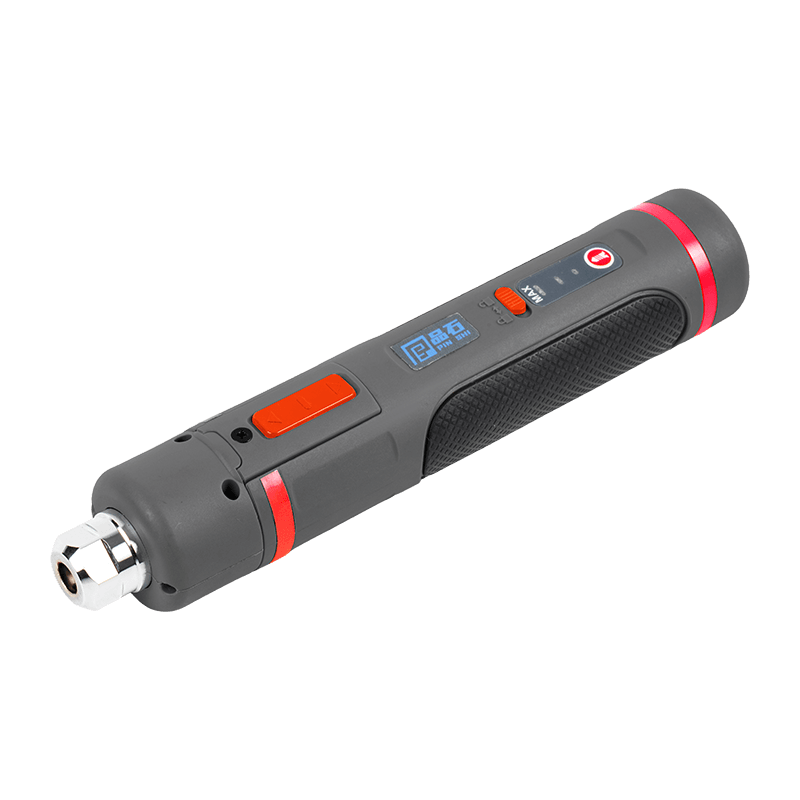
Voltage 4V (DC) Battery capacity 1.5Ah/2.0Ah Motor type Brush motor No–loading speed 320rpm Torque setting 3 Angle adjustment 0°,45,90° Max. Torque 5N.m(Elect...
See Details -
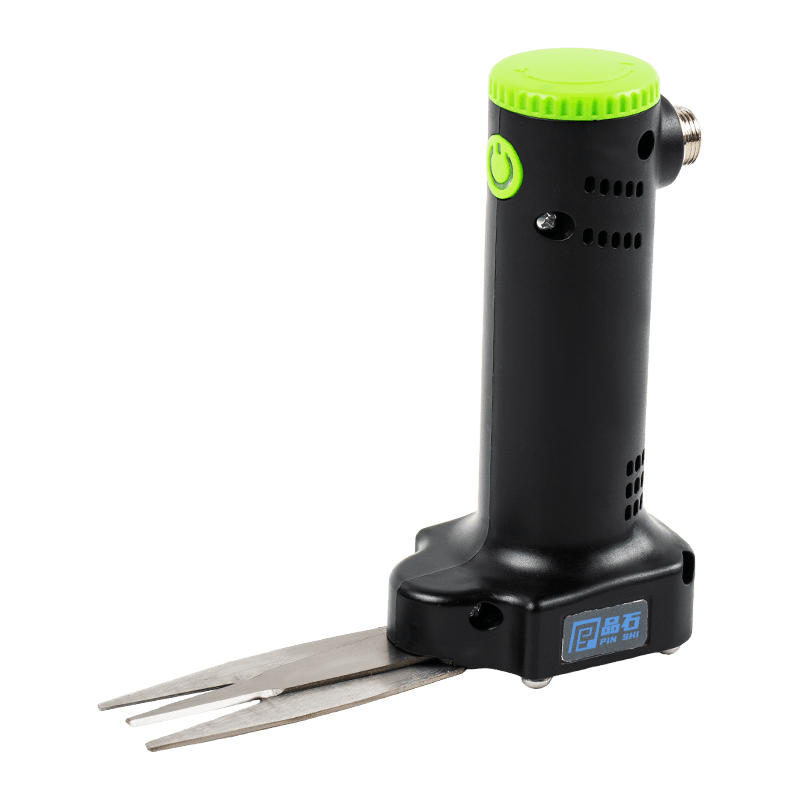
Input Voltage AC 100-240V 50-60Hz Working Voltage 24V (DC) Working Current 2A(max) Motor Type Brushless Motor No Load Speed 500 - 1350rpm Blade Material Stainless S...
See Details -
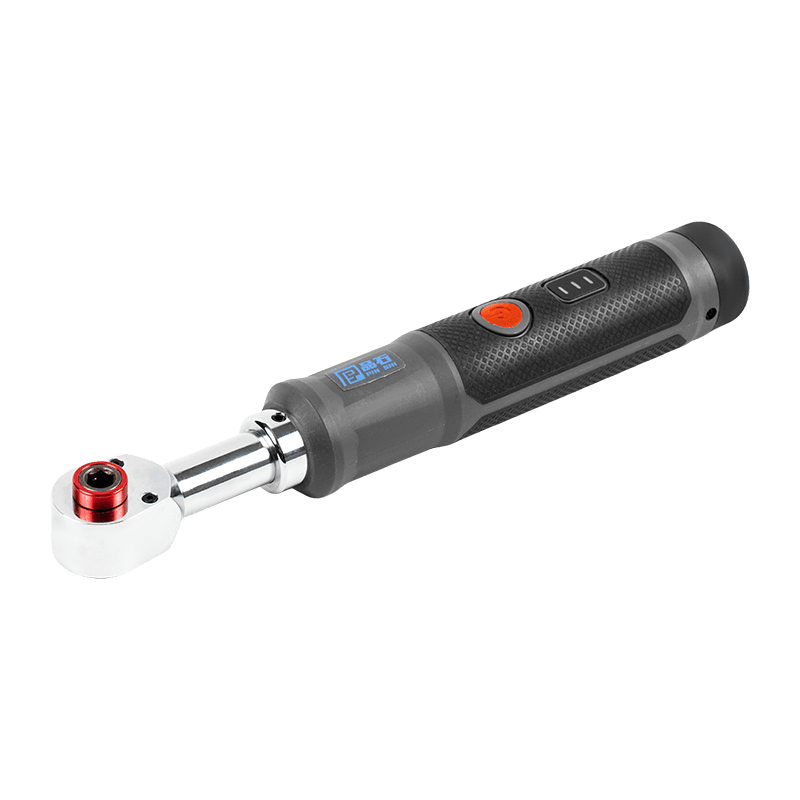
Voltage 4V (DC) Battery capacity 1.5Ah/2.0Ah Motor type Brush motor No–loading speed 380rpm Collet 1/4"Hex(6.35mm) Square drive size 1/4"(6.35mm),3/8"(9.5mm) Ma...
See Details -
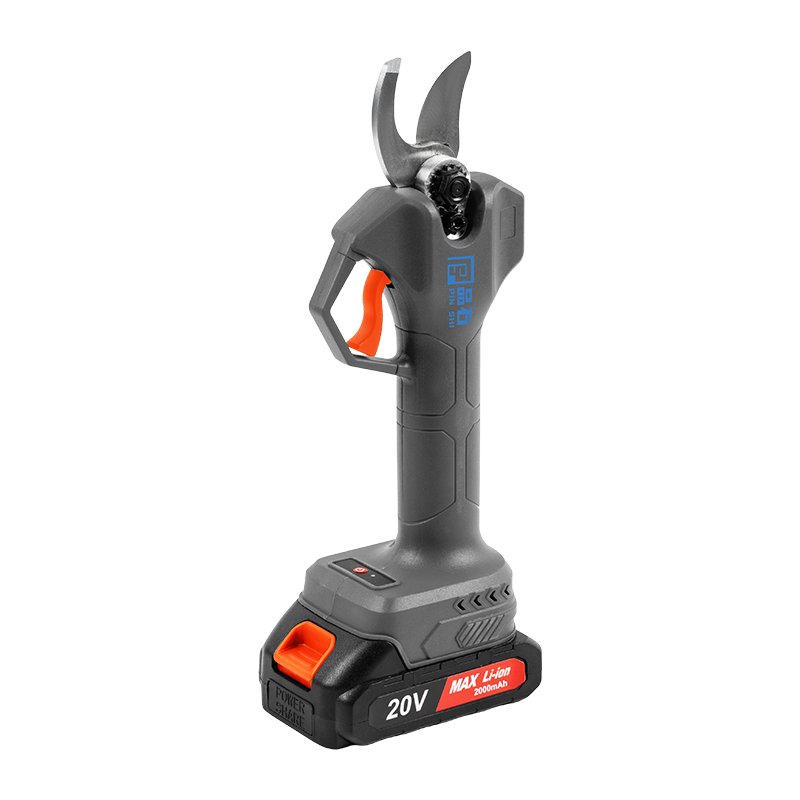
Voltage 20V (DC) Battery capacity 1.5Ah/2.0Ah/3.0Ah Motor type Brushless motor Shear diameter 25mm Charger 21V 0.5A/1.2A/2A Blade material SK5 Time of use 4-5...
See Details -
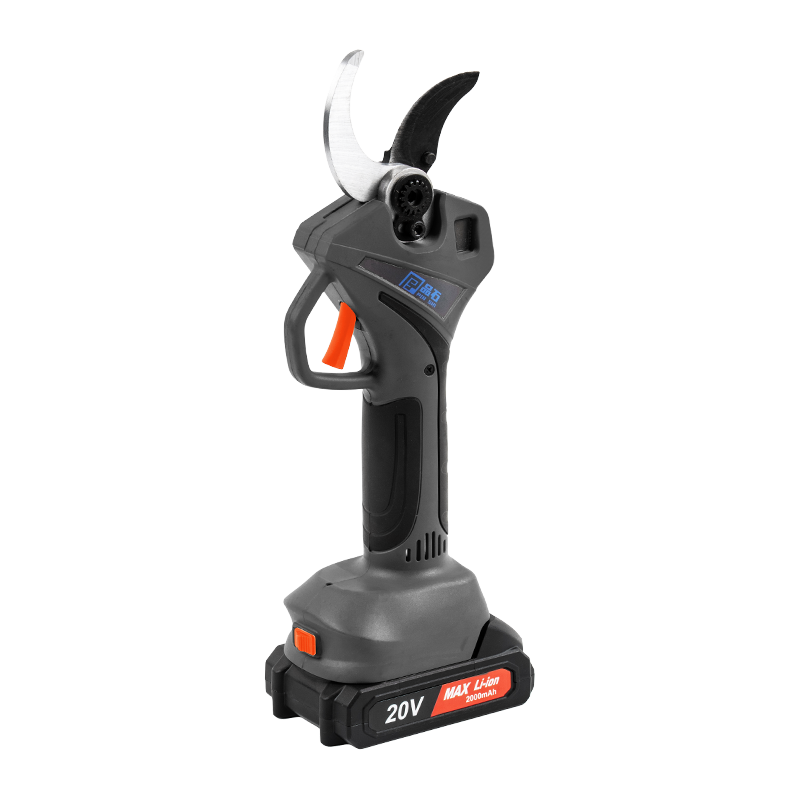
Voltage 20V (DC) Battery capacity 2.0Ah/3.0Ah/4.0Ah Motor type Brushless motor Shear diameter 40mm Charger 21V 0.5A/1.2A/2A Blade material SK5 Time of use 4-5...
See Details
Related News
-
In the rapidly evolving landscape of construction, automotive repair, and industrial assembly, one tool has consistently stood out as the backbone of ...
READ MORE -
What Exactly Is an Electric Screwdriver Today? The shifting meaning of "electric screwdriver" in modern tool ecosystems The term "electric screwdriver...
READ MORE -
Impact Wrench: Definition and Core Working Principle The Impact Wrench, often referred to in industrial circles as an air gun, air wrench, or electric...
READ MORE
-
LINK
-
product
-
Quick Contact
-
 Building 1, Floor 1, Industrial Zone, Zhongyi Village, Guolin Town, Haishu District, Ningbo City, Zhejiang Province, China
 -
 +86-13906619096
 -
 Michael@chinashimu.com
-
KEEP IN TOUCH
Copyright© Ningbo Pinshi Electromechanical Co., LTD.
