
 English
 русский
 Español
Voltage 4V (DC) Battery capacity 1.5Ah/2.0Ah Motor type Brush motor No–loading speed 320rpm Torque setting 3 Max. Torque 5N.m(Electric power) 8N.m(Manual labor) ...
See Details-
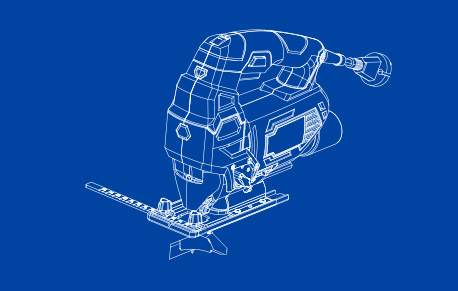
Electric Woodworking Saw
-
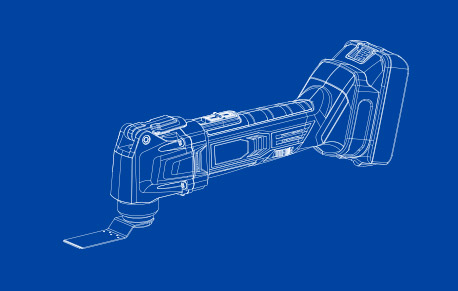
Multifunctional oscillating Saw
-
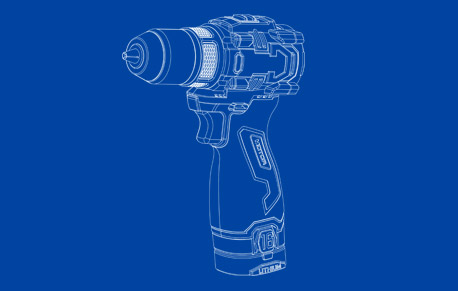
Power Drill
-
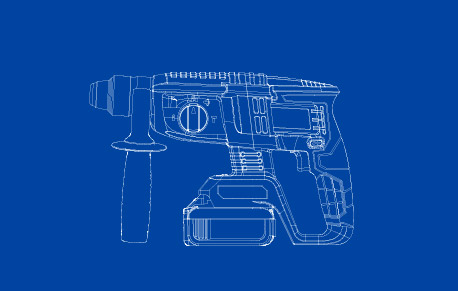
Rotary Hammer Drill
-
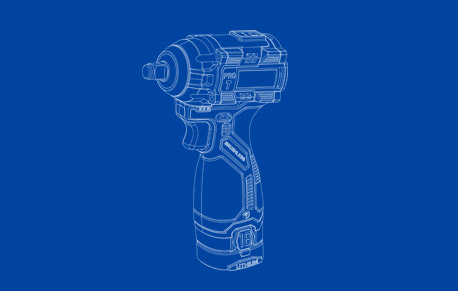
Impact Wrench
-
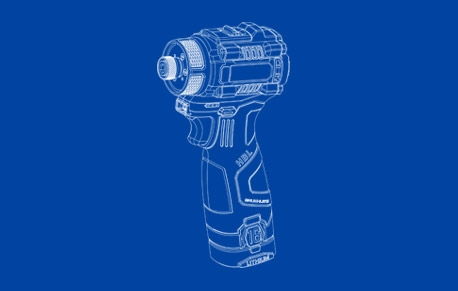
Electric Screwdriver
-
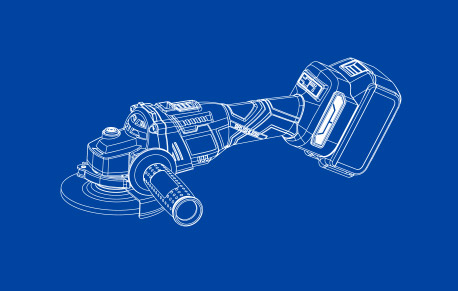
Angle Grinder
-
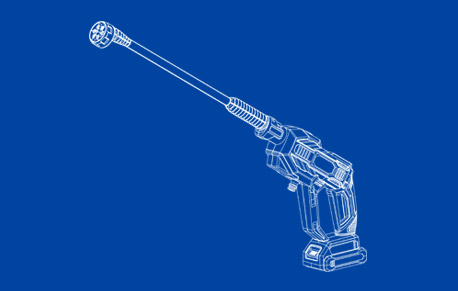
Handheld Pressure Washer
-
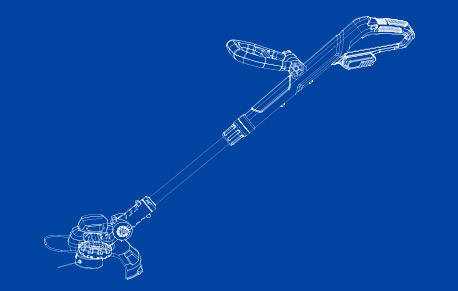
Handheld Lawn Mower
-
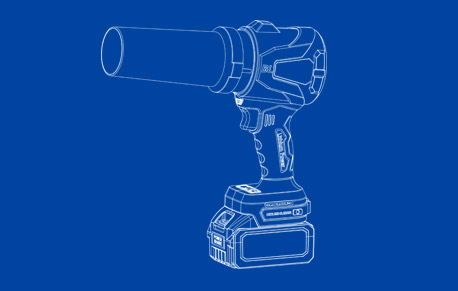
Lithium Turbo Jet Blower
-
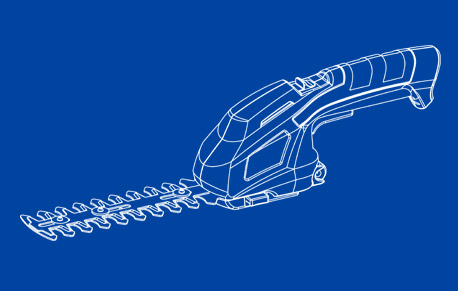
Electric Pruning Shears
-
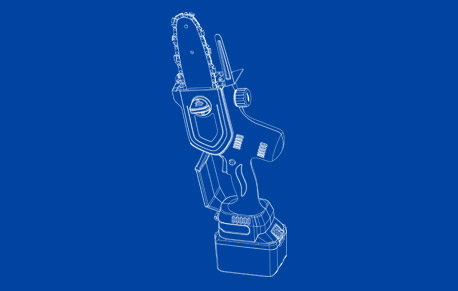
Lithium ChainSaw
-
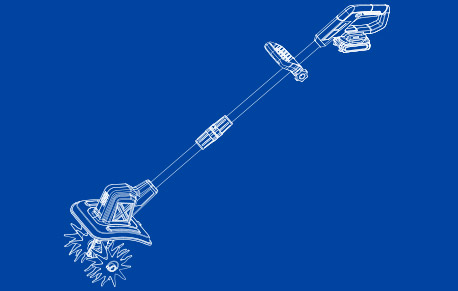
Handheld Tiller Cultivator
-
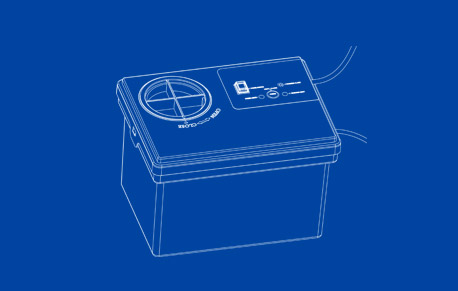
Plant Watering Devices
-
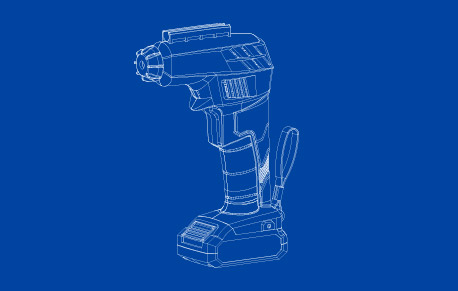
Air Pump

Author: Admin Date: 2026-04-13
How does the noise and vibration level of this Electric Screwdriver compare to industry standards?
Most consumer-grade electric screwdrivers produce noise levels between 65 dB and 80 dB and vibration values ranging from 2.5 m/s² to 6 m/s² — figures that generally fall within or slightly below recognized occupational safety thresholds. For casual DIY users, this means everyday use poses minimal risk. However, for professionals using an electric screwdriver for extended periods, understanding exactly where a specific model sits relative to industry benchmarks is critical for both comfort and long-term health.
What Industry Standards Actually Define for Power Tools
Several international bodies regulate acceptable noise and vibration exposure for power tools, including electric screwdrivers. The most widely referenced are:
- ISO 11148 – Covers hand-held, non-electric power tools and sets measurement methodology for noise and vibration.
- EN 60745 / IEC 62841 – European and international standards for hand-held motor-operated electric tools, including declared vibration emission values.
- EU Directive 2002/44/EC – Sets the daily vibration exposure action value at 2.5 m/s² and the limit value at 5.0 m/s² for an 8-hour workday.
- OSHA & NIOSH (USA) – Recommend a permissible noise exposure limit of 90 dB(A) over 8 hours, with a 5 dB exchange rate per halving of exposure time.
These standards require manufacturers to declare noise and vibration values in product documentation, enabling direct comparison between models and compliance verification.
Typical Noise Levels of an Electric Screwdriver
The operating noise of an electric screwdriver varies significantly depending on motor type, load condition, and build quality. Under no-load conditions, most models run quietly at around 60–65 dB(A). Under full load — driving a screw into hardwood or metal — noise can spike to 75–85 dB(A).
| Tool Type | Typical Noise Level (dB A) | Industry Limit (8hr) |
|---|---|---|
| Compact Electric Screwdriver | 63–72 | 90 (OSHA) / 85 (NIOSH recommended) |
| Mid-Range Electric Screwdriver | 72–80 | 90 (OSHA) / 85 (NIOSH recommended) |
| Heavy-Duty Electric Screwdriver | 78–85 | 90 (OSHA) / 85 (NIOSH recommended) |
| Impact Electric Screwdriver | 85–95 | 90 (OSHA) / 85 (NIOSH recommended) |
Standard cordless electric screwdrivers comfortably stay below the 90 dB(A) OSHA limit. However, impact-type electric screwdrivers can breach the 85 dB(A) NIOSH recommended threshold, making hearing protection advisable for prolonged professional use.
Vibration Emissions: What the Numbers Mean for Your Hands
Vibration is measured as an acceleration value in meters per second squared (m/s²), assessed at the tool handle. For an electric screwdriver, declared vibration values typically fall in the following ranges:
- Precision / lightweight models: 1.5 – 2.5 m/s²
- Standard cordless models: 2.5 – 4.0 m/s²
- High-torque or impact models: 4.0 – 8.0 m/s²
The EU's action value of 2.5 m/s² does not mean the tool is dangerous above this point — it means employers are legally required to implement health surveillance and protective measures once this threshold is regularly exceeded during an 8-hour shift. The hard limit of 5.0 m/s² should not be exceeded for a full workday without engineering controls.
For example, if a user operates a mid-range electric screwdriver with a declared vibration of 3.5 m/s² for 4 hours per day, their daily vibration exposure (A(8)) calculates to approximately 2.47 m/s² — just under the action value. Increasing usage to 6 hours would push the exposure to approximately 3.03 m/s², exceeding the action level and requiring mitigation.
Health Risks of Excessive Noise and Vibration Exposure
Understanding the risks helps users make informed decisions about how they use their electric screwdriver over time.
Noise-Related Risks
Prolonged exposure to noise above 85 dB(A) can cause noise-induced hearing loss (NIHL), which is permanent and cumulative. Even a daily 2-hour session with an electric screwdriver operating at 85 dB(A) contributes meaningfully to hearing damage over years of use.
Vibration-Related Risks
Chronic exposure to hand-arm vibration (HAV) from tools like an electric screwdriver can lead to Hand-Arm Vibration Syndrome (HAVS), which includes symptoms such as tingling fingers, whitening of fingertips (Raynaud's phenomenon), reduced grip strength, and permanent nerve damage. According to the UK Health and Safety Executive (HSE), HAVS affects an estimated 2 million workers in the UK alone.
How Leading Electric Screwdriver Brands Perform
Top manufacturers publish vibration and noise data in their product manuals. Here is a general comparison based on commonly declared values across popular electric screwdriver models:
| Brand / Model Category | Declared Vibration (m/s²) | Sound Pressure Level (dB A) | Compliance Status |
|---|---|---|---|
| Bosch (Compact Series) | ~1.7 | ~62 | Below Action Value |
| Makita (Standard Cordless) | ~2.9 | ~71 | Above Action Value |
| DeWalt (Mid-Range) | ~3.4 | ~76 | Above Action Value |
| Generic Impact Driver | ~6.0–8.0 | ~88–95 | May Exceed Limit Value |
Practical Tips to Reduce Noise and Vibration When Using an Electric Screwdriver
Regardless of the model you own, there are actionable steps to minimise exposure risks:
- Use the lowest effective torque setting — Higher torque settings increase both vibration output and noise. Match the torque to the task.
- Pre-drill pilot holes — Reduces resistance during driving, lowering vibration feedback significantly.
- Use anti-vibration gloves — These can reduce transmitted vibration by 10–30% depending on frequency range.
- Take regular breaks — Limiting continuous use to under 10 minutes at a time significantly reduces cumulative vibration dose.
- Maintain your electric screwdriver regularly — Worn bits, loose chucks, or degraded motor brushes all increase vibration beyond the declared value.
- Wear hearing protection above 80 dB(A) — Foam earplugs provide 20–30 dB attenuation and are inexpensive insurance for professional users.
What to Look for When Buying a Low-Noise, Low-Vibration Electric Screwdriver
When evaluating an electric screwdriver purchase with noise and vibration in mind, prioritise the following:
- Check the declared vibration value (ah) in the product manual — any compliant product sold in the EU must provide this under EN 62841.
- Look for brushless motor technology — Brushless electric screwdrivers run quieter and with less vibration than brushed equivalents, typically 15–25% lower noise output.
- Choose models with soft-start features — Gradual acceleration reduces initial vibration spike when the trigger is pressed.
- Prefer rubber-overmoulded handles — These dampen high-frequency vibrations before they reach the user's hand.
- Avoid no-name impact-type electric screwdrivers — These rarely provide declared values and frequently exceed the 5.0 m/s² EU vibration limit.
The quality electric screwdriver from a reputable brand will comfortably meet industry noise and vibration standards for casual to moderate professional use. The critical factor is daily exposure duration — even a compliant tool becomes a health risk when used intensively for 6–8 hours without protective measures. Always consult the product's technical datasheet, calculate your daily vibration dose using a tool like the HSE's HAV calculator, and implement appropriate controls before discomfort becomes damage.

-
Feedback
Related Products
-
-
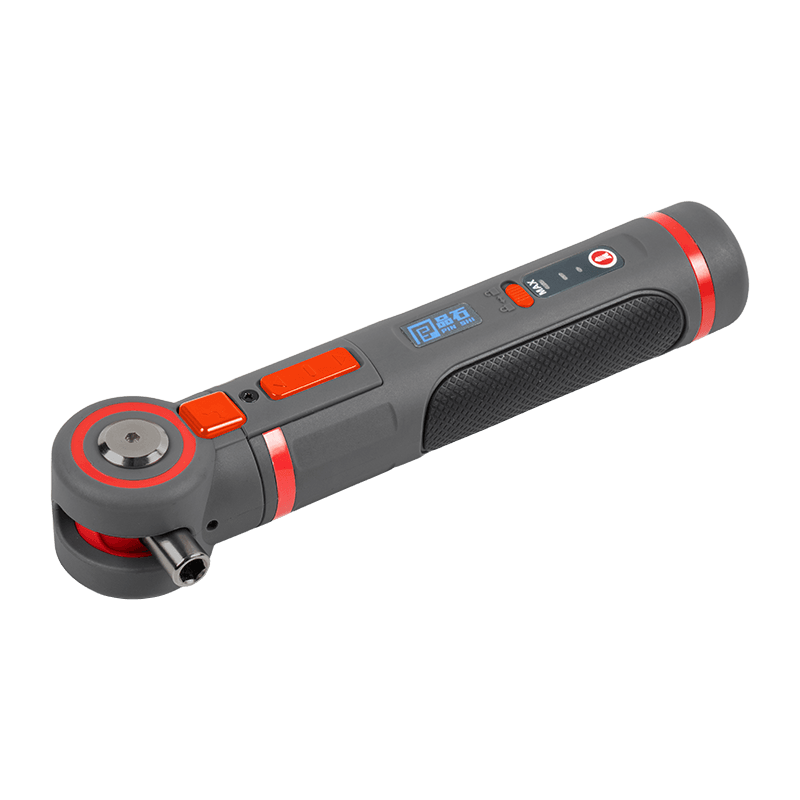
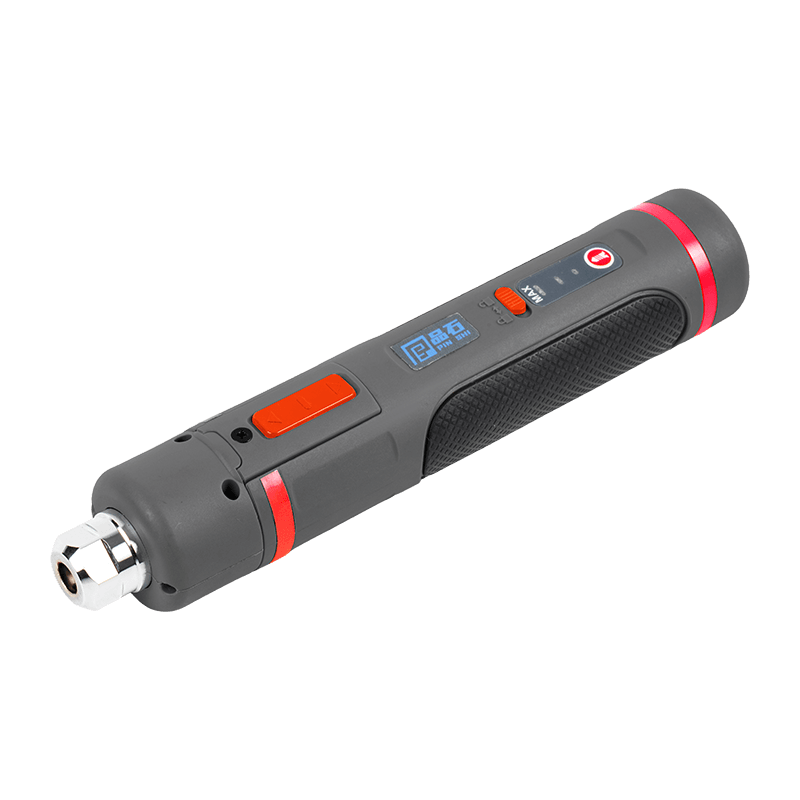
Voltage 4V (DC) Battery capacity 1.5Ah/2.0Ah Motor type Brush motor No–loading speed 320rpm Torque setting 3 Angle adjustment 0°,45,90° Max. Torque 5N.m(Elect...
See Details -
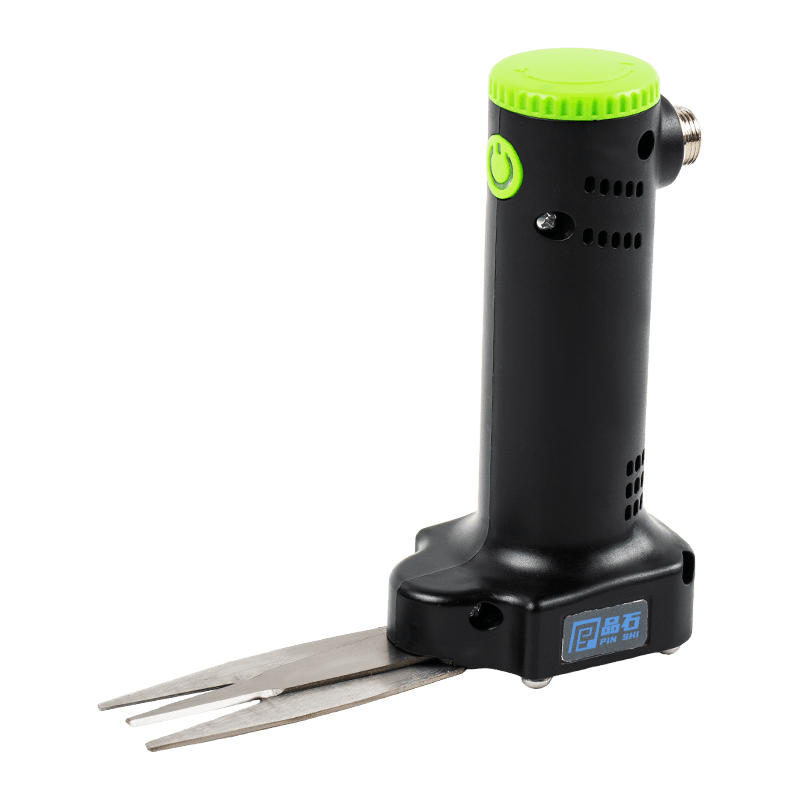
Input Voltage AC 100-240V 50-60Hz Working Voltage 24V (DC) Working Current 2A(max) Motor Type Brushless Motor No Load Speed 500 - 1350rpm Blade Material Stainless S...
See Details -
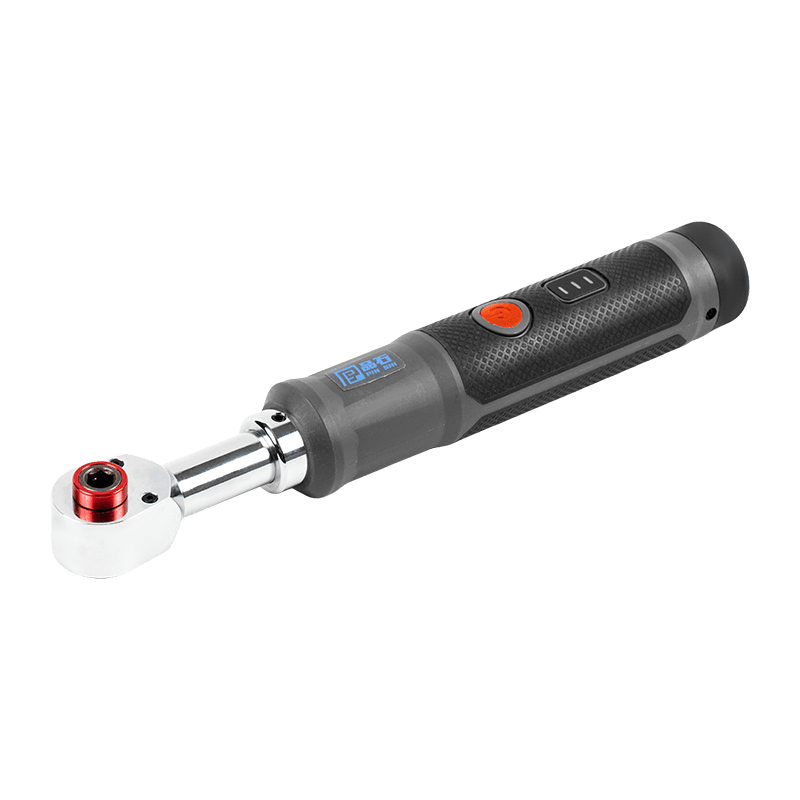
Voltage 4V (DC) Battery capacity 1.5Ah/2.0Ah Motor type Brush motor No–loading speed 380rpm Collet 1/4"Hex(6.35mm) Square drive size 1/4"(6.35mm),3/8"(9.5mm) Ma...
See Details -
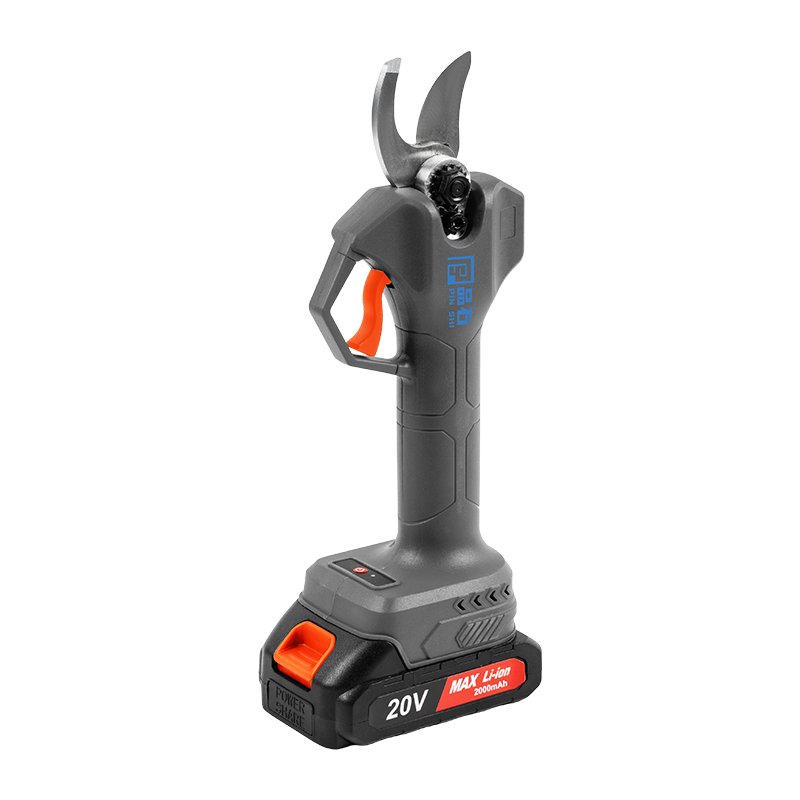
Voltage 20V (DC) Battery capacity 1.5Ah/2.0Ah/3.0Ah Motor type Brushless motor Shear diameter 25mm Charger 21V 0.5A/1.2A/2A Blade material SK5 Time of use 4-5...
See Details -
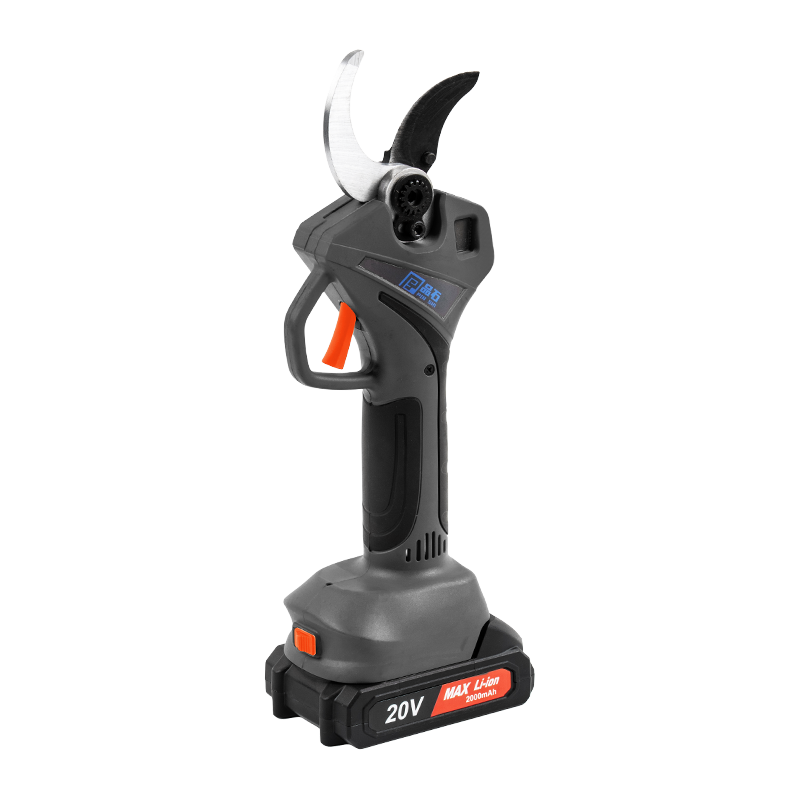
Voltage 20V (DC) Battery capacity 2.0Ah/3.0Ah/4.0Ah Motor type Brushless motor Shear diameter 40mm Charger 21V 0.5A/1.2A/2A Blade material SK5 Time of use 4-5...
See Details
Related News
-
In the rapidly evolving landscape of construction, automotive repair, and industrial assembly, one tool has consistently stood out as the backbone of ...
READ MORE -
What Exactly Is an Electric Screwdriver Today? The shifting meaning of "electric screwdriver" in modern tool ecosystems The term "electric screwdriver...
READ MORE -
Impact Wrench: Definition and Core Working Principle The Impact Wrench, often referred to in industrial circles as an air gun, air wrench, or electric...
READ MORE
-
LINK
-
product
-
Quick Contact
-
 Building 1, Floor 1, Industrial Zone, Zhongyi Village, Guolin Town, Haishu District, Ningbo City, Zhejiang Province, China
 -
 +86-13906619096
 -
 Michael@chinashimu.com
-
KEEP IN TOUCH
Copyright© Ningbo Pinshi Electromechanical Co., LTD.
