
 English
 русский
 Español
Input Voltage AC 100-240V 50-60Hz Working Voltage 24V (DC) Working Current 2A(max) Motor Type Brushless Motor No Load Speed 500 - 1350rpm Blade Material Stainless S...
See Details-
Electric Woodworking Saw
-
Multifunctional oscillating Saw
-
Power Drill
-
Rotary Hammer Drill
-
Impact Wrench
-
Electric Screwdriver
-
Angle Grinder
-
Handheld Pressure Washer
-
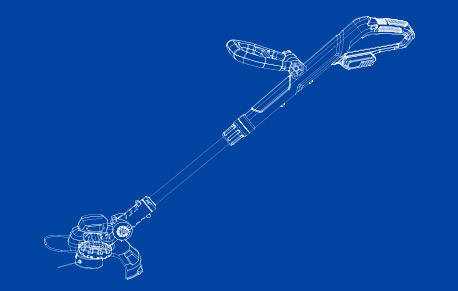
Handheld Lawn Mower
-
Lithium Turbo Jet Blower
-
Electric Pruning Shears
-
Lithium ChainSaw
-
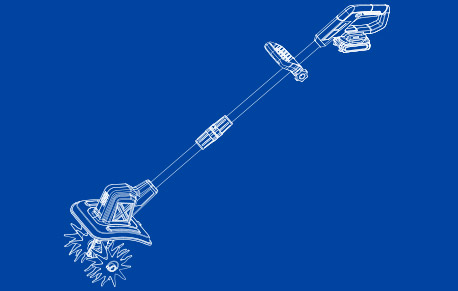
Handheld Tiller Cultivator
-
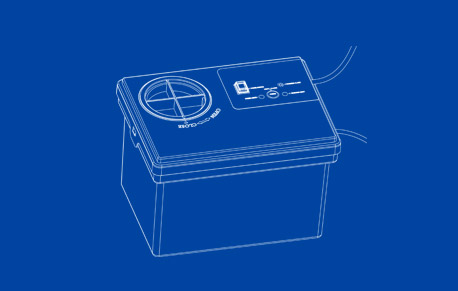
Plant Watering Devices
-
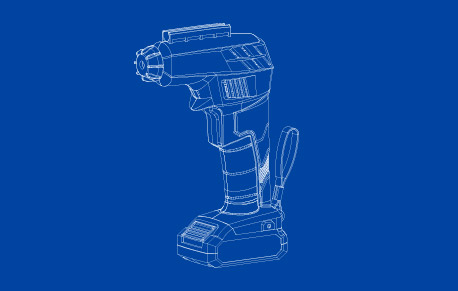
Air Pump

Author: Admin Date: 2026-04-08
Is this Handheld Lawn Mower designed to handle uneven terrain and slopes?
Most handheld lawn mowers are designed to handle moderate uneven terrain and gentle slopes, but their effectiveness depends heavily on motor power, blade type, weight, and grip design. For slopes up to 20°(approximately 36% gradient), a well-built handheld lawn mower can perform reliably. Beyond that threshold, performance drops and safety risks rise significantly. If your lawn features rolling hills, ditches, or embankments, understanding your handheld lawn mower's slope rating and terrain capabilities is essential before purchase.
What "Uneven Terrain" Actually Means for a Handheld Lawn Mower
Not all uneven terrain is equal. A handheld lawn mower may glide effortlessly over a slightly bumpy suburban lawn but struggle on a rocky hillside with exposed roots. For clarity, uneven terrain typically falls into these categories:
- Gentle undulations: Small dips and bumps under 5 cm in height — most handheld lawn mowers handle these without issue.
- Moderate slopes (10°–20°): Requires a handheld lawn mower with a firm grip handle, stable body weight, and sufficient motor torque.
- Steep inclines (above 20°): Risky for most handheld lawn mower models; loss of control and motor strain become serious concerns.
- Obstacle-heavy terrain: Roots, stones, and thick patches require a blade guard and auto-stop feature to prevent damage.
Knowing which category your lawn falls into will help you select the right handheld lawn mower specifications and avoid premature blade or motor wear.
Key Features That Determine Slope Performance
When evaluating whether a handheld lawn mower can handle slopes, five core features matter most:
Motor Power and Torque
A handheld lawn mower used on slopes requires more torque to push through thick, gravity-resistant grass. Models with a motor output of at least 500W (or 36V battery systems) typically deliver sufficient torque for inclines up to 15°–20°. Underpowered models rated below 250W often bog down on slopes steeper than 10°, reducing cut quality and straining the battery.
Handle Ergonomics and Anti-Slip Grip
On sloped surfaces, operator control is everything. The best handheld lawn mower designs for terrain use feature rubberized anti-slip grips, adjustable handle angles (typically 0°–30° tilt range), and a balanced weight distribution that prevents the tool from pulling downhill. A poorly balanced handheld lawn mower can cause wrist strain and inaccurate cutting lines on uneven ground.
Blade Type and Guard Design
On uneven terrain, a handheld lawn mower blade is more likely to contact soil, stones, or roots. Models with hardened steel blades and a robust blade guard reduce the risk of damage. Some premium handheld lawn mower models include an automatic blade-stop feature that halts rotation within 3 seconds of releasing the trigger — a critical safety element on slopes where stumbling is a real risk.
Weight and Center of Gravity
The lighter the handheld lawn mower, the easier it is to control on slopes. Most high-performance handheld lawn mowers weigh between 2.5 kg and 4.5 kg. Units above 5 kg become difficult to maneuver laterally on inclines. Some models use aluminum alloy housings to reduce weight without sacrificing durability — an important consideration for slope mowing sessions that may exceed 30 minutes.
Battery Runtime and Heat Management
Slope mowing demands more energy. A handheld lawn mower that offers 30–45 minutes of runtime on flat ground may only deliver 18–25 minutes on a 15° slope due to increased motor load. Look for models with thermal overload protection to prevent motor shutdown mid-job, and consider a dual-battery system if your lawn has extensive sloped areas.
Slope Performance Comparison: Handheld Lawn Mower Specifications
The table below compares typical handheld lawn mower configurations based on their suitability for different slope grades:
| Slope Angle | Recommended Motor Power | Ideal Weight | Battery Voltage | Suitability |
|---|---|---|---|---|
| 0°–10° | 250W+ | Up to 5 kg | 18V–20V | Excellent |
| 10°–15° | 400W+ | Under 4 kg | 24V–36V | Good |
| 15°–20° | 500W+ | Under 3.5 kg | 36V+ | Moderate |
| Above 20° | Not recommended | N/A | N/A | Unsafe |
Safety Guidelines When Using a Handheld Lawn Mower on Slopes
Using a handheld lawn mower on slopes introduces risks that flat-terrain users never encounter. Follow these best practices to stay safe and extend your tool's lifespan:
- Always mow across the slope, not up and down — lateral movement reduces the chance of slipping and gives you more control over the handheld lawn mower's cutting path.
- Wear non-slip footwear with ankle support to maintain stable footing, especially on wet grass where a handheld lawn mower's vibration can destabilize your stance.
- Clear debris before starting — stones, sticks, and roots are far more dangerous on slopes because a handheld lawn mower moving downhill has more momentum behind any projectile.
- Never exceed your handheld lawn mower's rated slope capacity — consult the user manual for the manufacturer's maximum incline specification, which is legally stated for liability reasons.
- Take breaks every 15–20 minutes on slopes to allow the motor to cool and reduce hand-arm vibration fatigue risk over extended sessions.
When a Handheld Lawn Mower Is Not Enough for Your Terrain
A handheld lawn mower is an excellent tool for most residential terrain, but there are scenarios where upgrading is the wiser investment. If your lawn features:
- Consistent slopes above 20° across a large area (over 200 m²)
- Dense, overgrown grass taller than 25 cm combined with uneven ground
- Frequent wet conditions that make slope mowing with any handheld lawn mower hazardous
…then a self-propelled wheeled mower or a brushcutter with a harness strap may be more appropriate. These tools distribute weight differently and give the operator mechanical assistance on inclines where a handheld lawn mower would be inefficient or unsafe. That said, for the majority of home lawns with moderate slopes and general irregularities, a high-quality handheld lawn mower remains the most versatile, cost-effective, and easy-to-store solution available.
Final Verdict: Choosing the Right Handheld Lawn Mower for Your Terrain
The right handheld lawn mower for uneven terrain isn't simply the most powerful one — it's the one that best balances motor output, lightweight design, ergonomic control, and safety features specific to your slope type. For slopes up to 15°, a 36V handheld lawn mower weighing under 4 kg with anti-slip grip and blade-stop protection is the optimal choice for most homeowners. For steeper or more complex terrain, consider whether additional equipment or a different tool category better suits the job.
Always verify the slope rating in your specific handheld lawn mower's product manual, as manufacturer guidelines are calibrated to real-world testing conditions — and following them protects both your safety and your warranty coverage.

-
Feedback
Related Products
-
-
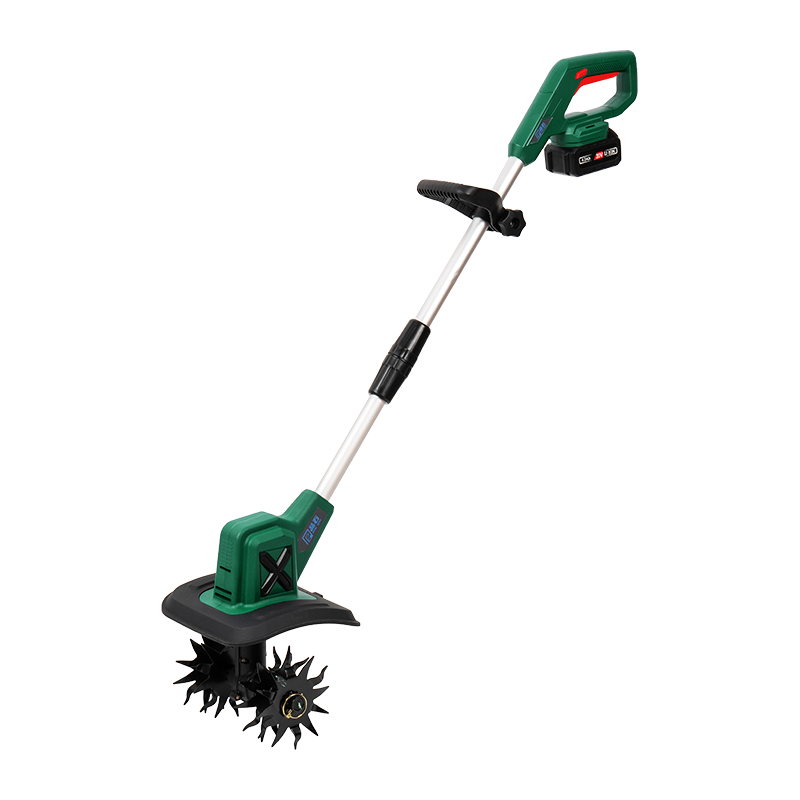
Voltage 20V (DC) Battery capacity 2.0Ah/3.0Ah/4.0Ah Motor type Brush motor No-loading speed 300rpm Ploughing width 8.6"(220mm) Tilling depth 6.3"(160mm) Fold...
See Details -
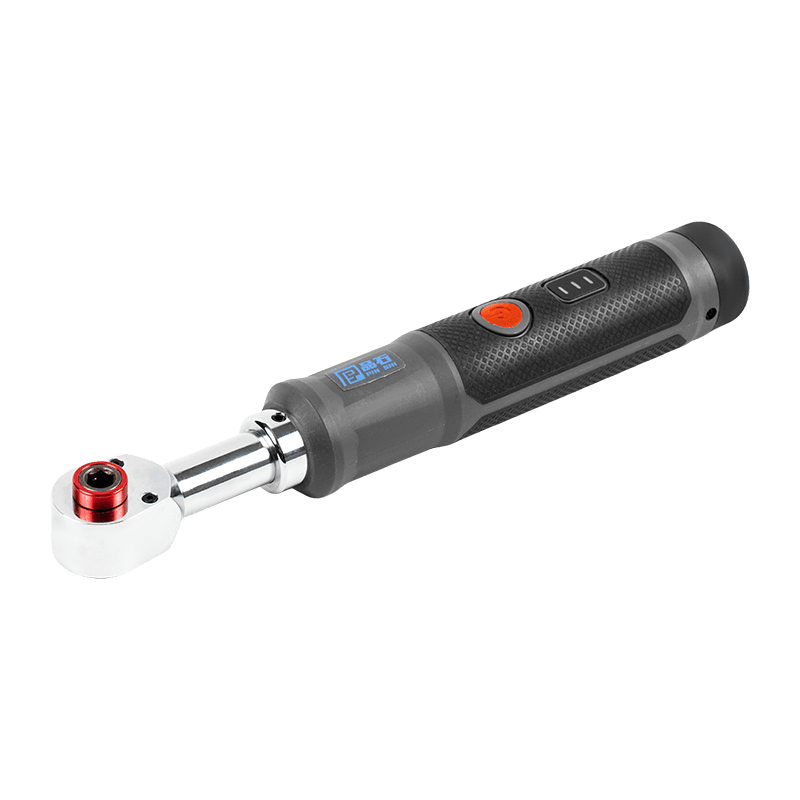
Voltage 4V (DC) Battery capacity 1.5Ah/2.0Ah Motor type Brush motor No–loading speed 380rpm Collet 1/4"Hex(6.35mm) Square drive size 1/4"(6.35mm),3/8"(9.5mm) Ma...
See Details -
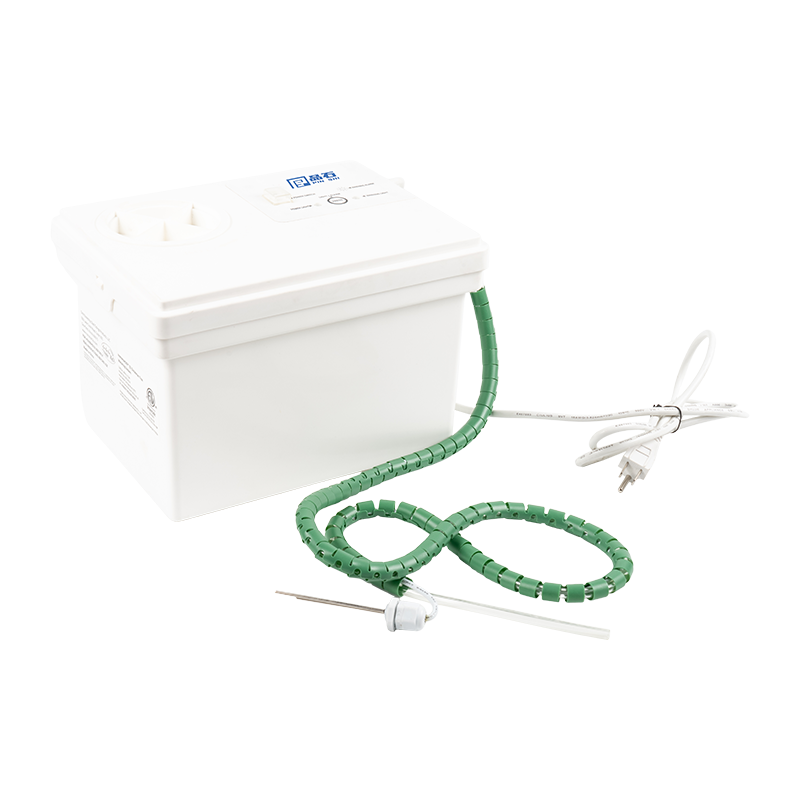
Voltage AC 110-120V 220-240V 60Hz/50Hz Power 4.5W Water Tank Capacity 2.5 gallons Pump Flow Rate 1.5GPM(high speed) Pump Head ≧36.6 inches(0.93cm) Weight 1.7...
See Details -
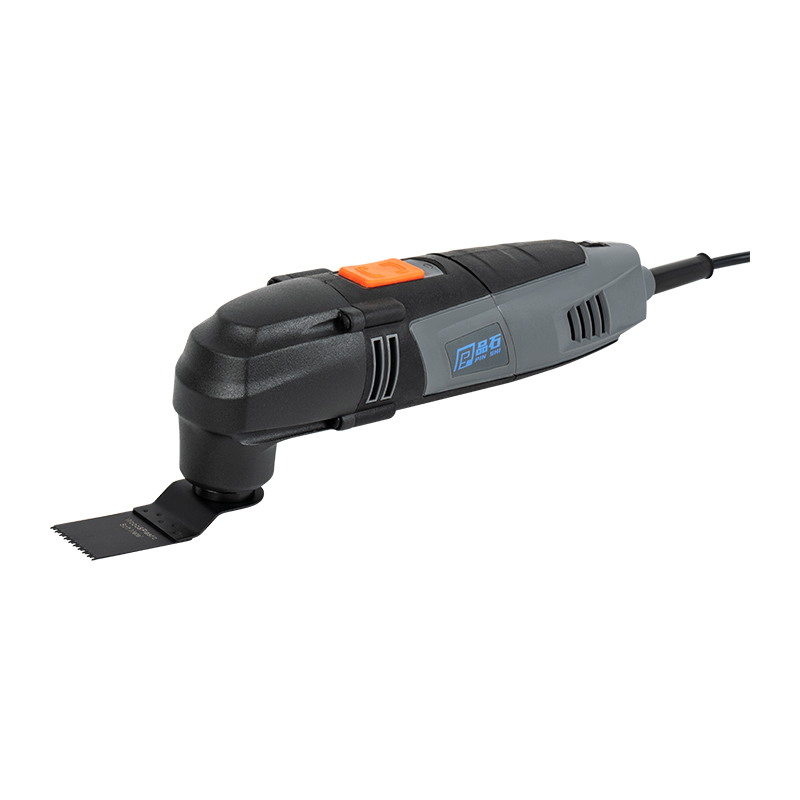
Input voltage 230V/120V Mains frequency 50Hz/60Hz Input power 220W Oscillations 15,000 - 23,000 OPM Oscillations angle 3.2 degree Cable length 2m Blade lo...
See Details -
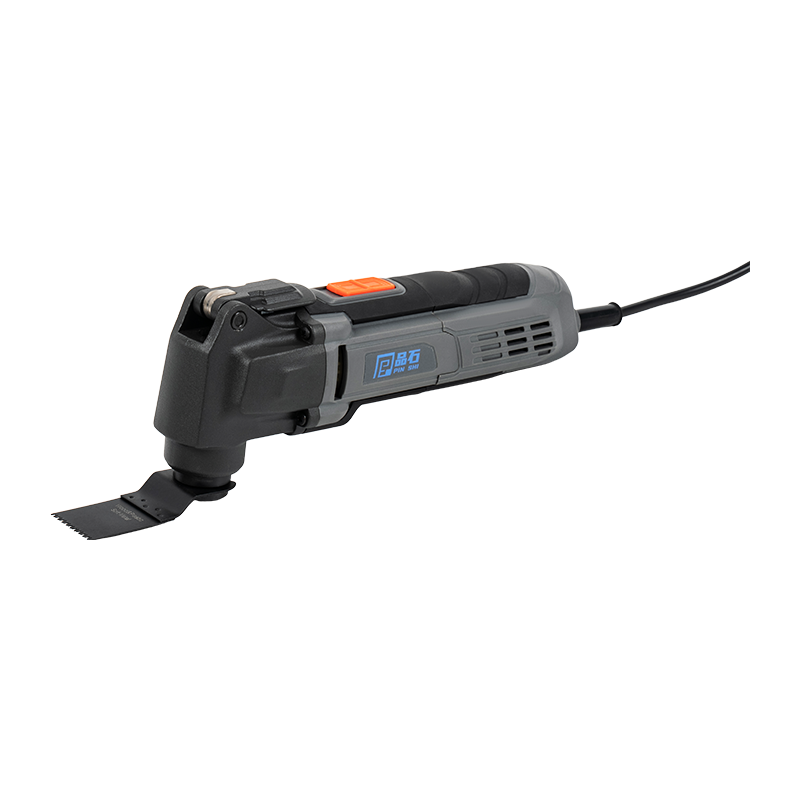
Input voltage 230V/120V Mains frequency 50Hz/60Hz Input power 300W Oscillations 15,000 - 23,000 OPM Oscillations angle 3.2 degree Cable length 2m Tool cha...
See Details
Related News
-
In the rapidly evolving landscape of construction, automotive repair, and industrial assembly, one tool has consistently stood out as the backbone of ...
READ MORE -
What Exactly Is an Electric Screwdriver Today? The shifting meaning of "electric screwdriver" in modern tool ecosystems The term "electric screwdriver...
READ MORE -
Impact Wrench: Definition and Core Working Principle The Impact Wrench, often referred to in industrial circles as an air gun, air wrench, or electric...
READ MORE
-
LINK
-
product
-
Quick Contact
-
 Building 1, Floor 1, Industrial Zone, Zhongyi Village, Guolin Town, Haishu District, Ningbo City, Zhejiang Province, China
 -
 +86-13906619096
 -
 Michael@chinashimu.com
-
KEEP IN TOUCH
Copyright© Ningbo Pinshi Electromechanical Co., LTD.
