
 English
 русский
 Español
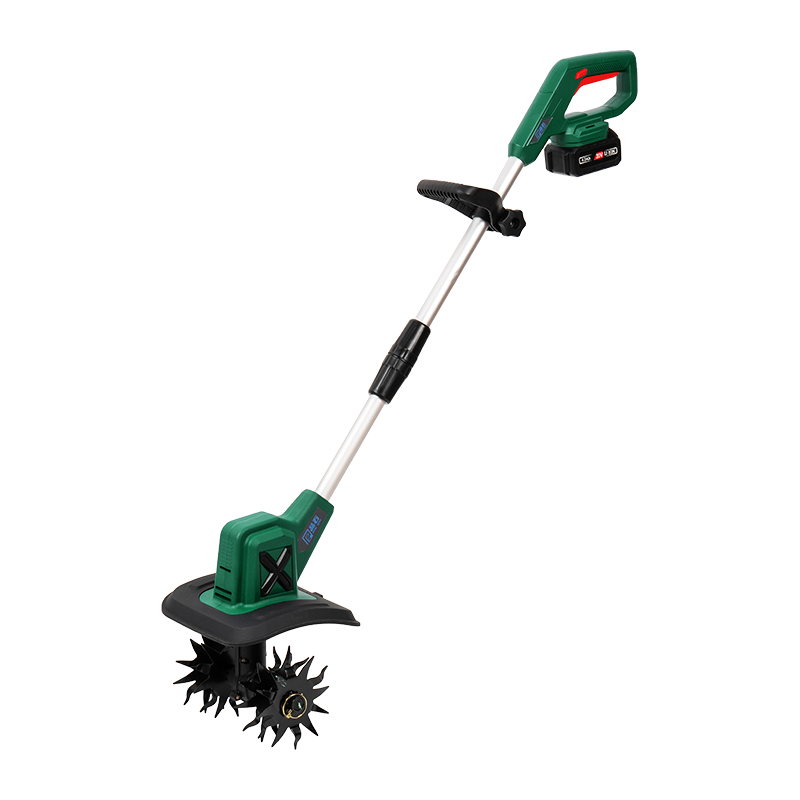
Voltage 20V (DC) Battery capacity 2.0Ah/3.0Ah/4.0Ah Motor type Brush motor No-loading speed 300rpm Ploughing width 8.6"(220mm) Tilling depth 6.3"(160mm) Fold...
See Details-
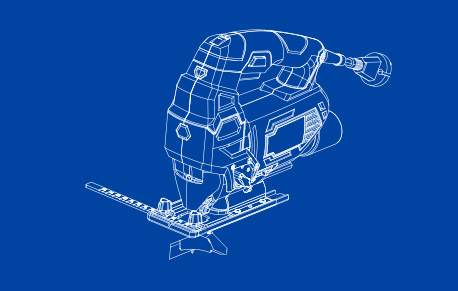
Electric Woodworking Saw
-
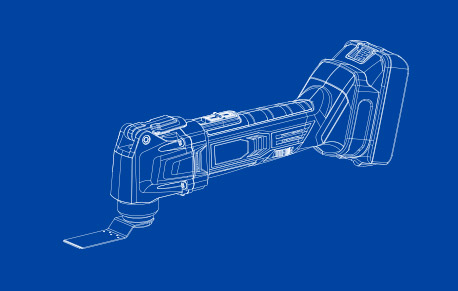
Multifunctional oscillating Saw
-
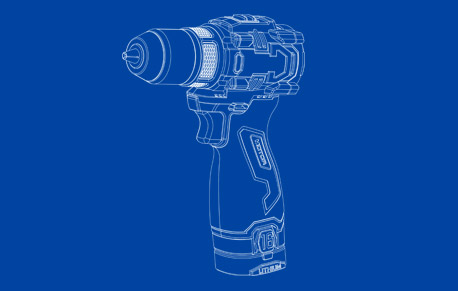
Power Drill
-
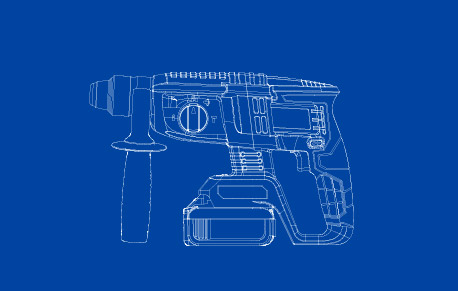
Rotary Hammer Drill
-
Impact Wrench
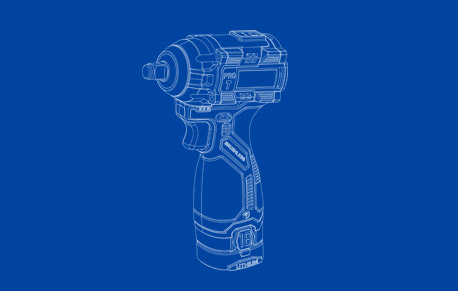
-
Electric Screwdriver
-
Angle Grinder

-
Handheld Pressure Washer
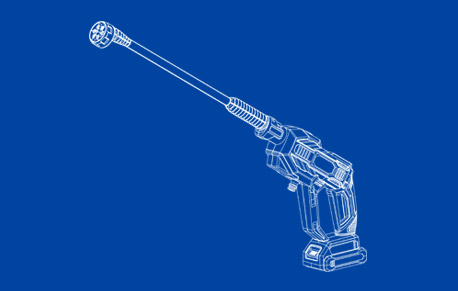
-
Handheld Lawn Mower

-
Lithium Turbo Jet Blower

-
Electric Pruning Shears
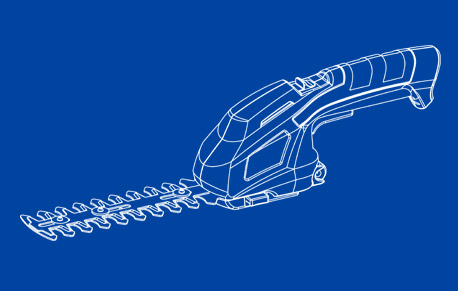
-
Lithium ChainSaw

-
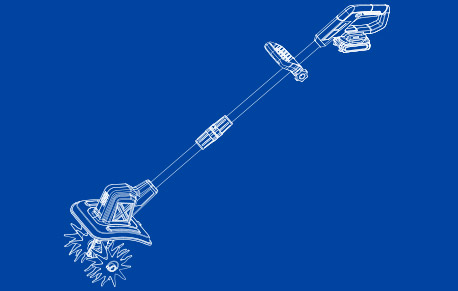
Handheld Tiller Cultivator
-
Plant Watering Devices
-
Air Pump

Author: Admin Date: 2026-04-01
How to maintain a specific type of Handheld Lawn mower?
Maintaining a handheld lawn mower is not optional — it is the single most important factor in determining how long your machine lasts and how well it performs. A properly maintained handheld lawn mower can last 5 to 10 years, while a neglected one may fail within 2 seasons. The core maintenance routine includes regular blade sharpening, cleaning after every use, battery or fuel system care, and proper seasonal storage. Whether you own a cordless electric, corded, or petrol-powered handheld lawn mower, the fundamentals remain consistent.
Why Regular Maintenance of Your Handheld Lawn Mower Matters
Many users underestimate how quickly performance degrades without routine upkeep. A dull or dirty blade forces the motor to work harder, increasing energy consumption by up to 30% and shortening motor life significantly. Grass clippings left inside the cutting chamber can trap moisture, accelerating rust formation on metal components. According to industry maintenance data, over 60% of handheld lawn mower repairs are caused by issues that could have been prevented with basic cleaning and blade care.
Consistent maintenance also ensures that your handheld lawn mower delivers a clean, even cut every time — protecting your lawn from torn grass blades that leave it vulnerable to disease and discoloration.
Blade Maintenance: Sharpening and Replacement
The blade is the most critical component of any handheld lawn mower. A sharp blade cuts grass cleanly, while a dull one tears it, leaving ragged edges that turn yellow within 24–48 hours. Much like pruning clippers used for trimming shrubs and hedges, a handheld lawn mower blade must be kept sharp to deliver precise, clean cuts without stressing the plant material. As a general rule, sharpen the blade every 20 to 25 hours of use, or at the start of every mowing season.
How to Sharpen the Blade Safely
- Disconnect the battery or unplug the handheld lawn mower before any blade work.
- Use a flat metal file or rotary sharpening tool at a 45-degree angle along the cutting edge.
- Sharpen in one direction only — never back and forth — to preserve the edge.
- Check the blade balance using a blade balancer or nail. An unbalanced blade causes vibration that can damage the motor shaft.
- Replace the blade entirely if it shows cracks, deep nicks, or has been sharpened more than 5 times.
Replacement blades for most handheld lawn mower models cost between $8 and $25, making replacement far more economical than motor repairs caused by blade vibration.
Cleaning Your Handheld Lawn Mower After Every Use
Cleaning is the fastest and most impactful maintenance habit you can build. Grass clippings are surprisingly corrosive — they contain moisture and organic acids that degrade metal surfaces and clog airflow vents over time.
Step-by-Step Cleaning Routine
- Always power off and disconnect the energy source before cleaning.
- Use a dry brush or compressed air to remove clippings from the cutting deck and blade housing.
- Wipe all exterior plastic and rubber surfaces with a damp cloth — never submerge the handheld lawn mower in water.
- Clear all ventilation slots with a small brush to prevent motor overheating.
- Apply a thin coat of lightweight machine oil to exposed metal parts to prevent rust, especially in humid climates.
This process takes less than 5 minutes but can add years to the lifespan of your handheld lawn mower. Think of it the same way you would clean plant snippers after deadheading flowers — residue left on the blades accelerates corrosion and dulls the cutting edge far sooner than normal wear would.
Battery Care for Cordless Handheld Lawn Mowers
For cordless models, the battery is often the most expensive component to replace — with lithium-ion packs ranging from $40 to $120 depending on voltage and brand. Proper battery care is therefore directly tied to the overall cost of ownership.
Best Practices for Battery Longevity
- Avoid full discharge: Lithium-ion batteries degrade faster when regularly drained to 0%. Try to recharge when the handheld lawn mower shows low-power indicators.
- Do not overcharge: Remove the battery from the charger once it reaches 100% to prevent cell stress.
- Store at 40–60% charge during off-season periods to preserve cell chemistry.
- Keep batteries at room temperature: Exposure to temperatures below 0°C or above 40°C accelerates capacity loss.
- Inspect battery terminals every month for corrosion and clean with a dry cloth if necessary.
Following these practices can extend a lithium-ion battery's effective lifespan from a typical 2–3 years to 4–5 years.
Maintenance Schedule: A Practical Overview
Structuring your maintenance into a clear schedule removes guesswork and ensures nothing is overlooked. The table below outlines a recommended maintenance plan for a cordless handheld lawn mower under normal residential use.
| Frequency | Task | Estimated Time |
|---|---|---|
| After Every Use | Clean cutting deck, remove clippings, wipe exterior | 3–5 minutes |
| Monthly | Inspect blade for nicks, check battery terminals, oil metal parts | 10–15 minutes |
| Every 20–25 Hours | Sharpen or replace blade, check balance | 20–30 minutes |
| Seasonally | Deep clean, inspect all fasteners, store battery at 50%, lubricate moving parts | 30–45 minutes |
| Annually | Full inspection, blade replacement if worn, check motor vents, test safety features | 45–60 minutes |
Lubrication and Moving Parts Inspection
Beyond the blade and battery, a handheld lawn mower contains several moving parts that benefit from periodic lubrication and inspection. These include the blade spindle, pivot joints on folding handles, and any adjustment levers used to change cutting height.
- Apply a PTFE-based or silicone lubricant (not WD-40, which evaporates quickly) to the blade spindle every 3 months.
- Check all bolts and screws for tightness before each season — vibration gradually loosens fasteners.
- Inspect the handle grip for cracks or wear. A deteriorated grip reduces control and increases vibration transfer to the user's hands.
- Test the blade-stop safety mechanism by releasing the handle trigger and confirming the blade halts within 3 seconds — the standard required by most safety certifications.
Seasonal Storage Tips for Your Handheld Lawn Mower
Improper storage during winter or extended non-use periods is a leading cause of handheld lawn mower deterioration. This applies equally to other garden tools — whether you're storing a garden saws electric unit, cordless trimmers, or your handheld lawn mower, the principles of clean, dry, and climate-controlled storage remain the same. Follow these steps to ensure your machine is ready to perform when the next mowing season begins.
- Perform a full deep clean of the cutting deck, housing, and vents before storing.
- Remove and store the battery separately in a cool, dry location at 40–60% charge.
- Apply a rust-inhibiting spray to the blade and any exposed metal surfaces.
- Store the handheld lawn mower in a dry, ventilated space — never in an area with high humidity or standing water, such as an uninsulated outdoor shed during winter.
- Use the original carry bag or a breathable cover to protect plastic components from UV degradation if stored in a garage with natural light exposure.
Machines stored correctly over winter consistently outperform those left in cold or damp environments, retaining up to 85% of their original cutting efficiency at the start of the next season versus as low as 60% for poorly stored units.
Common Maintenance Mistakes to Avoid
Even well-intentioned users make maintenance errors that shorten the life of their handheld lawn mower. Being aware of these pitfalls is just as important as knowing the correct procedures.
- Using water to wash the motor area: This can cause short circuits and permanent motor damage. Always use dry tools or compressed air near electrical components.
- Ignoring blade balance: An unbalanced blade creates vibration that erodes motor bearings within a single season of regular use.
- Storing with a fully charged battery: Keeping lithium-ion batteries at 100% for months accelerates cell degradation and reduces total battery capacity permanently.
- Skipping the post-use clean: Even one session of leaving wet clippings inside the cutting chamber can initiate rust that spreads over winter.
- Using the wrong lubricant: Petroleum-based oils can degrade rubber seals and attract dust, making problems worse rather than better.

-
Feedback
Related Products
-
-
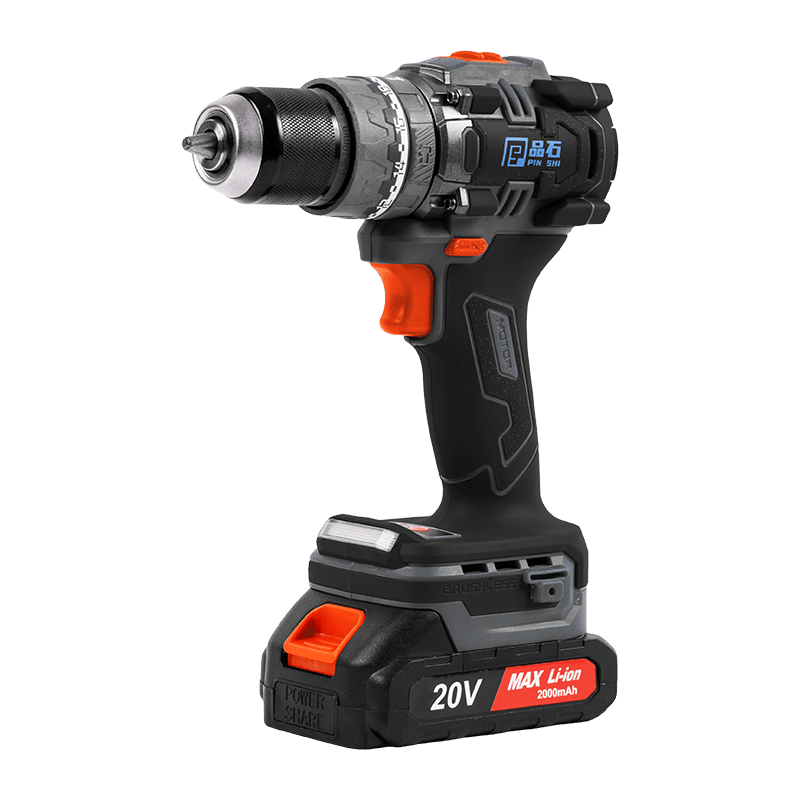
Voltage 20V (DC) Battery capacity 1.5Ah/2.0Ah Motor type Brushless motor Two speed 0-450rpm/0-1900rpm Max.Impact rate 0-6750bpm /0-28500bpm Chuck capacity 10mm ...
See Details -
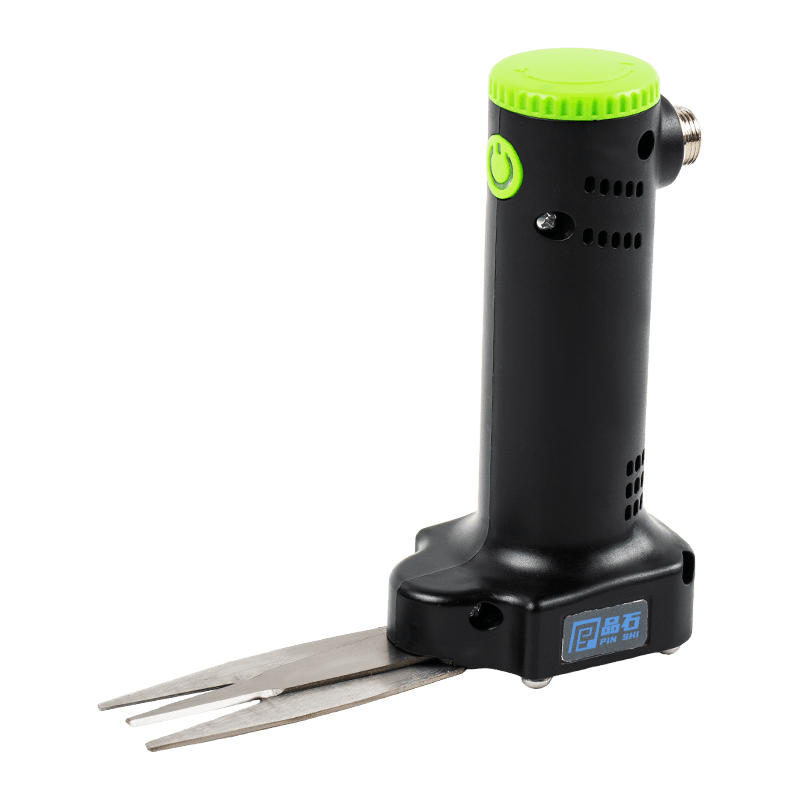
Input Voltage AC 100-240V 50-60Hz Working Voltage 24V (DC) Working Current 2A(max) Motor Type Brushless Motor No Load Speed 500 - 1350rpm Blade Material Stainless S...
See Details -
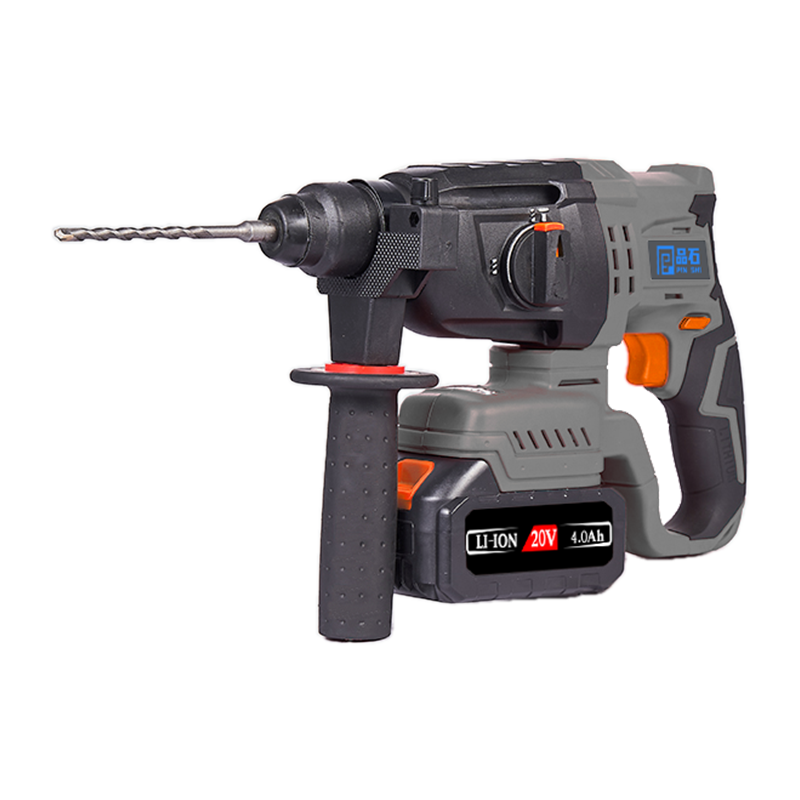
Voltage 20V (DC) Battery capacity 3.0Ah/4.0Ah Motor type Brushless motor Modes 2 Impact energy 1.7J No-loading speed 0-1000rpm Impact rate 0-4500bpm Chuck...
See Details -
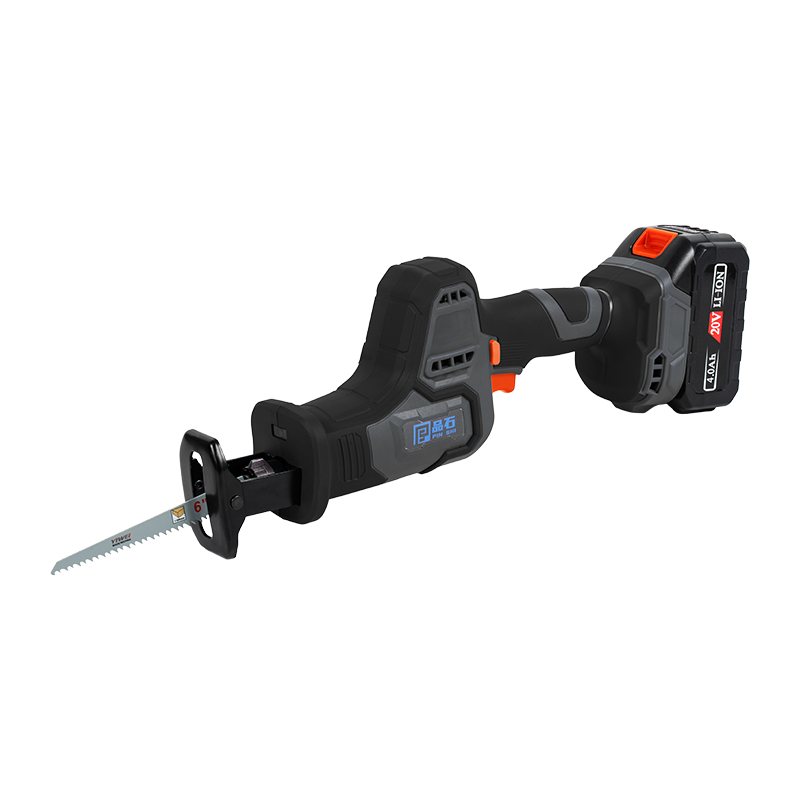
Voltage 20V (DC) Battery capacity 2.0Ah/3.0Ah Motor type Brushless motor No-loading strokes per minute 0-2600spm Reciprocating stroke 22mm Max cutting capacity ...
See Details -
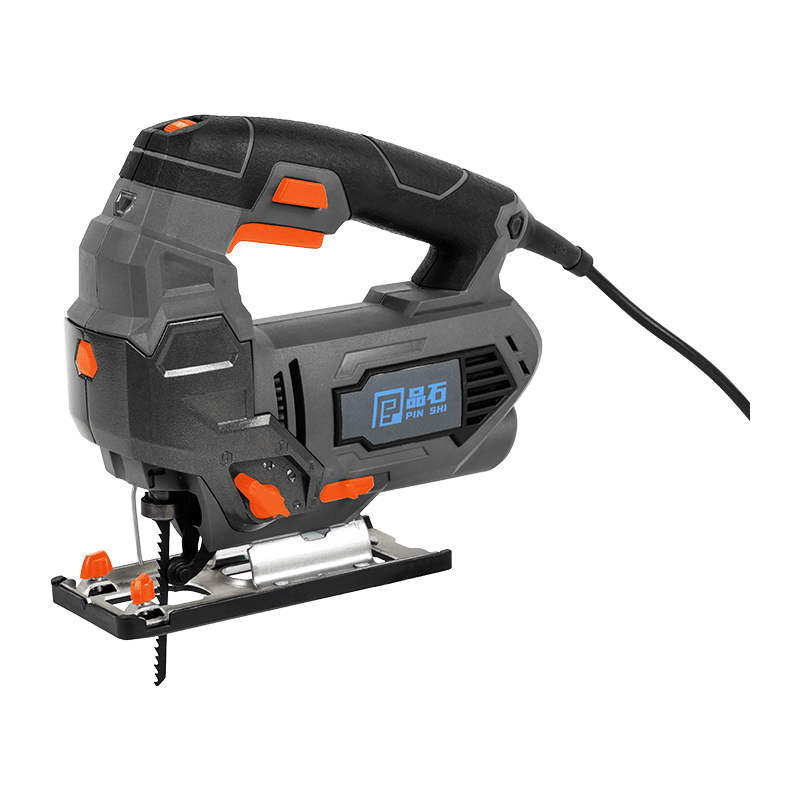
Input Voltage(V) 230V/120V Mains Frequency (Hz) 50Hz/60Hz Input Power(W) 800W No-Load Speed 0-3000/min Cutting Capacity Wood: 100mm;Steel: 10mm Plate Bevel Angle 0-...
See Details
Related News
-
In the rapidly evolving landscape of construction, automotive repair, and industrial assembly, one tool has consistently stood out as the backbone of ...
READ MORE -
What Exactly Is an Electric Screwdriver Today? The shifting meaning of "electric screwdriver" in modern tool ecosystems The term "electric screwdriver...
READ MORE -
Impact Wrench: Definition and Core Working Principle The Impact Wrench, often referred to in industrial circles as an air gun, air wrench, or electric...
READ MORE
-
LINK
-
product
-
Quick Contact
-
 Building 1, Floor 1, Industrial Zone, Zhongyi Village, Guolin Town, Haishu District, Ningbo City, Zhejiang Province, China
 -
 +86-13906619096
 -
 Michael@chinashimu.com
-
KEEP IN TOUCH
Copyright© Ningbo Pinshi Electromechanical Co., LTD.
