
 English
 русский
 Español
Voltage 20V (DC) Battery capacity 1.5Ah/2.0Ah/3.0Ah Motor type Brushless motor Shear diameter 25mm Charger 21V 0.5A/1.2A/2A Blade material SK5 Time of use 4-5...
See Details-
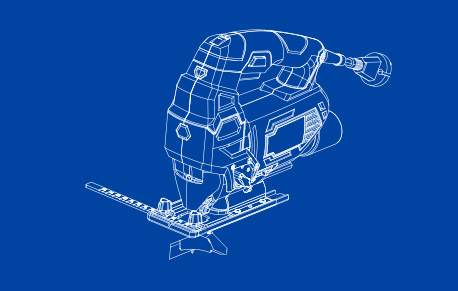
Electric Woodworking Saw
-
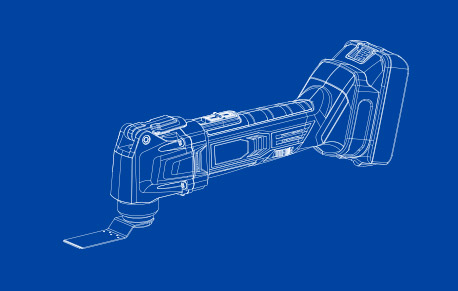
Multifunctional oscillating Saw
-
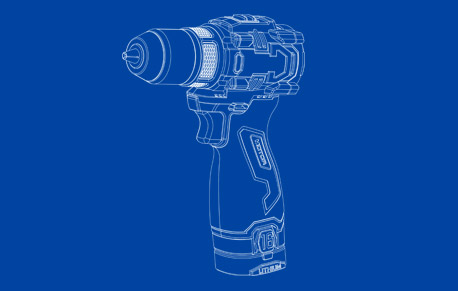
Power Drill
-
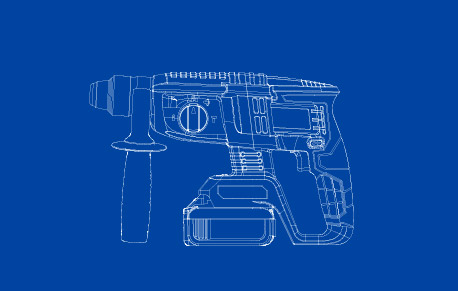
Rotary Hammer Drill
-
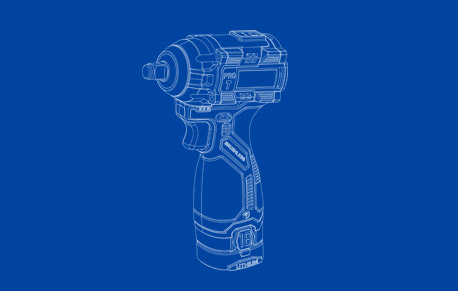
Impact Wrench
-
Electric Screwdriver
-
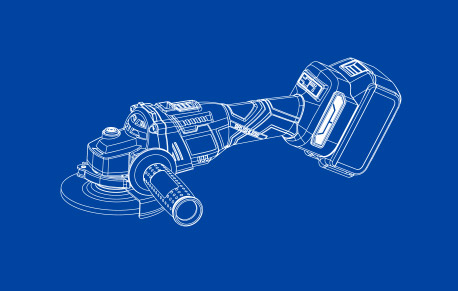
Angle Grinder
-
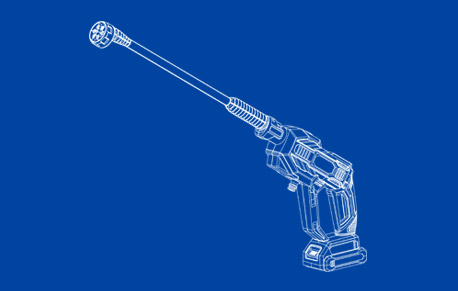
Handheld Pressure Washer
-
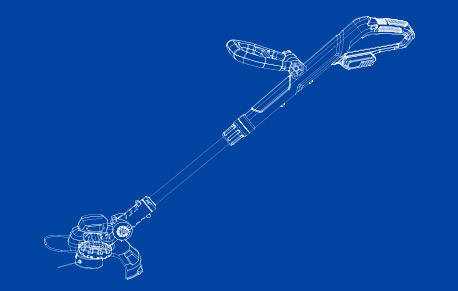
Handheld Lawn Mower
-
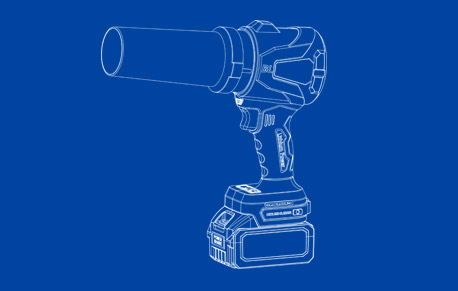
Lithium Turbo Jet Blower
-
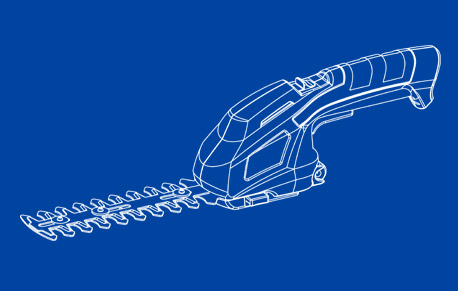
Electric Pruning Shears
-
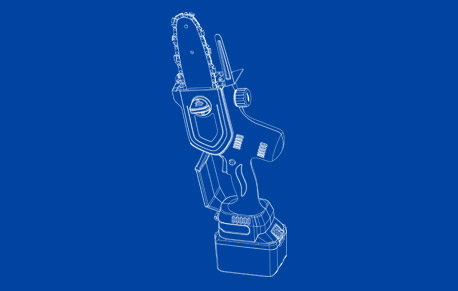
Lithium ChainSaw
-
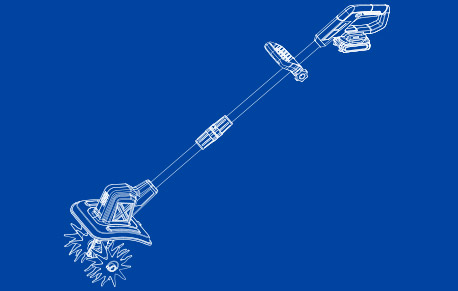
Handheld Tiller Cultivator
-
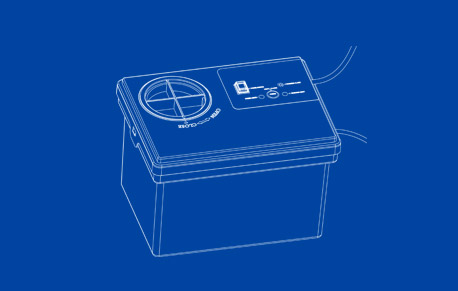
Plant Watering Devices
-
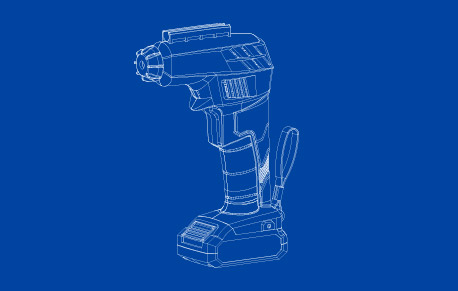
Air Pump

Author: Admin Date: 2026-03-23
How do Electric Pruning Shears perform when cutting different branch diameters?
Electric Pruning Shears perform best within their rated cutting diameter range (typically 20mm–40mm), maintaining clean, efficient cuts on small to medium branches, while performance gradually declines as branch diameter approaches the tool’s maximum capacity. This applies equally to many categories such as tree pruners electric and battery operated limb cutters, which are designed to handle varying branch thicknesses with motorized precision.
Whether referred to as a pruning machine, tijeras de podar electricas, or tree trimming scissors, these tools share a common performance pattern: efficiency is highest at smaller diameters and decreases gradually as resistance increases with thicker branches. Understanding this behavior helps users select the right tool and apply it effectively in real-world conditions.
Cutting Performance by Branch Diameter
Electric Pruning Shears, including models commonly marketed as tree pruners electric or battery operated limb cutters, are designed with motorized blades that maintain consistent cutting force. However, branch diameter directly influences resistance, cutting time, and overall efficiency.
Small Branches (5mm–15mm)
For small branches, Electric Pruning Shears behave like high-speed tree trimming scissors, delivering fast, clean, and effortless cuts. The motor experiences minimal load, allowing repeated cuts with minimal delay. In this range, even a lightweight pruning machine can perform efficiently without noticeable strain.
Medium Branches (15mm–30mm)
This diameter range represents the optimal working zone for most battery operated limb cutters. The cutting process remains smooth and consistent, with the motor operating near its ideal torque output. Tools labeled as tijeras de podar electricas are especially effective in this range, balancing speed and power efficiently.
Large Branches (30mm–Max Capacity)
As branch diameter approaches the maximum rated limit, cutting becomes slower and requires more motor effort. While tree pruners electric models can still complete the task, users may notice reduced cutting speed and increased resistance. At this stage, the pruning machine operates near its performance ceiling.
Continuous cutting at this level may also increase wear on internal components and reduce battery runtime due to higher energy consumption.
Performance Comparison Across Diameter Ranges
| Branch Diameter | Cutting Efficiency | Motor Load | User Effort |
|---|---|---|---|
| 5mm – 15mm | Very High | Low | Minimal |
| 15mm – 30mm | High | Moderate | Low |
| 30mm – Max Capacity | Moderate | High | Moderate |
Key Factors Affecting Performance
Motor Power and Torque
The motor is the core component that determines how effectively electric pruning tools handle different branch diameters. High-torque motors in tree pruners electric models allow consistent performance even when cutting thicker branches.
Blade Sharpness and Material
Sharp blades significantly improve cutting efficiency across all diameter ranges. In battery operated limb cutters, high-quality steel blades reduce friction and allow smoother penetration into wood fibers, especially when dealing with denser branches.
Battery Output
Stable battery output ensures consistent performance of the pruning machine. As battery levels decline, users may notice reduced cutting speed, particularly when working near maximum branch diameter limits.
Practical Applications and Use Cases
In agricultural environments such as vineyards and orchards, tijeras de podar electricas are widely used for repetitive pruning tasks. Branch diameters typically fall within the medium range, allowing operators to maintain high productivity throughout long work sessions.
Landscaping professionals often rely on tree trimming scissors for precision cuts on smaller branches, while switching to more powerful tree pruners electric when encountering thicker growth. This adaptability makes electric tools highly versatile.
In mixed vegetation environments, a pruning machine or battery operated limb cutters can handle a variety of branch sizes, though users must adjust their technique depending on diameter to maintain efficiency and tool longevity.
Best Practices for Optimal Performance
- Use electric pruning tools within their specified cutting diameter to maintain efficiency and prevent strain.
- Avoid forcing cuts when using tree pruners electric, especially on branches near the maximum capacity.
- Keep blades sharp and clean to ensure consistent performance of battery operated limb cutters.
- Monitor battery levels during intensive pruning machine operations to avoid power drops.
Limitations and Considerations
Although tijeras de podar electricas and similar devices such as tree trimming scissors offer significant advantages over manual tools, their performance is inherently dependent on branch diameter. Larger diameters introduce greater resistance, which impacts motor load and cutting speed.
Selecting the appropriate pruning machine based on expected branch sizes is essential. Users working frequently with thicker branches should prioritize models with higher torque and larger cutting capacities to maintain consistent performance and reduce operational fatigue.

-
Feedback
Related Products
-
-
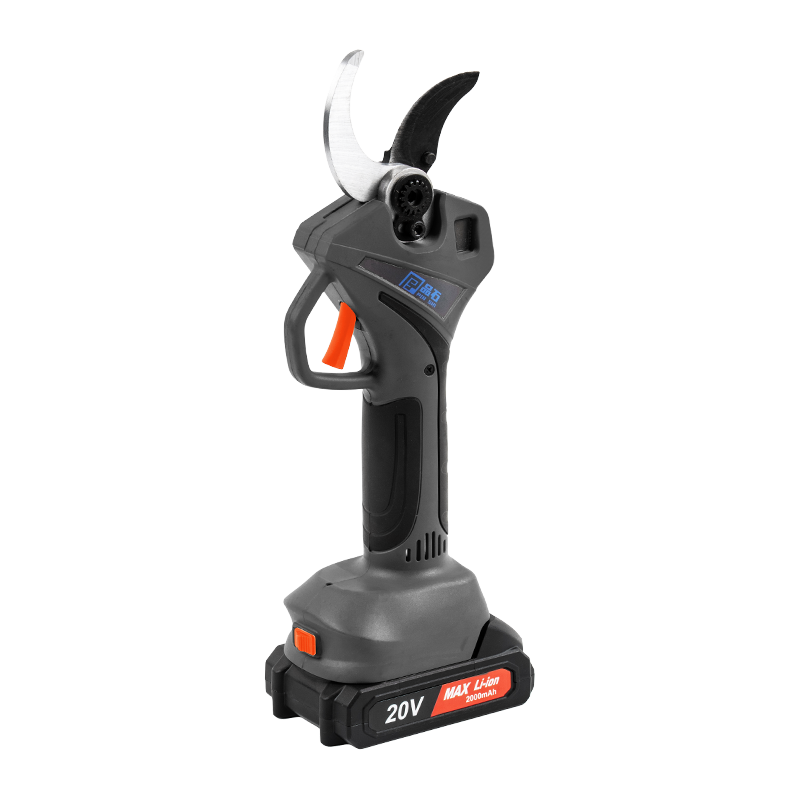
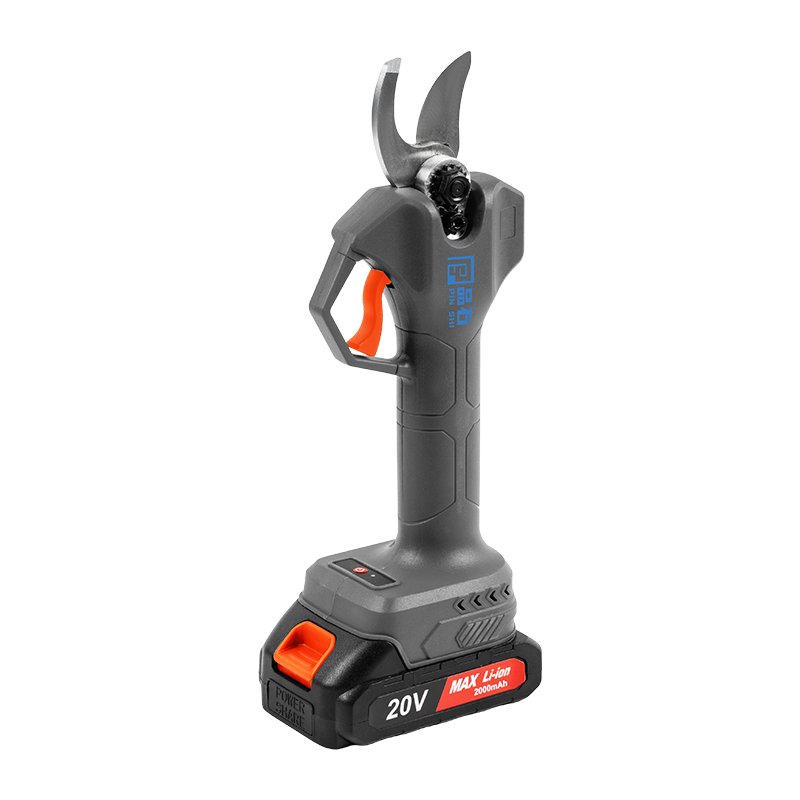
Voltage 20V (DC) Battery capacity 2.0Ah/3.0Ah/4.0Ah Motor type Brushless motor Shear diameter 40mm Charger 21V 0.5A/1.2A/2A Blade material SK5 Time of use 4-5...
See Details -
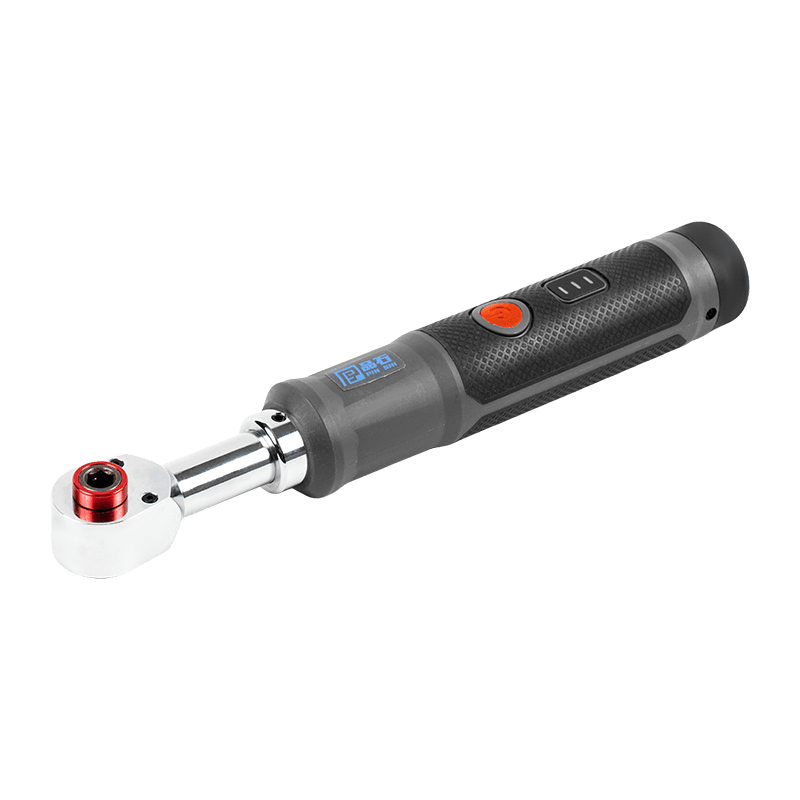
Voltage 4V (DC) Battery capacity 1.5Ah/2.0Ah Motor type Brush motor No–loading speed 380rpm Collet 1/4"Hex(6.35mm) Square drive size 1/4"(6.35mm),3/8"(9.5mm) Ma...
See Details -
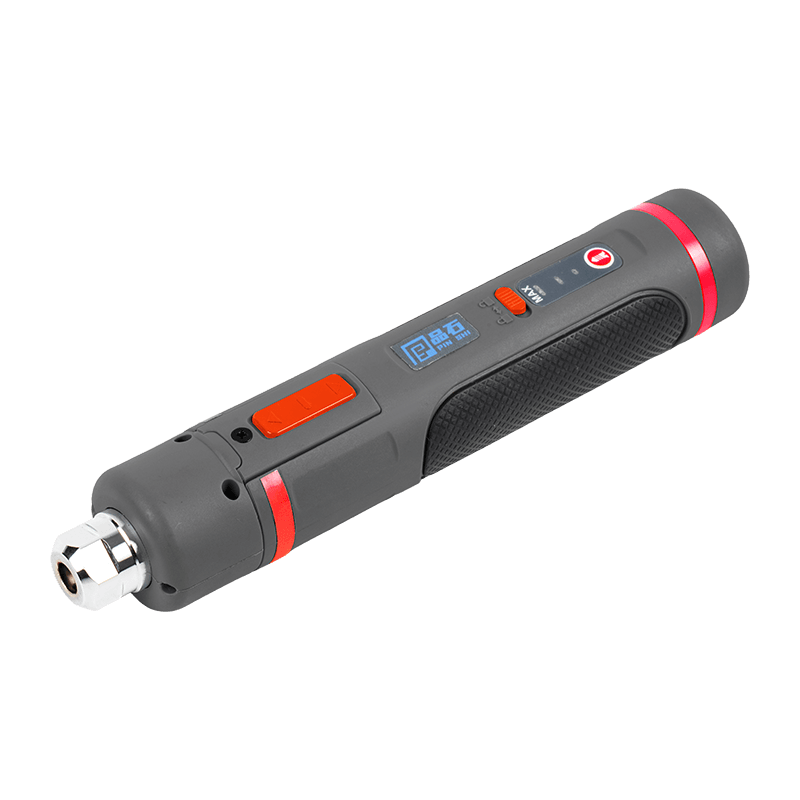
Voltage 4V (DC) Battery capacity 1.5Ah/2.0Ah Motor type Brush motor No–loading speed 320rpm Torque setting 3 Max. Torque 5N.m(Electric power) 8N.m(Manual labor) ...
See Details -
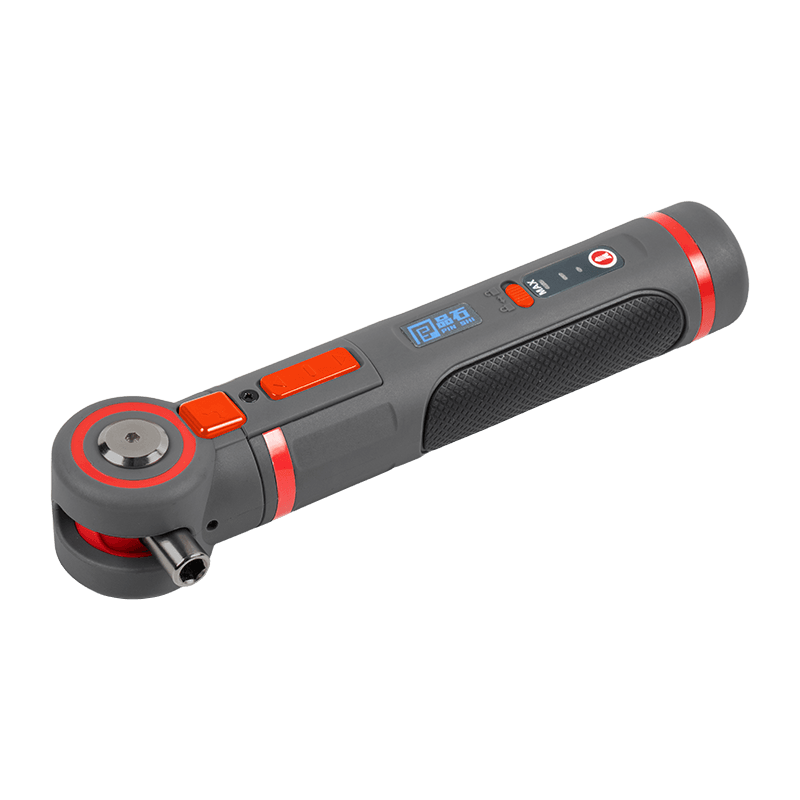
Voltage 4V (DC) Battery capacity 1.5Ah/2.0Ah Motor type Brush motor No–loading speed 320rpm Torque setting 3 Angle adjustment 0°,45,90° Max. Torque 5N.m(Elect...
See Details -
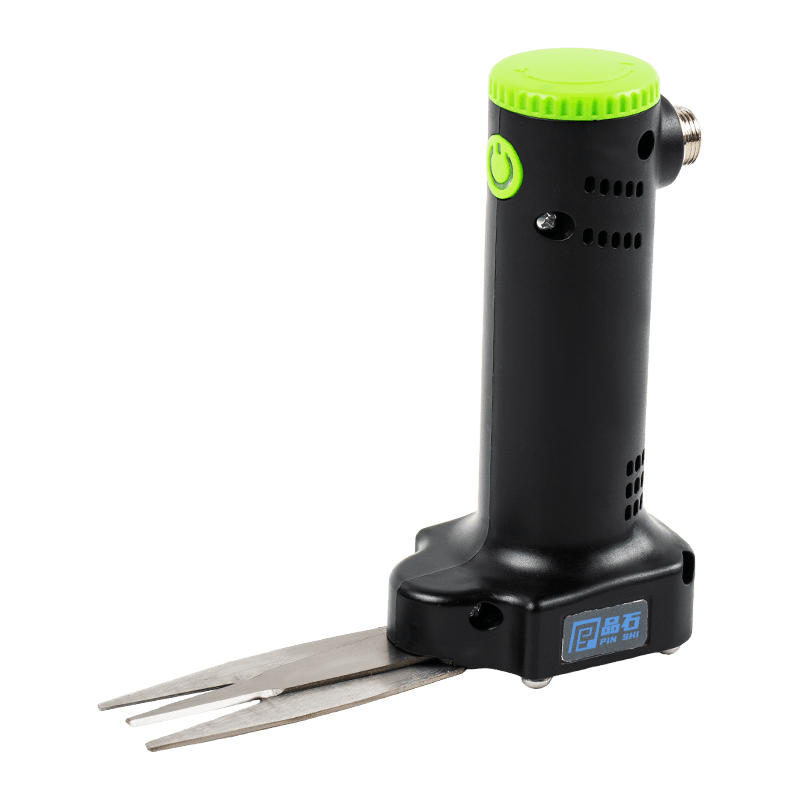
Input Voltage AC 100-240V 50-60Hz Working Voltage 24V (DC) Working Current 2A(max) Motor Type Brushless Motor No Load Speed 500 - 1350rpm Blade Material Stainless S...
See Details
Related News
-
In the rapidly evolving landscape of construction, automotive repair, and industrial assembly, one tool has consistently stood out as the backbone of ...
READ MORE -
What Exactly Is an Electric Screwdriver Today? The shifting meaning of "electric screwdriver" in modern tool ecosystems The term "electric screwdriver...
READ MORE -
Impact Wrench: Definition and Core Working Principle The Impact Wrench, often referred to in industrial circles as an air gun, air wrench, or electric...
READ MORE
-
LINK
-
product
-
Quick Contact
-
 Building 1, Floor 1, Industrial Zone, Zhongyi Village, Guolin Town, Haishu District, Ningbo City, Zhejiang Province, China
 -
 +86-13906619096
 -
 Michael@chinashimu.com
-
KEEP IN TOUCH
Copyright© Ningbo Pinshi Electromechanical Co., LTD.
