
 English
 русский
 Español
Voltage 20V (DC) Battery capacity 2.0Ah/3.0Ah Motor type Brushless motor No–loading speed 0-1700rpm Max.Impact rate 0-2300bpm Standard bolt size M6-M16 Square d...
See Details-
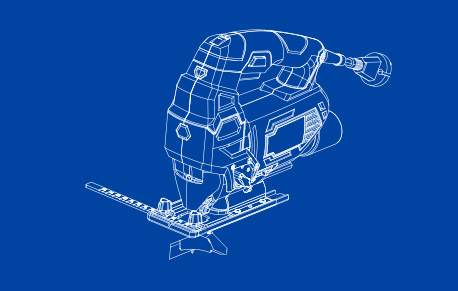
Electric Woodworking Saw
-
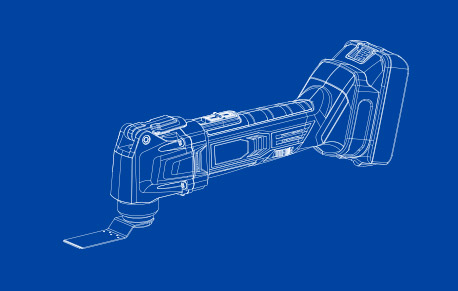
Multifunctional oscillating Saw
-
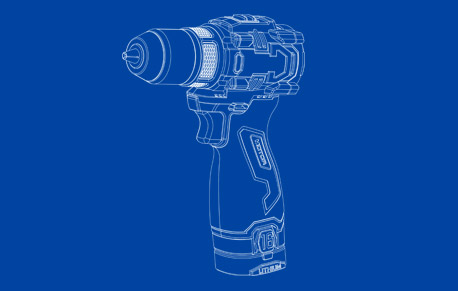
Power Drill
-
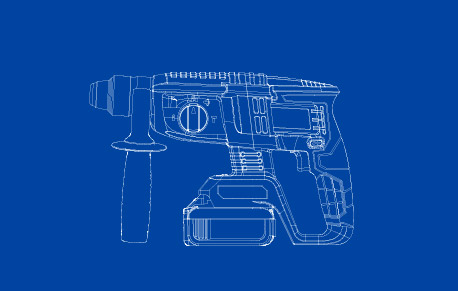
Rotary Hammer Drill
-
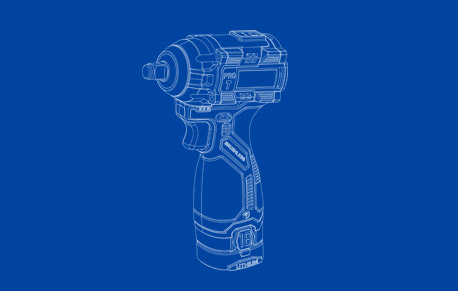
Impact Wrench
-
Electric Screwdriver
-
Angle Grinder
-
Handheld Pressure Washer
-
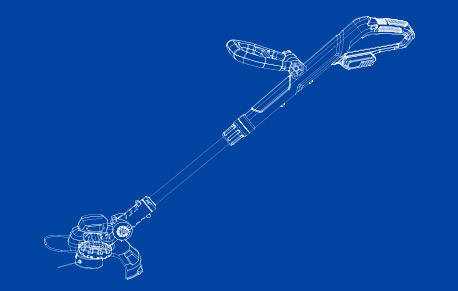
Handheld Lawn Mower
-
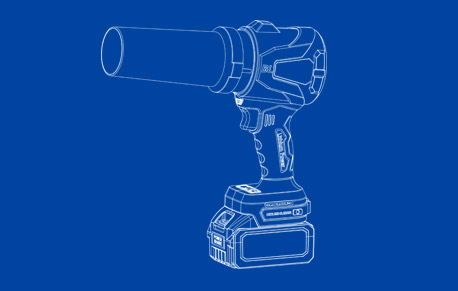
Lithium Turbo Jet Blower
-
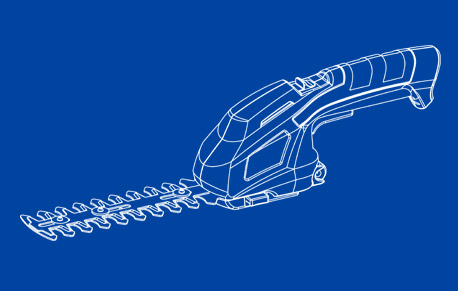
Electric Pruning Shears
-
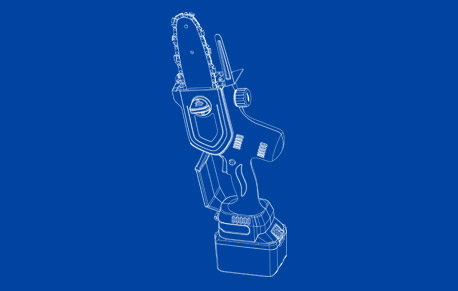
Lithium ChainSaw
-
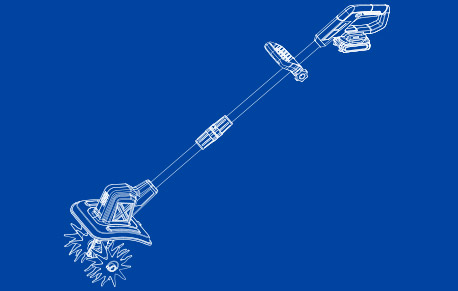
Handheld Tiller Cultivator
-
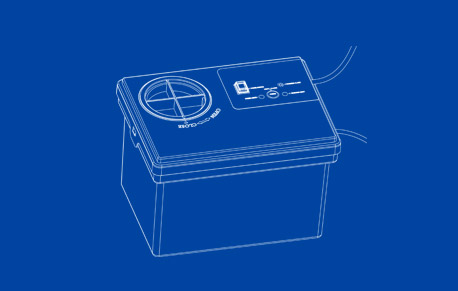
Plant Watering Devices
-
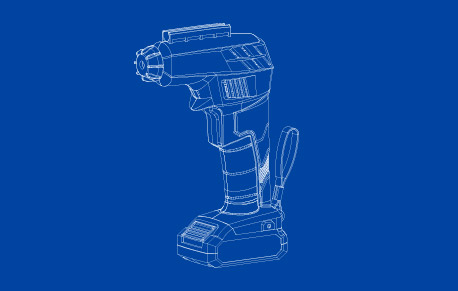
Air Pump

Author: Admin Date: 2026-03-16
How does the speed control system in this Impact Wrench function?
How the Speed Control System in this Impact Wrench Functions
The speed control system in an Impact Wrench functions by regulating the motor’s rotational speed and the frequency of hammer impacts through trigger sensitivity, electronic motor controllers, and internal mechanical mechanisms. In comparison with an impact driver or a rotary drill, an Impact Wrench delivers higher torque pulses suitable for heavy-duty tasks like removing lug nuts or working with impact rated sockets. The combination of speed and torque control prevents damage to fasteners and allows precise operation similar to the way a hammer drill can vary its impact settings for masonry work.
Modern Impact Wrenches also differ from a rotary hammer drill or rotary hammer in the way torque is delivered: electronic speed control regulates hammering frequency for controlled power application, ensuring consistent performance when loosening rusted bolts or working with die grinder attachments.
Core Components of an Impact Wrench Speed Control System
The speed control system relies on several integrated components that determine the tool’s performance:
- Variable speed trigger allowing fine control, similar in concept to rotary drill triggers.
- Electronic speed controller (ESC) that optimizes current for brushless or brushed motors.
- Impact hammer mechanism that delivers repeated torque pulses, similar to hammer drill vs rotary hammer operations.
- Mode selector switch for predefined speed or torque modes, useful when alternating between impact driver vs impact wrench tasks.
- Torque feedback sensors for safe operation with delicate fasteners or when using anti seize lubricant to prevent thread galling.
Trigger-Based Variable Speed Control
A variable speed trigger is the primary interface for controlling an Impact Wrench. It functions similarly to the trigger on a rotary drill or hammer drill. Light pressure on the trigger starts the motor slowly, allowing careful alignment of fasteners such as duplex nails or bolts during assembly. As pressure increases, speed and hammer impact frequency rise, ideal for tasks that require torque beyond what a combo wrench or open end box wrench could provide manually.
This mechanism is also relevant when using right angle die grinders or die grinders for metalwork, as controlling speed prevents overheating and ensures safe operation when working with angle grinder flapper disk or adhesive spray glue setups.
Electronic Speed Control in Modern Impact Wrenches
Advanced models include electronic speed control that automatically adjusts output based on load. This ensures the motor maintains consistent performance even when removing stubborn fasteners, similar to the difference between a hammer drill and a rotary hammer drill. For example, while loosening bolts with impact for sockets, the ESC prevents stalling and over-torquing.
| Speed Mode | Typical RPM Range | Common Task |
|---|---|---|
| Low | 0–1200 RPM | Precision fastening with hex key or taps and dies |
| Medium | 1200–2000 RPM | Automotive work or socket wrench ratchet tasks |
| High | 2000–3200 RPM | Heavy fasteners, core drill operations, or concrete hammer drill work |
How Speed Affects Torque Output
Motor speed directly influences torque output because each hammer strike delivers a set amount of force. Faster speeds increase impacts per minute (IPM), allowing professionals to loosen stuck fasteners more efficiently than using a combo wrench or a wrench type manually. This is similar to the high-frequency strikes of a rotary hammer vs hammer drill when chiseling concrete.
Users often combine anti seize lubricant with high-speed Impact Wrench applications to prevent galling. Likewise, tools such as die grinder use or right angle die grinder operations rely on precise speed control for delicate work.
Multiple Speed Modes and Smart Control Features
Advanced Impact Wrenches now include multi-mode speed control. Users can choose modes for precision fastening, bolt removal, or maximum torque tasks, similar to selecting rotary drill vs hammer rotary modes. These features help when alternating between impact wrench vs impact driver applications on a jobsite.
- Precision mode for delicate components, including adhesive spray glue assemblies.
- Auto-stop mode for avoiding over-tightening with socket wrench ratchet sets.
- High-power mode for heavy-duty tasks like core drill or bi metal hole saws.
- Torque-sensitive mode for pry tools or snatch block operations.
Practical Advantages of Effective Speed Control
Effective speed control in an Impact Wrench improves performance, safety, and versatility. It allows controlled fastening like using a what is a combination wrench or combine wrench, reduces wear on sockets and ratchet set, and enhances operator comfort compared to traditional tools.
- Enhances precision when using types of screwdrivers or hex key fasteners.
- Prevents damage to fasteners when using die grinder uses or right angle die grinder attachments.
- Optimizes battery life for cordless tools like rotary drill or rotary hammer drills.
- Reduces operator fatigue during repetitive hammer drill vs rotary hammer tasks.
- Extends tool lifespan for both Impact Wrenches and related tools like rotary hummer drill or roto drill.
Ultimately, understanding how the speed control system works allows users to leverage their Impact Wrench effectively across a wide range of applications, from concrete hammer drill work to prying tool operations, die grinding, or light assembly with ball peen hammer definition accuracy.

-
Feedback
Related Products
-
-
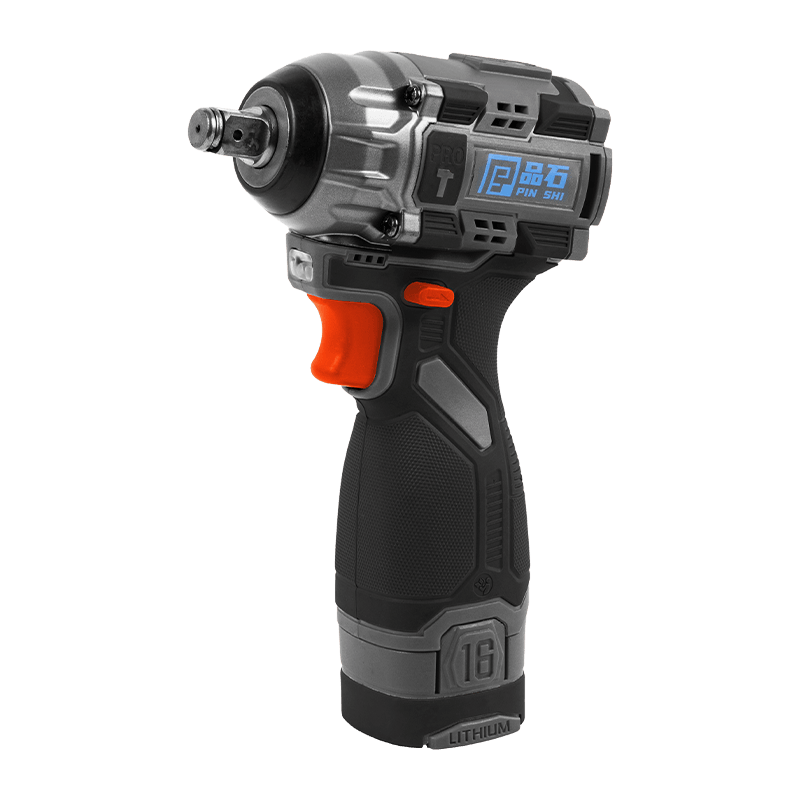
Voltage 16V (DC) Battery capacity 1.5Ah/2.0Ah Motor type Brushless motor No–loading speed 0-3200rpm Max.Impact rate 0-3500bpm Standard bolt size M6-M16 Square d...
See Details -
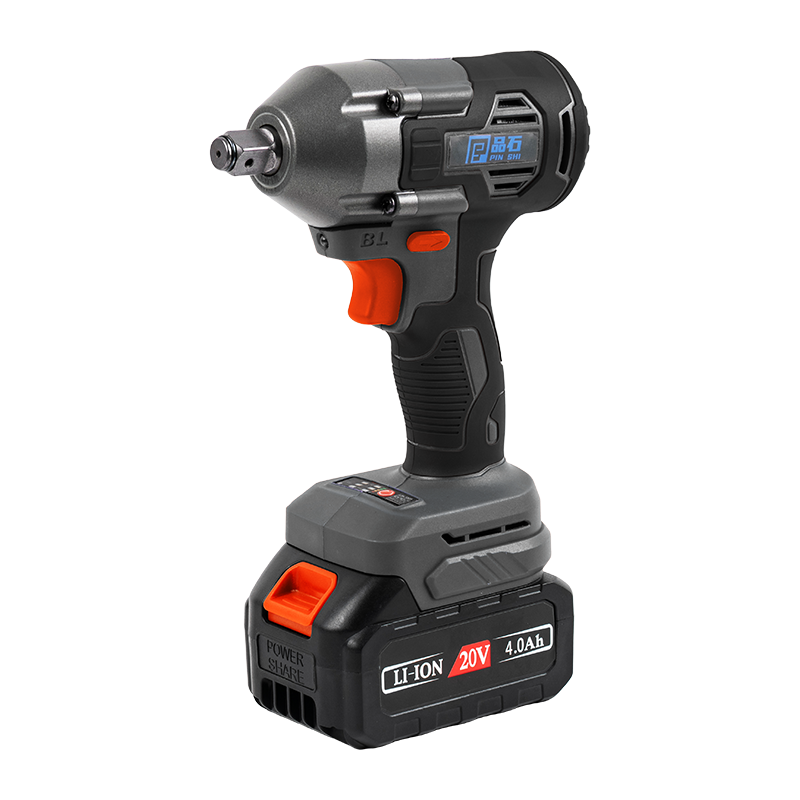
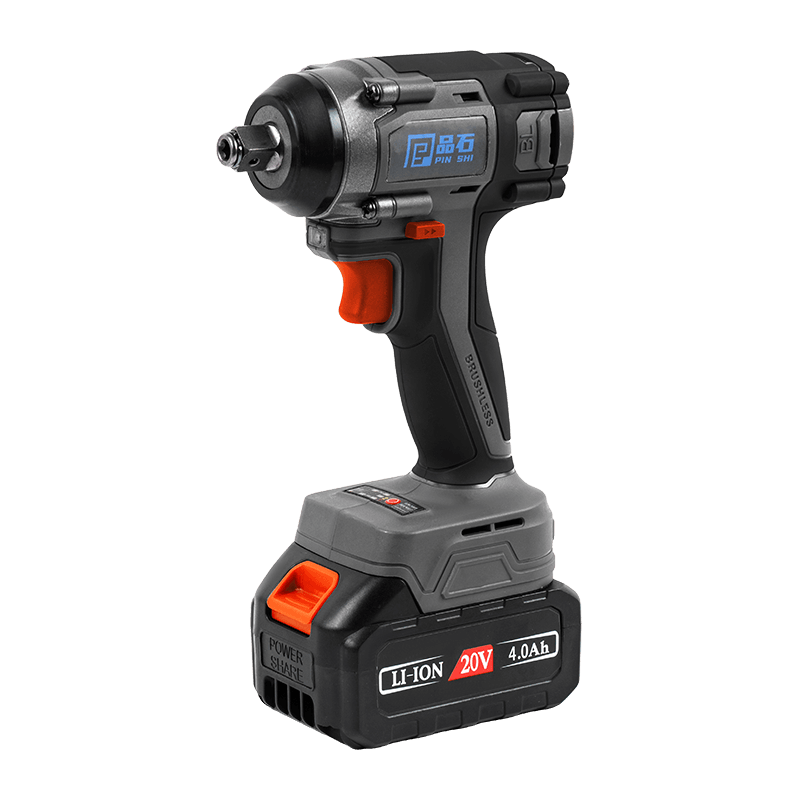
Voltage 20V (DC) Battery capacity 3.0Ah/4.0Ah Motor type Brushless motor No–loading speed 0-2200rpm Max.Impact rate 0-3500bpm Standard bolt size M6-M16 Square d...
See Details -
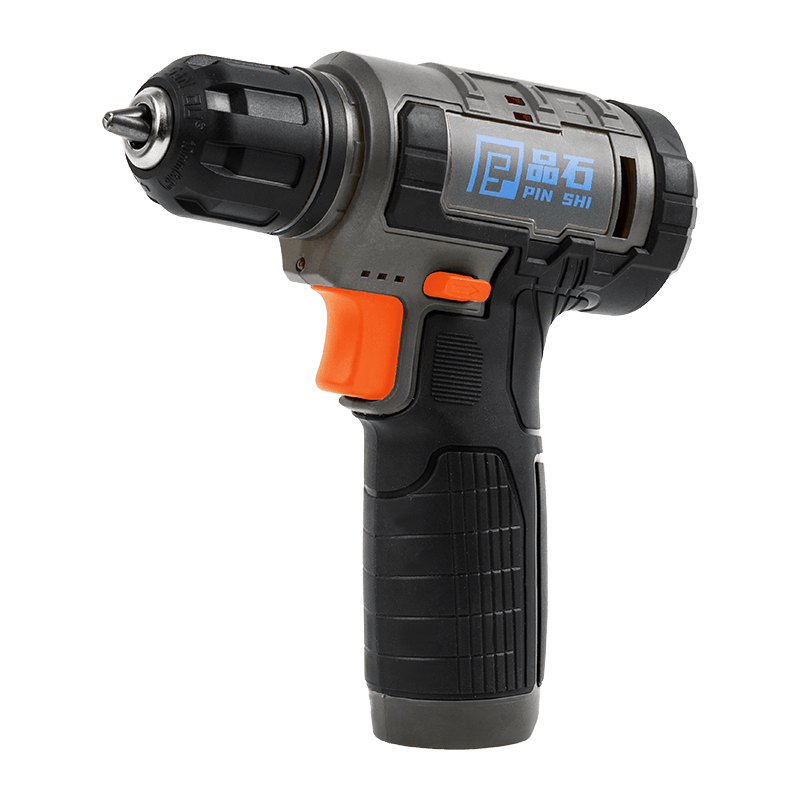
Voltage 8V (DC) Battery capacity 1.5Ah /2.0Ah Motor type Brush motor No–loading speed 0-800rpm Chuck capacity 0.8-10mm Max. Drill capacity 3mm(Steel)10mm(Wood...
See Details -
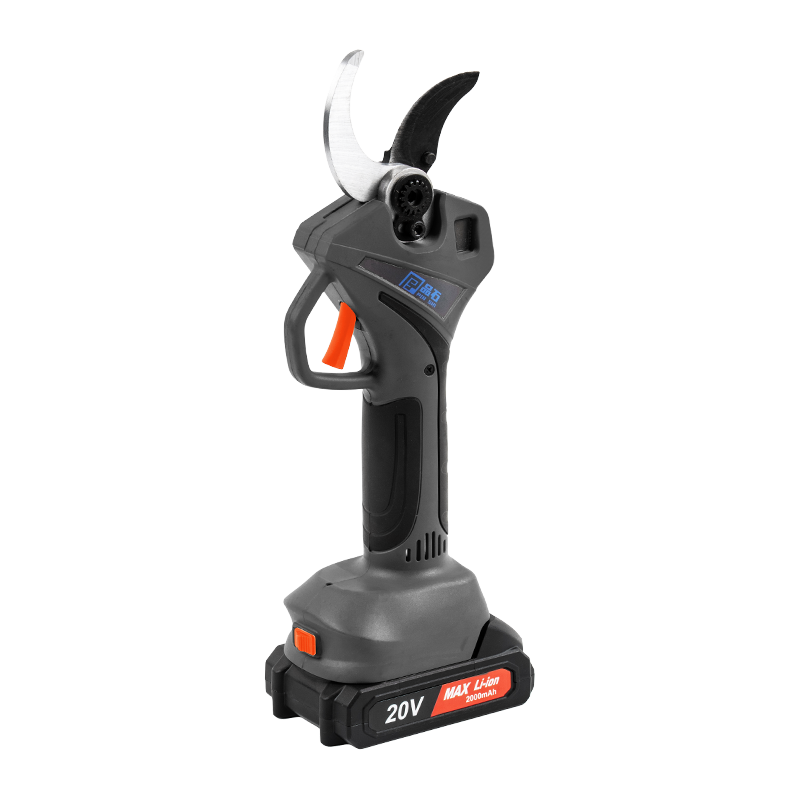
Voltage 20V (DC) Battery capacity 2.0Ah/3.0Ah/4.0Ah Motor type Brushless motor Shear diameter 40mm Charger 21V 0.5A/1.2A/2A Blade material SK5 Time of use 4-5...
See Details -
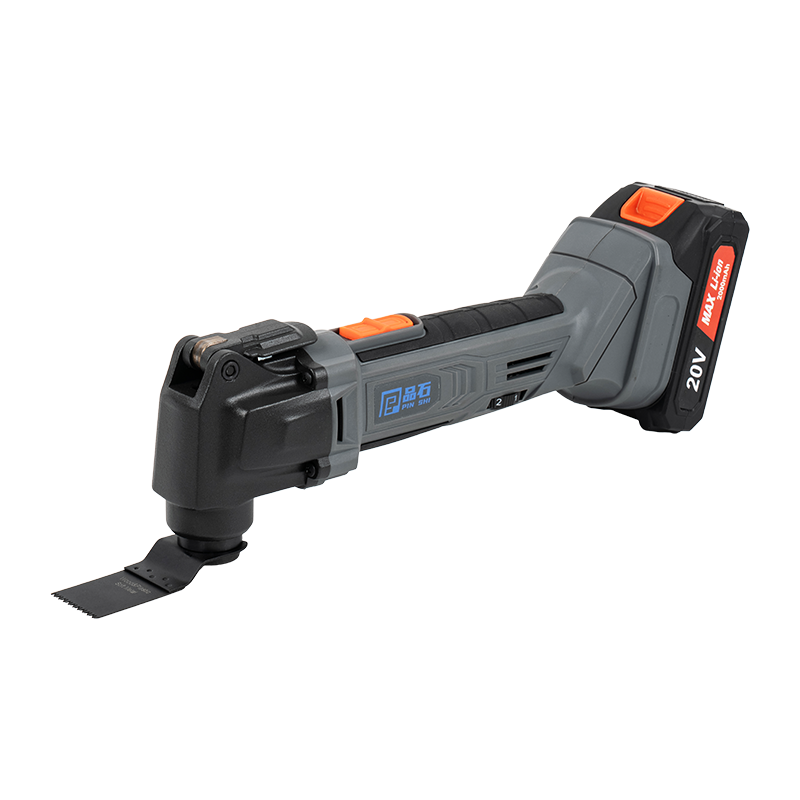
Smooth start Voltage 20V (DC) Battery capacity 2.0Ah Motor type Brush motor Oscillations 8,000 - 19,000 OPM Oscillations angle 3.2 degree Charger 21V 0.5...
See Details
Related News
-
In the rapidly evolving landscape of construction, automotive repair, and industrial assembly, one tool has consistently stood out as the backbone of ...
READ MORE -
What Exactly Is an Electric Screwdriver Today? The shifting meaning of "electric screwdriver" in modern tool ecosystems The term "electric screwdriver...
READ MORE -
Impact Wrench: Definition and Core Working Principle The Impact Wrench, often referred to in industrial circles as an air gun, air wrench, or electric...
READ MORE
-
LINK
-
product
-
Quick Contact
-
 Building 1, Floor 1, Industrial Zone, Zhongyi Village, Guolin Town, Haishu District, Ningbo City, Zhejiang Province, China
 -
 +86-13906619096
 -
 Michael@chinashimu.com
-
KEEP IN TOUCH
Copyright© Ningbo Pinshi Electromechanical Co., LTD.
