
 English
 русский
 Español
Voltage 20V(DC) Battery capacity 3.0Ah/4.0Ah Motor type Brushless motor Modes 3 Impact energy 3.0J No-loading speed 0-1000rpm Impact rate 0-4500bpm Chuck...
See Details-
Electric Woodworking Saw
-
Multifunctional oscillating Saw
-
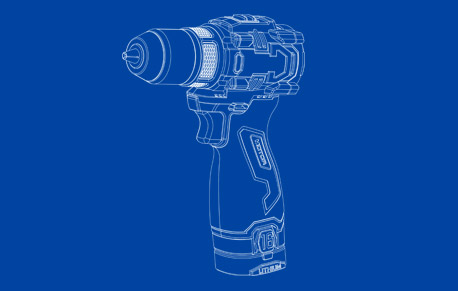
Power Drill
-
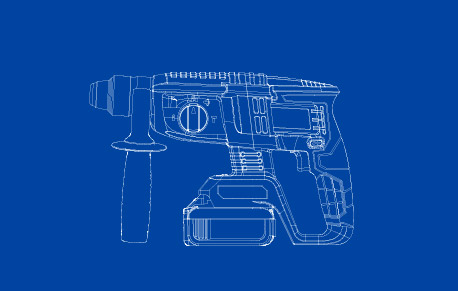
Rotary Hammer Drill
-
Impact Wrench
-
Electric Screwdriver
-
Angle Grinder
-
Handheld Pressure Washer
-
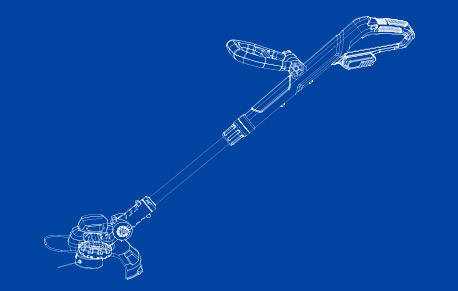
Handheld Lawn Mower
-
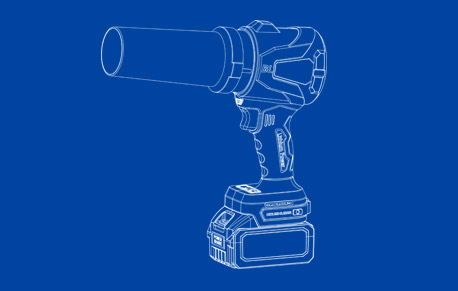
Lithium Turbo Jet Blower
-
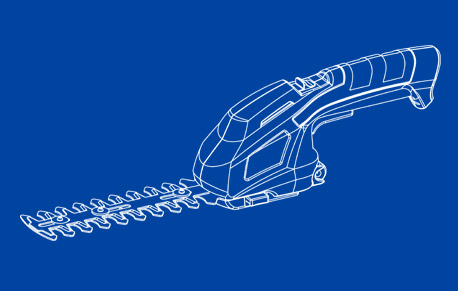
Electric Pruning Shears
-
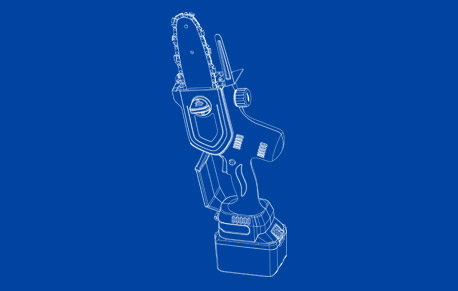
Lithium ChainSaw
-
Handheld Tiller Cultivator
-
Plant Watering Devices
-
Air Pump

Author: Admin Date: 2026-08-18
How to Use an Electric Drill: A Beginner's Guide to Drill Bits, Clutch, and Speed
Imagine a shelf bracket held against the wall, a pencil mark already in place. If someone hands you an electric drill and you are not sure what the settings mean, the job can end with a stripped screw or a ragged hole. The solution is a simple sequence: understand the controls, pick the correct bit, set the clutch and speed, and let the tool do the work. That sequence, used consistently, gives you clean holes and properly seated screws.
Know the Main Drill Controls
Every electric drill, corded or cordless, works around a few basic controls. The chuck is the three-jaw sleeve at the front that grips the bit. The trigger is variable speed: the harder you squeeze, the faster the chuck turns. The direction switch, usually above the trigger, selects forward for drilling and tightening, and reverse for removing screws. The torque clutch ring, marked with numbers, limits how much twisting force the drill can send to the bit. A two-speed gear selector, when present, lets you toggle between a low, high-torque mode and a high-speed mode.
Check all of these before you turn the drill on. A quick look at the direction switch takes two seconds but prevents a broken bit, a damaged workpiece, or a screw that suddenly backs out.
For a home toolbox, a two-speed model is a practical choice because it covers light driving and heavy drilling in one tool. The 20V brushless double-speed impact drill is a good example: the brushless motor runs longer on a battery, and the two gears cover small and large bits without changing tools.
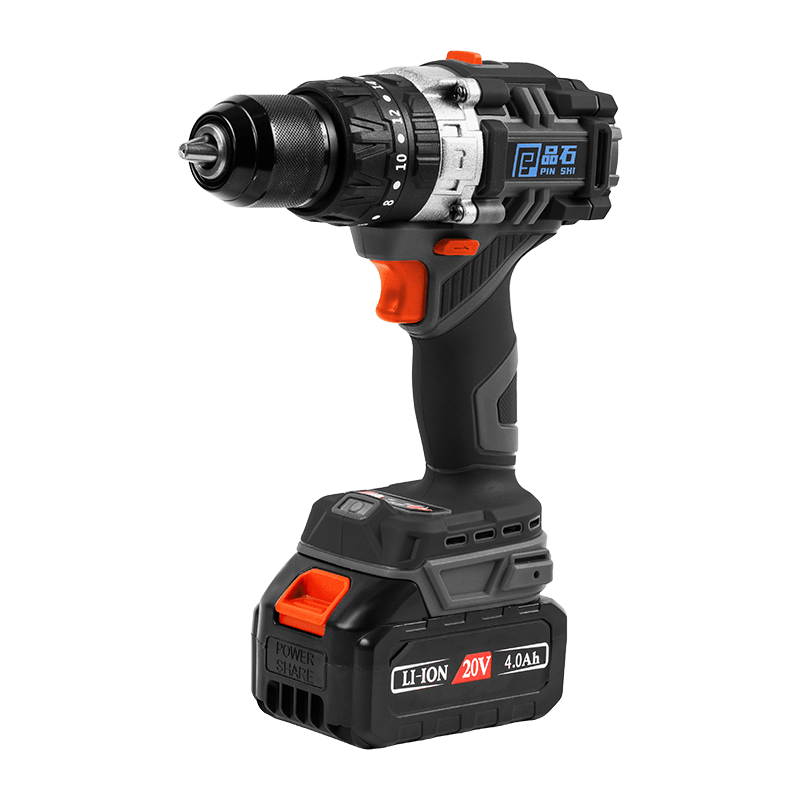 Wholesale 20V Brushless Double Speed Impact Drill Suppliers, Factory - Ningbo PNingbo Pinshi Electromechanical Co., Ltd. is China wholesale 20V Brushless Double Speed Impact Drill suppliers and factory, Voltage ...View Product →
Choose the Right Drill Bit and Install It
The drill bit is where the cutting actually happens. Use a standard twist bit for wood and plastic, a high-speed steel twist bit for soft metal, a spade bit for large holes in wood, and a carbide-tipped masonry bit for concrete or brick. For screws, you do not use a drill bit; you use a driver bit, such as Phillips, flathead, or Torx, with a magnetic holder.
To install a bit, open the chuck by turning the sleeve counterclockwise, push the bit shank in straight, and tighten clockwise. A keyed chuck works the same way but uses a chuck key. The bit must be centered and secure; a loose bit wobbles and drills an oversized hole.
If your projects involve masonry, a drill with hammer action is worth the extra cost. The 20V li-ion rotary hammer drill delivers the pulsing action that breaks up concrete while the bit rotates, so you do not have to lean hard on the tool.
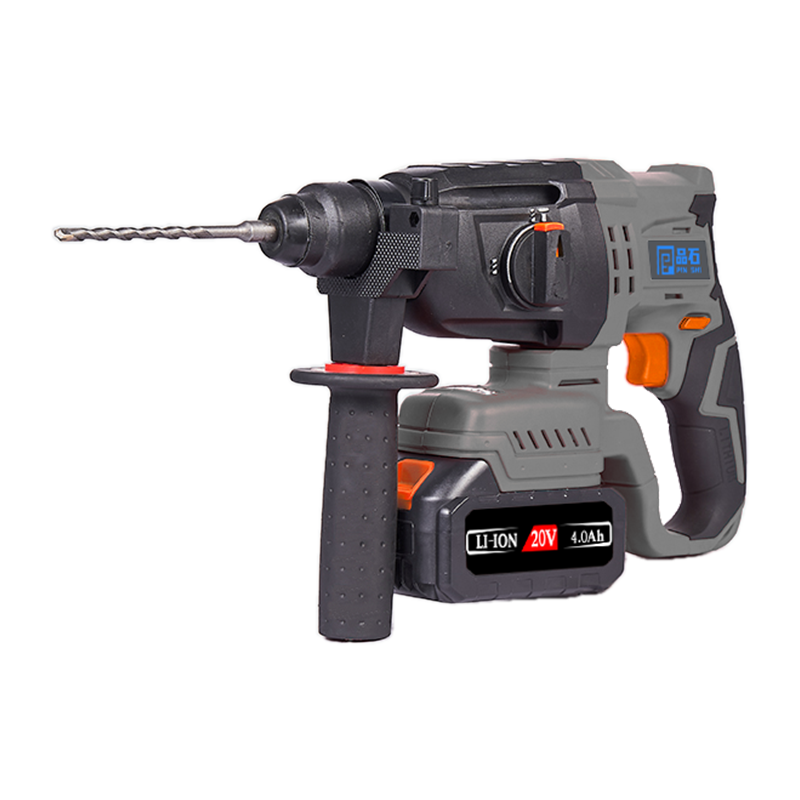 Wholesale 20V Li-ion Rotary Hammer Drill Suppliers, Factory - Ningbo Pinshi EleNingbo Pinshi Electromechanical Co., Ltd. is China wholesale 20V Li-ion Rotary Hammer Drill suppliers and factory, Voltage 20V (DC)...View Product →
Set Torque, Speed, and Direction Before You Start
Before you start, set the torque collar to the drill icon for drilling, or to a number for driving screws. The numbers are a one-to-ten or one-to-twenty scale: low numbers protect small screws, high numbers are for larger fasteners and heavier work. When the clutch hits the limit, it slips with a clicking sound, telling you to stop. For driving screws, start low and raise the number until the screw seats cleanly.
Speed is equally important. Use the low gear for large bits, metal, and long screws; use the high gear for small bits in wood and plastic. A compact model such as the 16V cordless drill is easier to control in tight spaces, especially when you are driving screws in a cabinet or above shoulder height.
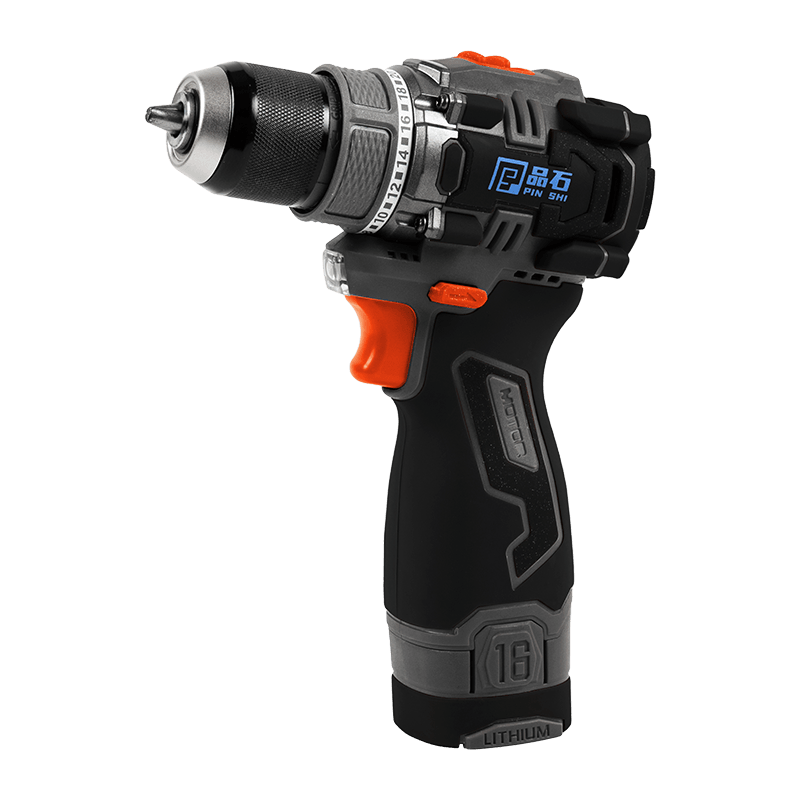 Wholesale 16V Cordless Drill Suppliers, Factory - Ningbo Pinshi ElectromechanicaNingbo Pinshi Electromechanical Co., Ltd. is China wholesale 16V Cordless Drill suppliers and factory, Voltage 16V (DC) Battery ...View Product →
Set the direction switch to forward, so the bit rotates clockwise, and test the trigger in the air. Many beginners forget this step and then wonder why the drill seems to push the screw out instead of pulling it in.
Quick Reference: Drill Settings for Common Materials
Keep this table near your workbench until you learn the feel of your drill:
| Material | Recommended bit | Approximate speed | Key tip |
|---|---|---|---|
| Wood, soft | Twist bit | Medium to high | Use a pilot hole for screws |
| Wood, large hole | Spade or paddle bit | Low to medium | Clamp scrap wood underneath the workpiece |
| Drywall | Twist or drywall bit | Low | Do not push hard; this prevents tear-out |
| Steel | High-speed steel or cobalt bit | Low | Center-punch the spot and use cutting oil |
| Masonry | Carbide-tipped masonry bit | Low with hammer mode | Withdraw the bit often to clear dust |
Safety Checks Before Drilling
Wear safety glasses; shavings and broken bit fragments travel at high speed. Add a dust mask when working with wood finishes, metal, or masonry. Clamp small workpieces to a workbench, because a bit can catch and spin the piece suddenly. When drilling into a wall, check for hidden cables and pipes, and use a stud finder if you are not sure. An awl or center punch creates a small dimple that stops the bit from wandering on the surface.
How to Drill a Hole
Once the controls are set and the bit is secure, use this sequence:
- Mark the hole and center-punch it with an awl or punch.
- Install the correct bit and set the clutch to the drill icon.
- Select low gear for large bits, or high gear for small bits in soft material.
- Align the bit with the mark and hold the drill perpendicular to the surface.
- Squeeze the trigger gently and let the bit start cutting at a slow speed.
- Apply steady pressure and withdraw the bit periodically to clear dust.
- Slow down as the bit breaks through the far side to avoid splintering.
For hardwood or metal, drill a small pilot hole first; it keeps the larger bit on target and reduces friction.
How to Drive Screws Without Stripping Them
Driving a screw is the other basic drill task. Fit the correct driver bit and set the clutch to 5, then test in scrap material. If the screw stalls, increase the number one step at a time. When the clutch ratchets during the final turn, the screw has reached the set torque and you should stop or adjust. If the screw head starts to strip, lower the setting and use a sharper bit. For long or thick screws, make a pilot hole before driving.
Practice Builds Consistency
Spend half an hour on scrap wood: drill ten holes at different speeds, then drive screws with different clutch numbers. The feel of the clutch and trigger is more important than the numbers on the collar. Once you have that feel, every shelf, hinge, or repair becomes straightforward. To make your next tool purchase easier, browse the power tool range and read about cordless power tool development trends before you settle on a battery platform.

-
Feedback
Related Products
-
-
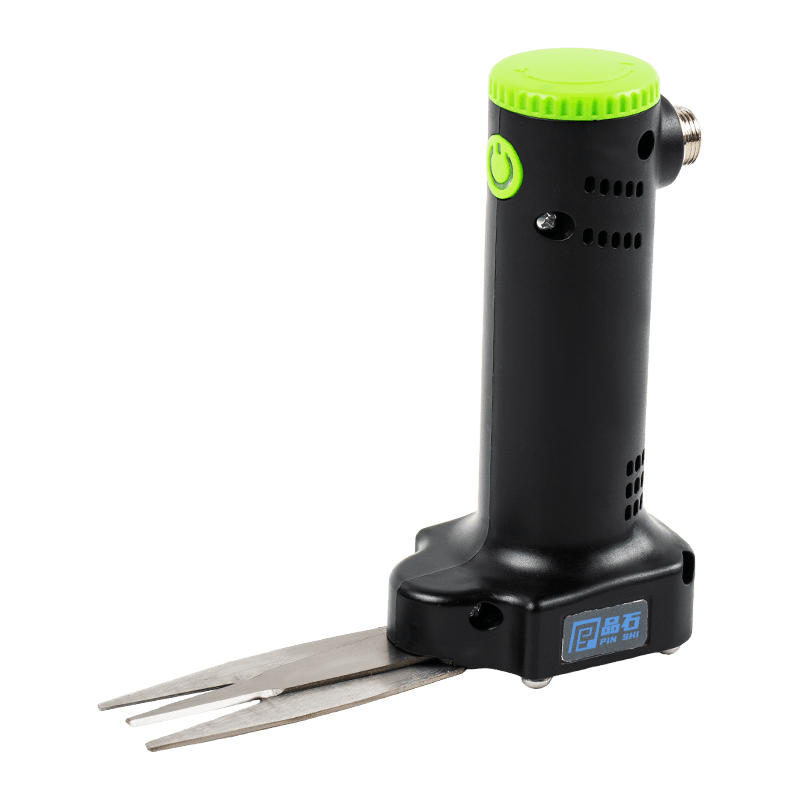
Input Voltage AC 100-240V 50-60Hz Working Voltage 24V (DC) Working Current 2A(max) Motor Type Brushless Motor No Load Speed 500 - 1350rpm Blade Material Stainless S...
See Details -

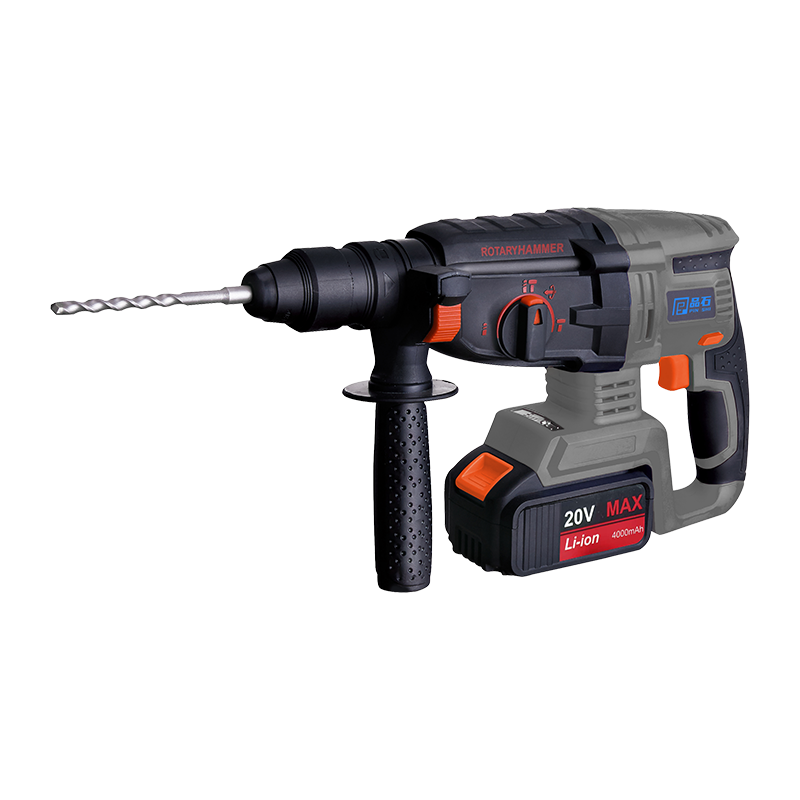
Voltage 20V (DC) Battery capacity 2.0Ah/3.0Ah/4.0Ah Motor type Brushless motor Two speed 0-550rpm/0-1900rpm Max.Impact rate 0-8250bpm /0-28500bpm Chuck capacity 13...
See Details -
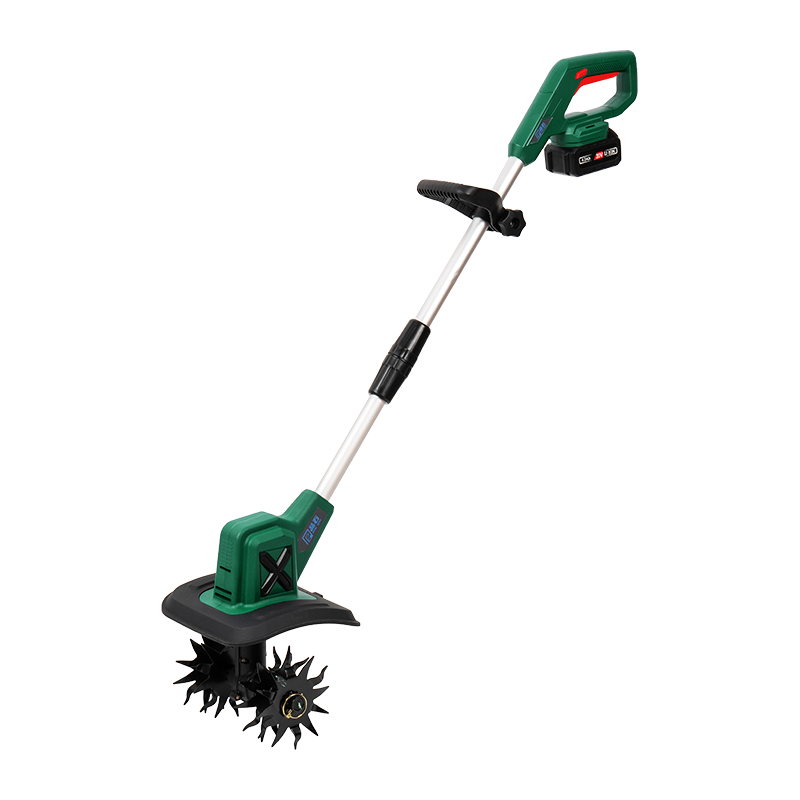
Voltage 20V (DC) Battery capacity 2.0Ah/3.0Ah/4.0Ah Motor type Brush motor No-loading speed 300rpm Ploughing width 8.6"(220mm) Tilling depth 6.3"(160mm) Fold...
See Details -

Voltage 16V (DC) Battery capacity 1.5Ah /2.0Ah Motor type Brushless motor Two speed 0-430rpm/0-1800rpm Chuck capacity 10mm Max. Drill capacity 10mm(Steel)20mm(Wood)...
See Details -
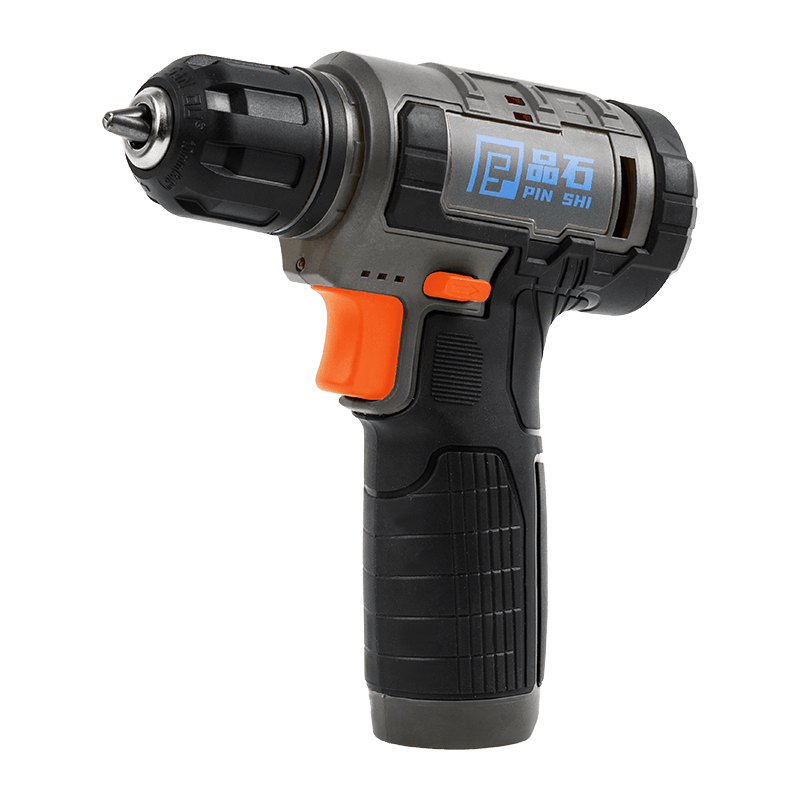
Voltage 8V (DC) Battery capacity 1.5Ah /2.0Ah Motor type Brush motor No–loading speed 0-800rpm Chuck capacity 0.8-10mm Max. Drill capacity 3mm(Steel)10mm(Wood...
See Details
Related News
-
In the rapidly evolving landscape of construction, automotive repair, and industrial assembly, one tool has consistently stood out as the backbone of ...
READ MORE -
What Exactly Is an Electric Screwdriver Today? The shifting meaning of "electric screwdriver" in modern tool ecosystems The term "electric screwdriver...
READ MORE -
Impact Wrench: Definition and Core Working Principle The Impact Wrench, often referred to in industrial circles as an air gun, air wrench, or electric...
READ MORE
-
LINK
-
product
-
Quick Contact
-
 Building 1, Floor 1, Industrial Zone, Zhongyi Village, Guolin Town, Haishu District, Ningbo City, Zhejiang Province, China
 -
 +86-13906619096
 -
 Michael@chinashimu.com
-
KEEP IN TOUCH
Copyright© Ningbo Pinshi Electromechanical Co., LTD.
