
 English
 русский
 Español
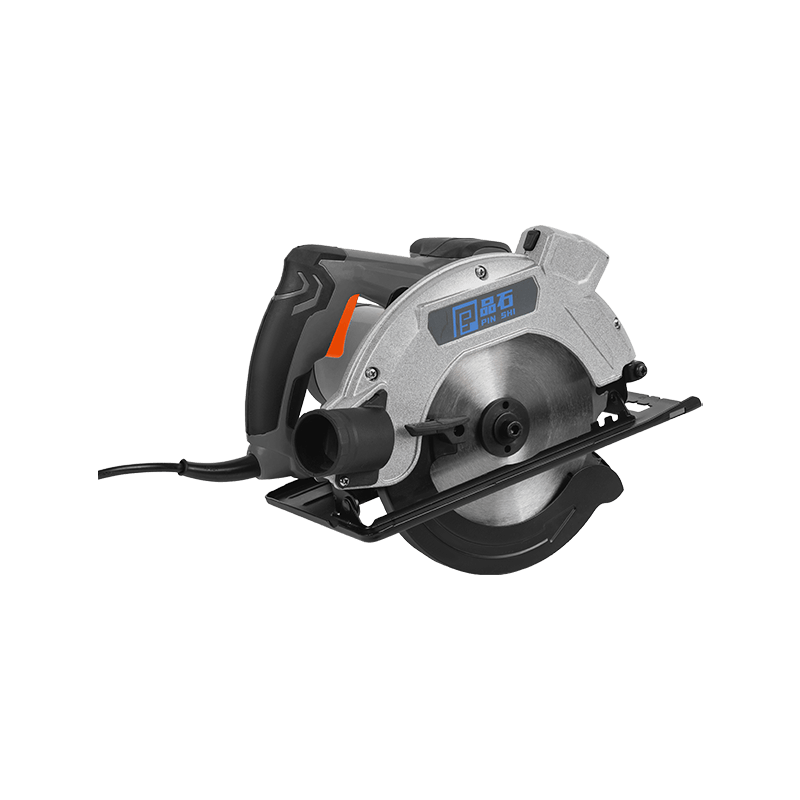
Input voltage(V) 230V/120V Mains frequency (Hz) 50Hz/60Hz Input power(W) 1200W No-loading speed 4800rpm Cutting depth 45°-43mm /90°-65mm Blade diameter 185mm ...
See Details-
Electric Woodworking Saw
-
Multifunctional oscillating Saw
-
Power Drill
-
Rotary Hammer Drill
-
Impact Wrench
-
Electric Screwdriver
-
Angle Grinder
-
Handheld Pressure Washer
-
Handheld Lawn Mower
-
Lithium Turbo Jet Blower

-
Electric Pruning Shears
-
Lithium ChainSaw
-
Handheld Tiller Cultivator
-
Plant Watering Devices
-
Air Pump

Author: Admin Date: 2026-09-10
What Is a Circular Saw? Definition, Types, Applications, and Selection Tips
Tool Fundamentals — Circular Saw
What Is a Circular Saw? A Practical Definition
The round-bladed saw that does more straight-line cutting than any other tool on a job site, unpacked.
Set a framing crew to work sheathing a house and you'll see the same tool within arm's reach all day: a handheld circular saw. It is the fastest way to turn sheet goods into cut-to-size pieces. A circular saw is a power saw that drives a toothed or abrasive disc around a central arbor, spinning the blade at high speed while the base plate rides along the material. The result is a straight, controlled cut through wood, plywood, engineered panels, plastic, and — with the right blade — metal or masonry.
This guide covers the circular saw definition, the main types you will encounter, which specifications genuinely matter, and how to choose a saw that fits the work you actually do.
What Makes a Saw a Circular Saw?
The name describes the blade, not the tool body. A circular saw is defined by its round blade, which rotates around a central arbor at high speed. The mechanism applies to both handheld saws, where the operator moves the saw across the workpiece, and table saws, where the workpiece is fed into the blade. In everyday shop and job-site language, "circular saw" almost always means the handheld version.
If the blade is round and spins on an arbor, it is a circular saw. Blade diameter, motor type, cord or battery — all of that is a design choice built around one essential mechanism.
Core Parts and Their Jobs
- Motor: converts electrical or battery power into rotary motion; wattage and brushless technology determine how aggressively the blade cuts.
- Blade guards: the lower guard retracts automatically as the saw advances and closes again when the cut finishes.
- Base plate: the flat foot that rests on the work surface, supports the saw, and holds the angle of the cut.
- Depth adjustment: sets how far the blade extends below the base plate, so you expose only as much blade as the material needs.
- Bevel adjustment: tilts the base plate relative to the blade for angled cuts, commonly to 45 degrees.
- Spindle lock: locks the blade so you can loosen the arbor bolt when swapping blades.
The Main Types of Circular Saw
Corded Circular Saws
Corded saws draw continuous power from the wall, which makes them the default for sustained cutting. A 1200W motor, for example, keeps a consistent blade speed through framing lumber, thick plywood and engineered beams, with no need to pause for recharging. If your work day is measured in hours of cutting, a corded saw removes the battery variable completely.
Note on power: a corded saw is only as strong as its power supply. An overly long or undersized extension cord can starve the motor and cause it to slow down noticeably in hardwood.
Cordless Circular Saws
Cordless saws run on a rechargeable battery platform, most commonly 20V class. A 20V brushless circular saw now handles the vast majority of site work that once demanded a cord. The brushless motor is more efficient, which translates into longer runtime, and the lack of a cable makes the saw genuinely easier to move around. The shift from corded to cordless is one of the clearest development trends in the power tool industry.
The trade-off is runtime and weight. A battery pack adds mass behind the motor, and each cut consumes capacity. For short jobs, repairs and work on ladders or roofs, cordless is usually the better fit; for marathon cutting sessions, corded still leads.
Mini and Compact Saws
Mini circular saws use a smaller blade and a lower power rating, often around 400W. Their design favors one-handed operation and tight access. A mini saw is excellent for cutting laminate flooring, thin boards, trim and sheet material, and for reaching corners and vertical surfaces where a full-size saw is too heavy or too bulky.
Table Saws: The Fixed Version
A table saw is, mechanically, a circular saw mounted upside down beneath a table, with the blade protruding through a slot. The user pushes the material into the blade instead of moving the saw along the material. The definition stays the same; the working relationship between operator and tool changes.
| Type | Power source | Typical blade | Best for | Watch out for |
|---|---|---|---|---|
| Corded handheld | AC outlet | 150–190 mm | Continuous cutting, thick stock | Cable management, available outlet |
| Cordless handheld | 20V battery | 150–190 mm | Site work, portability | Runtime limits, battery weight |
| Mini / compact | AC or battery | 85–110 mm | Trim, panels, one-hand use | Limited depth of cut |
| Table saw | AC outlet | 200–260 mm | Repeated straight rip cuts | Fixed workspace, setup time |
What Materials Can a Circular Saw Cut?
The blade decides the material list. A circular saw equipped with a standard carbide-tipped blade cuts softwood and hardwood plywood quickly. Change to the right blade and the same saw body handles a much wider range of materials. The cut quality and the risk of overheating depend on matching tooth count and tooth geometry to the material.
- Wood and plywood: standard 24–40 tooth carbide blade.
- MDF, particleboard and acrylic: a fine-tooth blade (60 teeth or more) for cleaner edges.
- Aluminum and other non-ferrous metal: a carbide blade with a higher tooth count and a suited rake angle.
- Steel and iron: an abrasive cut-off blade or a purpose-made metal-cutting blade.
- Masonry: a diamond blade, usually mounted on a saw rated for the job.
The material also sets the cutting speed. Hardwoods and dense engineered panels resist the blade more, so you should push the saw slower and let the motor maintain speed. Forcing the saw is the main cause of overheated blades and rough edges.
Cleaner edges: for plywood and melamine panels, put the material's visible face downward, because the blade's teeth enter from the bottom. The top edge stays remarkably clean when the saw exits from the underside.
Circular Saw Specifications That Actually Matter
Every circular saw lists a set of numbers on the box. A few of them directly influence cutting performance; the rest are about ergonomics and compatibility. Start with the power and blade size, then check depth.
| Specification | Typical range | What it affects |
|---|---|---|
| Motor power | 400W–1600W (corded); 18V–20V (cordless) | Blade speed under load, cutting speed in hard material |
| No-load speed | 4,500–5,500 rpm | Speed of the cut; higher rpm cuts cleaner in wood |
| Blade diameter | 85–190 mm | Maximum depth of cut you can achieve |
| Depth of cut at 90° | 25–65 mm | Material thickness you can cut in one pass |
| Depth of cut at 45° | 18–48 mm | Capacity for bevel and miter cuts |
| Weight | 2.5–5.5 kg | Fatigue over a long day, control during the cut |
The numbers matter most at the extremes. A framing carpenter who regularly cuts 50 mm engineered lumber needs a saw with a real depth margin at 90 degrees. A contractor doing finish work in occupied buildings will value a lighter saw over maximum power.
Depth in practice: maximum depth of cut is measured with the blade fully lowered and the base plate square to the material. Tilting to 45 degrees reduces usable depth by roughly one third.
How to Choose a Circular Saw
The decision order should be: where will you use it, what will you cut, how often. Answer those three questions before comparing prices, and the right category of saw becomes obvious.
- Match power to frequency. Daily professional cutting points to a corded saw or a high-end brushless cordless. Occasional weekend work can use a lighter, less powerful model.
- Check depth against your thickest material. The saw should cut through your largest stock with depth to spare at both 90 and 45 degrees.
- Look at the base plate. A rigid steel or die-cast aluminum base holds adjustments and stays true over years of use.
- Check line visibility. A clear view of the blade and a marked cut-line notch on the base make straight cuts dramatically easier.
- Prefer a dust port. If you work indoors or in a clean workshop, a port for shop-vac extraction saves significant cleanup time.
- Hold it before buying. Balance, trigger reach and grip diameter are personal; a saw that feels heavy in the hand for thirty seconds will feel worse at hour three.
Price is not the first spec. A very cheap saw often has a stamped base that deforms, a lower guard that sticks, and poor depth locking. The result is inaccurate cuts and a higher risk of kickback. A modest spend more usually buys a tool that stays accurate for years.
Safety Basics That Come with the Tool
A circular saw is safe to operate when the guards work, the material is supported, and the operator follows a few fixed habits. None of these are optional technicalities; they are the difference between a routine cut and a trip to the clinic.
- Wear safety glasses and hearing protection. Add a dust mask when cutting particleboard, MDF or other dusty materials.
- Keep both blade guards functioning. The lower guard should spring back and cover the blade the moment the cut ends.
- Support the material on both sides of the cut so the kerf stays open. An unsupported piece pinches the blade and provokes kickback.
- Wait for the blade to come to a full stop before lifting the saw from the work. Setting down a spinning blade is how guards get damaged and floors get gouged.
- Unplug the saw or remove the battery before changing blades, adjusting depth, or clearing sawdust.
Never disable the lower guard. Tying back or removing the lower blade guard removes the tool's primary protection. A circular saw without a functioning guard is a serious cutting hazard and should be repaired or replaced before the next use.
The Bottom Line
A circular saw is simply a power saw with a round blade that spins on a central arbor and makes straight cuts through the most common building materials. The definition stays constant, but the buying decision narrows to three variables: power source, blade size and depth range. Corded power suits long cutting sessions; a 20V brushless platform suits portability and site work; a mini saw fits trim and panel work. Match those choices to the material you cut most often and the environment you work in, then confirm the safety basics are in place.
If you're comparing models for a workshop or a small contracting business, our range of electric woodworking saws shows how different power levels, blade diameters and brushless configurations translate into actual products ready for the workbench.

-
Feedback
Related Products
-
-
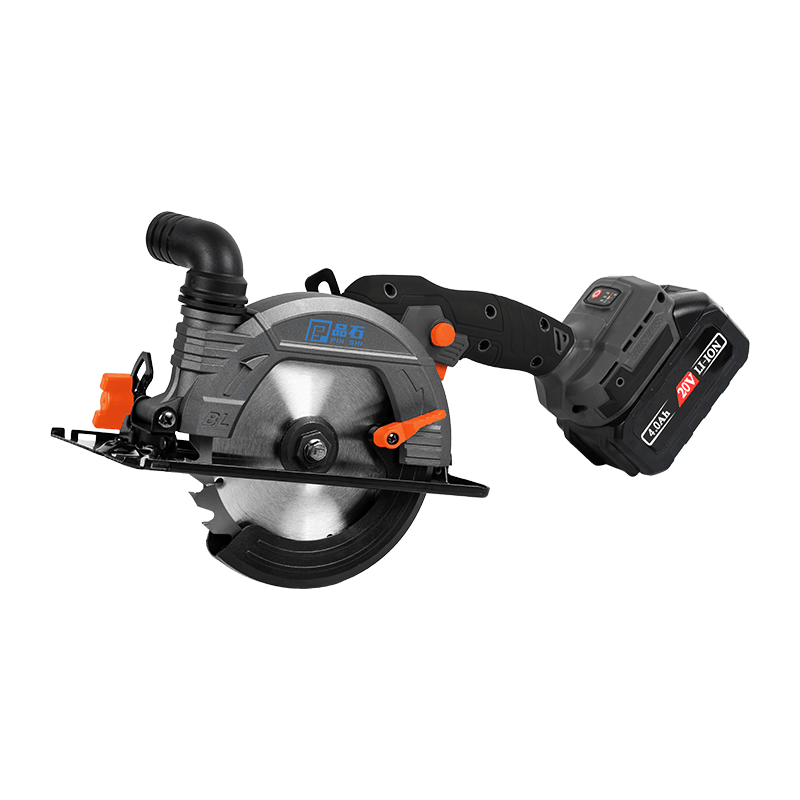
Voltage 20V (DC) Battery capacity 3.0Ah/4.0Ah Motor type Brushless motor No-loading speed 4800rpm Cutting depth 45°-40mm /90°-55mm Blade diameter 150mm Blade mo...
See Details -
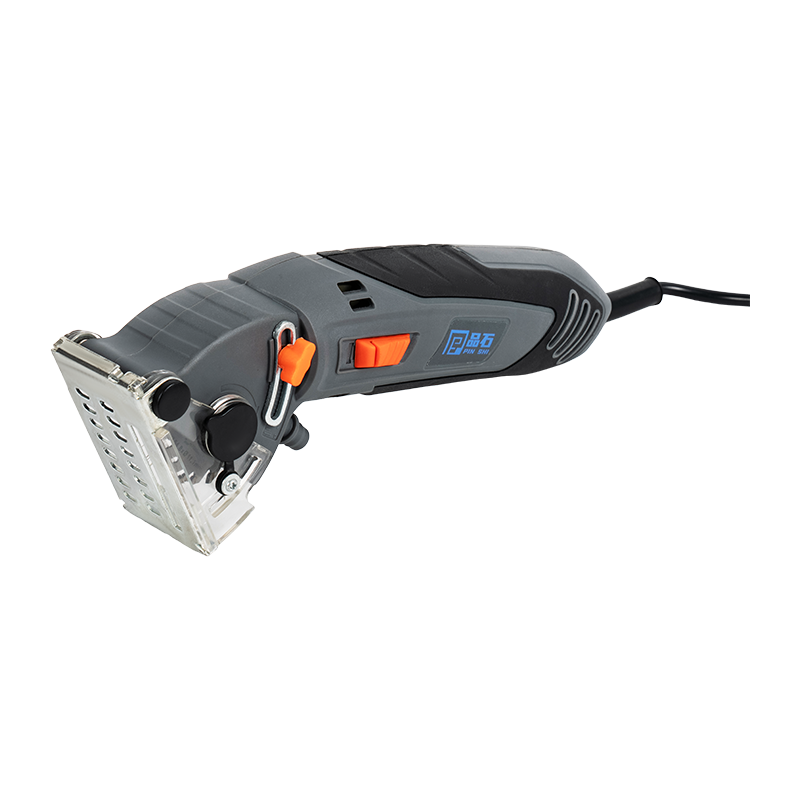
Input voltage(V) 230V/120V Mains frequency (Hz) 50Hz/60Hz Input power(W) 400W No-loading speed 3700rpm Cutting depth 0-12mm Blade diameter 54.8 mm Blade m...
See Details -
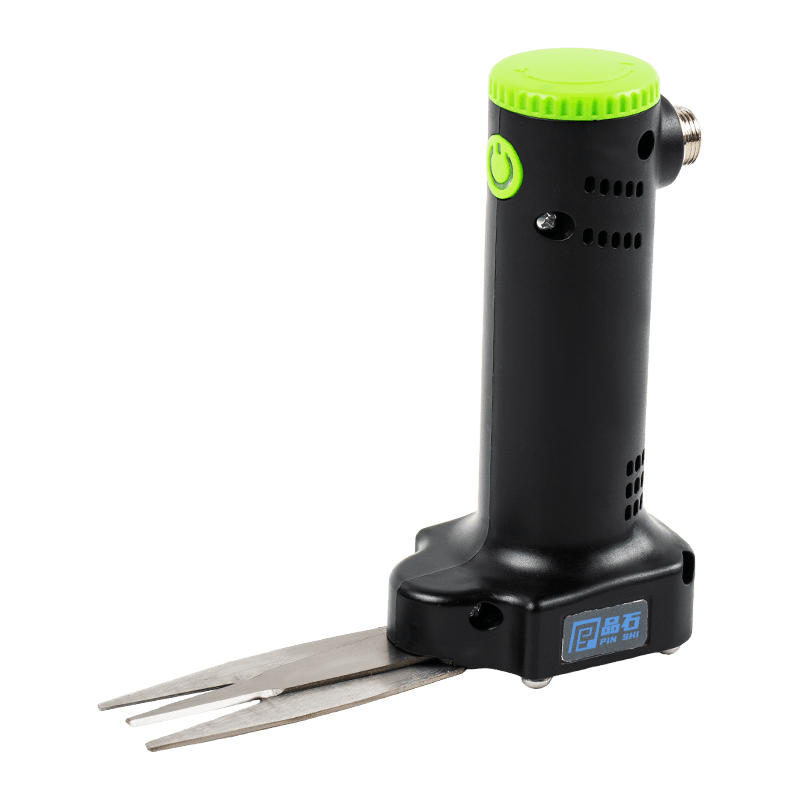
Input Voltage AC 100-240V 50-60Hz Working Voltage 24V (DC) Working Current 2A(max) Motor Type Brushless Motor No Load Speed 500 - 1350rpm Blade Material Stainless S...
See Details -
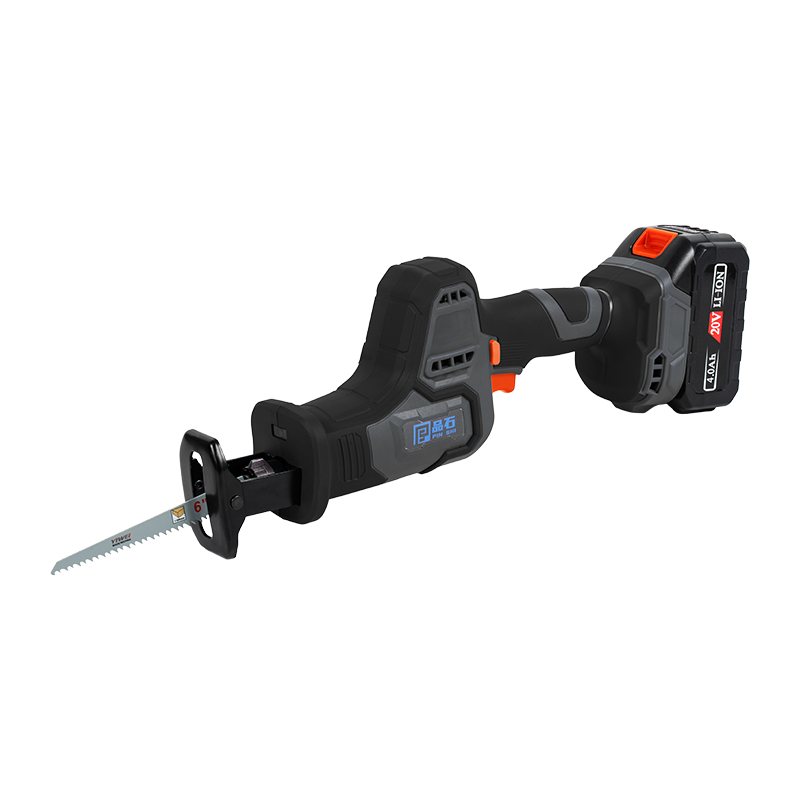
Voltage 20V (DC) Battery capacity 2.0Ah/3.0Ah Motor type Brushless motor No-loading strokes per minute 0-2600spm Reciprocating stroke 22mm Max cutting capacity ...
See Details -
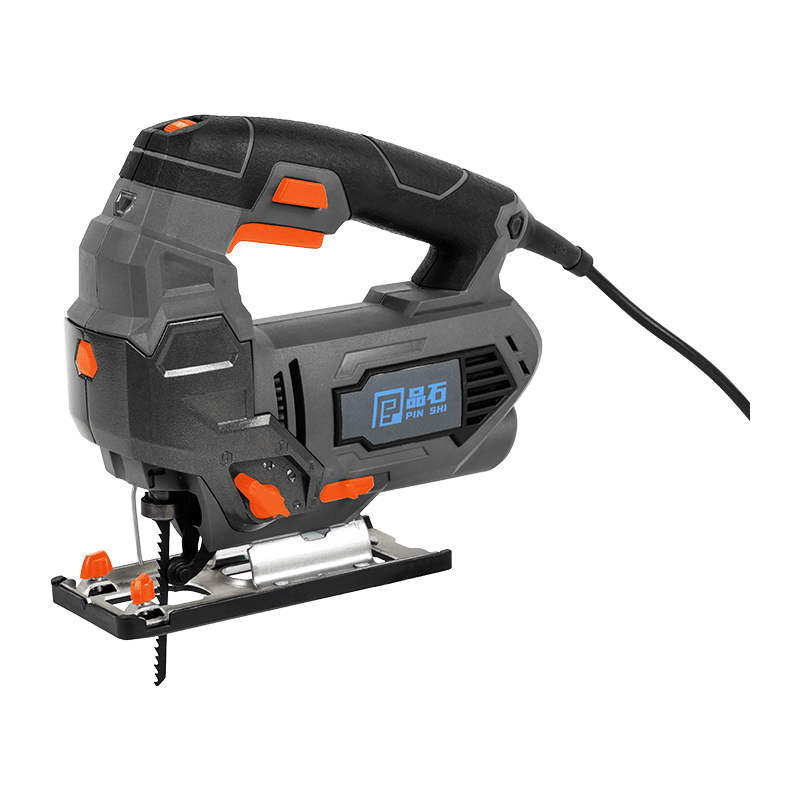
Input Voltage(V) 230V/120V Mains Frequency (Hz) 50Hz/60Hz Input Power(W) 800W No-Load Speed 0-3000/min Cutting Capacity Wood: 100mm;Steel: 10mm Plate Bevel Angle 0-...
See Details
Related News
-
In the rapidly evolving landscape of construction, automotive repair, and industrial assembly, one tool has consistently stood out as the backbone of ...
READ MORE -
What Exactly Is an Electric Screwdriver Today? The shifting meaning of "electric screwdriver" in modern tool ecosystems The term "electric screwdriver...
READ MORE -
Impact Wrench: Definition and Core Working Principle The Impact Wrench, often referred to in industrial circles as an air gun, air wrench, or electric...
READ MORE
-
LINK
-
product
-
Quick Contact
-
 Building 1, Floor 1, Industrial Zone, Zhongyi Village, Guolin Town, Haishu District, Ningbo City, Zhejiang Province, China
 -
 +86-13906619096
 -
 Michael@chinashimu.com
-
KEEP IN TOUCH
Copyright© Ningbo Pinshi Electromechanical Co., LTD.
