
 English
 русский
 Español
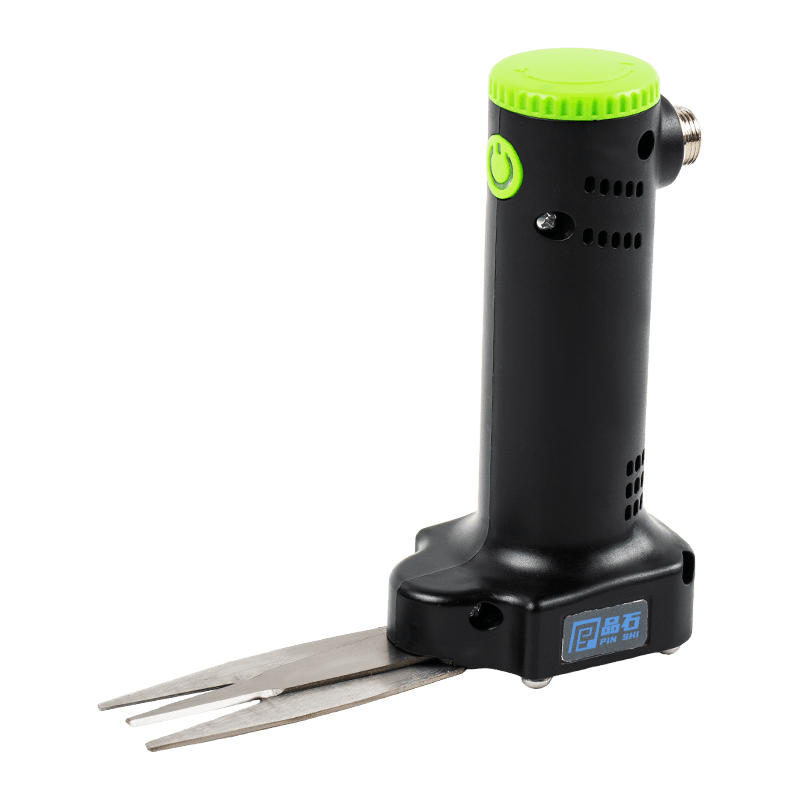
Voltage 12V (DC) Battery Capacity 1.5Ah/2.0Ah Motor Type Brush Motor No-Loading Speed 10000rpm Cutting Width 110mm/145mm Blade Type Round/Straight Metal Blade...
See Details-
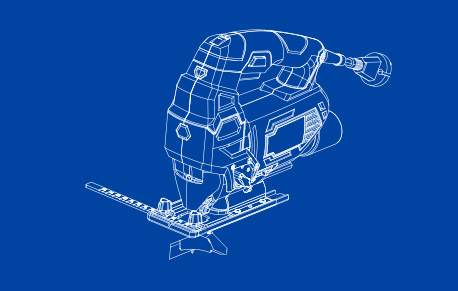
Electric Woodworking Saw
-
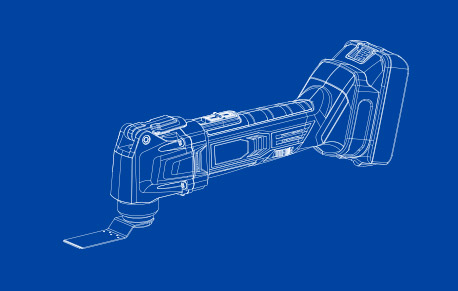
Multifunctional oscillating Saw
-
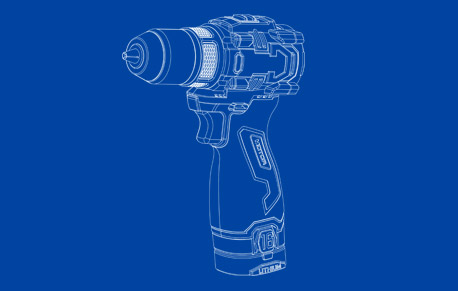
Power Drill
-
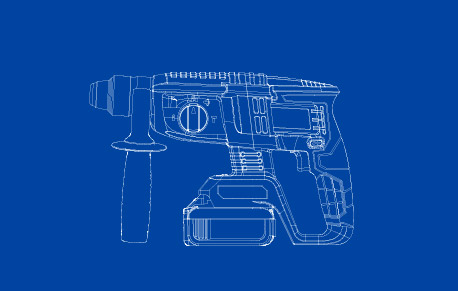
Rotary Hammer Drill
-
Impact Wrench
-
Electric Screwdriver
-
Angle Grinder
-
Handheld Pressure Washer
-
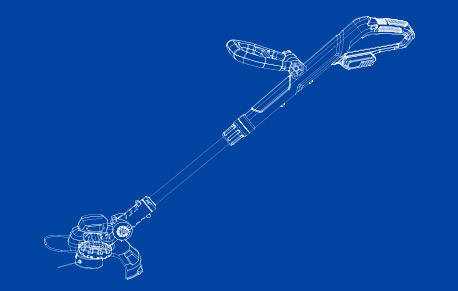
Handheld Lawn Mower
-
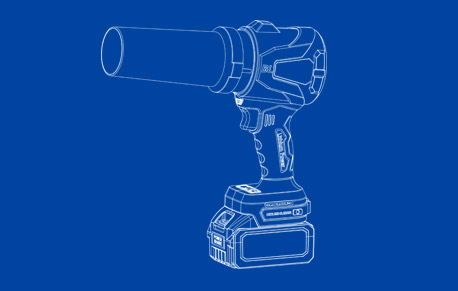
Lithium Turbo Jet Blower
-
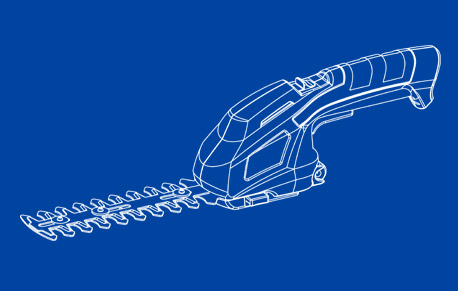
Electric Pruning Shears
-
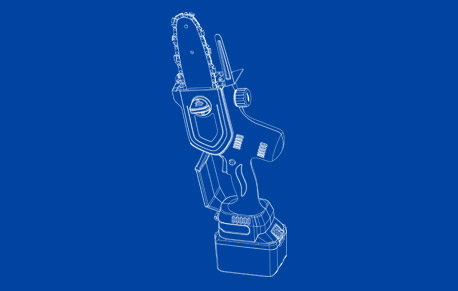
Lithium ChainSaw
-
Handheld Tiller Cultivator
-
Plant Watering Devices
-
Air Pump

Author: Admin Date: 2026-09-14
Construction Drills, Decoded: Types, Torque, Battery Power, and Buying Criteria
Construction Drills, Decoded: Types, Torque, Battery Power, and Buying Criteria
A field guide for crews, contractors, and procurement teams who need drilling machines that survive a full shift without a trip to the repair bench.
Three hours into drilling anchors into a poured concrete wall, the crew's drill began to smell of overheated insulation. The tool had worked fine for months of light framing, but construction drilling is a different discipline: sustained torque, harder materials, and no patience for machines that were never designed to carry continuous load.
The short conclusion: a construction drill should be judged by torque, impact capability, battery intelligence, and safety certification. Peak RPM and a familiar brand name tell you far less than these four criteria. Everything in this guide follows from that.
A construction drill is not a bigger version of a home drill. It is a different machine, engineered around different failure modes.
What Actually Counts as a Construction Drill
"Construction drill" is an umbrella term. On any given morning, a crew may use four or five distinct tools that all fall loosely into the category:
- Drill/driver: the generalist. Makes holes in wood, plastic, and steel, and drives screws when the clutch is set correctly.
- Hammer drill: a drill/driver with a mechanical impact function for brick, block, and light concrete.
- Rotary hammer: a pneumatic-impact machine for masonry and reinforced concrete, usually with an SDS chuck.
- Impact driver: a high-torque fastening tool; excellent for long screws and lag bolts, but the wrong choice for precision holes.
- Angle grinder: not a drill, but a constant companion for cutting rebar, bolts, and notches before or after drilling.
If you only buy one tool, a 20-volt brushless impact drill with a two-speed gearbox covers most jobsite work.
But if concrete appears on the schedule more than once a month, the rotary hammer is the tool that pays for itself.
If the scope includes rebar, continuous pours, or epoxy anchors, keep the rotary hammer dedicated to concrete and let the drill/driver handle everything else.
Corded or Cordless: The Jobsite Trade-Offs
Corded tools still have a place. They deliver constant power from the first second to the last, they never meet a dead battery halfway through a hole, and they cost less when a crew needs several drills on one cart. For long, repetitive drilling at a fixed bench, a corded machine with a high power rating stands its ground.
Cordless 20-volt platforms, however, now cover most construction drilling work, especially with brushless motors. The freedom to move up a ladder, across scaffolding, or through a half-finished frame without a cable outweighs the occasional battery swap.
| Factor | Corded | Cordless |
|---|---|---|
| Power delivery | Constant, limited only by the outlet | Dependent on battery state and discharge curve |
| Runtime | Unlimited | 20–60 minutes of continuous drilling per battery |
| Mobility | Restricted by cord length | Full site freedom, including scaffolding and roof work |
| Tool cost | Lower | Higher, plus the battery and charger investment |
| Best suited for | Bench work, high-volume drilling, fixed stations | Most construction, renovation, and service tasks |
The deciding question is not which technology is better. It is how many batteries you are willing to own, and whether your platform can also run the rest of your kit — drivers, grinders, and saws — on the same packs.
The Specifications That Deserve Your Attention
Two drills can look identical on the shelf and perform completely differently under load. These are the numbers worth comparing before you buy.
| Specification | Why it matters | What to look for |
|---|---|---|
| Voltage | Sets the power ceiling of the whole platform | 20V for construction-grade work; 12V only for light assembly |
| Torque (Nm) | Drives long screws and hole saws without stalling | 50 Nm and above for 20V brushless drills; much higher for impact drivers |
| Chuck type and size | A weak chuck slips exactly when the bit bites | Keyless all-metal 13 mm chuck with auto-lock |
| Motor type | Brushed motors lose power as the brushes wear | Brushless for runtime, heat, and lower maintenance |
| Battery capacity | Determines how long the tool works before stopping | 4.0 Ah minimum; 5.0 Ah or higher for full shifts |
| Safety marks | Confirms the tool passed independent testing | CE, GS, EMC on the nameplate |
Warning: no-load speed figures such as 3,000 rpm tell you almost nothing about drilling performance. A brushed motor can hit a high no-load number and then stall the moment the bit meets stone. Judge a drill by torque and impact energy, not the number printed in large type on the box.
Matching the Drill to the Material
Wood rewards speed control and clean bit seating. Steel demands low speed and high torque, a rigid chuck, and sharp HSS or cobalt bits. Masonry punishes general-purpose drills: for brick and block, a hammer drill with carbide-tipped bits will work, but reinforced concrete is where ordinary drills fail.
This is the most common procurement mistake on construction sites. A crew tries to make one drill handle everything, then blames the brand when the chuck overheats or the impact mechanism stops engaging. The solution is to match the tool class to the material before the job begins.
And because drilling rarely works in isolation, crews also need cutting and surface preparation: a compact brushless angle grinder trims rebar, grinds down welds, and opens notches that no drill can make.
Info: if your crew anchors into concrete weekly, make the rotary hammer the dedicated concrete tool and keep the drill/driver for wood, steel, and light masonry. Two specialized tools will outlast one overworked machine.
Brushless Motors and Battery Platforms
Brushless motors are not a marketing gimmick. They replace physical brushes with electronic commutation, which cuts friction, reduces heat, and improves efficiency under load. In practical terms, a brushless drill maintains consistent torque as the battery drains, runs longer on the same cell, and has fewer wearing parts.
The battery platform matters more than the individual tool. Once you commit to a 20V brushless system, every additional tool — impact driver, angle grinder, chainsaw, blower — shares the same packs and chargers. That common platform lowers spare-part inventory and keeps a crew running with two batteries rather than six incompatible ones. The broader intelligence and cordless trends in the power tool industry reinforce this shift, and buying a drill is effectively a bet on the platform's future.
Certifications and Compliance
Before a drill reaches a European jobsite, it usually carries CE, GS, or EMC marks. These certifications are not decorative stickers: they mean the tool was tested for electrical safety, mechanical risk, and electromagnetic compatibility, and that the manufacturer can produce documentation on demand.
For importers, distributors, and contractors who buy in volume, certification is a supply-chain decision. A factory that handles GS and CE compliance internally will bring a product to market faster and with less administrative friction than one that treats paperwork as an afterthought. As the core certification systems for power tools make clear, the cost of getting compliance wrong is far higher than the cost of choosing a factory with a disciplined quality system.
A Practical Checklist Before You Buy
Use this as a final filter when comparing construction drills.
- Name the hardest material your crew drills in a normal week, and buy the tool class that covers it.
- Compare torque and impact energy, not no-load RPM.
- Choose brushless if the drill will be used daily or in confined spaces.
- Stay on one battery voltage platform across all tools.
- Verify the chuck is all-metal, keyless, and at least 13 mm.
- Confirm CE, GS, and EMC marks are printed on the nameplate, not just in a brochure.
- Test the weight balance in hand; vibration fatigue is a real productivity killer.
- Add the total cost of ownership: batteries, charger, spare parts, and warranty terms.
The Bottom Line
A construction drill is a daily productivity investment. The machine that starts every morning with a full battery, drives holes through concrete without stalling, and comes with certification evidence is worth more than any tool with a larger marketing budget.
As a manufacturer, Pinshi builds corded and cordless drilling tools on shared 20V platforms, including brushless impact drills, rotary hammers, and companion machines. That perspective informs this advice: the right drill is the one tested for the material, specified for sustained load, and backed by certification you can actually verify.

-
Feedback
Related Products
-
-
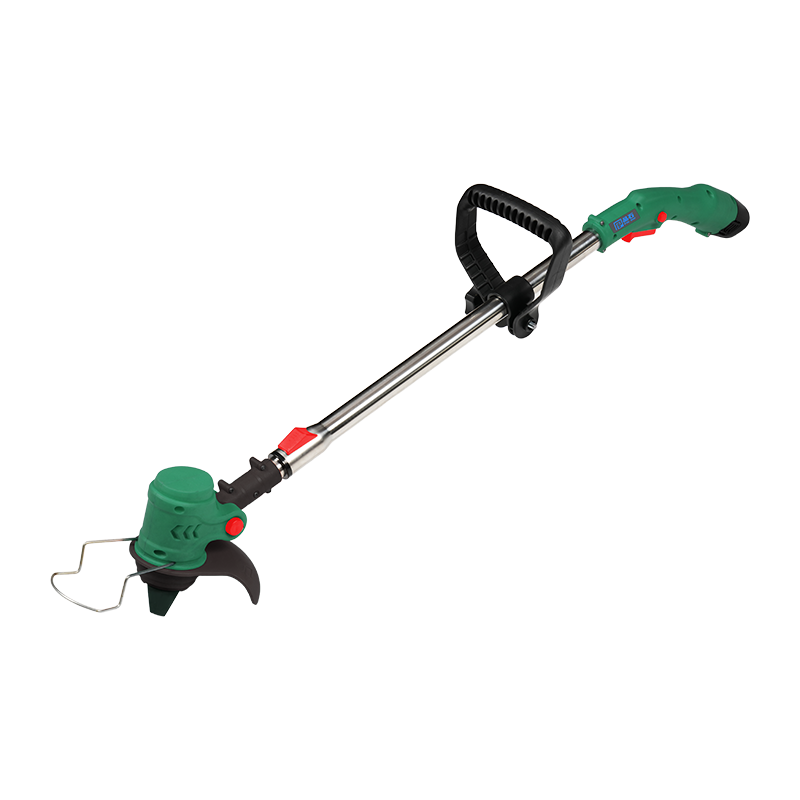
Input Voltage AC 100-240V 50-60Hz Working Voltage 24V (DC) Working Current 2A(max) Motor Type Brushless Motor No Load Speed 500 - 1350rpm Blade Material Stainless S...
See Details
Related News
-
In the rapidly evolving landscape of construction, automotive repair, and industrial assembly, one tool has consistently stood out as the backbone of ...
READ MORE -
What Exactly Is an Electric Screwdriver Today? The shifting meaning of "electric screwdriver" in modern tool ecosystems The term "electric screwdriver...
READ MORE -
Impact Wrench: Definition and Core Working Principle The Impact Wrench, often referred to in industrial circles as an air gun, air wrench, or electric...
READ MORE
-
LINK
-
product
-
Quick Contact
-
 Building 1, Floor 1, Industrial Zone, Zhongyi Village, Guolin Town, Haishu District, Ningbo City, Zhejiang Province, China
 -
 +86-13906619096
 -
 Michael@chinashimu.com
-
KEEP IN TOUCH
Copyright© Ningbo Pinshi Electromechanical Co., LTD.
