
 English
 русский
 Español
Voltage 20V(DC) Battery capacity 3.0Ah/4.0Ah Motor type Brushless motor Modes 3 Impact energy 3.0J No-loading speed 0-1000rpm Impact rate 0-4500bpm Chuck...
See Details-
Electric Woodworking Saw
-
Multifunctional oscillating Saw
-
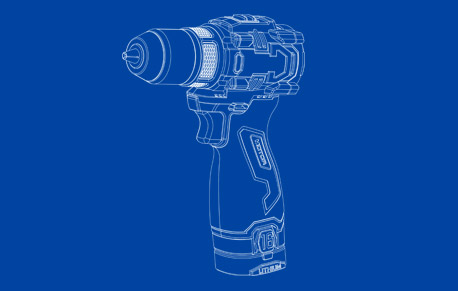
Power Drill
-
Rotary Hammer Drill
-
Impact Wrench
-
Electric Screwdriver
-
Angle Grinder
-
Handheld Pressure Washer
-
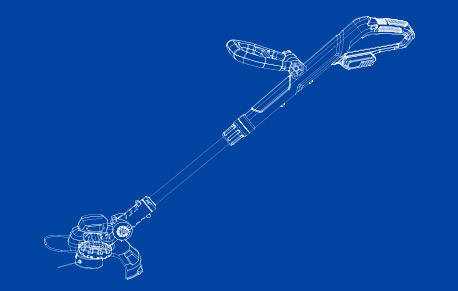
Handheld Lawn Mower
-
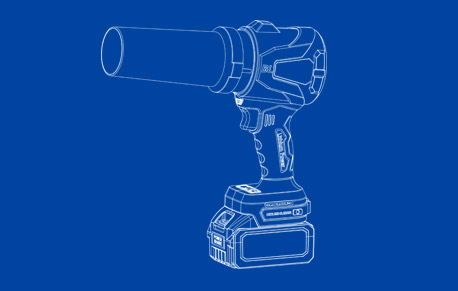
Lithium Turbo Jet Blower
-
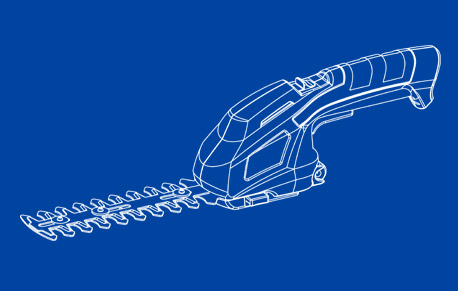
Electric Pruning Shears
-
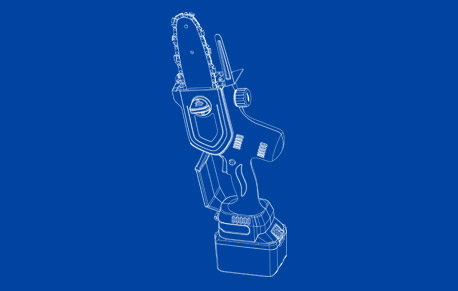
Lithium ChainSaw
-
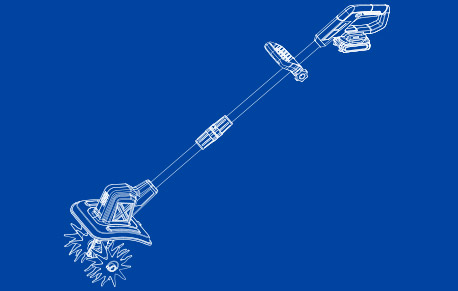
Handheld Tiller Cultivator
-
Plant Watering Devices
-
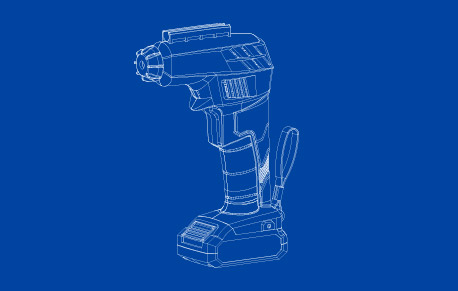
Air Pump

Author: Admin Date: 2026-09-21
Hammer Drill vs. Drill Driver: What's the Difference, Explained Simply
Power Tool Buying Guide
Hammer Drill or Drill Driver? The Difference That Decides the Job
Two tools, one shelf, and a wall that may be timber or concrete. The choice between them decides how long the job takes, how clean the holes are, and whether the bit survives the afternoon.
Picture the most common drill moment at home: mounting a shelf, assembling a cabinet, hanging a curtain track. You reach for the nearest drill, and the label says drill driver. It is the right tool for wood, drywall, and screws. The trouble starts when the same task moves to brick or concrete — the bit spins, the motor strains, and progress disappears.
Here is the direct answer: choose a drill driver for wood, metal, plastic, drywall, and screwdriving. Choose a hammer drill when concrete, brick, or masonry block is part of the job. Everything else — torque, weight, price, and battery strategy — follows from that first decision.
What a Drill Driver Does Best
A drill driver is the intelligent basic drill: an electric motor turns a chuck, the chuck holds the bit, and your hand supplies the pressure. Two details make it more than a raw drill. An adjustable clutch — the numbered ring behind the chuck — releases the drive when a screw meets resistance, so heads do not strip and threads do not sink too deep. A variable-speed trigger lets you start slowly for precise pilot holes, then open up for faster drilling.
That clutch and speed combination makes a drill driver genuinely good at fastening, not just drilling. On a typical 20-volt model you can drill a pilot hole in pine, swap bits, and drive a cabinet screw without changing tools. The jobs it handles well are the ones that fill most of a home workshop day:
- Drilling wood, plywood, MDF, and drywall for dowels and fittings
- Driving screws and self-tapping fasteners up to roughly 10 millimetres
- Drilling thin aluminium and sheet steel with HSS bits
- Furniture assembly, hinges, curtain tracks, and repairs
What a drill driver cannot do is strike. Against concrete or brick, the bit skates over the surface, and pressing harder only overheats the motor while dulling a standard twist bit in seconds. Masonry is outside its job description.
What a Hammer Drill Adds
A hammer drill looks much the same, but an internal mechanism converts part of the motor's rotation into rapid back-and-forth motion. In hammer mode the chuck hammers forward while it spins — typically tens of thousands of impacts per minute. Each impact chips the concrete ahead of the bit, allowing a carbide-tipped masonry bit to bite deeper.
The key detail is the word mode. Most modern hammer drills let you switch the hammering off and use the tool as a normal drill driver, so you get two tools in one housing: a daily drill/driver and a masonry-capable drill for brick and concrete.
A hammer drill is not a rotary hammer. It is a drill driver that kicks forward as it spins — fast enough for anchors and concrete screws, without the weight or cost of an SDS demolition machine.
That distinction sets expectations. A hammer drill handles occasional masonry: rawl plugs, anchor bolts, holes under 10 millimetres, and fixings into brick mortar. It is not built for sustained deep drilling in reinforced concrete — that belongs to an SDS rotary hammer with its piston mechanism and dedicated chuck.
Warning
Never use standard wood or metal twist bits in hammer mode; the impact action shatters their cutting edges. Use carbide-tipped masonry bits and let the hammering do the work — light pressure, never your full weight on the handle.
The Key Differences at a Glance
Comparing two tools side by side? These are the areas that explain most of the practical difference.
| Area | Drill driver | Hammer drill |
|---|---|---|
| Primary purpose | Wood, metal, plastic, drywall; screwdriving | All of the above, plus concrete, brick, and block |
| Hammer mechanism | None | Electromechanical hammering, switchable |
| Chuck | Keyless three-jaw, typically 1.5–13 mm | Keyless three-jaw, similar range but rated for impact loads |
| Clutch | Adjustable; protects screw heads and threads | Adjustable in drill/driver mode; hammer mode uses a fixed high-torque path |
| Speed and feel | Variable trigger, one or two gears; responsive | Variable trigger; hammer mode adds thousands of impacts per minute |
| Weight | Lighter, balanced toward the grip | Heavier; extra mechanism increases front-end mass |
| Best suited for | Furniture, cabinetry, drywall, light metalwork | Concrete anchors, masonry plugs, deck ledgers, brick fixings |
Practical tip
If you can buy only one and your walls are brick or concrete, buy the hammer drill with a mode switch. In drill/driver mode it works like a screwdriving tool; in hammer mode it carries masonry work. It will not feel as refined as a dedicated drill driver, but it covers both worlds.
Torque, Clutch, and Control: Why They Feel Different
Specifications do not tell the whole story. Torque, in newton-metres, describes twisting force: a 20-volt drill driver for assembly work typically delivers 30–50 Nm, plenty for screws up to 10 millimetres. A comparable hammer drill often reaches 50–90 Nm, because the motor's output is shared with the hammering mechanism. Useful torque, yes — but it comes with added bulk.
The clutch shows the design priority. A good drill driver has a wide range of clutch settings, because its purpose is driving many screw sizes without damage. Many hammer drills have a clutch ring too, but hammer mode uses a fixed, high-torque path. Switch back to drill/driver mode whenever the job needs finesse.
Speed feels different for the same reason. Both tools have a variable-speed trigger and, typically, a two-speed gearbox — low gear for screws, high gear for drilling. A dedicated drill driver feels crisper in high gear, because no hammering assembly is dragging inside the housing.
Note
When comparing a brushless drill driver and a brushless hammer drill on the same battery, the numbers that matter are maximum torque, the range of clutch settings, and total weight. Brushless motors improve runtime and low-speed control, which is why most serious lines now use them.
Which One Should You Buy
Forget the marketing photos and answer one honest question: what do you actually drill in a normal week?
- If you hang shelves, assemble flat-pack furniture, and drill timber — buy a drill driver.
- If you fix into brick or concrete even a few times a month — buy a hammer drill with a switchable mode.
- If you work in reinforced concrete regularly or install long anchors — buy an SDS rotary hammer, plus a compact drill driver for everything else.
A renovation is the classic situation where a hammer drill proves its worth. You are fixing battens, window boxes, and curtain tracks into brick, with 6–8 millimetre holes — exactly its comfort zone. It stops being comfortable the day you need forty holes in a foundation wall: the tool heats up, the bits dull, and the job crawls.
There is also a strategic angle. If you are building a collection around one battery family — a sensible move — check that the manufacturer offers both types on the same voltage. A 20-volt brushless drill driver for cabinet work and a 20-volt hammer drill for masonry days means one charger, one ecosystem, and no second platform cluttering the drawer.
For business buyers, certification matters more than colour. Tools sold in Europe should carry CE marking; GS adds independent safety testing, and EMC covers electromagnetic compatibility. A manufacturer stating these approvals openly is signalling a quality system built for distribution.
Know the limit
Do not book a hammer drill for a full day of concrete work. Sustained hammer mode generates serious heat, wears the mechanical impact parts, and burns through masonry bits. If you need more than a few dozen holes, rent an SDS rotary hammer for the day.
The practical difference between a hammer drill and a drill driver is mechanical, not marketing. A drill driver is the better daily companion: lighter, more precise with screws, easier on your forearm. A hammer drill is the better purchase when you live with brick, block, or concrete, because it adds switchable impact while still working as a normal drill. Match the tool to your material, and the job follows.

-
Feedback
Related Products
-
-
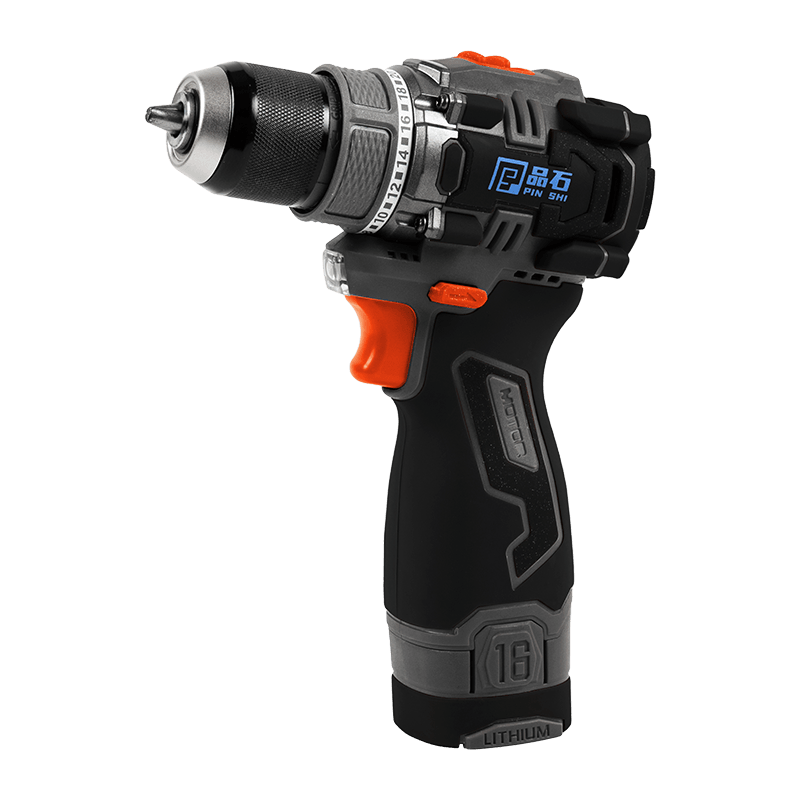
Voltage 16V (DC) Battery capacity 1.5Ah /2.0Ah Motor type Brushless motor Two speed 0-430rpm/0-1800rpm Chuck capacity 10mm Max. Drill capacity 10mm(Steel)20mm(Wood)...
See Details -
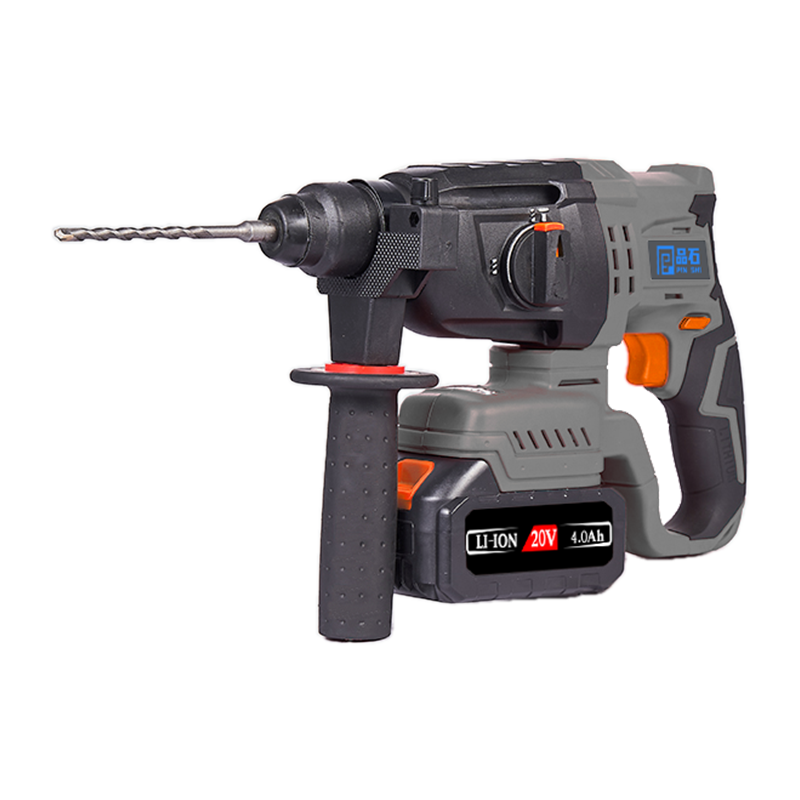
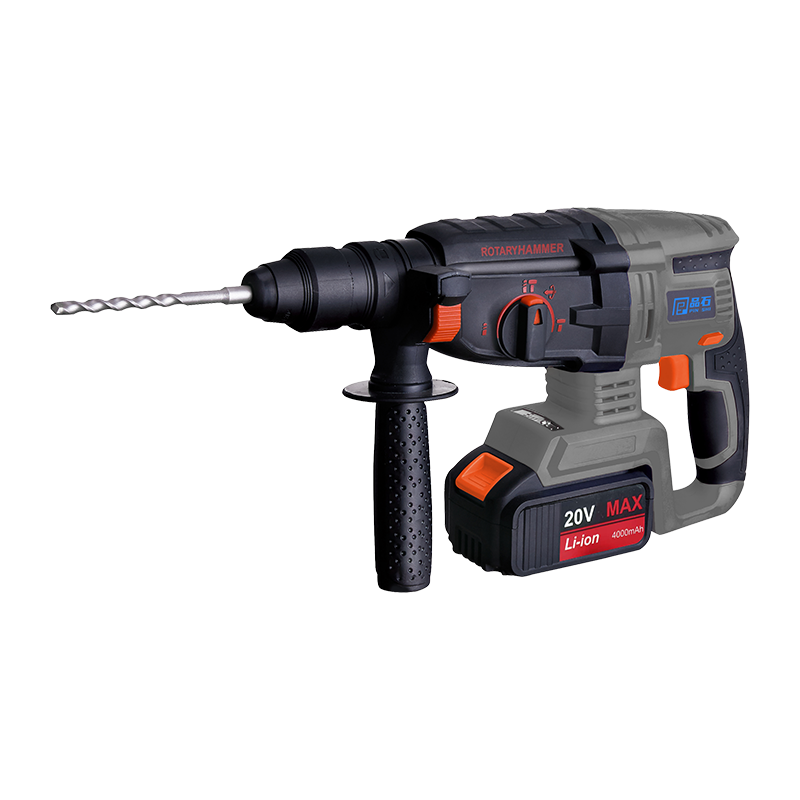
Voltage 20V (DC) Battery capacity 3.0Ah/4.0Ah Motor type Brushless motor Modes 2 Impact energy 1.7J No-loading speed 0-1000rpm Impact rate 0-4500bpm Chuck...
See Details -
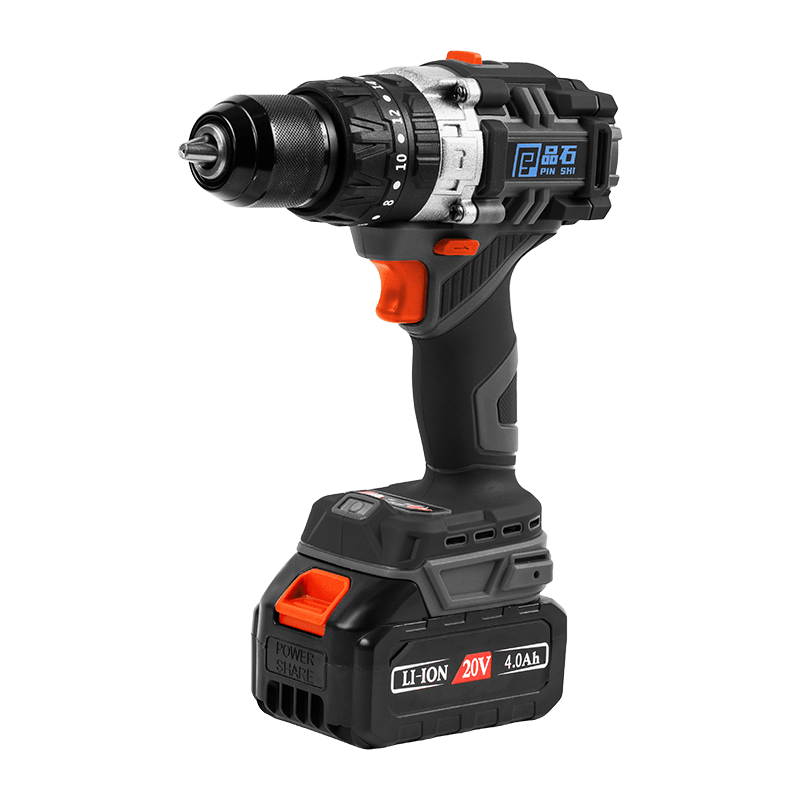
Voltage 20V (DC) Battery capacity 2.0Ah/3.0Ah/4.0Ah Motor type Brushless motor Two speed 0-550rpm/0-1900rpm Max.Impact rate 0-8250bpm /0-28500bpm Chuck capacity 13...
See Details -
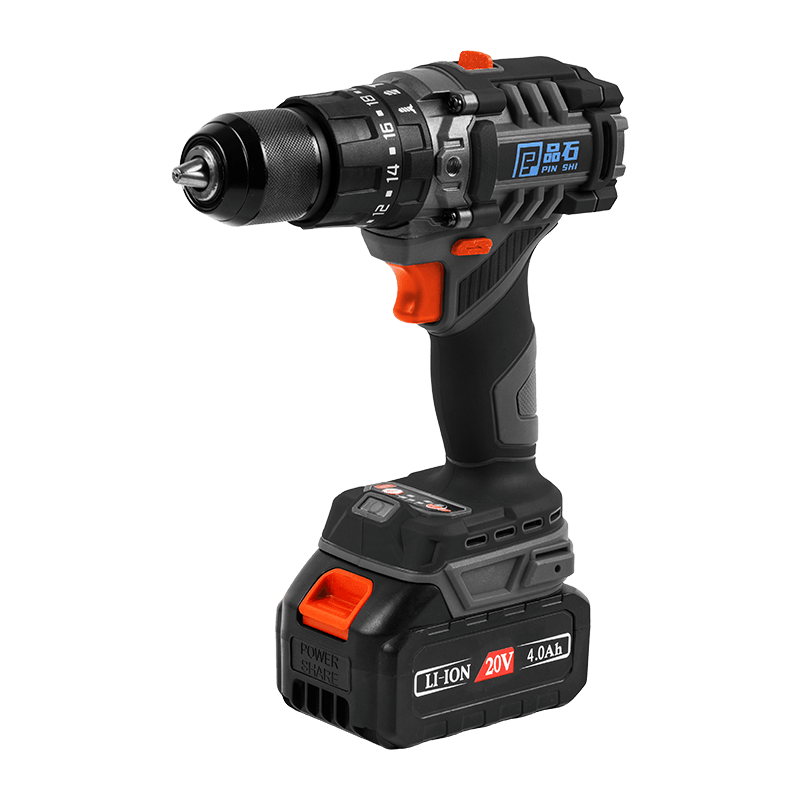
With pulse and anti-twist function Voltage 20V (DC) Battery capacity 2.0Ah/3.0Ah/4.0Ah Motor type Brushless motor High no-load speed 1st gear 0-1250rpm 2st gear 0-1650rpm 3...
See Details -
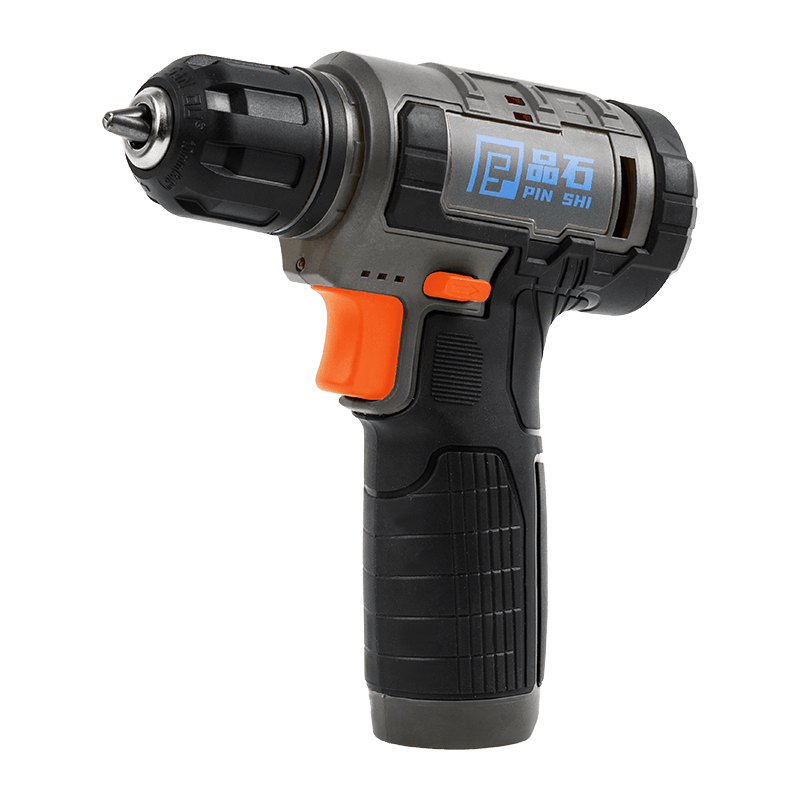
Voltage 8V (DC) Battery capacity 1.5Ah /2.0Ah Motor type Brush motor No–loading speed 0-800rpm Chuck capacity 0.8-10mm Max. Drill capacity 3mm(Steel)10mm(Wood...
See Details
Related News
-
In the rapidly evolving landscape of construction, automotive repair, and industrial assembly, one tool has consistently stood out as the backbone of ...
READ MORE -
What Exactly Is an Electric Screwdriver Today? The shifting meaning of "electric screwdriver" in modern tool ecosystems The term "electric screwdriver...
READ MORE -
Impact Wrench: Definition and Core Working Principle The Impact Wrench, often referred to in industrial circles as an air gun, air wrench, or electric...
READ MORE
-
LINK
-
product
-
Quick Contact
-
 Building 1, Floor 1, Industrial Zone, Zhongyi Village, Guolin Town, Haishu District, Ningbo City, Zhejiang Province, China
 -
 +86-13906619096
 -
 Michael@chinashimu.com
-
KEEP IN TOUCH
Copyright© Ningbo Pinshi Electromechanical Co., LTD.
