
 English
 русский
 Español
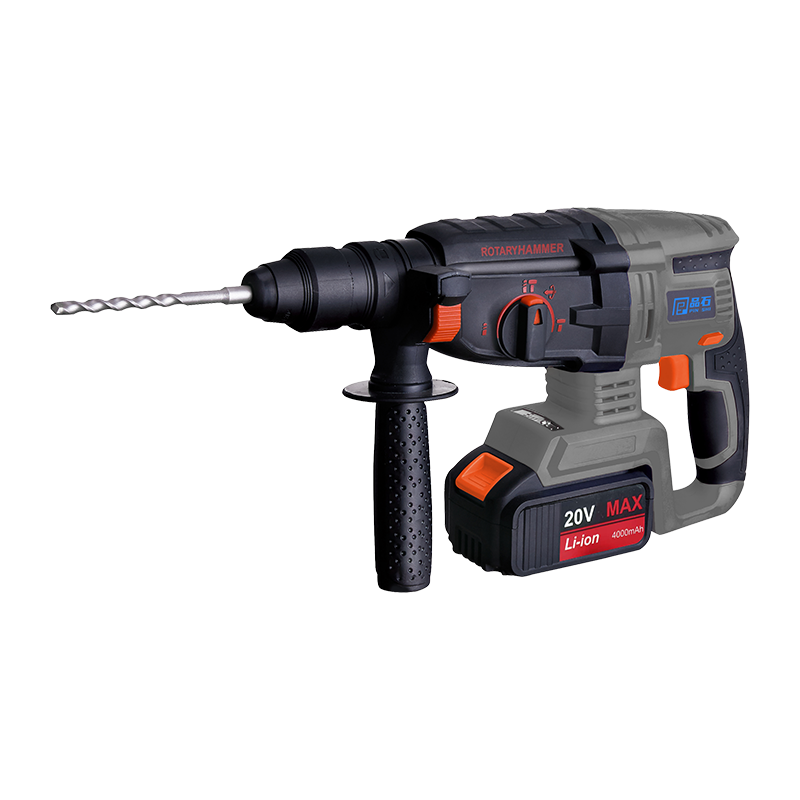
Voltage 20V(DC) Battery capacity 3.0Ah/4.0Ah Motor type Brushless motor Modes 3 Impact energy 3.0J No-loading speed 0-1000rpm Impact rate 0-4500bpm Chuck...
See Details-
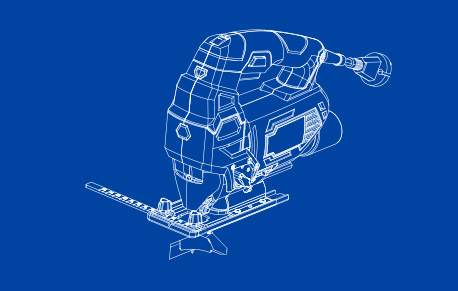
Electric Woodworking Saw
-
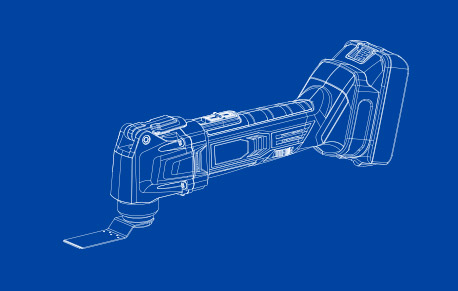
Multifunctional oscillating Saw
-
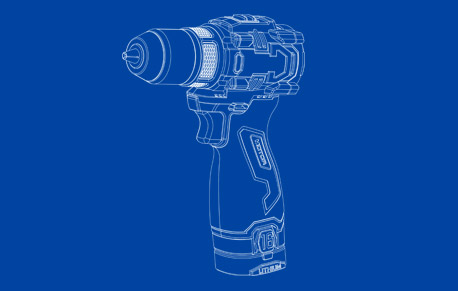
Power Drill
-
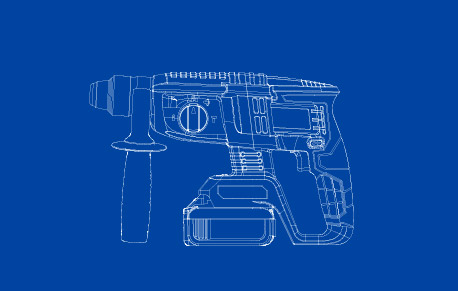
Rotary Hammer Drill
-
Impact Wrench
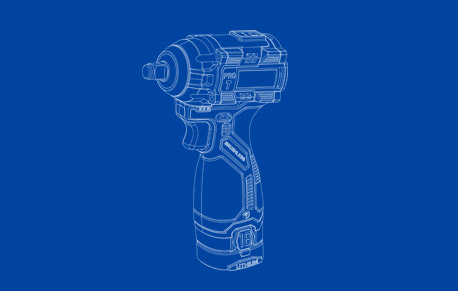
-
Electric Screwdriver
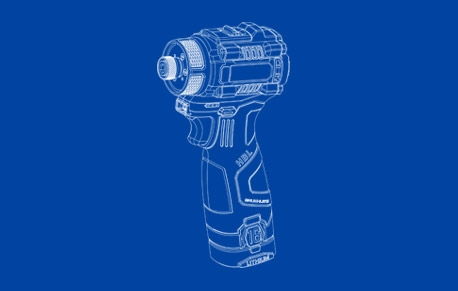
-
Angle Grinder
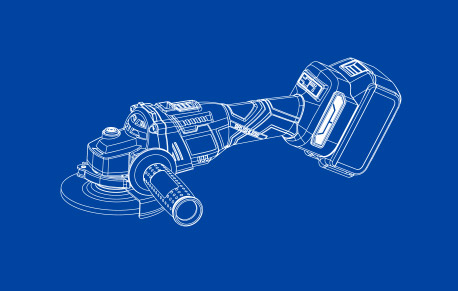
-
Handheld Pressure Washer
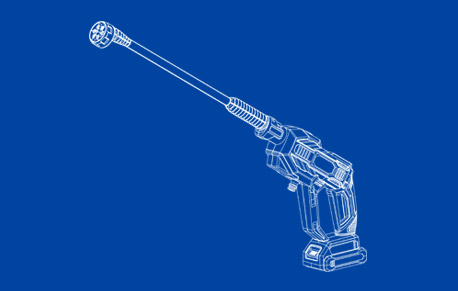
-
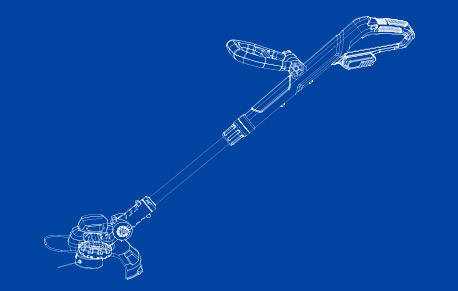
Handheld Lawn Mower
-
Lithium Turbo Jet Blower

-
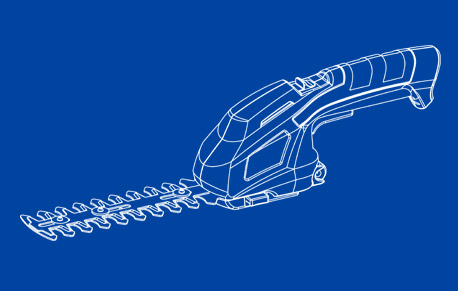
Electric Pruning Shears
-
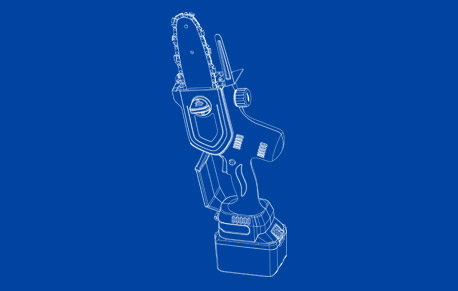
Lithium ChainSaw
-
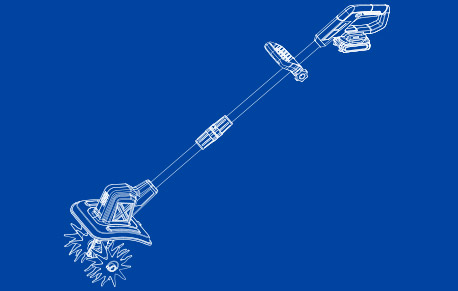
Handheld Tiller Cultivator
-
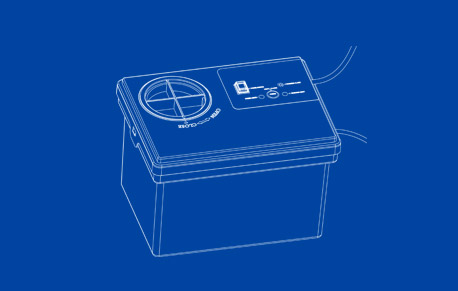
Plant Watering Devices
-
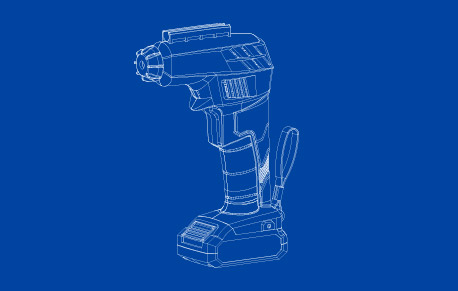
Air Pump

Author: Admin Date: 2026-09-27
The Best Cordless Electric Pruners: A Buyer's Guide for Professional Results
Garden Tool Intelligence
Cordless Electric Pruners: Precision Without the Grip Fatigue
A field-level look at why battery-powered pruning shears have become standard equipment for orchard managers, vineyard crews, and serious gardeners — and how to choose the one that earns its place.
The last few branches of a long pruning shift reveal what manual shears actually cost you. Grip weakens, cuts drift, and the hand that started crisp at seven in the morning feels dull by noon. That fatigue is why cordless electric pruners now sit in most professional work vehicles.
The short version: a well-built cordless pruner with a clean bypass blade and a dependable 20V battery cuts faster, stays consistent longer, and takes far less out of your hands than manual shears on any job beyond a few hundred cuts. The trade-offs — cost, weight, blade upkeep, and battery planning — are real, but for steady pruning work, the benefits win.
Why It Matters
The Case for Cordless Electric Pruners
The arithmetic is simple. A mature apple tree demands several hundred cuts; a vineyard row several thousand. Manual shears need roughly the same grip force for every cut, and that force compounds through a session. The result is a measurable drop in cut quality, which directly influences how well plants heal.
Cordless electric pruners separate the cutting action from hand strength. The motor drives the blade, while your hand guides the tool. The practical differences are immediate:
- Consistent cut quality. Clean, even cuts that remain accurate after hours of work instead of drifting as fatigue sets in.
- Higher output. A one-to-two-second cut cycle lets you finish the same row in roughly half the time of hand shears.
- Reduced strain. Hands, wrists, and elbows carry far less repeated load, which matters when pruning is a daily task for an entire season.
Not every pruner performs equally, though. The integration of blade geometry, cutting force, trigger response, and battery delivery determines whether the tool becomes essential equipment or a frustrating accessory.
Cut quality is the first thing that drops when the hand starts to fatigue. A cordless pruner does not just save your grip; it protects the quality of every cut you make.
What to Compare
The Specifications That Decide the Outcome
A cordless electric pruner looks simple on paper, but the market spans light 7.2V trimmers and heavy 20V professional shears. Compare what each specification actually does to the work.
| Specification | What It Affects | What to Look For |
|---|---|---|
| Blade design | Cut quality on living and dead wood | Bypass blade for green growth; anvil blade for dry wood |
| Cutting force | Maximum branch diameter | Stronger motors handle thicker wood and resist stalling |
| Battery voltage | Power ceiling and runtime | 20V platform for sustained professional use |
| Blade material | Sharpness and long-term cost | Hardened steel with replaceable blades |
| Tool weight | Hand fatigue over hours | A balanced design under 2.5 kg is a sensible benchmark |
| Weather resistance | Outdoor reliability | IPX4 rating or higher is advisable |
Two less obvious details deserve attention. Blade geometry determines how the tool handles growth: a bypass blade slides past the lower jaw for a clean cut on living wood, while an anvil blade presses against a flat surface for dead or dry material. Most pruners ship with a bypass blade, which suits typical orchard work; choose an anvil type if dry wood dominates your jobs.
Trigger response is the second detail. Some models use a two-step trigger — light squeeze positions the blade, firmer squeeze fires the cut. Over thousands of cuts, a trigger that demands heavy finger pressure simply moves the fatigue from palm to finger.
Keep It Sharp
A cleanly aligned blade is the difference between a smooth cut and a crushing one. Damaged blades tear plant tissue, increasing the risk of disease and slowing plant recovery.
Power Management
Battery Platforms Matter More Than You Think
The battery is the part of a pruner you handle most often, yet it is usually an afterthought. Voltage sets the power ceiling: light 7.2V to 12V pruners suit short sessions on thin growth, while professional work realistically needs a 20V platform that holds force through thicker wood and shares packs with other tools.
Two battery factors rarely get discussed but frequently decide satisfaction:
- Runtime under real load, not on paper. Quoted capacity means little if a 20mm branch drains the pack after a dozen cuts. Match battery capacity to the hardest work you actually do.
- Charging and hot-swapping. Daily professional use demands at least two batteries and a fast charger; when the pack runs out, the charging cycle becomes the bottleneck.
Cold Weather Note
Lithium-ion packs lose performance in low temperatures. During winter pruning, keep spare batteries in an insulated pocket or close to your body, and swap them rather than pushing a sluggish pack.
Built for the Long Day
Professional Thresholds That Separate Tools
Arborists, orchard managers, and vineyard crews hold pruners to a stricter standard. A weekend gardener makes a few dozen cuts; a professional makes thousands, and the acceptance criteria shift accordingly.
Three elements decide daily worth. Duty cycle: the motor must deliver full force after an hour of continuous use, without thermal shutdown. Serviceability: the blade should be easy to remove, reverse, or replace without disassembling the chassis. Safety: the blade must stop quickly, and the trigger should require an intentional squeeze, especially on a ladder.
Safety First
A cordless pruner severs soft branch wood in under a second. Keep your off-hand fingers and any nearby cables well away from the blade zone, and never carry the tool horizontally with your hand near the blade opening.
A simple end-of-season test separates honest tools from marketing. Does the blade still close cleanly along its full length? Is there play in the jaw pivot? Does a full battery still produce day-one cutting speed? Those three indicators tell you whether the pruner was built to its price point or merely priced to look the part.
Honest Boundaries
When a Cordless Pruner Is the Wrong Tool
It would be misleading to claim cordless pruners replace hand shears everywhere. Fine, detailed shaping — bonsai, topiary, or intricate fruit-tree training — rewards the tactile feedback of manual blades. Very delicate green growth can be bruised even by a well-aligned powered blade, and a handful of cuts hardly justifies the battery check and the weight.
The honest guidance is to buy when the volume of repetitive cutting justifies the cost. For a modest home garden, manual shears remain the sensible primary tool. For serious garden work, orchard care, or small commercial use, a cordless pruner pays for itself in one season of saved hours and spared joints.
Maintenance Matters
Avoid storing a pruner with a nearly empty battery in freezing conditions, and follow the manufacturer's blade lubrication schedule. Neglected blades turn a well-designed tool into a crushing one faster than any motor failure will.
The Takeaway
Choose Based on the Work You Actually Do
Choosing a cordless electric pruner comes down to honesty about the work in front of you. If you prune repetitively and in volume, the purchase is a workflow improvement, not a luxury: it protects your joints and the quality of every cut. The right tool balances a clean-cutting bypass blade, a 20V battery platform, simple serviceability, and a trigger that responds to your hand.
With those basics covered, the marketing claims become easy to filter. A pruner that feels right at the start of a shift and still cuts cleanly at the eighth hour is the one worth buying.

-
Feedback
Related Products
-
-
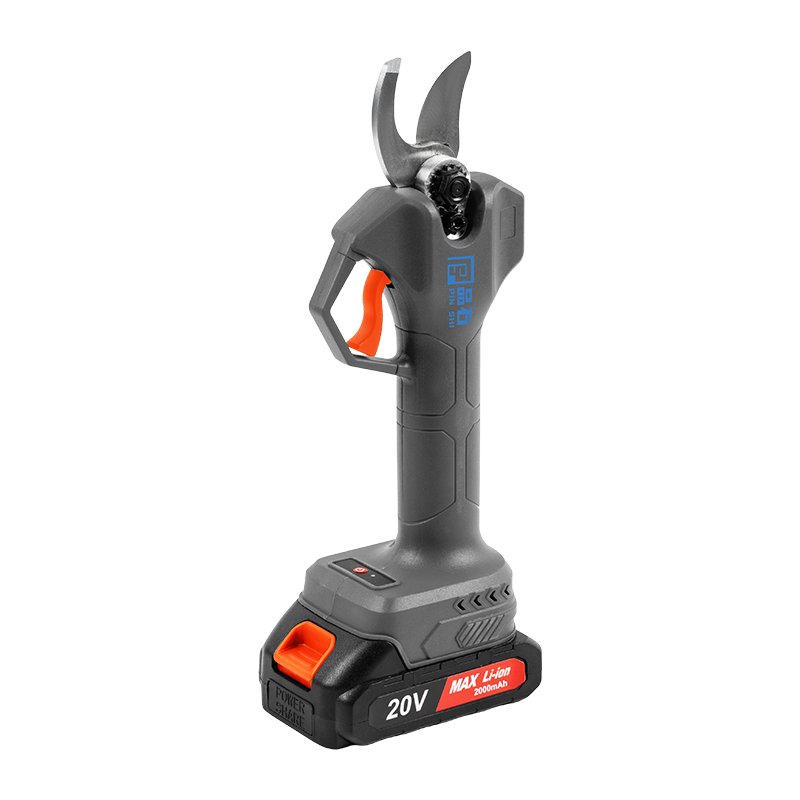
Voltage 20V (DC) Battery capacity 1.5Ah/2.0Ah/3.0Ah Motor type Brushless motor Shear diameter 25mm Charger 21V 0.5A/1.2A/2A Blade material SK5 Time of use 4-5...
See Details -
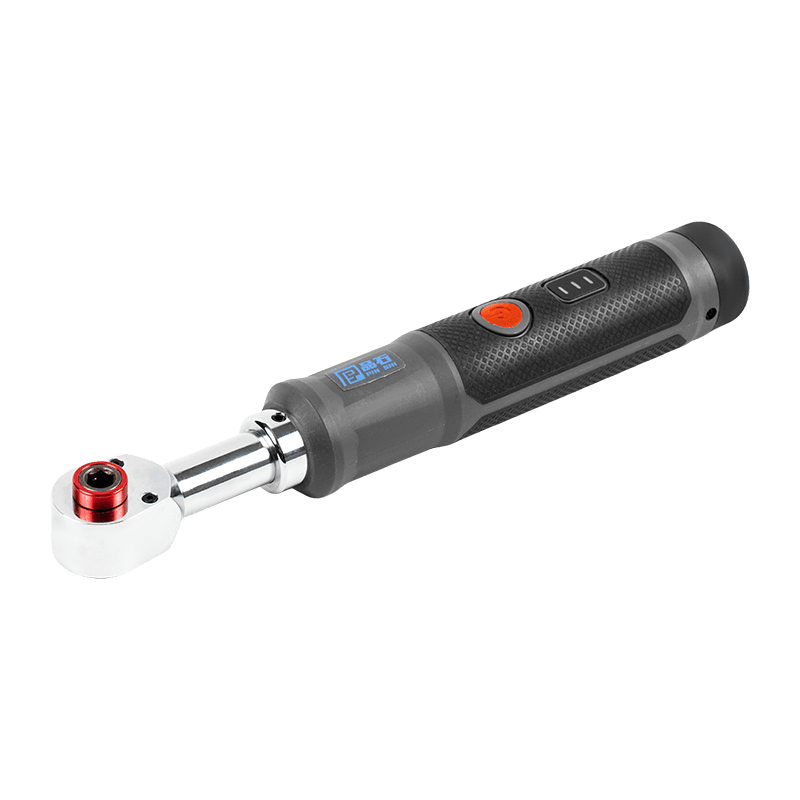
Voltage 4V (DC) Battery capacity 1.5Ah/2.0Ah Motor type Brush motor No–loading speed 380rpm Collet 1/4"Hex(6.35mm) Square drive size 1/4"(6.35mm),3/8"(9.5mm) Ma...
See Details -
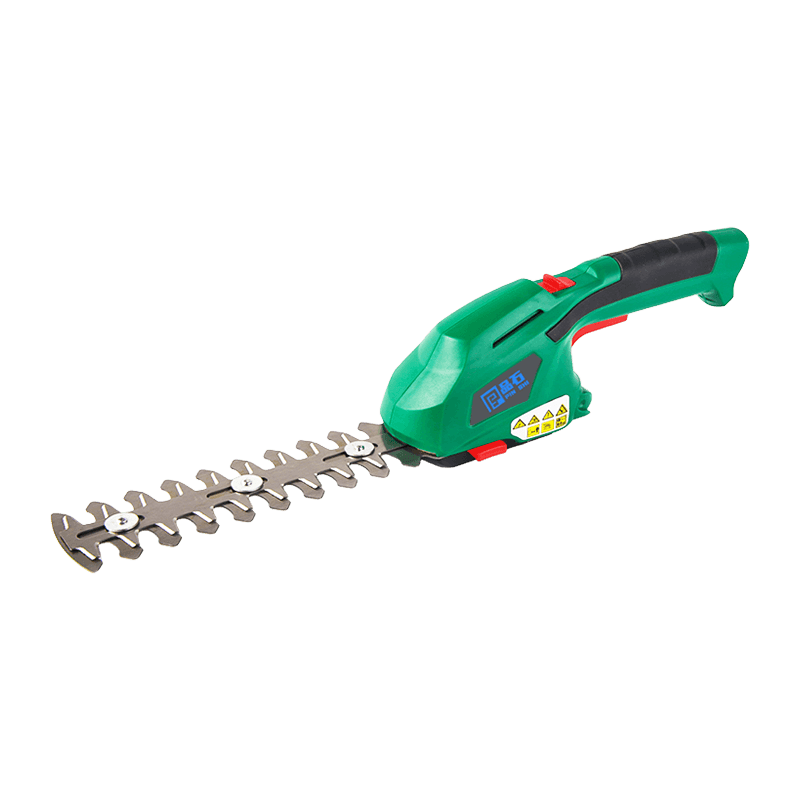
Voltage 3.6V/7.2V (DC) Battery capacity 1.3Ah/1.5Ah Motor type Brush motor Cutting length 160mm (Shrub) No-loading time >60mins (Shrub) Cutting length 80mm (Gr...
See Details -
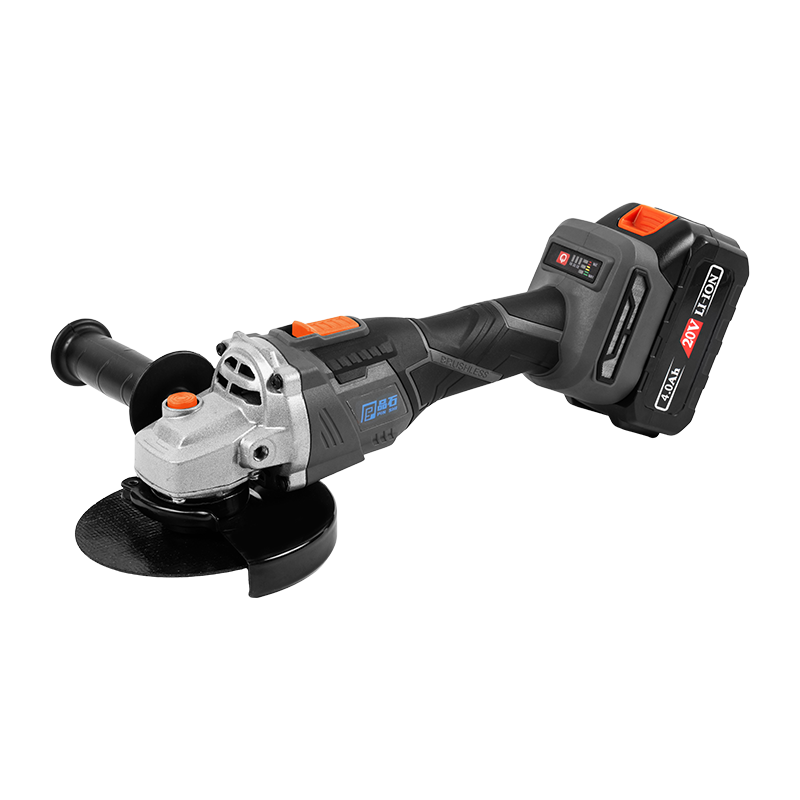
Voltage 20V (DC) Battery Capacity 3.0Ah/4.0Ah Motor Type Brushless Motor No-Loading Speed 5000-8500rpm Disc Size 125mm Spindle Thread M14 Charger 21V...
See Details -
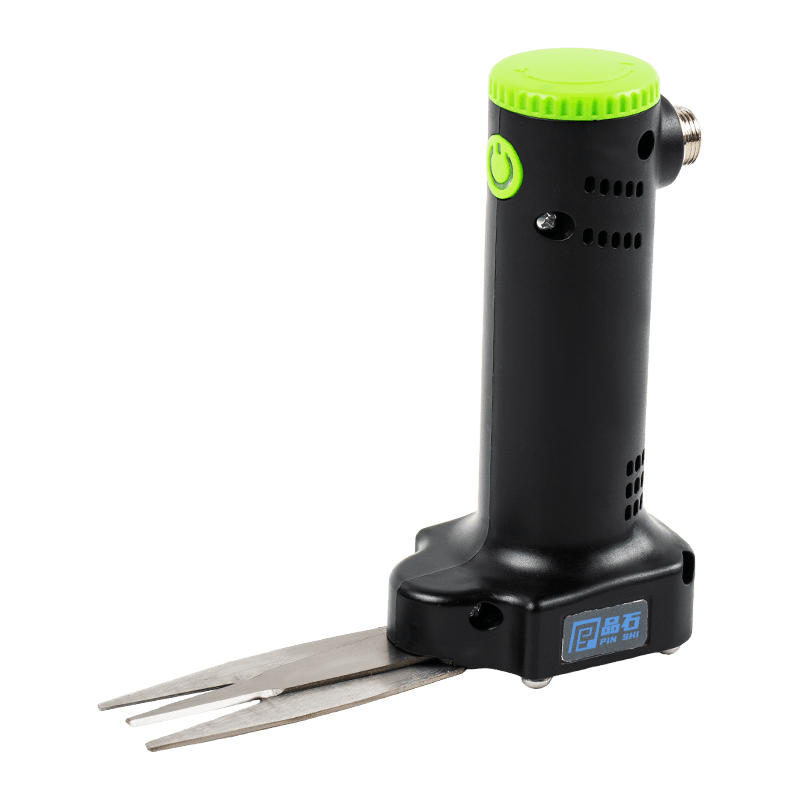
Input Voltage AC 100-240V 50-60Hz Working Voltage 24V (DC) Working Current 2A(max) Motor Type Brushless Motor No Load Speed 500 - 1350rpm Blade Material Stainless S...
See Details
Related News
-
In the rapidly evolving landscape of construction, automotive repair, and industrial assembly, one tool has consistently stood out as the backbone of ...
READ MORE -
What Exactly Is an Electric Screwdriver Today? The shifting meaning of "electric screwdriver" in modern tool ecosystems The term "electric screwdriver...
READ MORE -
Impact Wrench: Definition and Core Working Principle The Impact Wrench, often referred to in industrial circles as an air gun, air wrench, or electric...
READ MORE
-
LINK
-
product
-
Quick Contact
-
 Building 1, Floor 1, Industrial Zone, Zhongyi Village, Guolin Town, Haishu District, Ningbo City, Zhejiang Province, China
 -
 +86-13906619096
 -
 Michael@chinashimu.com
-
KEEP IN TOUCH
Copyright© Ningbo Pinshi Electromechanical Co., LTD.
