
 English
 русский
 Español
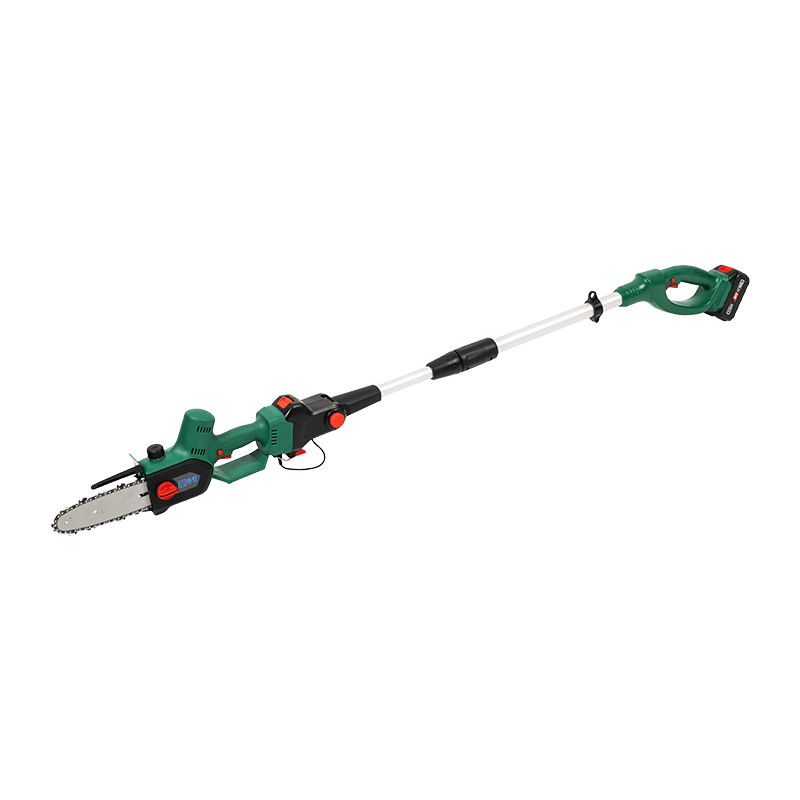
Constant speed Voltage 20V (DC) Battery capacity 4.0Ah/6.0Ah Motor type Brushless motor No-loading time >40mins Velocity 6.8m/s Chain type / Pitch / Gage 91V...
See Details-
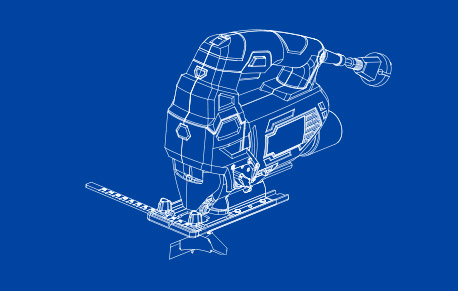
Electric Woodworking Saw
-
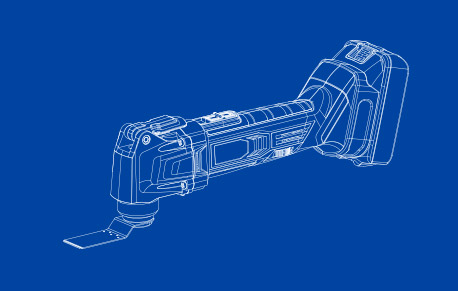
Multifunctional oscillating Saw
-
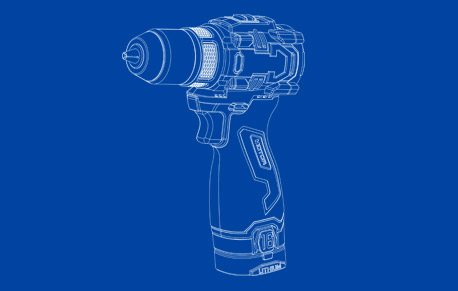
Power Drill
-
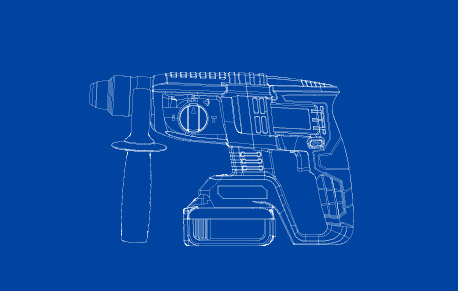
Rotary Hammer Drill
-
Impact Wrench
-
Electric Screwdriver
-
Angle Grinder
-
Handheld Pressure Washer
-
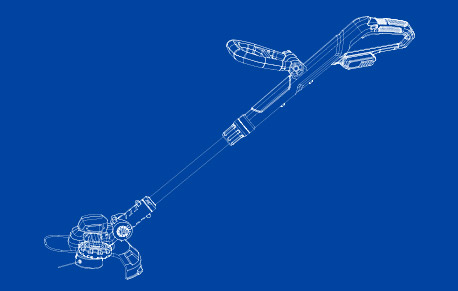
Handheld Lawn Mower
-
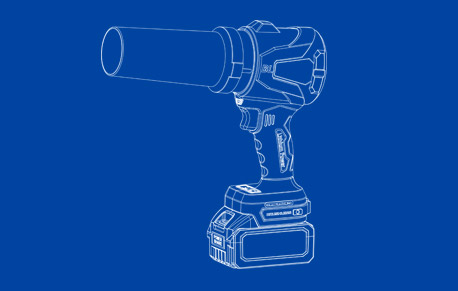
Lithium Turbo Jet Blower
-
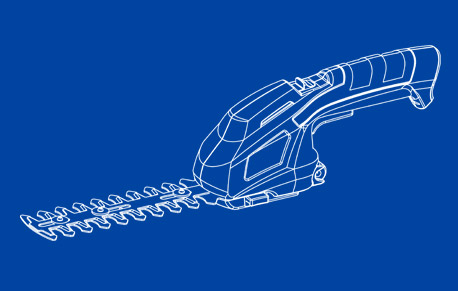
Electric Pruning Shears
-
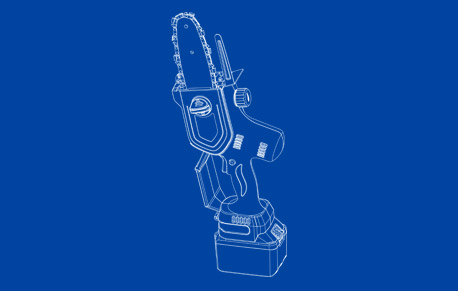
Lithium ChainSaw
-
Handheld Tiller Cultivator
-
Plant Watering Devices
-
Air Pump

Author: Admin Date: 2026-10-09
Cordless vs Corded Reciprocating Saw: What Actually Changes on the Job
Power Tool Comparison
Cordless vs Corded Reciprocating Saw: What Really Changes When the Cord Disappears
A mains saw runs until you stop. A battery saw stops when the pack says so. That gap shows up on a ladder, in hour four of a teardown, and at the till.
The Short Answer Before the Details
Buy corded if you cut for hours in one place. Buy cordless if you cut for minutes in places a cord cannot follow. That one sentence settles most of the cordless versus corded reciprocating saw argument, and the rest of this page is the reasoning behind it.
The two saws are not competing in the same race. A mains-powered saw converts an unlimited electricity supply into a steady, predictable stroke. A battery saw converts a fixed 80 to 120 watt-hours into the same stroke, and only for as long as the pack allows. Same blade, same motion, very different limits.
Practical rule: if a single cutting session means more than roughly 15 minutes of trigger time, either carry a second charged pack or carry a cord.
Power, Duty Cycle, and the Battery Math Most Buyers Skip
A corded reciprocating saw in the 900 to 1300 watt class pulls 8 to 12 amps from the wall without pausing. A 20V cordless saw can match that peak power, but only in bursts. The arithmetic behind the limit is simple: 20 volts multiplied by 4 amp-hours stores roughly 80 watt-hours, so under sustained full load a 1000 watt motor would empty that pack in about five minutes. Real cutting is never continuous. Trigger time usually runs between 30 and 50 percent of a working session, which is why a 4.0 Ah pack typically delivers 20 to 40 minutes of hard demolition work and considerably longer in pipe or softwood.
Heat sets the second limit. Cell temperature rises under load and the electronics throttle the tool at roughly 60 to 70 degrees Celsius to protect the pack. That is why a saw that feels strong for ten minutes feels slower ten minutes later. Brushless motors run cooler and usually return 20 to 40 percent more runtime from the same pack, which is why they have become the default on cordless cutting tools.
Stroke and speed, by contrast, are closer than most buyers expect. Corded models commonly run up to 2800 strokes per minute with a 22 to 28 mm stroke, while 20V models often claim up to 3000 SPM with a similar stroke length. What separates them is not speed but sustained torque under a heavy blade.
Where a Cordless Reciprocating Saw Wins Without Argument
Some jobs leave no choice at all, and no amount of mains power compensates for a trailing lead.
- Overhead cuts: pipe, conduit and ceiling timbers, where a cord becomes both a tangle and a hazard.
- Ladders and roofs: trimming rafters or battens, where a cord is a genuine fall risk.
- Occupied homes: service work in furnished rooms, where running a lead through a client's hallway costs goodwill.
- Confined spaces: crawlspaces, attics and under-floor voids that sit well beyond two or three metres of cord reach.
- Quick outdoor cuts: branches, pallets and fencing, where setting up power takes longer than the cut itself.
Weight reinforces the case. A compact 20V reciprocating saw with a 2.0 Ah pack sits around 2.4 to 2.9 kg, against 3.2 to 3.8 kg for a typical corded unit, and that difference is felt in the shoulder within a minute of overhead work.
Where a Corded Saw Still Earns Its Place
When the cut is long and the tool stays in one place, the cord stops being a nuisance and the battery starts to become one.
- Full-day demolition: lifting floorboards or stripping partitions for six hours, where a corded saw never asks for a pause.
- Hot, heavy cutting: cast iron stacks and thick steel generate heat quickly, and packs lose runtime to heat before the work is finished.
- Cold sites: below about minus 10 degrees Celsius, lithium-ion runtime can fall by 30 percent or more.
- Abrasive dust: fine masonry dust is unkind to sealed battery electronics and cooling paths.
- Entry price: a corded tool with a spare blade costs less than a cordless kit with two packs and a charger.
- Ageing: packs fade after several hundred cycles, while a cable has no cycle count.
Some cordless tools are a convenience supplement to their corded ancestors. Angle grinders, sanders and reciprocating saws come to mind.
The balance has shifted for several of those categories, though. A brushless 20V grinder now covers most on-site cutting and deburring, while the corded unit stays in the workshop for long grinding sessions.
Side by Side: Cordless and Corded in Real Numbers
Treat the figures below as typical ranges for the 20V cordless and 900 to 1300 watt corded classes, not as the extreme ends of either category.
| Consideration | Corded reciprocating saw | Cordless reciprocating saw |
|---|---|---|
| Power supply | Mains, uninterrupted | 2.0 to 5.0 Ah battery packs |
| Peak output | 900 to 1300 watts, steady | Comparable, in short bursts |
| Runtime | Unlimited | 20 to 40 minutes of heavy cutting per 4.0 Ah pack |
| Weight | 3.2 to 3.8 kg | 2.4 to 2.9 kg with a 2.0 Ah pack |
| Cable handling | Lead to route and protect | None |
| Cold weather | Unaffected | Runtime can drop 30 percent below minus 10 degrees Celsius |
| Upfront cost | Lower, tool only | Higher, includes packs and charger |
| Service life limit | Motor brushes and bearings | Packs fade after several hundred cycles |
| Best fit | Bench work and long demolition runs | Overhead, ladder, confined space and spot work |
Blades, Stroke, and the Specs That Decide the Cut
Two saws with identical power cut very differently on different blades, and blade choice causes most of the disappointing results people blame on the tool.
- 6 TPI coarse blades: green wood, pallets and mixed demolition waste with nails.
- 10 to 14 TPI: mild steel sections, thick-walled pipe and aluminium.
- 18 to 24 TPI fine blades: sheet metal, conduit and clean pipe cuts.
- Thick blades resist bending in deep cuts; thin blades turn faster in shallow curves.
- Carbide blades: cast iron and abrasive materials, at several times the price of a standard blade.
Check the clamp and the shoe as well. Tool-free blade change saves a minute on every swap, and an adjustable shoe keeps the cut square as teeth wear down. Orbital action speeds up timber cutting but should be switched off for metal, where it shortens blade life quickly.
Cost of Ownership, Certification, and Purchase Risk
Compare like with like. A corded saw is a single purchase; a cordless saw is an entry ticket to a battery platform, and platform decisions usually outlive the tool that started them.
- Certification: GS, CE and EMC documentation has to match the destination market, not just the factory.
- Battery interface: identical voltage does not mean interchangeable terminals or communication protocols.
- Spare parts: blade clamps, shoes and switches are the components that wear first.
- Warranty: pack coverage is normally shorter than tool coverage, so read both terms before ordering.
Certification requirements and market access rules vary by region and are usually the first item on an importer's checklist, well ahead of colour or packaging.
Warning: two 20V packs from different systems are not interchangeable even when the voltage matches. Once a crew owns six packs, changing platforms means replacing all of them.
Choosing for a Crew, a Workshop, or a Home Garage
- Trade crews on mixed sites: cordless as the primary saw with two packs per tool, plus one corded unit for long demolition runs.
- Workshops that kit, reclaim and cut sheet goods: corded as the primary saw, with a cordless unit kept for site visits.
- Home and garden use: one cordless unit covers pruning, pallets and odd repairs, and a second saw is rarely worth the storage space.
Building a kit is cheaper when one platform covers several jobs. A single 20V platform across cutting, drilling and garden tools means one charger, one set of packs and fewer decisions at the till.
Best value for most buyers: one cordless reciprocating saw with two 4.0 Ah packs, plus a corded saw for the one or two jobs a year that need truly uninterrupted cutting.
The cordless versus corded question does not have a single winner. It has two winners and a job list. Corded saws own long, stationary, high-duty work. Cordless saws own anything at height, inside a confined space, or beyond the reach of a lead.
Buy for the work you do most weeks rather than for the job that comes round once a year. If the answer is cordless, buy two packs. If the answer is corded, buy the longest cable you can manage. Either way, put the extra money into blades, because blades change the result faster than any number printed on the box.

-
Feedback
Related Products
-
-
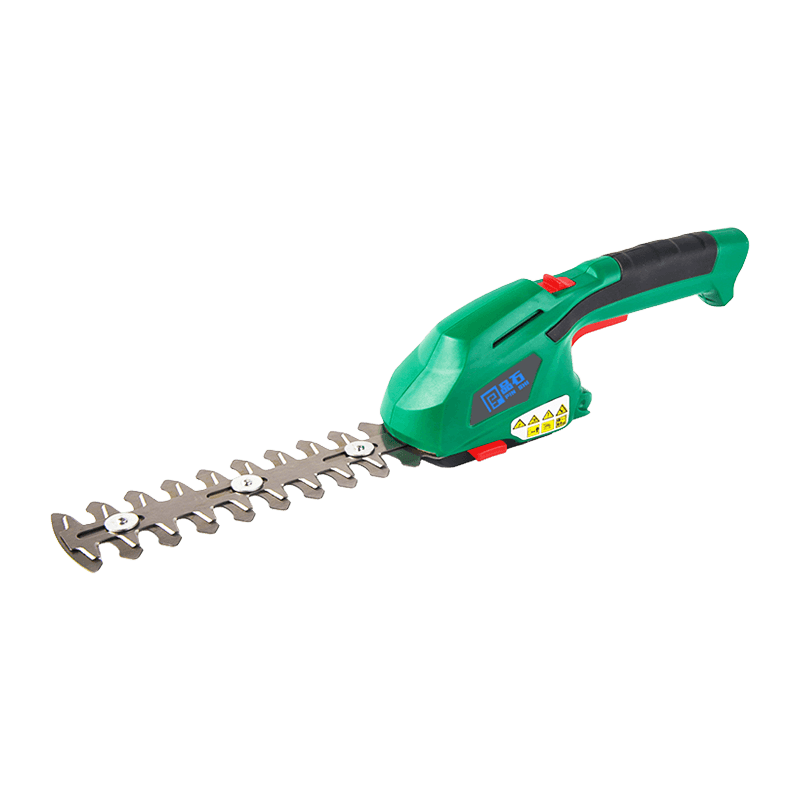
Voltage 3.6V/7.2V (DC) Battery capacity 1.3Ah/1.5Ah Motor type Brush motor Cutting length 160mm (Shrub) No-loading time >60mins (Shrub) Cutting length 80mm (Gr...
See Details -
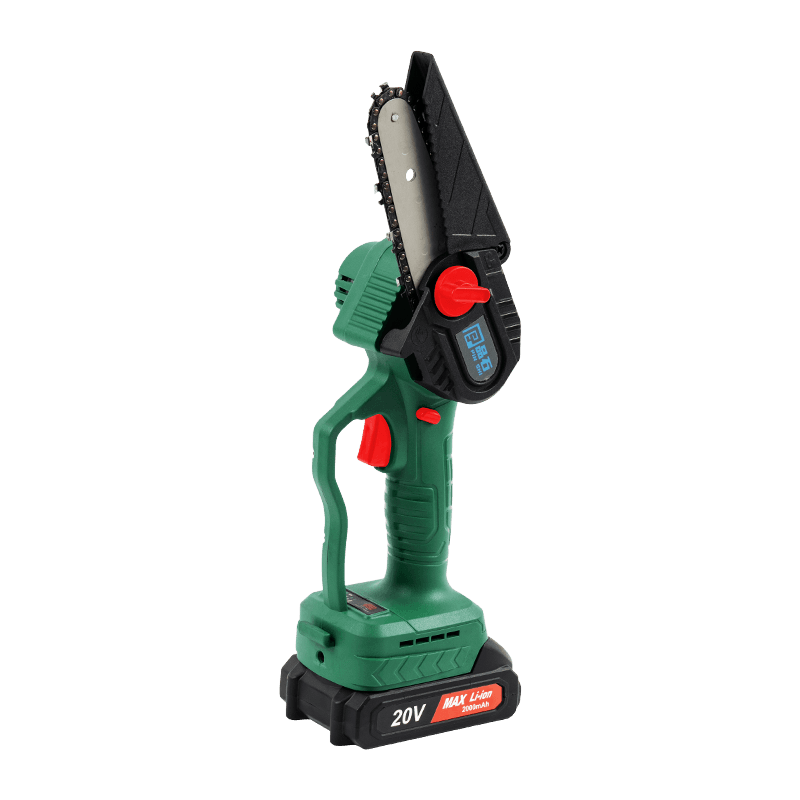
Voltage 20V (DC) Battery capacity 1.5Ah/2.0Ah/3.0Ah Motor type Brushless motor Velocity 6m/s Chain type / Pitch / Gage 6.35 mm (0.25") / 1.1 mm (0.043") Bar length ...
See Details -
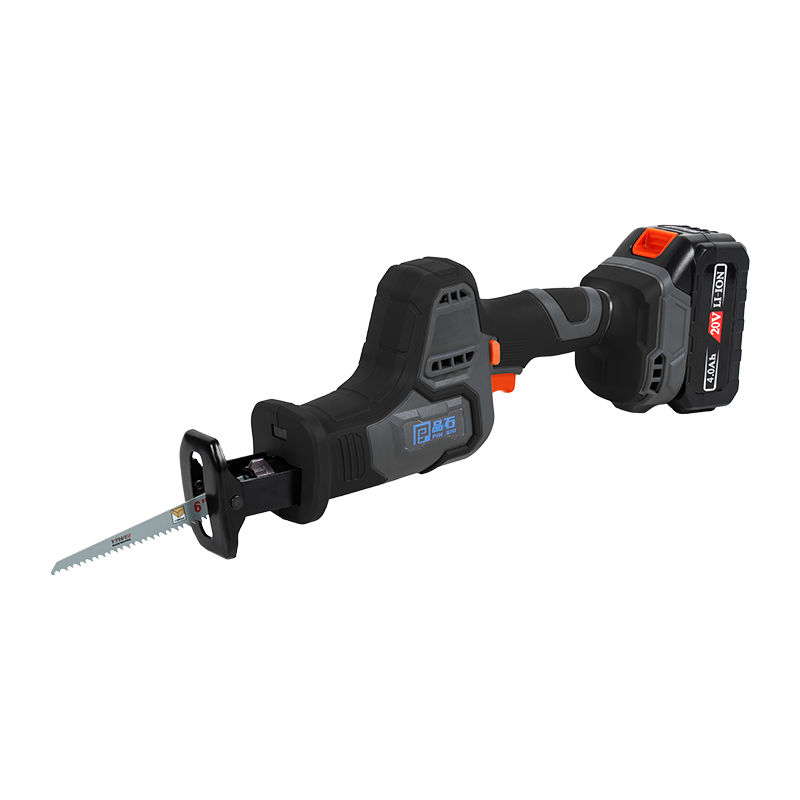
Voltage 20V (DC) Battery capacity 2.0Ah/3.0Ah Motor type Brushless motor No-loading strokes per minute 0-2600spm Reciprocating stroke 22mm Max cutting capacity ...
See Details -
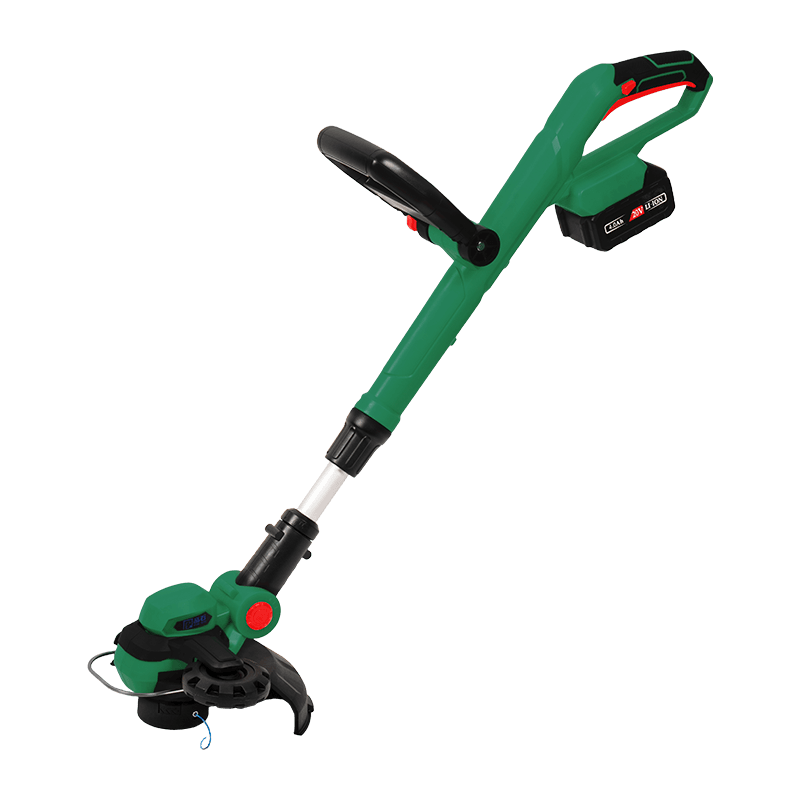
Voltage 20V (DC) Battery capacity 2.0Ah/3.0Ah/4.0Ah Motor type Brush motor No-loading speed 8000rpm Cutting width 250mm Blade type Nylon line Line diameter 1....
See Details -
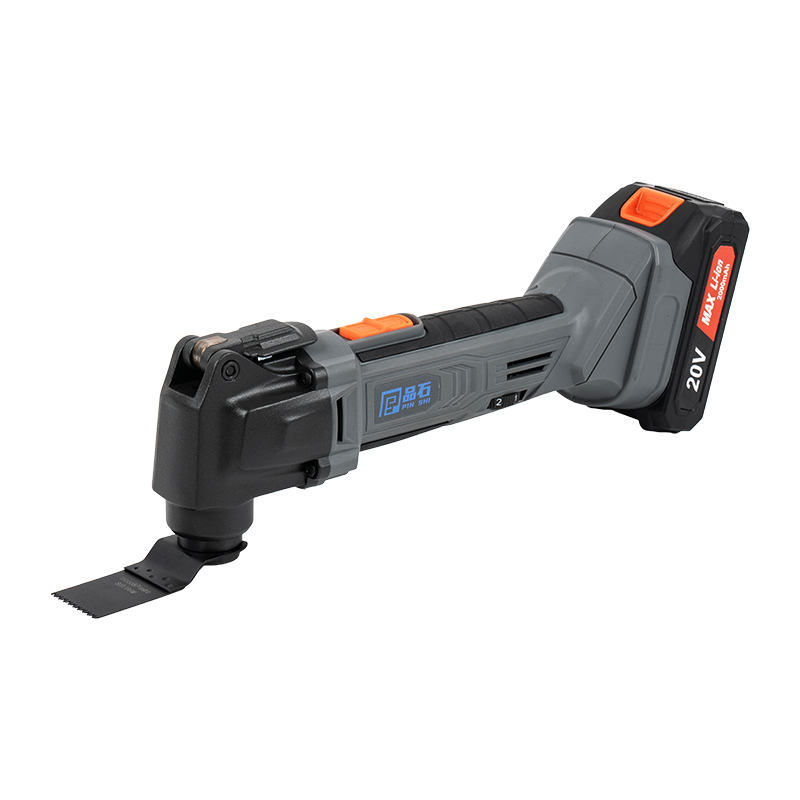
Smooth start Voltage 20V (DC) Battery capacity 2.0Ah Motor type Brush motor Oscillations 8,000 - 19,000 OPM Oscillations angle 3.2 degree Charger 21V 0.5...
See Details
Related News
-
In the rapidly evolving landscape of construction, automotive repair, and industrial assembly, one tool has consistently stood out as the backbone of ...
READ MORE -
What Exactly Is an Electric Screwdriver Today? The shifting meaning of "electric screwdriver" in modern tool ecosystems The term "electric screwdriver...
READ MORE -
Impact Wrench: Definition and Core Working Principle The Impact Wrench, often referred to in industrial circles as an air gun, air wrench, or electric...
READ MORE
-
LINK
-
product
-
Quick Contact
-
 Building 1, Floor 1, Industrial Zone, Zhongyi Village, Guolin Town, Haishu District, Ningbo City, Zhejiang Province, China
-
 +86-13906619096
-
 Michael@chinashimu.com
-
KEEP IN TOUCH
Copyright© Ningbo Pinshi Electromechanical Co., LTD.
