
 English
 русский
 Español
Voltage 20V (DC) Battery capacity 3.0Ah/4.0Ah Motor type Brushless motor Modes 2 Impact energy 1.7J No-loading speed 0-1000rpm Impact rate 0-4500bpm Chuck...
See Details-
Electric Woodworking Saw
-
Multifunctional oscillating Saw
-
Power Drill
-
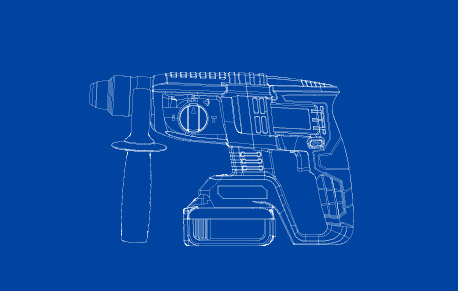
Rotary Hammer Drill
-
Impact Wrench
-
Electric Screwdriver
-
Angle Grinder
-
Handheld Pressure Washer
-
Handheld Lawn Mower
-
Lithium Turbo Jet Blower
-
Electric Pruning Shears
-
Lithium ChainSaw
-
Handheld Tiller Cultivator
-
Plant Watering Devices
-
Air Pump

Author: Admin Date: 2026-10-09
Choosing the Right Hammer Drill for Drilling Concrete: Bits, Modes, Power
The Hammer Drill That Actually Bites Concrete
Impact energy, bit shank and working voltage decide whether a hole takes ten seconds or ten minutes. Here is how to match the tool to the slab, the anchor and the crew.
A 10 mm hole in a 3,000 psi slab should take about ten seconds. With the wrong tool it takes two minutes, smells of hot oil, and comes out oval and a millimetre or two oversize, which quietly costs you the holding strength of every anchor set inside it.
Here is the conclusion first. For cured concrete, use a rotary hammer with SDS-Plus bits. For brick, block, tile and the occasional small fixing hole, a hammer drill with a keyless chuck is lighter, cheaper and easier to live with. The rest of this page explains why the two tools behave differently, which figures are worth reading, and how to make the choice hold up on site and in a purchase order.
Hammer Drills and Rotary Hammers Break Concrete Differently
A hammer drill creates its impact with two toothed plates sliding over each other inside the housing. The stroke is short, the moving mass is small, and the energy that reaches the bit is typically well under one joule. Push harder and the plates slip against each other instead of striking: the tool keeps spinning, the bit keeps rubbing, and the concrete keeps winning.
A rotary hammer drives a sealed piston against an air cushion that hammers the bit forward, so the mechanism does not depend on how hard the operator leans. A 20V SDS-Plus rotary hammer in the 1.5 to 3 joule range, running at roughly 4,000 to 5,000 blows per minute, fractures the concrete at the carbide tip instead of polishing it.
Concrete is not cut, it is fractured. Every useful masonry tool is a controlled way of starting that fracture at the bit tip and stopping it before the slab around the hole cracks.
The difference is easy to feel. Take a 6 mm bit and a scrap of aged concrete. The hammer drill makes dust, heat and noise for ninety seconds, and the bit comes out dull. The rotary hammer is through the same material in seconds, with a bit that is still sharp. No technique closes that gap, because the gap sits in the mechanism, not in the operator.
What the Numbers on the Box Actually Tell You
Impact energy in joules is the first figure to look for on a rotary hammer, and it is the one most often left off the packaging. Blows per minute tells you how often that energy arrives, which matters almost as much: a 2 joule tool at 5,000 blows per minute removes more material than a 3 joule tool at 2,500. No-load speed matters less on concrete than on steel, because the tip spends most of its working life hammering rather than slicing.
| Characteristic | Standard drill | Hammer drill (chuck) | Rotary hammer (SDS-Plus) |
|---|---|---|---|
| Impact mechanism | None | Two ratcheting plates | Piston with air spring |
| Impact energy | Not applicable | Usually under 1 joule | About 1.5 to 3 joules |
| Bit interface | Round shank | Round shank, keyless chuck | SDS-Plus, 5/32 to 1-1/8 inch |
| Typical concrete work | None | Occasional 4 to 8 mm holes in block | Repeated 5 to 20 mm holes in cured concrete |
| Duty cycle on site | Continuous, light | Short bursts | Production drilling |
Voltage, meanwhile, is a platform label rather than a power rating. Two 20V cordless rotary hammers can differ by a factor of two in delivered impact energy, and a well-geared 20V tool will out-drill a badly matched 36V one. Read the joules, then the blows per minute, then the voltage.
Shank, Diameter and the Hole You Actually Get
SDS-Plus is the standard shank for the light rotary hammer class and covers bits from 5/32 inch to 1-1/8 inch. Above that you are in SDS-Max or core drilling territory, where the tool, the dust control and the budget all change category. For most fixing work, the useful band is 5 mm to 16 mm, and that is where an SDS-Plus rotary hammer is the cheapest reliable answer.
- Match the bit to the anchor, not to the drill you happen to own. A 10 mm anchor needs a 10 mm hole, and a worn 10 mm bit can drill 10.4 mm all day long.
- Check the carbide tip before every job. A chipped tip hammers, glows and wanders; it does not cut.
- Expect rebar in slabs and columns. When the bit stops dead, back out and move the hole. Hammering through steel destroys the bit, the fixing point and sometimes the drill.
- Clear the hole properly. Blow or vacuum the dust out before setting resin or mechanical anchors, because leftover fines are the most common reason a fixing fails its pull test.
Corded or 20V Cordless on a Concrete Site
Corded rotary hammers above roughly 800 W remain the reference for production work: no runtime limit, stable speed under load, and enough thermal mass to survive a full shift of 12 mm holes. If a crew drills dozens of holes a day for pipework, conduit or racking, mains power is still the cheapest way to do it.
Cordless has closed most of the gap for service work. With a 4.0 Ah pack, a 20V SDS-Plus rotary hammer will typically set 40 to 60 holes of 8 mm by 40 mm in medium concrete per charge, which covers a day of anchor setting for one installer and removes a cable from the ladder.
Below the rotary hammer class, a 20V brushless impact drill is a fair compromise for installers who mostly meet block and brick and only occasionally drill a 6 mm fixing hole. It is lighter in the hand, shares the battery family, and covers most small diamond-pattern work without a second charger in the van.
A single 20V battery platform shared across drills, rotary hammers, grinders and garden tools keeps the tool bag light and the spare parts shelf short, which matters more on site than a fraction of a joule on a catalogue page.
Technique: Pressure, Dust and Heat
Most burnt bits come from two habits: leaning on the tool, and drilling one long pass without clearing dust.
- Feed force of roughly 10 to 20 kg is enough. Beyond that the mechanism stalls, the bit glazes and the motor heats up.
- Peck the hole: drill 10 to 15 mm, withdraw to clear the flutes, then go back in. Deep holes in hard concrete go faster this way, even though it feels slower.
- Start the hole with a short bit or a centre punch. Aggregate and screed surfaces make long bits wander, and a hole that starts off-axis stays off-axis.
- Stop if the carbide tip turns blue. Once the braze softens, the tip stays in the hole and the anchor goes in behind it.
- Drill to embedment depth plus about 10 mm, and mark the bit with tape so the depth repeats across a hundred holes.
Warning: concrete dust contains crystalline silica, and the fines produced by hammer drilling are the finest fraction of it. Vacuum extraction at the drill collar, or at minimum a P2 respirator and eye protection, is not optional on a production day, even outdoors and especially in basements, shafts and tunnels.
What to Check Before Ordering a Container of Them
The specification that sells a rotary hammer in a catalogue is not always the specification that survives a warranty year. When comparing quotes, ask for parameters that come with a test condition instead of a single headline number.
- Declared impact energy and blows per minute, together with the voltage and battery capacity used in the test.
- Chuck and shank tolerance after a few thousand cycles, not only on the sample tool you were handed.
- Compliance paperwork: CE and EMC declarations for Europe, GS certification where the retail channel demands it. Certification and market access requirements are far easier to confirm before a purchase order than after a container clears customs.
- Spare parts continuity: switches, gear sets, chucks and brushes available for the platform you intend to sell for the next three years.
- Battery interface consistency across the range, so a customer who buys one tool can buy the next one without a second charger.
Info: A practical sample test takes twenty minutes. Drill the same 10 mm hole in the same concrete block with each candidate, time it, and feel the housing afterwards. The fastest tool with the coolest motor after ten holes is usually the one that survives the field.
The decision itself is short. Cured concrete, repeated holes and anchors that must hold: rotary hammer, SDS-Plus shank, 1.5 to 3 joules, sharp carbide. Block and brick with the odd small fixing: a hammer drill or a brushless impact drill is the lighter, cheaper answer, provided you accept its limits and do not ask it to do a rotary hammer's job.
Everything after that is detail, and the detail is what decides whether an anchor passes its pull test. Keep the bit sharp, keep the feed force modest, keep the hole clean and the depth consistent, and concrete stops being a fight.

-
Feedback
Related Products
-
-
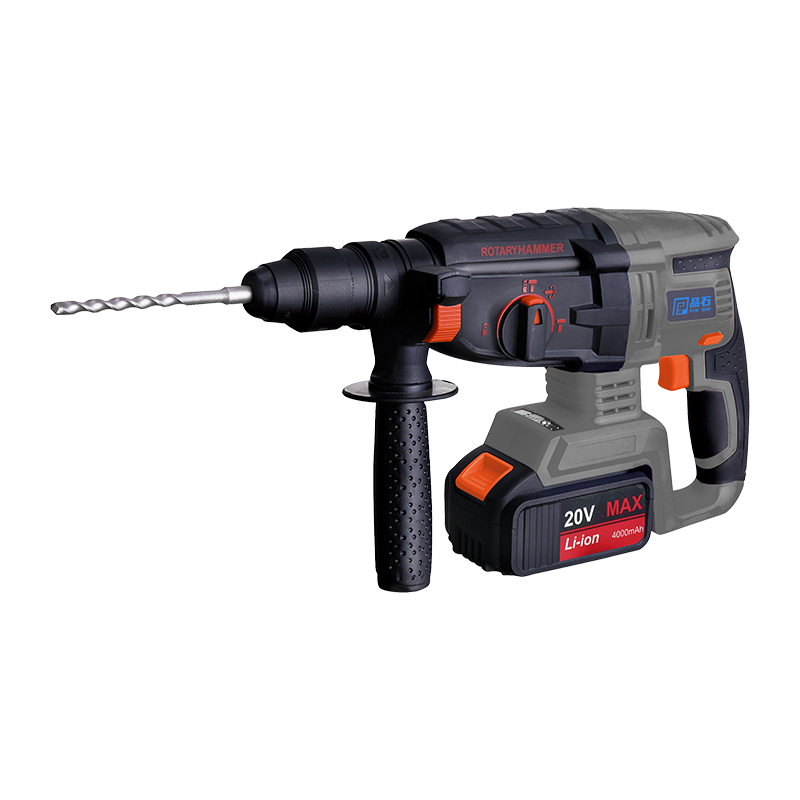
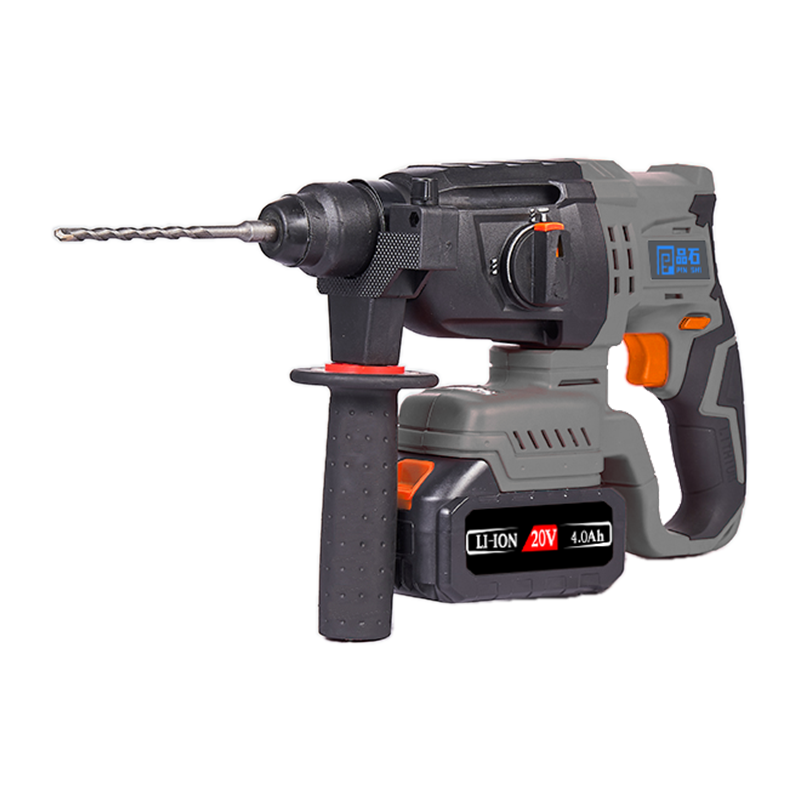
Voltage 20V(DC) Battery capacity 3.0Ah/4.0Ah Motor type Brushless motor Modes 3 Impact energy 3.0J No-loading speed 0-1000rpm Impact rate 0-4500bpm Chuck...
See Details -
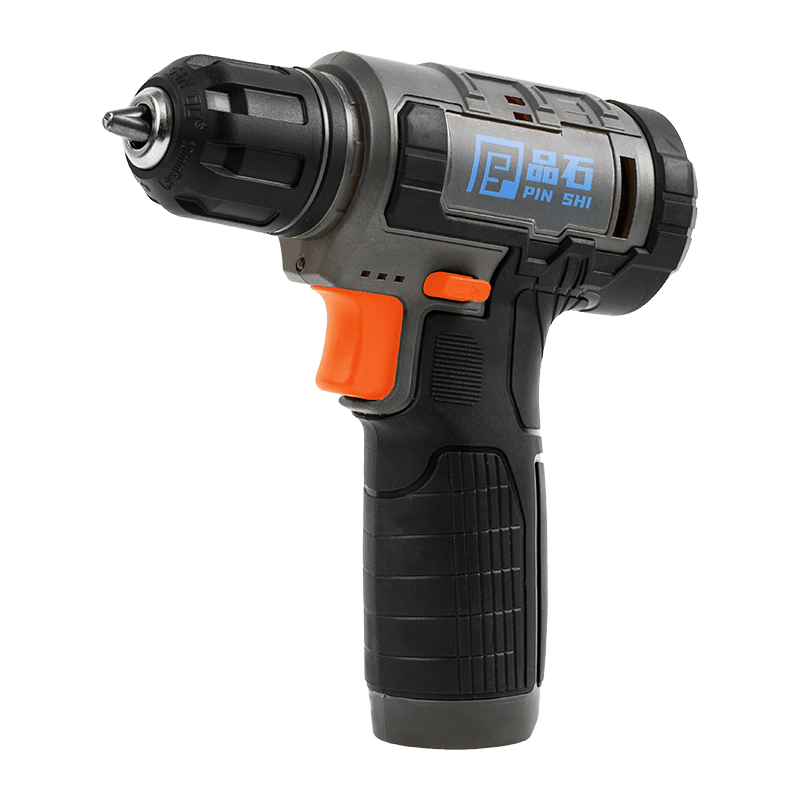
Voltage 8V (DC) Battery capacity 1.5Ah /2.0Ah Motor type Brush motor No–loading speed 0-800rpm Chuck capacity 0.8-10mm Max. Drill capacity 3mm(Steel)10mm(Wood...
See Details -
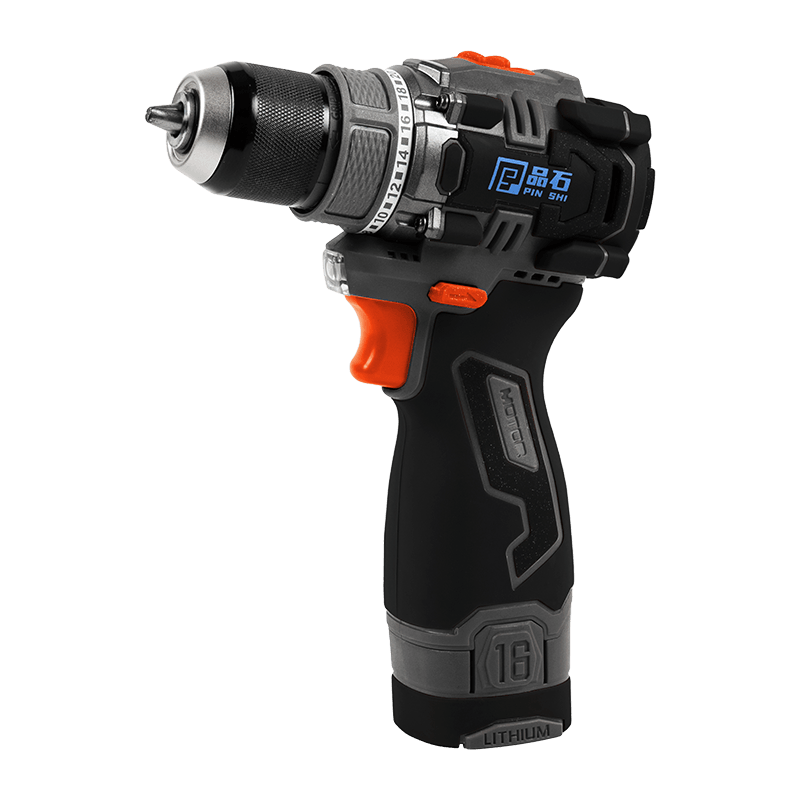
Voltage 16V (DC) Battery capacity 1.5Ah /2.0Ah Motor type Brushless motor Two speed 0-430rpm/0-1800rpm Chuck capacity 10mm Max. Drill capacity 10mm(Steel)20mm(Wood)...
See Details -
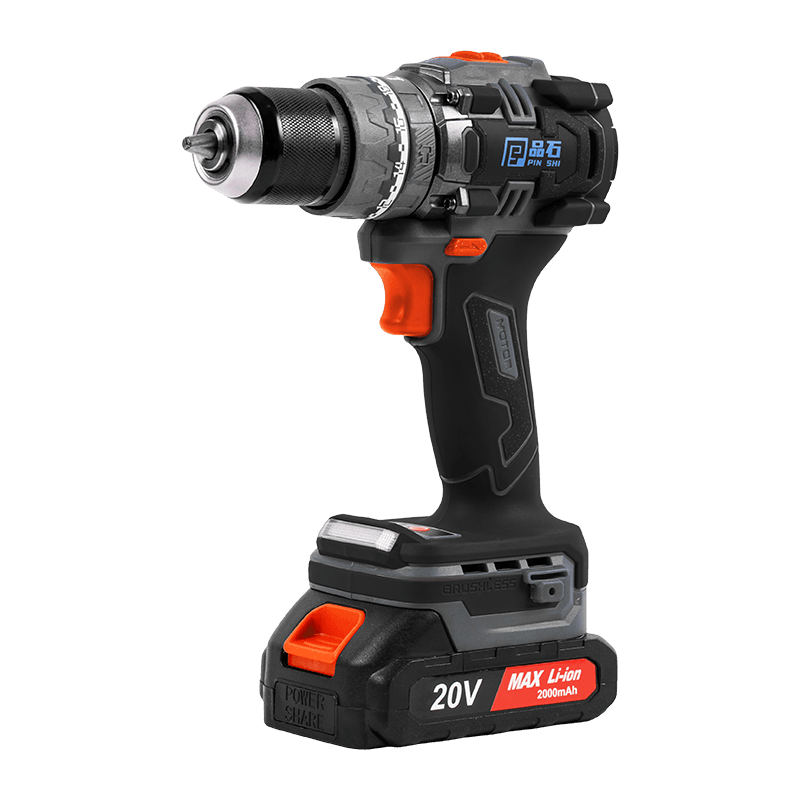
Voltage 20V (DC) Battery capacity 1.5Ah/2.0Ah Motor type Brushless motor Two speed 0-450rpm/0-1900rpm Max.Impact rate 0-6750bpm /0-28500bpm Chuck capacity 10mm ...
See Details -
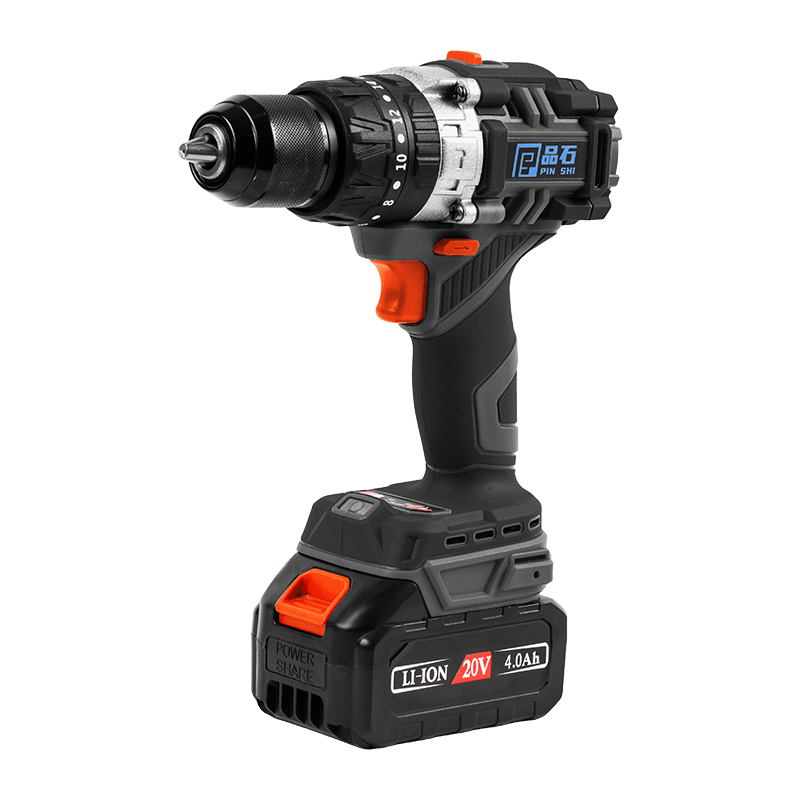
Voltage 20V (DC) Battery capacity 2.0Ah/3.0Ah/4.0Ah Motor type Brushless motor Two speed 0-550rpm/0-1900rpm Max.Impact rate 0-8250bpm /0-28500bpm Chuck capacity 13...
See Details
Related News
-
In the rapidly evolving landscape of construction, automotive repair, and industrial assembly, one tool has consistently stood out as the backbone of ...
READ MORE -
What Exactly Is an Electric Screwdriver Today? The shifting meaning of "electric screwdriver" in modern tool ecosystems The term "electric screwdriver...
READ MORE -
Impact Wrench: Definition and Core Working Principle The Impact Wrench, often referred to in industrial circles as an air gun, air wrench, or electric...
READ MORE
-
LINK
-
product
-
Quick Contact
-
 Building 1, Floor 1, Industrial Zone, Zhongyi Village, Guolin Town, Haishu District, Ningbo City, Zhejiang Province, China
-
 +86-13906619096
-
 Michael@chinashimu.com
-
KEEP IN TOUCH
Copyright© Ningbo Pinshi Electromechanical Co., LTD.
