
 English
 русский
 Español
Voltage 20V(DC) Battery capacity 3.0Ah/4.0Ah Motor type Brushless motor Modes 3 Impact energy 3.0J No-loading speed 0-1000rpm Impact rate 0-4500bpm Chuck...
See Details-
Electric Woodworking Saw
-
Multifunctional oscillating Saw
-
Power Drill
-
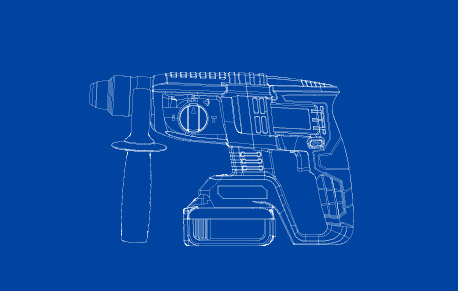
Rotary Hammer Drill
-
Impact Wrench
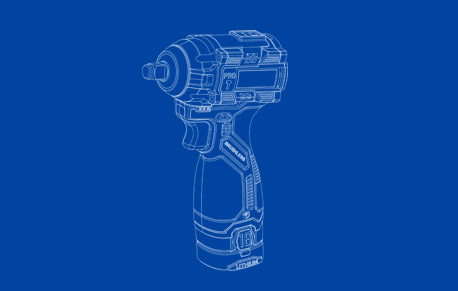
-
Electric Screwdriver
-
Angle Grinder
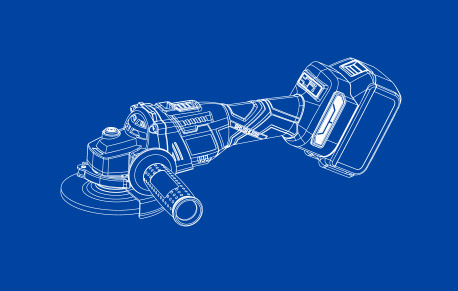
-
Handheld Pressure Washer
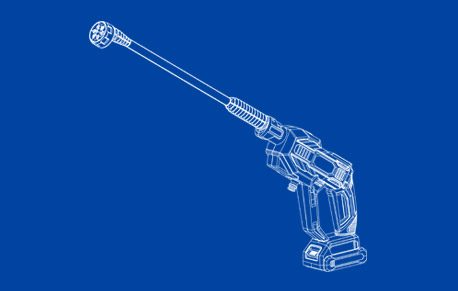
-
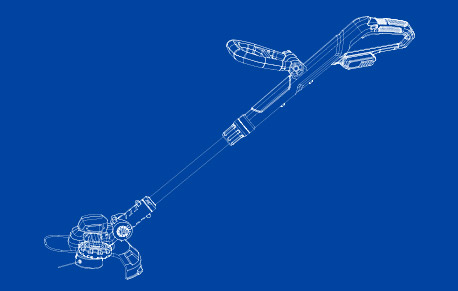
Handheld Lawn Mower
-
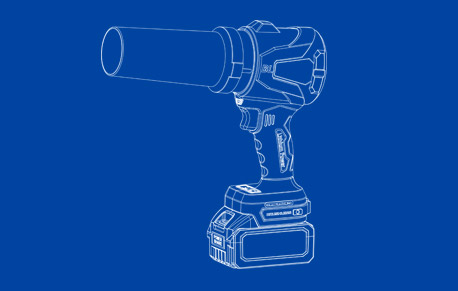
Lithium Turbo Jet Blower
-
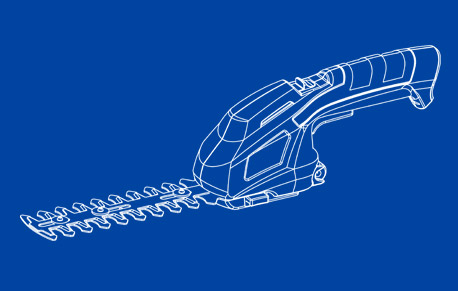
Electric Pruning Shears
-
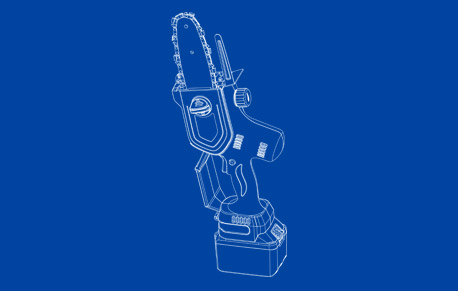
Lithium ChainSaw
-
Handheld Tiller Cultivator
-
Plant Watering Devices
-
Air Pump

Author: Admin Date: 2026-10-16
Electric Hammer Drill Guide: Corded vs Cordless, Specs, Duty Cycle and Sourcing
Electric Hammer Drill: Pick the Tool by Hole Count, Not by Wattage
Corded or 20V cordless, SDS-plus or keyless chuck: three numbers and one honest look at the work site decide which electric hammer drill earns its place.
A fitter drilling twelve 10 mm anchor holes into a concrete ceiling in one afternoon needs a different electric hammer drill from a maintenance technician hanging a shelf bracket twice a month. Both jobs are called hammer drilling. The tools that suit them are not the same, and the gap shows up in the first hour of real work, not in the showroom.
The short answer first. If you drill concrete regularly and mains power is within reach, buy a corded SDS-plus hammer drill in the 700 to 900 W class with at least 2 J of single-impact energy. If you move between occupied buildings, ladders and sites, a 20V cordless rotary hammer delivering roughly 1.7 to 2.2 J keeps pace on holes up to about 12 mm. If masonry is occasional and you also drive screws and drill timber, a 20V hammer drill/driver with a keyless chuck is the more useful purchase.
Everything below explains why those figures matter, where spec sheets quietly mislead, and what to check before you commit to a single unit or a container load.
The Split Between Corded and Cordless Happens Around Twenty Holes a Day
Runtime, not raw power, separates the two formats in daily use. A corded tool has no battery to exhaust, so continuous drilling of 14 mm holes is limited only by the bit and by how you manage dust. A cordless tool draws from a fixed energy reserve, and every hammer blow spends part of it.
| Job profile | Recommended class | Typical impact energy | Practical note |
|---|---|---|---|
| 1 to 5 holes per month in brick or block | 20V hammer drill/driver, keyless chuck | 0.8 to 1.3 J | Cheapest route if you already own that battery platform |
| 5 to 20 holes per day, up to 12 mm | 20V cordless rotary hammer, SDS-plus | 1.7 to 2.2 J | Two packs minimum; runtime depends on Ah and hole diameter |
| Continuous concrete drilling, 12 to 24 mm | Corded SDS-plus, 700 to 900 W | 2.0 to 3.0 J | Unlimited runtime; needs mains power and dust control |
| Chiselling, tile removal, chasing | Corded SDS-plus with chisel mode | 2.5 J and above | Cordless chiselling drains packs quickly |
Read the table as a description of workload rather than a ranking. A 20V rotary hammer with a sharp SDS-plus bit will bore a 10 mm hole in medium concrete in a few seconds. The constraint appears on the twentieth hole, once the pack has warmed and voltage sags. That is when users notice the difference between a 2.0 Ah and a 5.0 Ah battery, and between a brushed motor and a brushless one.
What the Numbers on the Label Actually Mean
Impact energy, measured in joules
This is the most useful masonry figure on any label. One joule of single-impact energy is roughly what a light hammer drill/driver produces; 2 J belongs to a working rotary hammer; 3 J and above is chiselling territory. Wattage describes electrical input, so a 900 W tool with poorly tuned hammer geometry can underperform a 750 W unit with a better air-spring design.
No-load speed and blow rate
RPM governs drilling in timber and steel; blows per minute govern progress in concrete. On a two-mode tool you want clean separation, roughly 0 to 1,100 RPM in drill mode and 0 to 4,000 BPM in hammer mode. If a catalogue lists only one combined figure, ask for the gearbox ratio.
Chuck type and bit compatibility
SDS-plus holds the bit in a floating sleeve, letting it move axially as the piston strikes. A keyless jaw chuck grips round shanks and is correct for wood and metal bits, but it wastes hammer energy through slippage unless a locking collar is fitted. Buy the system that matches ninety percent of the holes you actually drill.
Clutch, motor and controls
A mechanical torque clutch with 15 to 24 positions protects the gearbox when a bit binds. Brushed motors cost less and need periodic brush replacement; brushless motors run cooler, add runtime per charge and are usually paired with electronic speed control. For a bench-fixed tool, brushed is defensible. For a service tool carried daily, brushless pays back within a season.
Duty Cycle and Heat Decide Whether the Tool Survives Year Two
Warning: "continuous duty" on a marketing page usually means the motor survived a short bench test, not that it can drill for an hour. Ask for the rated duty cycle in minutes per hour at a stated ambient temperature.
Heat is the slow failure mode in an electric hammer drill. The hammer mechanism needs grease that stays in place as the air spring cycles, and the gearbox needs a thermal path into the housing. In thin builds, a 1200 W-class motor sits inside a 700 W-class housing: it drills brilliantly for ten minutes and dies reliably within a season.
Two checks are worth making on a sample unit before volume purchasing. Run the tool at rated load for the stated duty cycle and measure housing temperature near the gearbox; a rise of more than about 40 K above ambient suggests the cooling path is marginal. Then listen for changes in the hammer note. A healthy air spring produces a consistent, dry tap, while a metallic ring means the striker is contacting the piston.
A hammer drill fails in the bore, not on the shelf. Spec sheets hide that; duty cycle exposes it.
Before You Order: What to Verify on Paper and in Hand
For importers, distributors and private-label buyers, the specification conversation happens twice: once in the quotation and again when the first container lands. The second conversation is the expensive one.
- Certification that matches your market, with GS, CE and EMC documents issued for the exact model, voltage and switch as the shipping version.
- Impact energy supported by a test report rather than a catalogue line, because this figure is the easiest in the whole sheet to inflate.
- A motor statement covering copper content or stack length, since this is where cost is most often removed after sample approval.
- Battery cell grade and protection behaviour for cordless models, including the low-voltage cut-off point.
- Spare parts availability for switches, brush sets, chucks and packs, quoted with lead times.
- Packaging that survives the last mile, ideally verified by a drop test.
Info: suppliers in established tool-making clusters such as Ningbo commonly run 700 to 900 W corded hammer drills and 20V cordless rotary hammers on the same certified platform, which makes a voltage-consistent product line easier to assemble.
One Platform, Several Tools: The Real Value of 20V
The strongest argument for a 20V cordless hammer drill is not the drill itself but the battery it shares with a grinder, a reciprocating saw, a trimmer or a blower. When one pack powers four or five tools, the effective cost of cordless falls quickly, and the spare-pack question becomes a logistics decision rather than a budget one.
Two rules keep a platform honest. First, confirm that the battery interface and the low-voltage cut-off are identical across the range, because a shared slide fitting with different protection thresholds will kill packs unevenly. Second, resist mixing 4V, 7.2V and 12V tools into a 20V programme unless you genuinely need compactness, since every voltage adds its own charger, packaging and spare-part line.
Success: a platform that passes the same duty-cycle test on its weakest tool will usually hold up on its strongest one, so test the smallest unit first.
Choose an electric hammer drill by the work in front of you: a corded 700 to 900 W SDS-plus tool for sustained concrete, a 1.7 to 2.2 J cordless rotary hammer for mobility, a hammer drill/driver for mixed light duty. Then verify the numbers that are hard to fake, meaning impact energy, duty cycle, clutch quality and parts support, before you sign anything.
A tool that matches the hole pattern and duty cycle of its owner lasts a decade. A tool chosen by headline wattage lasts a warranty period. That difference is decided long before the first hole is drilled.

-
Feedback
Related Products
-
-
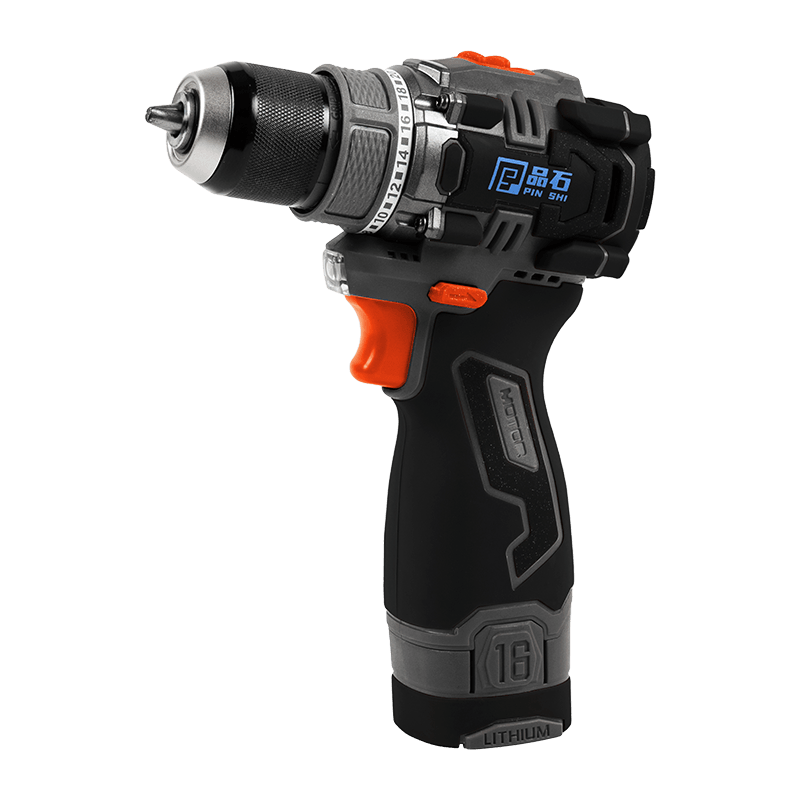
Voltage 16V (DC) Battery capacity 1.5Ah /2.0Ah Motor type Brushless motor Two speed 0-430rpm/0-1800rpm Chuck capacity 10mm Max. Drill capacity 10mm(Steel)20mm(Wood)...
See Details -
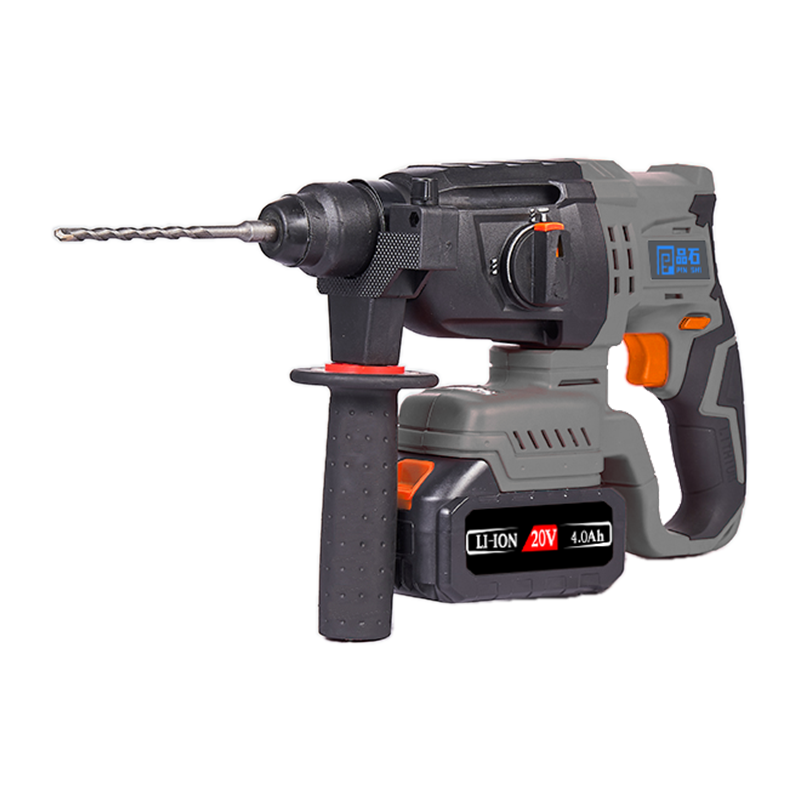
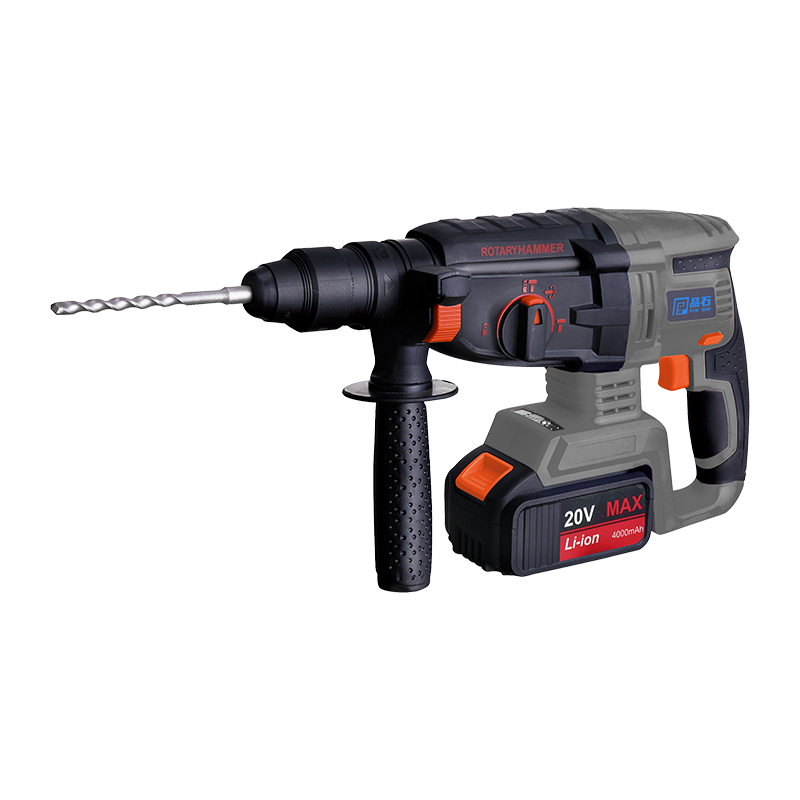
Voltage 20V (DC) Battery capacity 3.0Ah/4.0Ah Motor type Brushless motor Modes 2 Impact energy 1.7J No-loading speed 0-1000rpm Impact rate 0-4500bpm Chuck...
See Details -
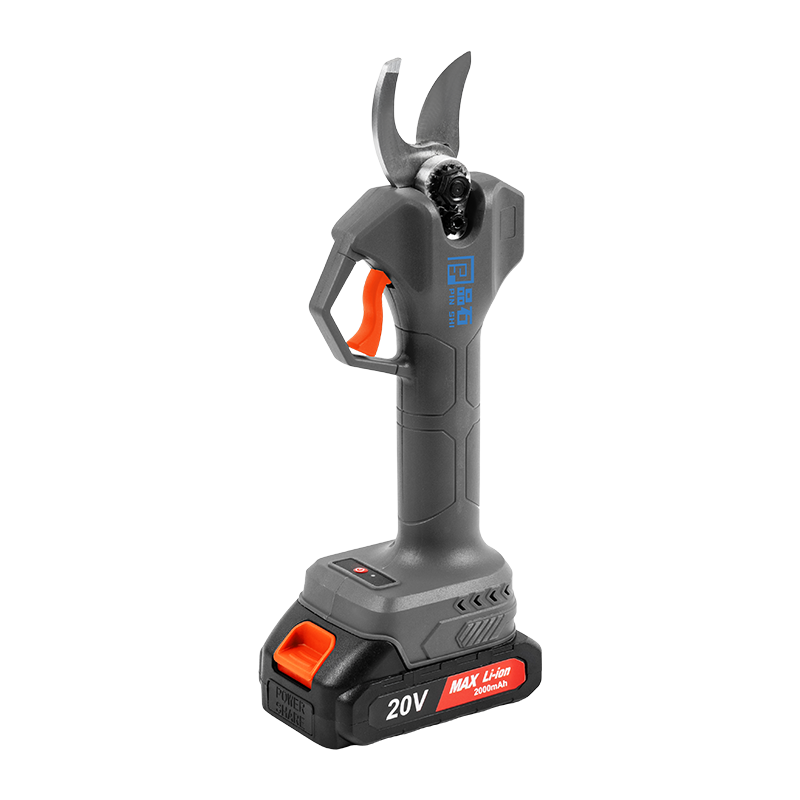
Voltage 20V (DC) Battery capacity 1.5Ah/2.0Ah/3.0Ah Motor type Brushless motor Shear diameter 25mm Charger 21V 0.5A/1.2A/2A Blade material SK5 Time of use 4-5...
See Details -
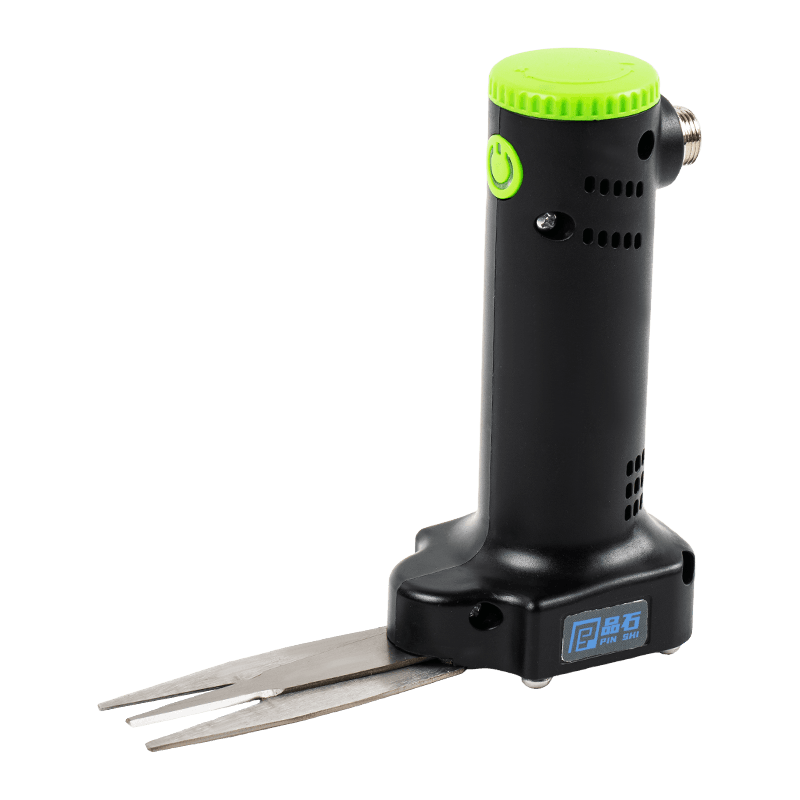
Input Voltage AC 100-240V 50-60Hz Working Voltage 24V (DC) Working Current 2A(max) Motor Type Brushless Motor No Load Speed 500 - 1350rpm Blade Material Stainless S...
See Details -
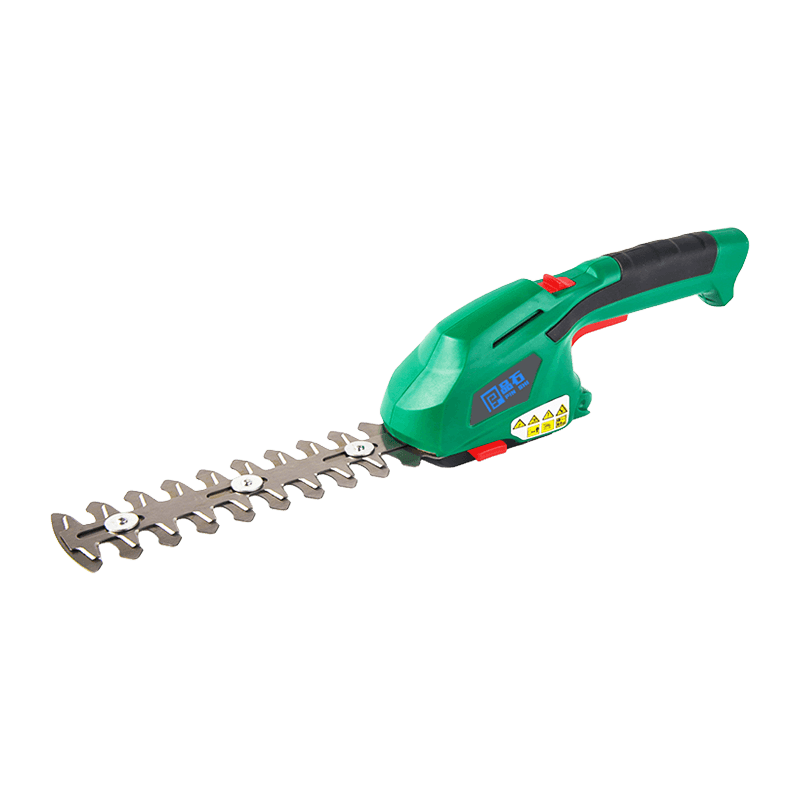
Voltage 3.6V/7.2V (DC) Battery capacity 1.3Ah/1.5Ah Motor type Brush motor Cutting length 160mm (Shrub) No-loading time >60mins (Shrub) Cutting length 80mm (Gr...
See Details
Related News
-
In the rapidly evolving landscape of construction, automotive repair, and industrial assembly, one tool has consistently stood out as the backbone of ...
READ MORE -
What Exactly Is an Electric Screwdriver Today? The shifting meaning of "electric screwdriver" in modern tool ecosystems The term "electric screwdriver...
READ MORE -
Impact Wrench: Definition and Core Working Principle The Impact Wrench, often referred to in industrial circles as an air gun, air wrench, or electric...
READ MORE
-
LINK
-
product
-
Quick Contact
-
 Building 1, Floor 1, Industrial Zone, Zhongyi Village, Guolin Town, Haishu District, Ningbo City, Zhejiang Province, China
-
 +86-13906619096
-
 Michael@chinashimu.com
-
KEEP IN TOUCH
Copyright© Ningbo Pinshi Electromechanical Co., LTD.
