
 English
 русский
 Español
Input Voltage AC 100-240V 50-60Hz Working Voltage 24V (DC) Working Current 2A(max) Motor Type Brushless Motor No Load Speed 500 - 1350rpm Blade Material Stainless S...
See Details-
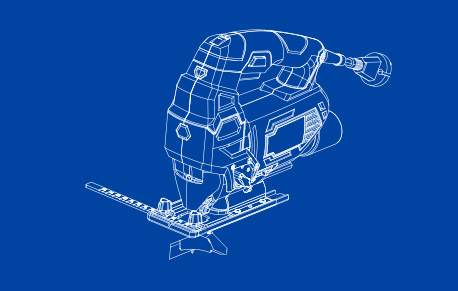
Electric Woodworking Saw
-
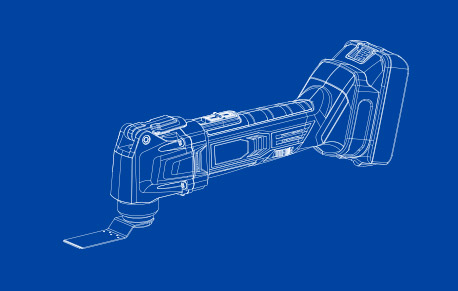
Multifunctional oscillating Saw
-
Power Drill
-
Rotary Hammer Drill
-
Impact Wrench
-
Electric Screwdriver
-
Angle Grinder
-
Handheld Pressure Washer
-
Handheld Lawn Mower
-
Lithium Turbo Jet Blower
-
Electric Pruning Shears
-
Lithium ChainSaw
-
Handheld Tiller Cultivator
-
Plant Watering Devices
-
Air Pump

Author: Admin Date: 2026-07-29
Can an oscillating saw still cut skin if pressed hard enough or held in place too long?
Tool Safety & Engineering
The oscillating blade is built to spare skin under normal contact — but pressure and time can quietly erase that safety margin.
Yes, an oscillating saw can injure skin if it is pressed with excessive force or held stationary against the same spot for too long, even though its blade motion is not designed to cut soft tissue under normal conditions. The tool's safety comes from a narrow oscillating arc that lets skin flex away from the blade, but that natural elasticity has limits.
Heavy pressure reduces how much the skin can move out of the way, and prolonged contact in one location can generate enough friction heat or abrasion to cause a burn, blister, or minor cut. The blade's design makes accidental cutting unlikely, not impossible — user behavior plays a larger role in outcomes than most people assume.
Why the Blade Is Normally Skin-Safe
An oscillating blade swings through a very narrow arc, typically 2.8 to 3.4 degrees, rather than spinning continuously like a rotary blade. This short, rapid back-and-forth motion is effective at cutting rigid materials because those materials cannot flex away from the blade. Skin, however, is elastic enough to deform and move in sync with the oscillation under light, ordinary contact, which is why the blade tends to vibrate against it rather than slice through it.
This behavior holds true for both a corded oscillating saw and its battery-powered counterparts, since the underlying blade motion is the same regardless of power source. The difference in power delivery mainly affects sustained cutting performance on tough materials, not the fundamental relationship between oscillation and soft tissue.
oscillating saw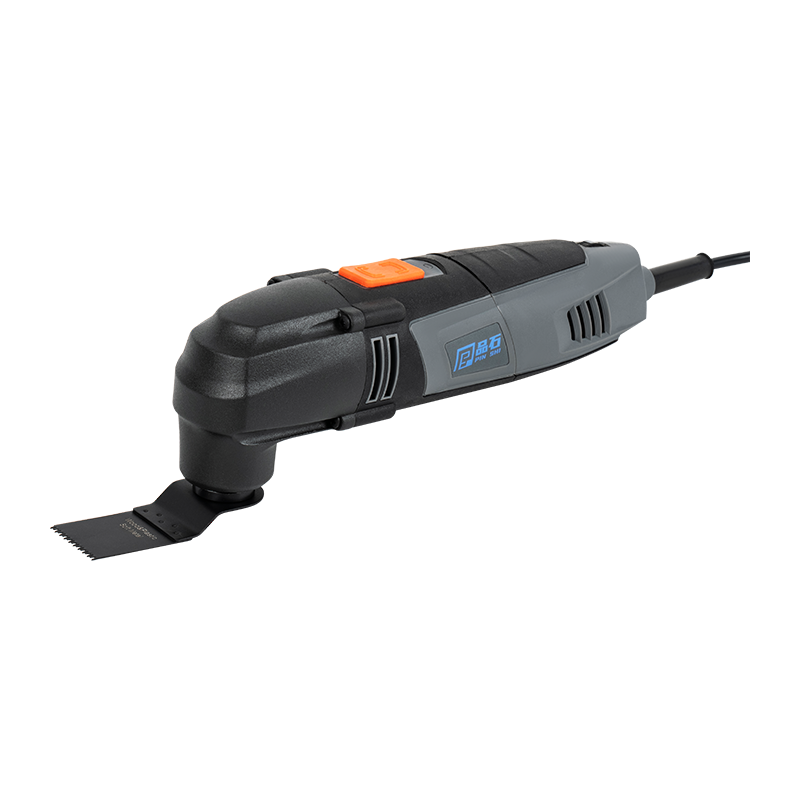
How Excessive Pressure Changes the Outcome
Pressure is one of the two main variables that can push an otherwise safe tool into dangerous territory. When light contact is made, skin has enough give to flex with the blade's short arc. As downward force increases, that flexibility gets compressed, and the skin is held more rigidly against the blade instead of moving with it.
Once skin is pinned in place, especially against a hard underlying surface like bone or a work table, it starts to behave more like a rigid material than a soft one. At that point, the same oscillation that normally protects the skin can begin to abrade or nick it, particularly if the blade has aggressive teeth, such as many oscillating saw blades for metal, which are ground more coarsely to bite into harder surfaces.
The moment skin is pinned against a hard surface, it stops behaving like skin — and starts behaving like the material the blade was built to cut.
Pressure Thresholds in Practice
There is no single universal pressure figure that applies to every person, since skin thickness and elasticity vary by location on the body and by individual. However, testing on cast-saw equipment has generally shown that light, guided pressure under a few pounds of force is unlikely to cause injury, while sustained pressure well beyond that, combined with a stationary blade position, significantly raises risk.
How Contact Duration Affects Risk
The second major variable is time. A blade oscillating at 10,000 to 20,000 cycles per minute makes an enormous number of passes over a given spot every second. If the blade keeps moving across a surface, no single point endures much repeated contact. But if the blade stays in one place, even briefly, that single point absorbs thousands of oscillations within just a few seconds.
| Contact Duration | Typical Effect | Relative Risk |
|---|---|---|
| Under 1 second, light contact | Vibration sensation only | Very low |
| 1 to 3 seconds, moderate pressure | Warmth, mild redness possible | Low |
| 3 to 10 seconds, firm pressure | Friction heat, possible blistering | Moderate |
| 10+ seconds, stationary and pressed | Abrasion, minor cutting possible | High |
These figures are illustrative rather than exact, since skin sensitivity, blade sharpness, and the specific tool model all influence the actual outcome. Still, the pattern is consistent: duration matters as much as, if not more than, a single instant of contact.
Why Blade Type Also Plays a Role
Not all oscillating blades are ground the same way. Fine-toothed blades intended for wood or drywall tend to have a smoother edge profile, while oscillating saw blades for metal are typically manufactured with harder, more aggressive teeth designed to bite into dense material. This more aggressive tooth pattern can make a difference if excessive pressure or prolonged stationary contact against skin ever occurs, since a coarser blade is more likely to abrade or nick the surface than a fine, smooth-edged one.
Info
Many trade professionals switch blades based on the task at hand rather than leaving a metal-cutting blade installed for general-purpose work — matching the blade to the material improves both cutting efficiency and safety.
Common Scenarios Where Pressure or Hold Time Becomes a Problem
Understanding the theory is useful, but most real-world incidents come from a handful of predictable situations. Recognizing them in advance is one of the most effective ways to avoid injury.
- Rushing a cut and pressing down harder than necessary to force the blade through material faster.
- Losing focus during a repetitive task and allowing the blade to rest against skin momentarily.
- Working in an awkward position where the hand holding the material is closer to the blade than intended.
- Using a worn or dull blade and unconsciously applying more pressure to compensate.
- Cutting near the body without a stabilizing guide, increasing the chance of unintended contact.
Warning
Each of these scenarios shares a common thread: the injury risk comes from how the tool is used, not from a failure of the oscillating design itself.
Reducing Risk During Extended or High-Pressure Cuts
For tasks that require sustained cutting, such as long trim lines or dense material with a corded oscillating saw running at consistent high power, a few practical habits meaningfully reduce risk.
Practical Precautions
- Let the blade do the work by using light, controlled pressure rather than forcing it into the cut.
- Keep the blade moving rather than letting it rest in a fixed position against any surface.
- Take short breaks during long cuts to reduce fatigue-related pressure increases.
- Replace blades regularly so a sharp edge does the cutting instead of extra force.
- Use clamps or guides to keep hands and skin clear of the cutting path.
Danger
These habits are especially critical when swapping to more aggressive oscillating saw blades for metal, since the coarser tooth pattern leaves a smaller margin for error compared to fine-toothed wood blades.
What This Means for Everyday Use
The reassuring part of this topic is that ordinary, attentive use of an oscillating saw carries very low risk to skin. Brief, incidental contact during normal handling is unlikely to cause harm because the blade's short oscillating arc simply cannot generate the sustained shearing force needed to cut through elastic tissue in an instant. The concern only becomes real when pressure and time combine, essentially forcing the skin to behave like a rigid material instead of a soft one.
Good Practice
Professional guidance around both a corded oscillating saw and cordless models focuses less on the blade itself and more on operator technique. The tool's design provides a strong built-in safety margin, but that margin narrows the harder and longer contact is maintained.
Key Takeaways
An oscillating saw is not inherently incapable of harming skin; it is simply engineered so that ordinary, brief contact is very unlikely to cause a cut. Excessive pressure and prolonged stationary contact are the two factors most responsible for turning a normally safe interaction into an injury, and blade type adds an additional variable, since coarser blades such as those made for metal reduce the safety margin further. Applying light, controlled pressure, keeping the blade in motion, and matching the blade to the material are the most effective ways to keep the tool's natural safety characteristics intact during everyday use.

-
Feedback
Related Products
-
-
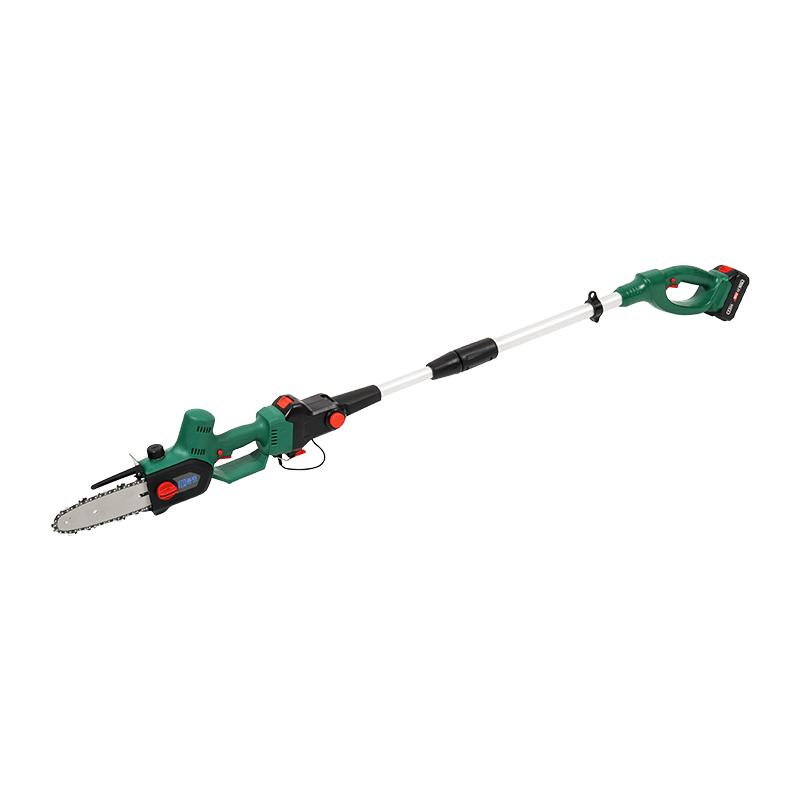
Constant speed Voltage 20V (DC) Battery capacity 4.0Ah/6.0Ah Motor type Brushless motor No-loading time >40mins Velocity 6.8m/s Chain type / Pitch / Gage 91V...
See Details -
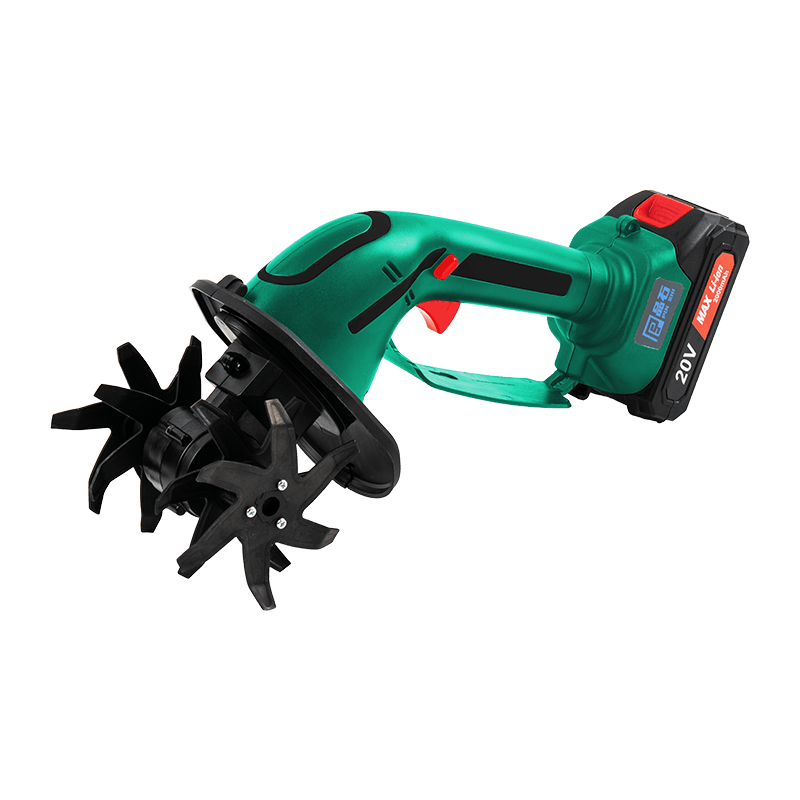
Voltage 20V (DC) Battery capacity 1.5Ah/2.0Ah/3.0Ah Motor type Brush motor No-loading speed 235rpm Ploughing width 5.1"(130mm) Tilling depth 3.9" (100mm) Fol...
See Details -
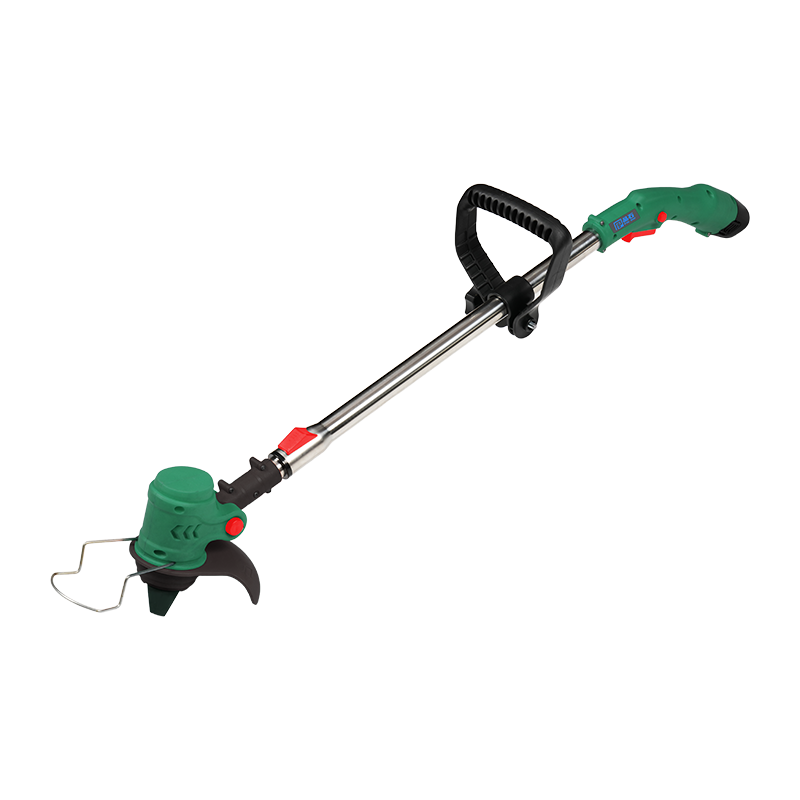
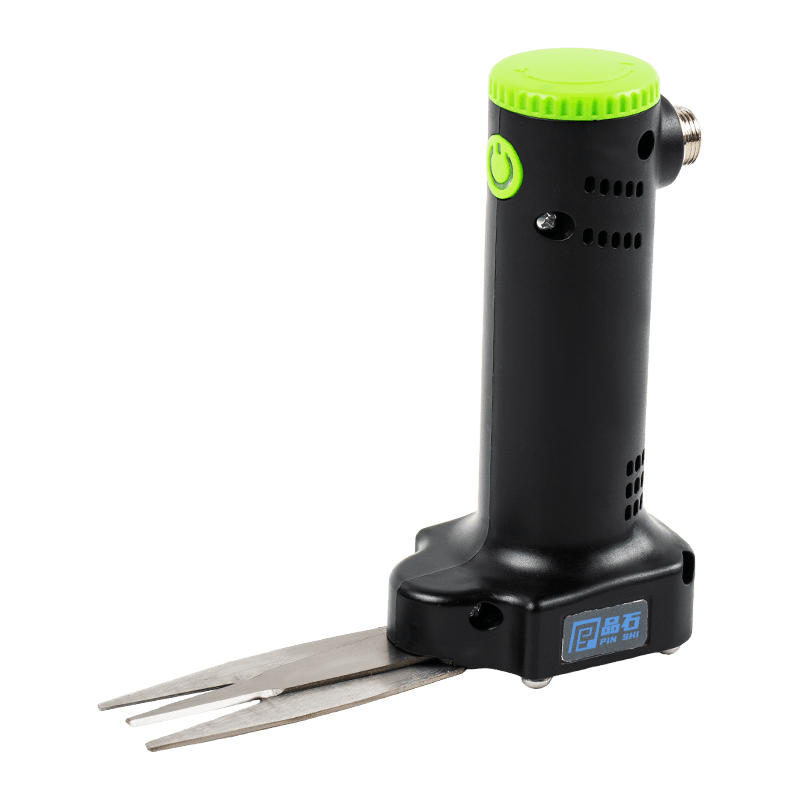
Voltage 12V (DC) Battery Capacity 1.5Ah/2.0Ah Motor Type Brush Motor No-Loading Speed 10000rpm Cutting Width 110mm/145mm Blade Type Round/Straight Metal Blade...
See Details -
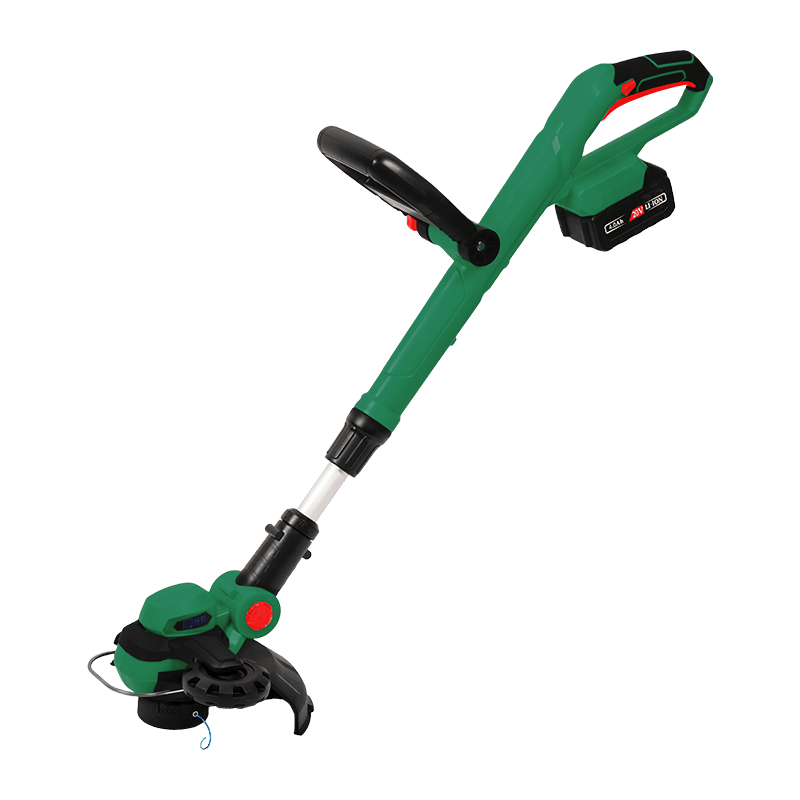
Voltage 20V (DC) Battery capacity 2.0Ah/3.0Ah/4.0Ah Motor type Brush motor No-loading speed 8000rpm Cutting width 250mm Blade type Nylon line Line diameter 1....
See Details -
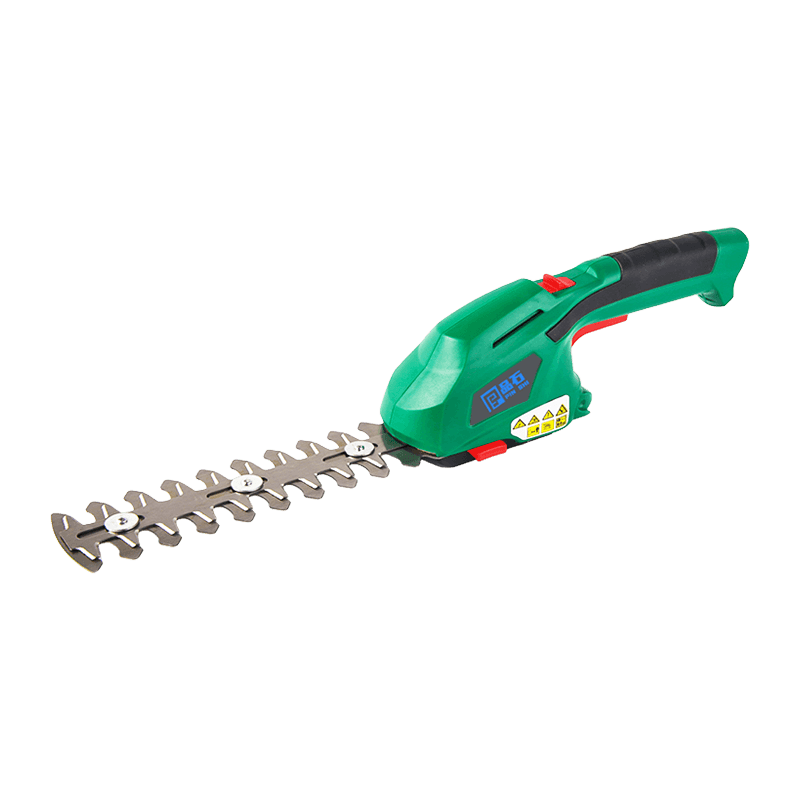
Voltage 3.6V/7.2V (DC) Battery capacity 1.3Ah/1.5Ah Motor type Brush motor Cutting length 160mm (Shrub) No-loading time >60mins (Shrub) Cutting length 80mm (Gr...
See Details
Related News
-
In the rapidly evolving landscape of construction, automotive repair, and industrial assembly, one tool has consistently stood out as the backbone of ...
READ MORE -
What Exactly Is an Electric Screwdriver Today? The shifting meaning of "electric screwdriver" in modern tool ecosystems The term "electric screwdriver...
READ MORE -
Impact Wrench: Definition and Core Working Principle The Impact Wrench, often referred to in industrial circles as an air gun, air wrench, or electric...
READ MORE
-
LINK
-
product
-
Quick Contact
-
 Building 1, Floor 1, Industrial Zone, Zhongyi Village, Guolin Town, Haishu District, Ningbo City, Zhejiang Province, China
 -
 +86-13906619096
 -
 Michael@chinashimu.com
-
KEEP IN TOUCH
Copyright© Ningbo Pinshi Electromechanical Co., LTD.
