

 English
 русский
 Español
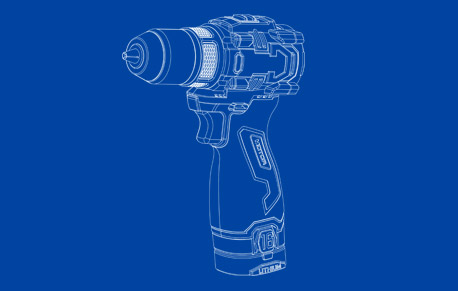
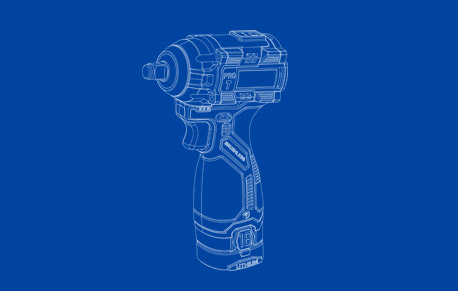





The freedom of a battery pack against the certainty of a wall outlet — the debate over which drill belongs in your home toolbox is older than lithium-ion itself. Here is where each one actually earns its place.
The Short Answer: Cordless Wins for Most Home Users
For the vast majority of homeowners, a cordless drill is the better choice for everyday home projects. The freedom of movement, the absence of a trailing power cable, and the maturity of modern battery technology mean that a well-chosen cordless drill now matches or exceeds the practical performance of a corded model for nearly every task found around a typical house — from assembling furniture to hanging shelves, drilling pilot holes, and driving deck screws. A corded drill still holds an edge in a narrow set of scenarios, such as continuous heavy-duty drilling into concrete or masonry for extended periods, but for the average homeowner these situations are rare.
The decision ultimately comes down to how often you drill, what materials you work with, and how much you value mobility over unlimited runtime. The sections below break down the practical differences so you can match the right tool to your specific home projects.
Power and Performance Comparison
Corded drills draw power directly from a wall outlet, which historically gave them a clear advantage in raw torque and unlimited run time. Older cordless models struggled to keep up, especially when driving long screws into dense hardwood or drilling large-diameter holes. That gap has narrowed dramatically. A modern brushless cordless drill can deliver torque output comparable to a mid-range corded drill, thanks to more efficient motor design and smarter power delivery from lithium-ion battery packs.
Why Brushless Motors Changed the Equation
Traditional brushed motors lose energy to friction and heat as internal carbon brushes wear down. A brushless motor eliminates that friction point entirely, using electronic controllers to manage power delivery. The practical result is that a brushless cordless drill typically runs cooler, lasts significantly longer before needing service, and converts more of the battery's stored energy directly into cutting and driving force. For a homeowner tackling weekend projects, this means fewer stalls when driving screws into stubborn studs and more consistent performance from the first hole to the last.
Corded drills still make sense for tasks that demand sustained, uninterrupted power — mixing mortar for twenty minutes straight, or drilling dozens of holes through concrete block in a single session.
Portability and Ease of Use Around the House
This is where cordless drills separate themselves most clearly. A compact cordless drill lets you move freely between rooms, climb a ladder, reach behind furniture, or work in a crawlspace without worrying about extension cords, tripping hazards, or the reach of a wall outlet. This matters enormously for common home tasks like hanging curtain rods, assembling flat-pack furniture, mounting a TV bracket, or building a garden trellis in the backyard where outlets may not be nearby.
Corded drills, by contrast, tie you to the length of the cord and the location of the nearest outlet. Extension cords add bulk, create tripping hazards, and can be a genuine inconvenience when working on a ladder or in a tight closet. For quick jobs that only take a few minutes, this friction adds up quickly and often outweighs the corded drill's power advantage.
A small cordless power drill is easier to handle for extended periods, particularly for users with less upper-body strength or those working overhead.
Best Use Cases for Each Type
Matching the drill to the task avoids both underpowered frustration and unnecessary overspending. Below is where each type genuinely excels around the home.
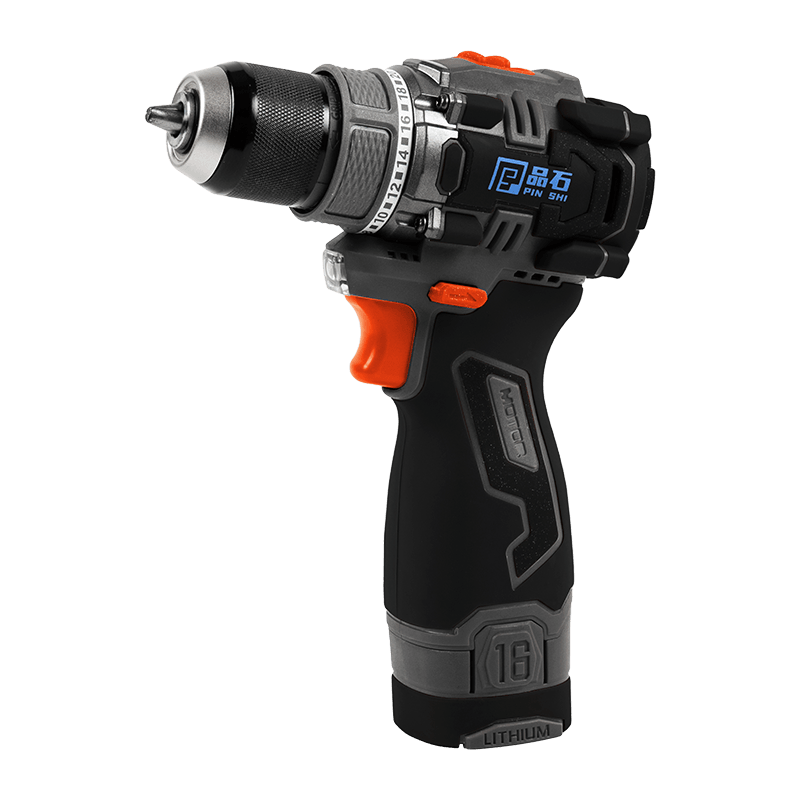
compact cordless drill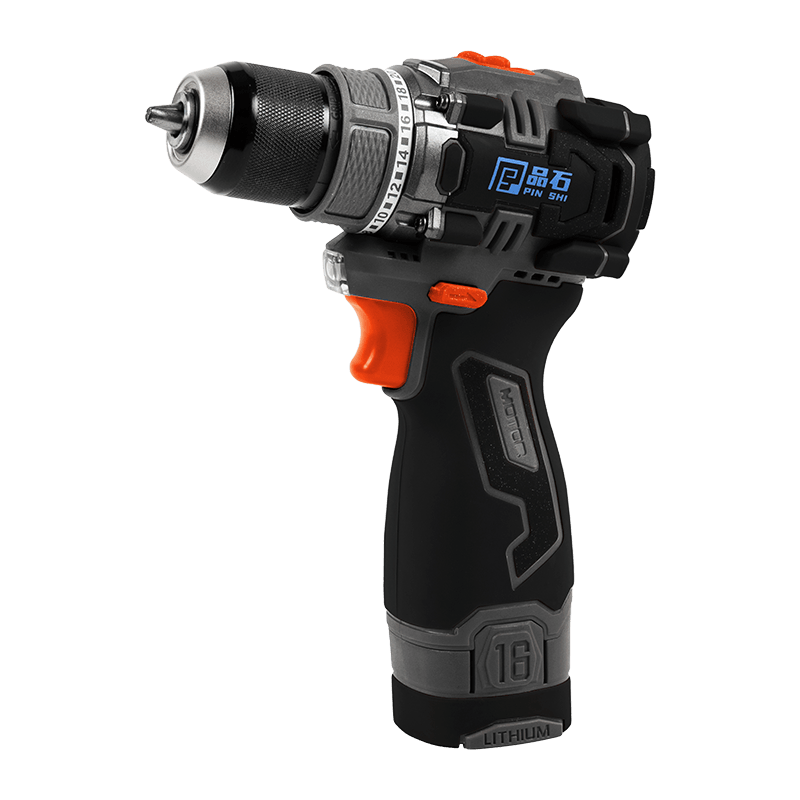
Where a Cordless Drill Excels
- Assembling furniture and flat-pack cabinetry
- Hanging shelves, mirrors, and curtain rods
- Driving deck screws outdoors, away from an outlet
- Quick repairs like tightening loose hinges or fixtures
- Working on ladders or in tight, hard-to-reach spaces
Where a Corded Drill Still Makes Sense
- Long, continuous drilling sessions into concrete or masonry
- Mixing paint, mortar, or joint compound with a paddle bit
- Workshop use where the drill stays near a fixed bench
- Budget-conscious buyers who need consistent power without battery costs
Battery Technology and Runtime
One of the biggest historical objections to cordless drills was limited runtime and slow charging. Lithium-ion batteries have largely resolved this. A typical compact cordless drill equipped with a mid-capacity lithium-ion battery can complete dozens of screws or several dozen holes on a single charge, and fast chargers can restore most of that capacity in under an hour. For most home projects, one battery easily lasts through an afternoon of work; owning a second battery essentially eliminates downtime altogether.
Battery voltage is a useful, though imperfect, indicator of power. Entry-level cordless drills in the 12-volt range are well suited to light household tasks, while 18-volt or 20-volt models — especially those built around a brushless motor — comfortably handle heavier jobs like framing repairs or deck building. A small cordless power drill in the 12-volt class is often the ideal pick for users who primarily handle light indoor tasks and prioritize compact size and low weight over maximum torque.
Battery Degradation Over Time
Lithium-ion batteries do lose capacity over years of use, typically retaining strong performance for 3 to 5 years of regular household use before a noticeable drop-off — a long-term cost corded drills simply don't carry.
Cost Comparison at a Glance
Upfront price is often the deciding factor for budget-conscious buyers, and the two drill types differ meaningfully here.
| Factor | Corded Drill | Cordless Drill |
|---|---|---|
| Upfront Tool Price | Lower | Moderate to higher |
| Ongoing Costs | None (aside from extension cords) | Replacement batteries every few years |
| Long-Term Value | Consistent, no degradation | High convenience, offsets battery cost |
| Best For | Fixed workshop use, heavy continuous jobs | General home projects, mobility |
While a corded drill often costs less at checkout, many households already own two or three cordless tools sharing the same battery platform, which reduces the effective cost of adding a compact cordless drill to the collection.
Maintenance, Durability, and Noise
Corded drills generally require less maintenance planning since there's no battery to charge, store, or eventually replace. However, brushed corded motors do wear over time, and the internal brushes eventually need replacing after heavy use. A brushless cordless drill, by comparison, has fewer moving parts prone to wear, which typically means a longer functional lifespan for the motor itself, even though the battery pack becomes the long-term maintenance item instead.
Noise levels between the two are broadly similar during actual drilling, since the sound mostly comes from the gearbox and the material being drilled rather than the power source. Where cordless models pull ahead is in overall convenience during storage and transport — no cord to coil, and most compact cordless drills fit neatly into a small tool bag or drawer.
How to Choose the Right Drill for Your Home
Use the following questions to narrow down the right choice for your household:
- Do most of your projects happen indoors near outlets, or do they span the yard, garage, and multiple floors?
- Are you mainly assembling furniture and hanging décor, or do you occasionally drill into concrete and brick?
- Do you already own other tools on a shared battery platform?
- Is compact size and low weight a priority for you or another household member?
If your answers lean toward mobility, occasional use, and general household tasks, a compact cordless drill — particularly one built with a brushless motor — will serve you better day to day.
Don't buy on voltage alone. A high-voltage cordless drill paired with a weak battery can underperform a modest corded model — check torque ratings, not just numbers on the box.
Final Verdict
For the majority of home users, the cordless drill's blend of portability, adequate power, and modern battery performance makes it the more practical everyday tool. A small cordless power drill covers the vast majority of household tasks without the hassle of cords, while a brushless motor closes most of the performance gap that once favored corded models. Keep a corded drill in the mix only if your household regularly tackles heavy-duty, continuous drilling work that benefits from unlimited power at a fixed workstation.

 Building 1, Floor 1, Industrial Zone, Zhongyi Village, Guolin Town, Haishu District, Ningbo City, Zhejiang Province, China
  +86-13906619096
  Michael@chinashimu.com