
 English
 русский
 Español
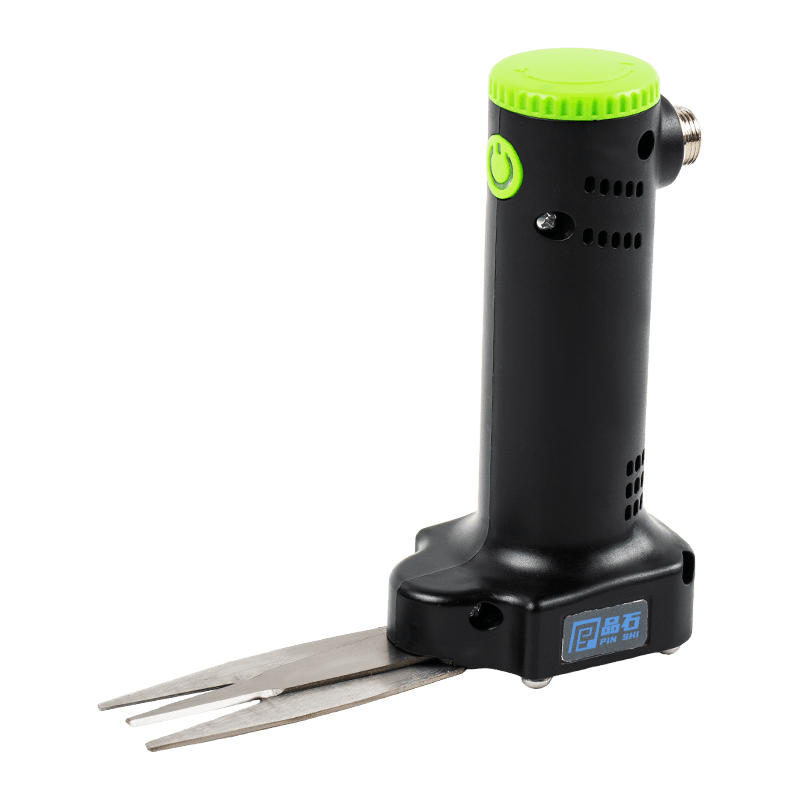
Voltage 20V (DC) Battery capacity 2.0Ah/3.0Ah/4.0Ah Motor type Brush motor No-loading speed 8000rpm Cutting width 250mm Blade type Plastic blade Aluminium te...
See Details-
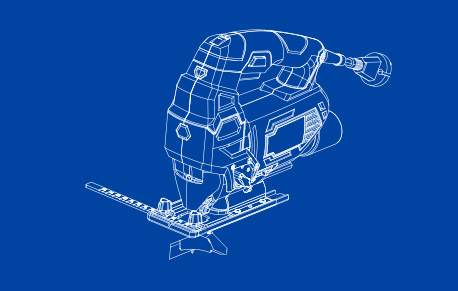
Electric Woodworking Saw
-
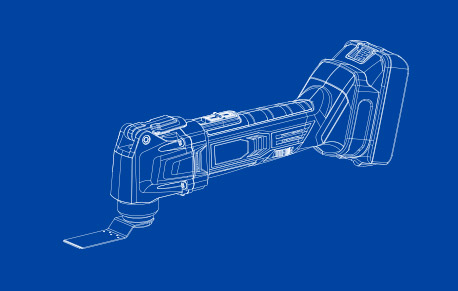
Multifunctional oscillating Saw
-
Power Drill
-
Rotary Hammer Drill
-
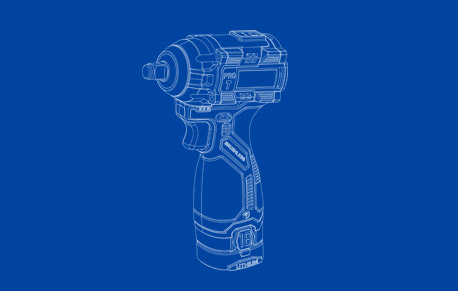
Impact Wrench
-
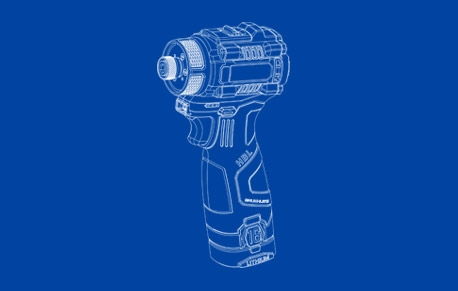
Electric Screwdriver
-
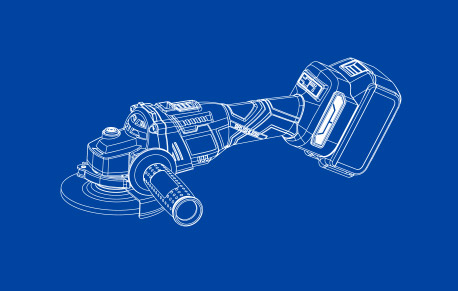
Angle Grinder
-
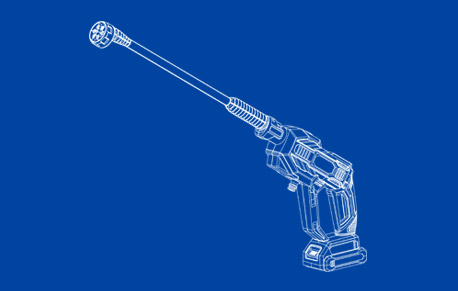
Handheld Pressure Washer
-
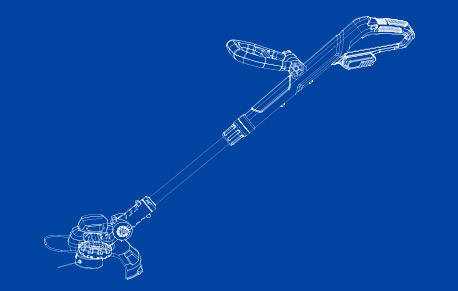
Handheld Lawn Mower
-
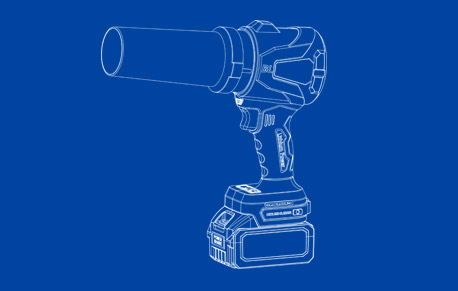
Lithium Turbo Jet Blower
-
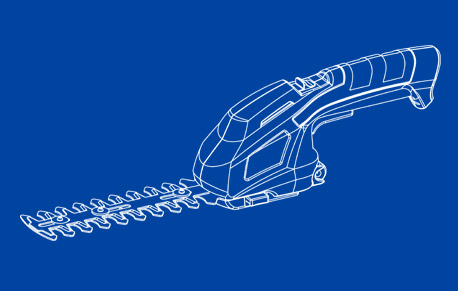
Electric Pruning Shears
-
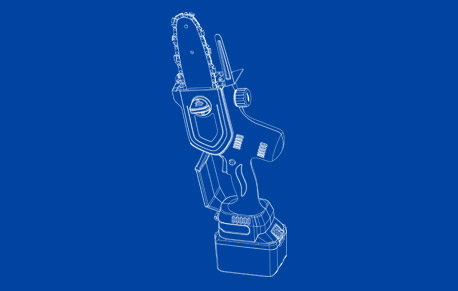
Lithium ChainSaw
-
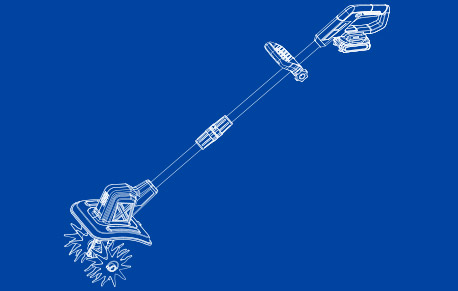
Handheld Tiller Cultivator
-
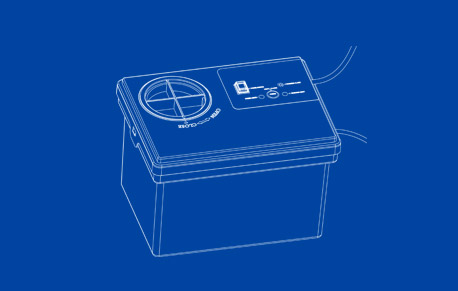
Plant Watering Devices
-
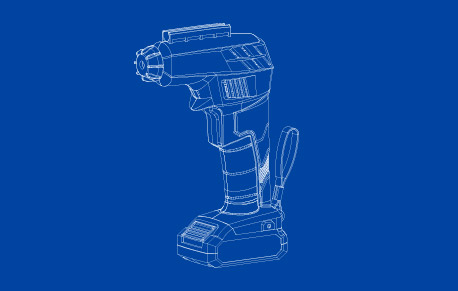
Air Pump

Author: Admin Date: 2026-07-22
What makes an oscillating saw safer on skin compared to a rotating blade saw?
Tool Safety & Engineering
Why the blade that shears through plaster casts and construction panels leaves skin completely untouched — and what that actually depends on.
An oscillating saw does not cut skin because its blade moves in a rapid, short-arc back-and-forth motion rather than a continuous rotation, and this motion only generates enough cutting force against rigid, unyielding materials. Skin is soft, elastic, and able to flex away from the blade's edge in sync with the oscillation, which means the blade cannot grip or shear through it the way it can through plaster, wood, or thin metal.
This principle, sometimes called differential cutting, is the exact reason cast saws and many models of a cordless oscillating saw are considered safe enough to run directly against a patient's skin during medical procedures. The safety comes from physics and material behavior — not from a dull or weak blade.
How Oscillation Differs From Rotation
A rotary blade, such as the kind found on a circular saw or angle grinder, spins continuously in one direction. Once it makes contact with any material, including skin, it keeps moving through that contact point, applying constant shearing force until it exits the other side. That continuous motion is what makes rotary blades so dangerous around soft tissue.
An oscillating blade behaves completely differently. Instead of spinning, it swings back and forth through a very small arc, typically between 2.8 and 3.4 degrees, at speeds ranging from 10,000 to 20,000 oscillations per minute depending on the tool. Because the arc is so narrow, the blade edge never travels far enough in one direction to build up the sustained shearing force needed to slice through something as elastic as skin.
It essentially vibrates against soft tissue rather than slicing through it — the same tap-versus-drag distinction that separates a controlled touch from a cut.
Why the Narrow Arc Matters
Think of the difference between dragging a knife across a surface versus tapping it rapidly in place over a tiny distance. Dragging builds continuous cutting force; tapping repeatedly over a millimeter-scale range does not generate the same shearing action, especially against a surface that can deform and move with the blade instead of resisting it.
The Role of Material Rigidity
The underlying concept engineers rely on is called differential cutting, and it explains why a single blade can cut through a rigid cast while leaving the skin underneath untouched. Rigid materials cannot flex or absorb the blade's oscillation, so every pass removes a small amount of material through friction and micro-abrasion. Soft, pliable materials like skin simply move with the blade instead of resisting it.
This is the same principle that lets a multi tool saw switch between cutting drywall, trim, and metal fasteners without needing a different blade geometry for each material. Cutting ability is determined largely by how much the target material resists deformation — not by raw blade sharpness alone.
| Material | Rigidity | Typical Result |
|---|---|---|
| Plaster cast | High | Clean cut through material |
| Thin sheet metal | High | Clean cut through material |
| Softwood trim | Medium | Clean cut with moderate pressure |
| Human skin | Low, elastic | Vibration felt, no cutting |
| Soft rubber padding | Low, elastic | Vibration felt, no cutting |
Where the Skin-Safe Reputation Comes From
The skin-safe reputation of oscillating tools originated in medical settings decades ago, when cast saws were first designed to let clinicians remove hardened plaster or fiberglass casts without risking injury to the patient underneath. The same oscillating mechanism was later adapted for home and trade use, which is how it ended up in the modern cordless oscillating saw now common on job sites and in DIY workshops.
Info
Medical cast saws and trade oscillating tools share the same fundamental blade motion, but cast saws are calibrated and blade-matched specifically for that use case.
A general-purpose multi tool saw is designed primarily for construction materials and should not be treated as a substitute for medical equipment.
Situations Where Injury Can Still Occur
Being unable to cut skin under normal conditions does not mean an oscillating tool is entirely risk-free. Several situations can still lead to injury, and understanding them helps set realistic expectations.
- Prolonged contact in one spot can generate friction heat, leading to minor burns even without a cut.
- Skin pinched between the blade and a hard surface, such as bone or a rigid cast layer, can be nicked or abraded.
- Excessive downward pressure can occasionally overcome the material's natural give, especially on thinner or more fragile skin.
- Worn or damaged blades with irregular teeth can behave less predictably than a properly maintained blade.
- Higher-powered trade tools not designed for medical use may have more aggressive oscillation angles or speeds.
Warning
A tool being unlikely to cut skin is not the same as a tool being incapable of causing any harm at all. Manufacturers still print safety warnings for this reason.
Blade Speed, Pressure, and Contact Time
Three variables most strongly influence how a blade interacts with skin: oscillation speed, applied pressure, and duration of contact. Faster oscillation speeds increase the number of micro-abrasive passes per second, which is beneficial for cutting rigid material quickly but also raises the chance of frictional heat buildup on skin if contact is sustained.
oscillating saw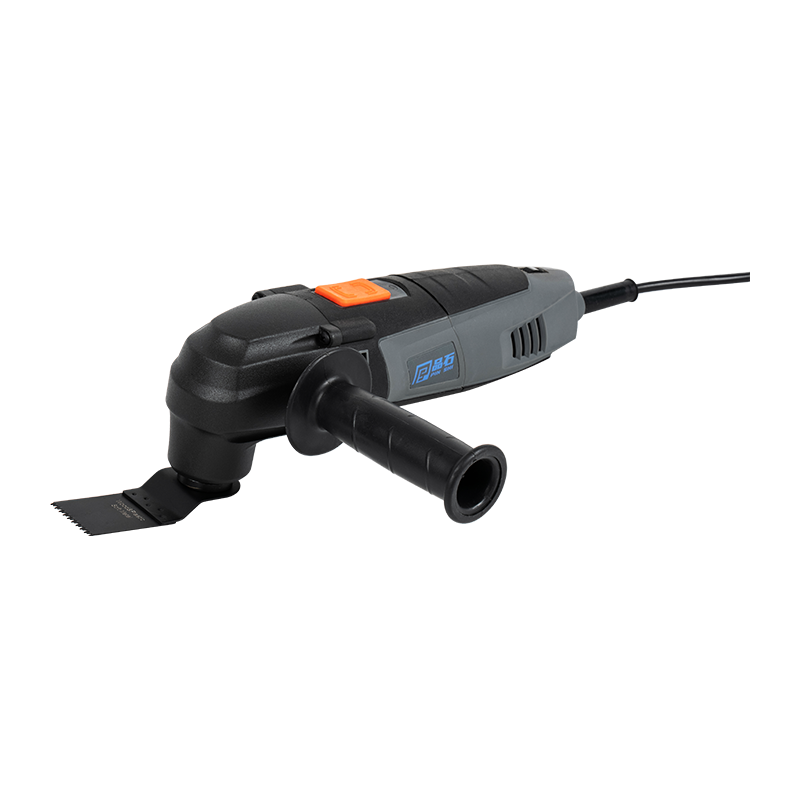
Applied pressure matters because pressing harder reduces the skin's ability to flex away from the blade, narrowing the safety margin. Contact time matters because even a fraction of a second of stationary contact is very different from several continuous seconds against the same spot.
Good Practice
Brief, light, moving contact with a properly functioning blade rarely causes any injury, while sustained, heavy, stationary contact increases risk regardless of the tool's oscillating design.
Choosing and Using an Oscillating Saw Safely
For users comparing tools, understanding blade behavior can guide smarter purchasing and usage decisions. A well-built cordless oscillating saw typically offers variable speed control, letting the operator match oscillation speed to the material being cut, which indirectly reduces risk during close-quarter work near soft materials or skin. A quality multi tool saw will also include blade guards, quick-change blade systems, and clear manufacturer guidance on safe operating pressure.
Practical Safety Steps
- Keep blades sharp and replace them once teeth show visible wear.
- Avoid prolonged stationary contact against any surface, including skin.
- Use moderate, steady pressure rather than forcing the blade into material.
- Select the lowest effective speed setting for delicate or close-proximity cuts.
- Use protective padding or barriers when cutting near the body, even though direct cuts are unlikely.
Danger
Never rely on a general-purpose oscillating tool as a stand-in for certified medical equipment when working near the body.
Key Takeaways
The narrow-arc oscillation, typically under 4 degrees, combined with the elastic, deformable nature of skin, is what prevents an oscillating blade from cutting soft tissue the way it cuts rigid materials. This is a product of physics and material science rather than any built-in dullness, and it is the same principle that allows both medical cast saws and general-purpose tools like a cordless oscillating saw or multi tool saw to be used safely near the body under normal conditions. Users should still respect basic safety practices, since friction heat, pinching, and excessive pressure can cause injury even when a direct cut is unlikely.

-
Feedback
Related Products
-
-
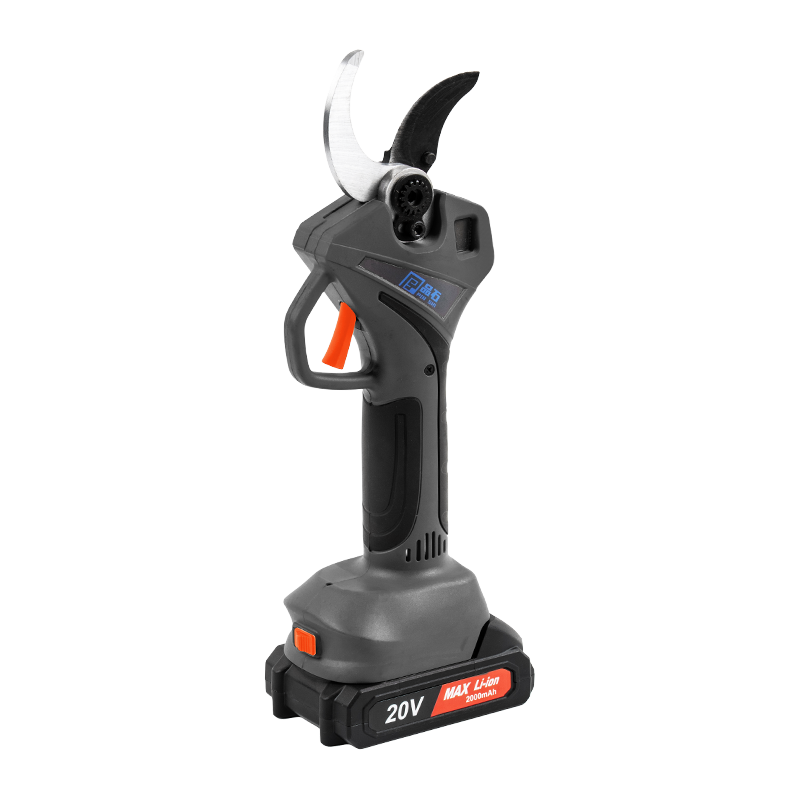
Voltage 20V (DC) Battery capacity 2.0Ah/3.0Ah/4.0Ah Motor type Brushless motor Shear diameter 40mm Charger 21V 0.5A/1.2A/2A Blade material SK5 Time of use 4-5...
See Details -
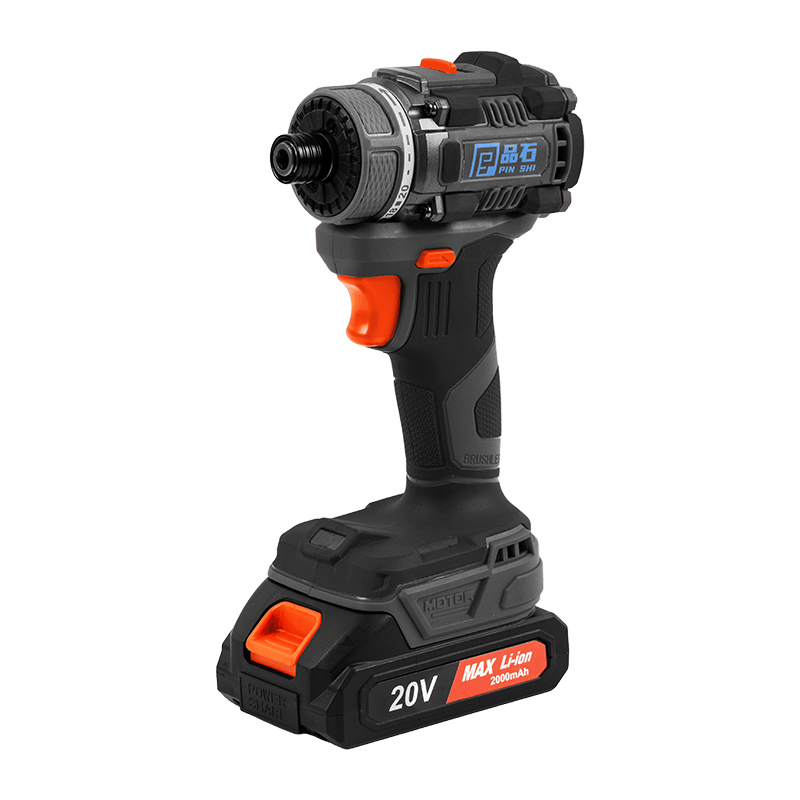
Voltage 20V (DC) Battery capacity 1.5Ah /2.0Ah Motor type Brushless motor No–loading speed 0-400rpm/0-1600rpm Torque setting 20+1 Collet 1/4"Hex(6.35mm) Max. To...
See Details -
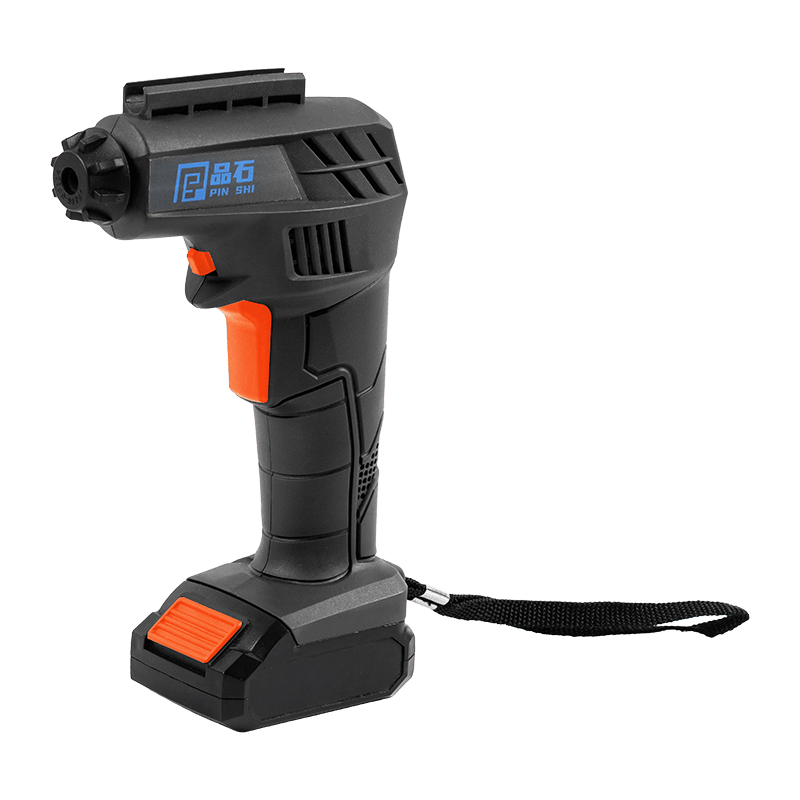
Voltage 12V (DC) Battery capacity 1.3Ah Motor type Brush motor Working pressure Max.5.5bar/80psi Air flow rate 7 l/min Max current < 10A Working time <12min ...
See Details -
Input Voltage AC 100-240V 50-60Hz Working Voltage 24V (DC) Working Current 2A(max) Motor Type Brushless Motor No Load Speed 500 - 1350rpm Blade Material Stainless S...
See Details -
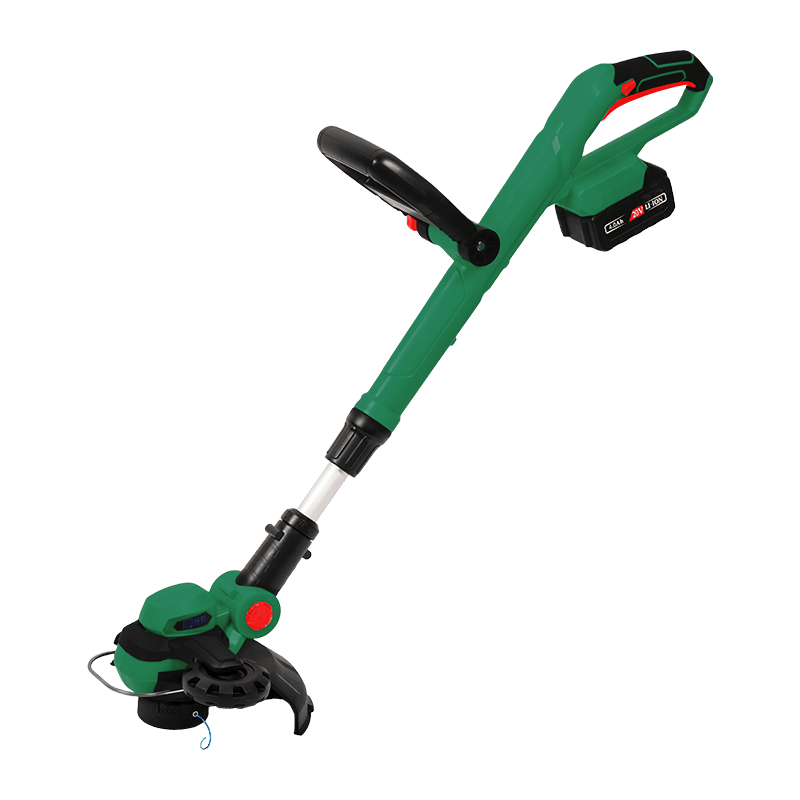
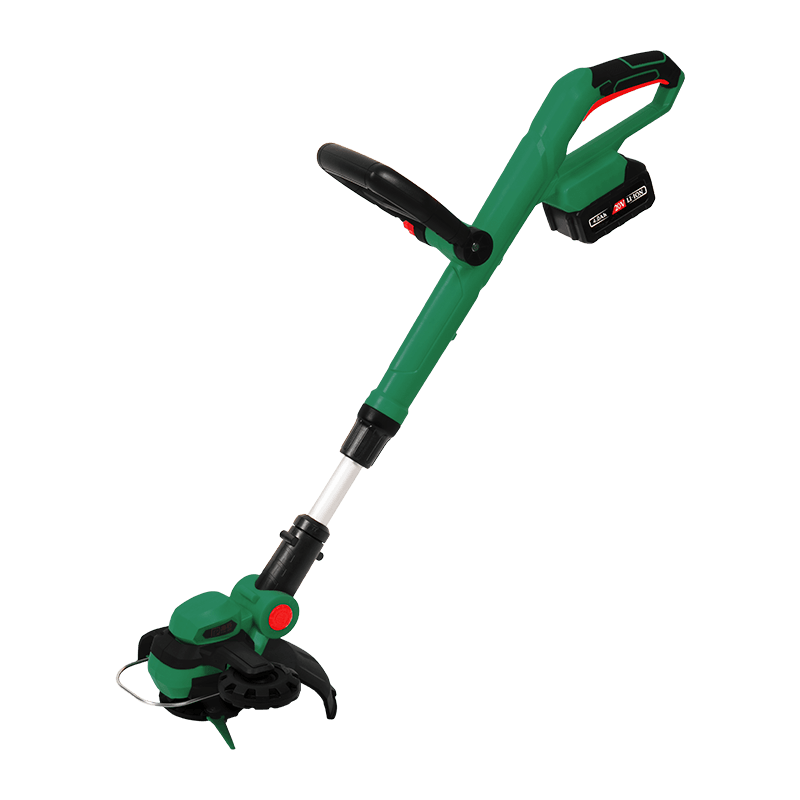
Voltage 20V (DC) Battery capacity 2.0Ah/3.0Ah/4.0Ah Motor type Brush motor No-loading speed 8000rpm Cutting width 250mm Blade type Nylon line Line diameter 1....
See Details
Related News
-
In the rapidly evolving landscape of construction, automotive repair, and industrial assembly, one tool has consistently stood out as the backbone of ...
READ MORE -
What Exactly Is an Electric Screwdriver Today? The shifting meaning of "electric screwdriver" in modern tool ecosystems The term "electric screwdriver...
READ MORE -
Impact Wrench: Definition and Core Working Principle The Impact Wrench, often referred to in industrial circles as an air gun, air wrench, or electric...
READ MORE
-
LINK
-
product
-
Quick Contact
-
 Building 1, Floor 1, Industrial Zone, Zhongyi Village, Guolin Town, Haishu District, Ningbo City, Zhejiang Province, China
 -
 +86-13906619096
 -
 Michael@chinashimu.com
-
KEEP IN TOUCH
Copyright© Ningbo Pinshi Electromechanical Co., LTD.
