
 English
 русский
 Español
Input Voltage AC 100-240V 50-60Hz Working Voltage 24V (DC) Working Current 2A(max) Motor Type Brushless Motor No Load Speed 500 - 1350rpm Blade Material Stainless S...
See Details-
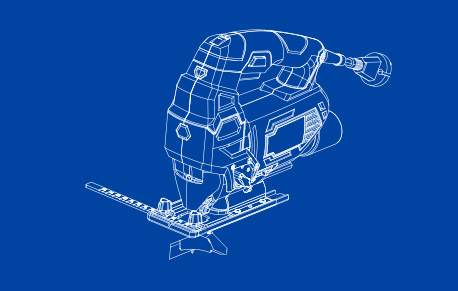
Electric Woodworking Saw
-
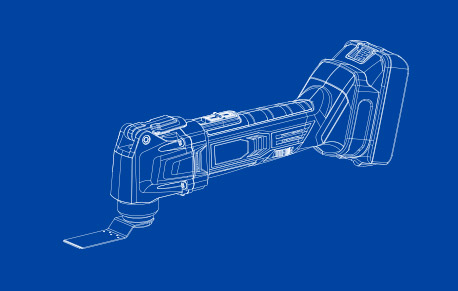
Multifunctional oscillating Saw
-
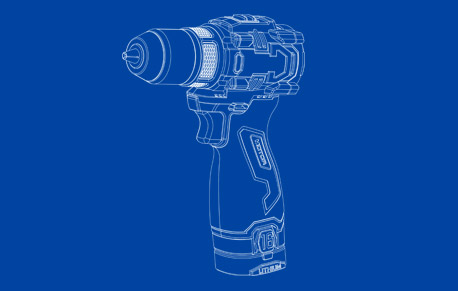
Power Drill
-
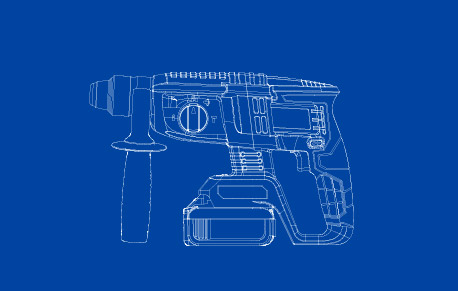
Rotary Hammer Drill
-
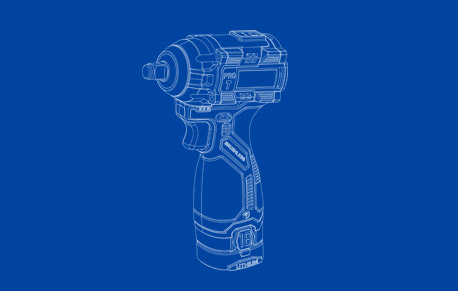
Impact Wrench
-
Electric Screwdriver
-
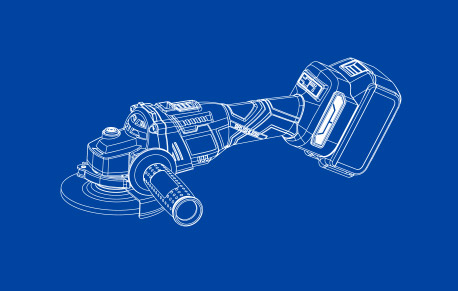
Angle Grinder
-
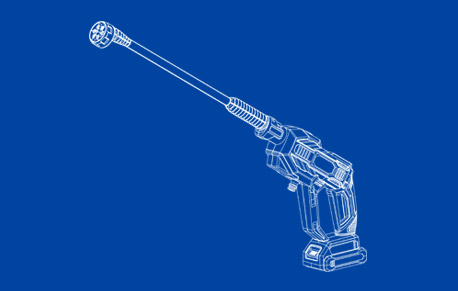
Handheld Pressure Washer
-
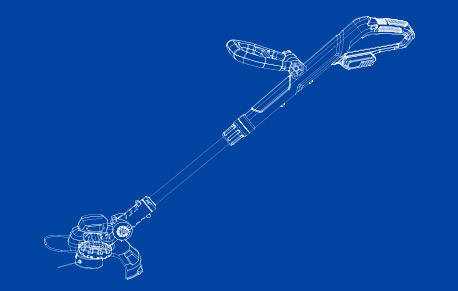
Handheld Lawn Mower
-
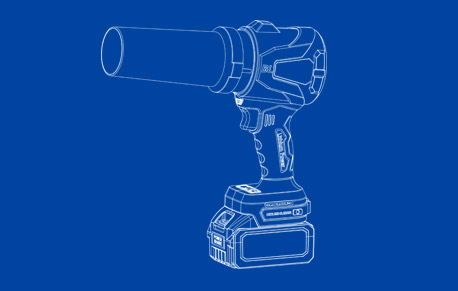
Lithium Turbo Jet Blower
-
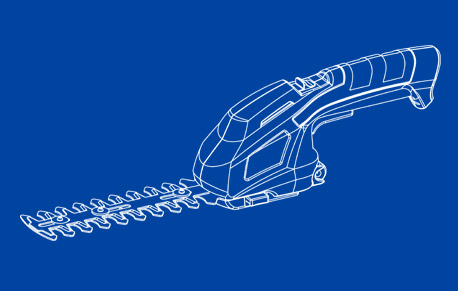
Electric Pruning Shears
-
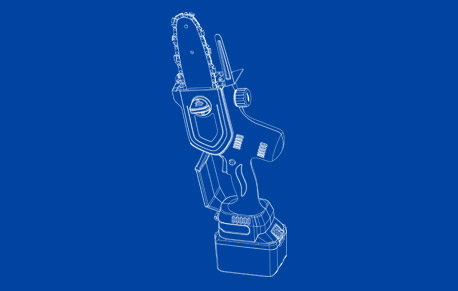
Lithium ChainSaw
-
Handheld Tiller Cultivator
-
Plant Watering Devices
-
Air Pump

Author: Admin Date: 2026-07-14
What's the difference between corded and cordless oscillating saw models?
Tools & Craft — Field Notes
The Quiet Argument Between Wire and Battery
A closer look at how power delivery, freedom of movement, and everyday rhythm quietly shape whether a corded oscillating saw or a cordless oscillating saw belongs in your hand.
There is a moment, right before a cut, when the tool in your hand tells you everything about the job ahead. A cord trailing across the floor promises endurance. A battery pack tucked into the handle promises freedom. Neither is wrong — but the difference between them shapes far more of your work than most people realize.
Power, Uninterrupted
A corded oscillating saw draws its strength directly from the wall — a steady, unwavering current that never dips, never hesitates, never asks you to plan around it. The motor spins at full voltage from the first cut to the last, holding its oscillation speed with a kind of mechanical honesty that battery cells cannot always match.
This matters most in the long stretches — subfloor removal, dense hardwood, hours spent hunched over a renovation that refuses to end early. A corded tool simply keeps going, indifferent to time.
Freedom, Untethered
The cordless oscillating saw tells a different story — one of movement rather than endurance. Without a cable pulling at your wrist, the tool goes wherever the work takes you: into attic crawlspaces, along rooftop edges, through job sites where an outlet is a luxury, not a given.
oscillating saw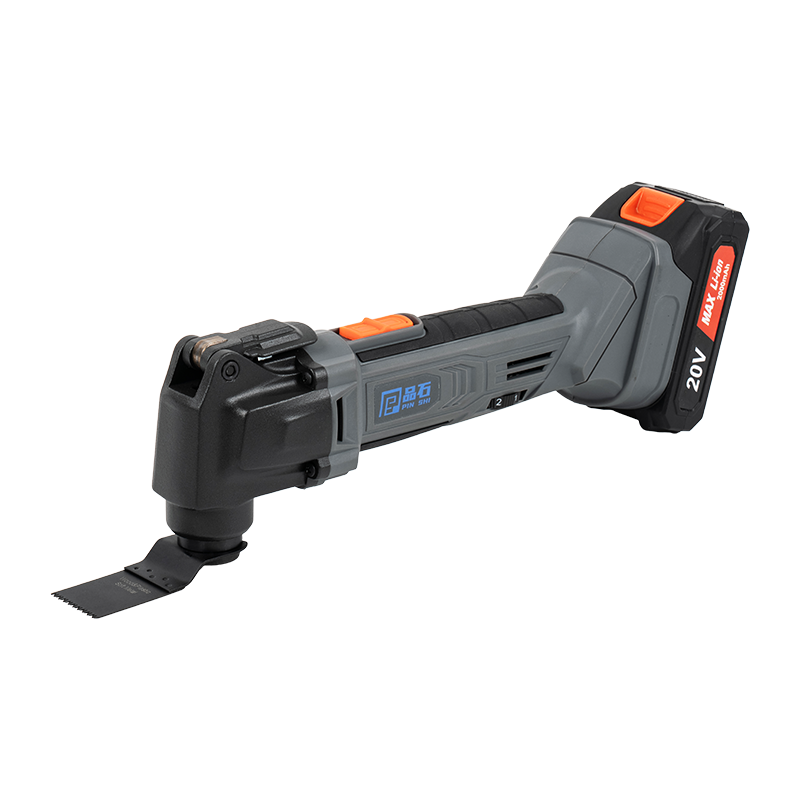
Most lithium-ion packs offer somewhere between twenty and forty minutes of continuous cutting, a window that fits the rhythm of quick repairs and detail work far better than it fits a full day of demolition.
The best tool is rarely the more powerful one — it is the one that disappears into the task at hand.
Where Each One Belongs
Every project has a shape, and each tool fits a different silhouette of work.
- Corded: long, uninterrupted sessions near a fixed power source — flooring, cabinetry, workshop builds.
- Cordless: mobile, unpredictable environments — remote repairs, outdoor trim work, tight interior spaces.
- Corded: budget-conscious purchases where occasional, dependable power matters most.
- Cordless: multi-tool ecosystems where one battery already powers half the toolbox.
A Side-by-Side Reading
| Consideration | Corded | Cordless |
|---|---|---|
| Runtime | Unlimited | 20–40 minutes per charge |
| Power consistency | Constant | Gradual decline near depletion |
| Mobility | Limited by cord length | Fully portable |
| Upfront cost | Lower | Higher |
Note
Battery output rarely drops off sharply — most users notice only a slight softening of cutting speed once a pack falls below roughly twenty percent capacity.
Worth Considering
Cordless batteries typically last between five hundred and one thousand charge cycles. Storing them at extreme temperatures or leaving them fully depleted for long periods can shorten that lifespan considerably.
Good to Know
Many cordless oscillating saws share a battery platform with other tools in the same line — an investment that quietly pays for itself as your collection grows.
Maintenance, Quietly Different
A corded saw asks little of you beyond vigilance — a cord kept free of nicks, a blade clamp wiped clean of dust. A cordless saw asks a little more: contacts kept clean, batteries stored with care, charge cycles respected rather than ignored. Neither demand is heavy, but each shapes the tool's long-term reliability in its own way.
The Decision, Simplified
In the end, the choice rarely comes down to which tool is objectively better. It comes down to the shape of your next job — its length, its location, its distance from a wall outlet. Many professionals eventually own both, reaching for the corded saw when the work is long and stationary, and the cordless saw when the work is short and on the move. The wire and the battery are not rivals so much as two answers to the same quiet question: how do you want to work today?

-
Feedback
Related Products
-
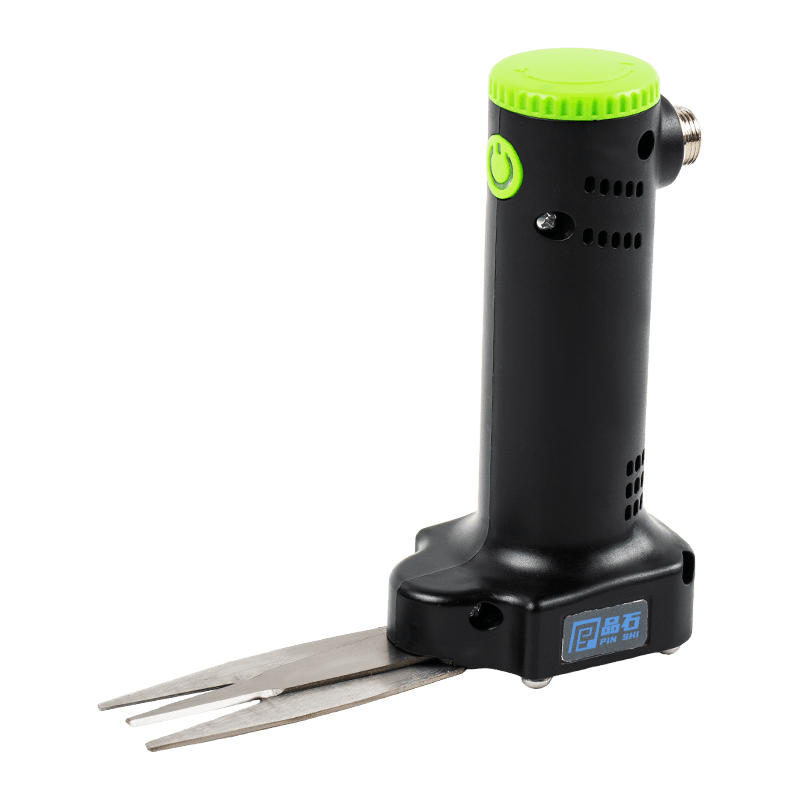
-
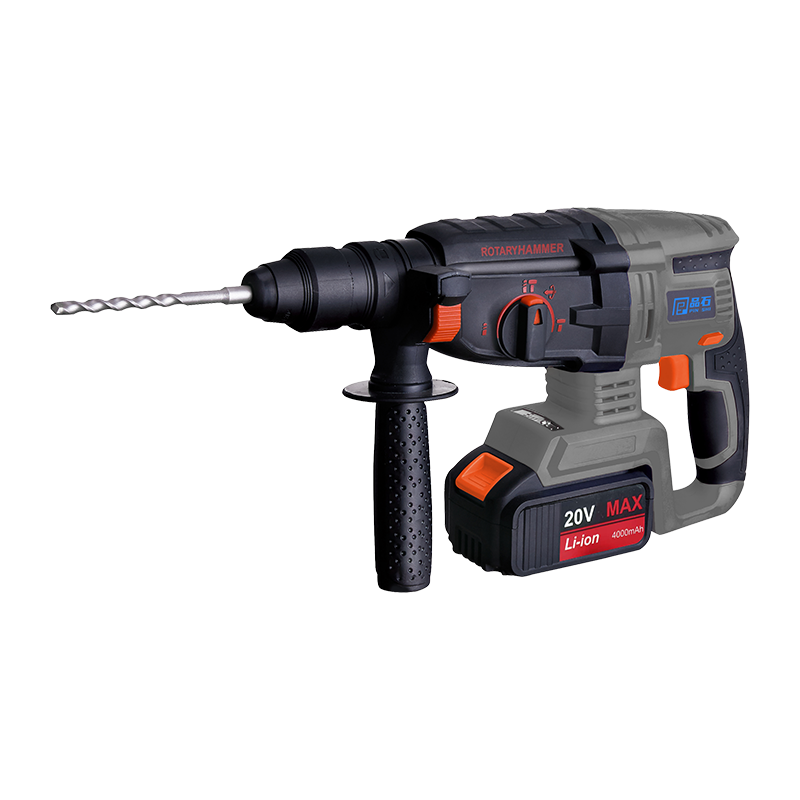
Voltage 20V(DC) Battery capacity 3.0Ah/4.0Ah Motor type Brushless motor Modes 3 Impact energy 3.0J No-loading speed 0-1000rpm Impact rate 0-4500bpm Chuck...
See Details -
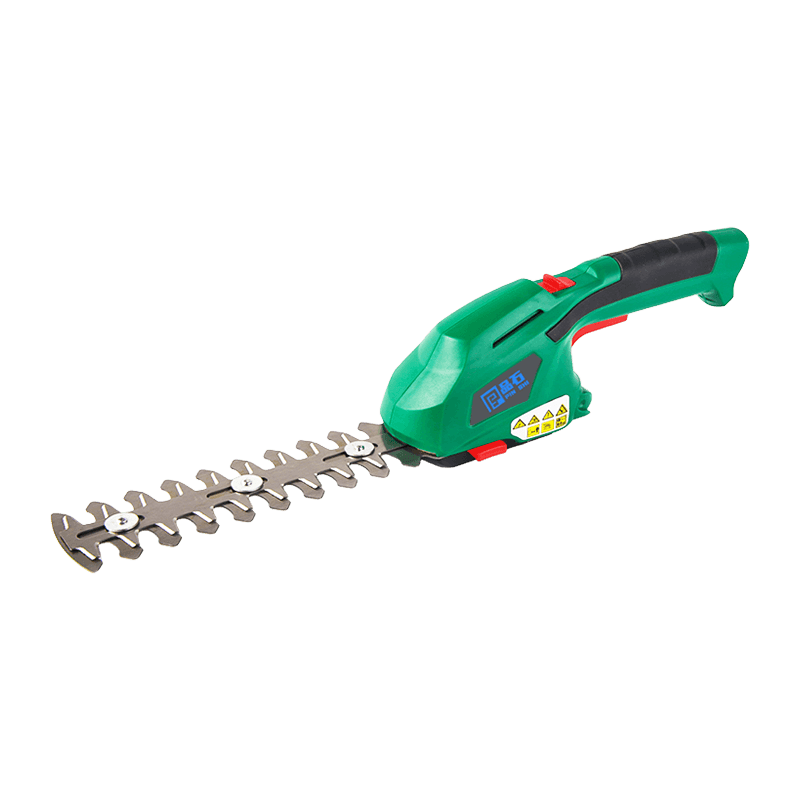
Voltage 3.6V/7.2V (DC) Battery capacity 1.3Ah/1.5Ah Motor type Brush motor Cutting length 160mm (Shrub) No-loading time >60mins (Shrub) Cutting length 80mm (Gr...
See Details -
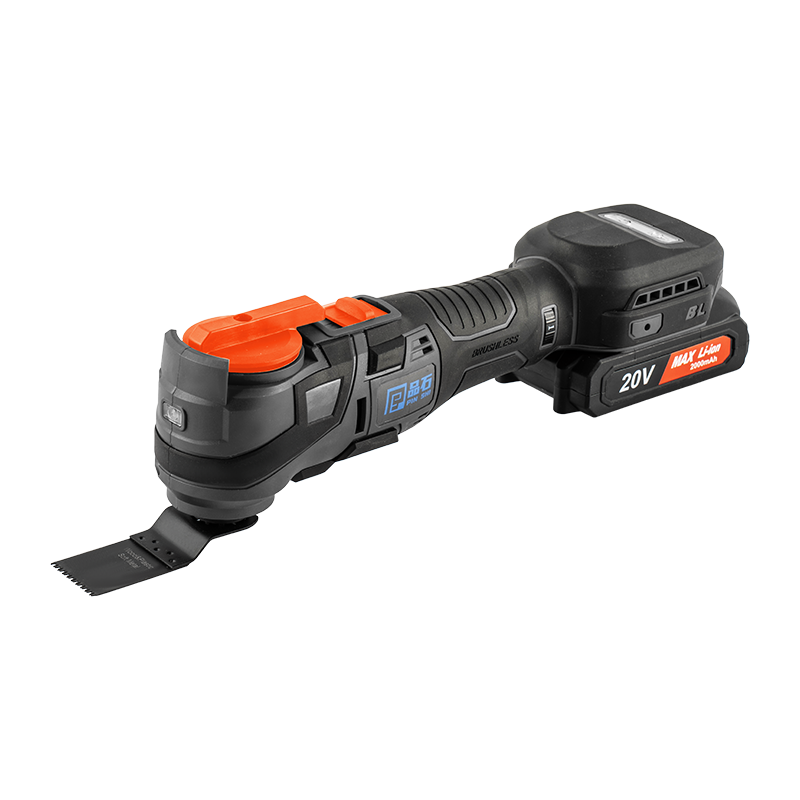
Voltage 20V (DC) Battery capacity 2.0Ah Motor type Brushless motor Oscillations 8,500 - 20,000 OPM Oscillations angle 4 degre Charger 21V 0.5A/1.2A/2A Tool chan...
See Details -
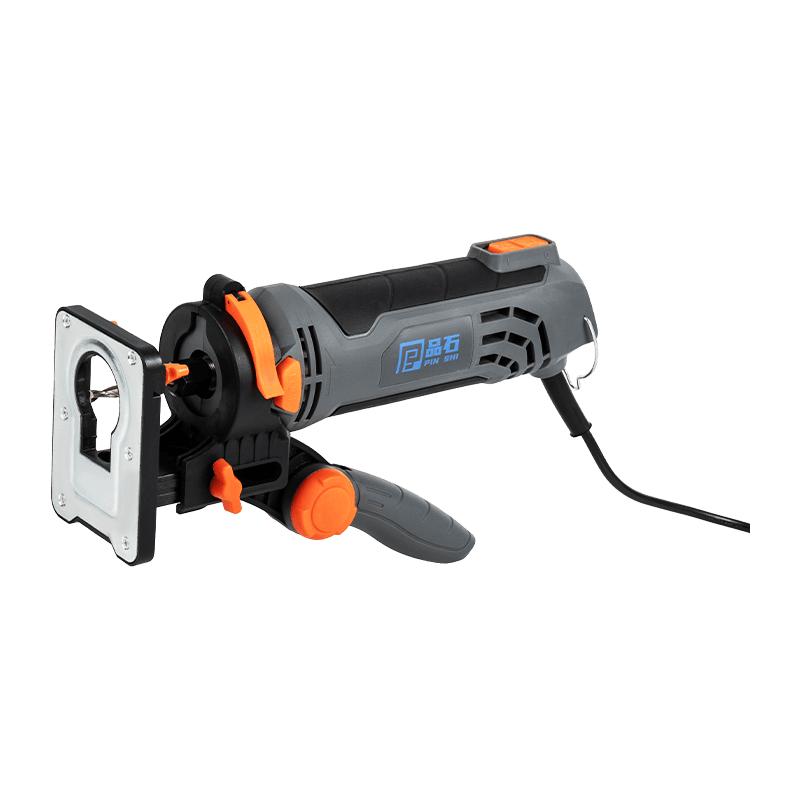
Smooth start Constant speed Input voltage(V) 230V/120V Mains frequency (Hz) 50Hz/60Hz Input power(W) 600W No-loading speed 5000-25000rpm Max cutting depth 3...
See Details -
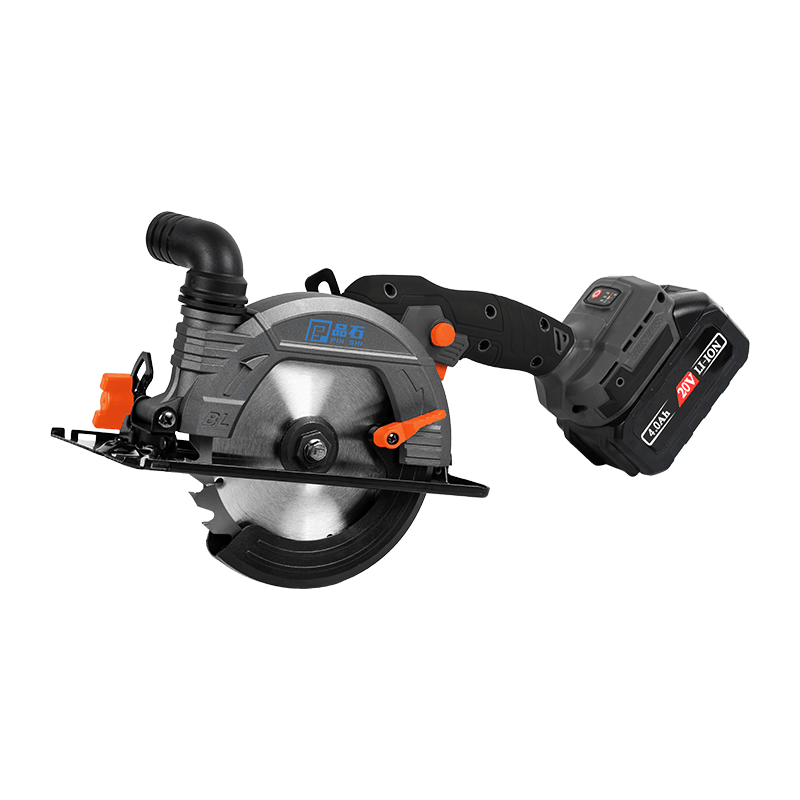
Voltage 20V (DC) Battery capacity 3.0Ah/4.0Ah Motor type Brushless motor No-loading speed 4800rpm Cutting depth 45°-40mm /90°-55mm Blade diameter 150mm Blade mo...
See Details
Related News
-
In the rapidly evolving landscape of construction, automotive repair, and industrial assembly, one tool has consistently stood out as the backbone of ...
READ MORE -
What Exactly Is an Electric Screwdriver Today? The shifting meaning of "electric screwdriver" in modern tool ecosystems The term "electric screwdriver...
READ MORE -
Impact Wrench: Definition and Core Working Principle The Impact Wrench, often referred to in industrial circles as an air gun, air wrench, or electric...
READ MORE
-
LINK
-
product
-
Quick Contact
-
 Building 1, Floor 1, Industrial Zone, Zhongyi Village, Guolin Town, Haishu District, Ningbo City, Zhejiang Province, China
 -
 +86-13906619096
 -
 Michael@chinashimu.com
-
KEEP IN TOUCH
Copyright© Ningbo Pinshi Electromechanical Co., LTD.
