
 English
 русский
 Español
Voltage 3.6V/7.2V (DC) Battery capacity 1.3Ah/1.5Ah Motor type Brush motor Cutting length 160mm (Shrub) No-loading time >60mins (Shrub) Cutting length 80mm (Gr...
See Details-
Electric Woodworking Saw
-
Multifunctional oscillating Saw
-
Power Drill
-
Rotary Hammer Drill
-
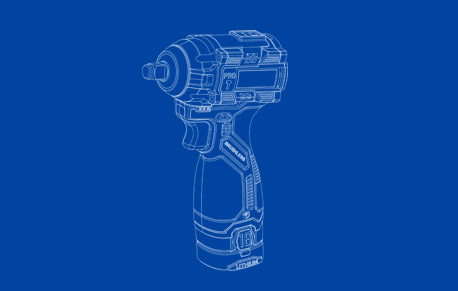
Impact Wrench
-
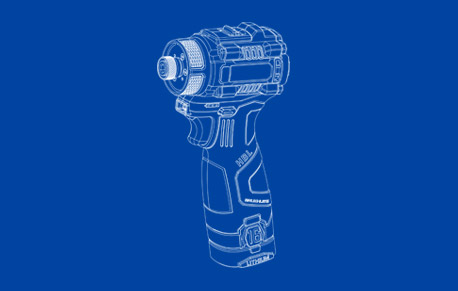
Electric Screwdriver
-
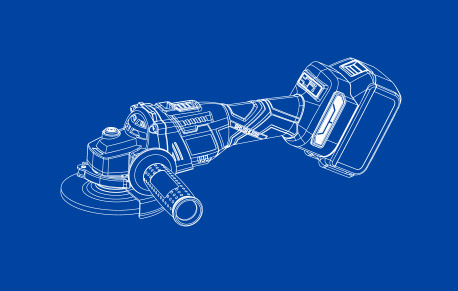
Angle Grinder
-
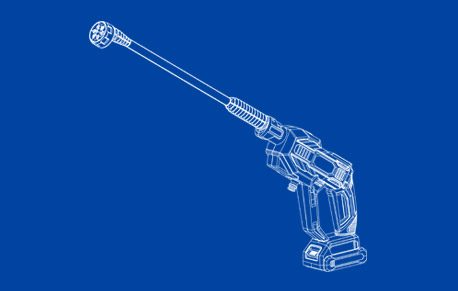
Handheld Pressure Washer
-
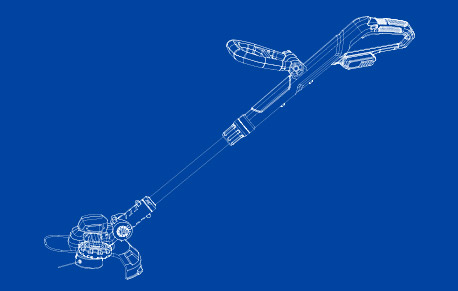
Handheld Lawn Mower
-
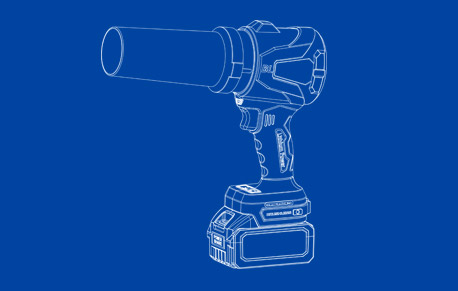
Lithium Turbo Jet Blower
-
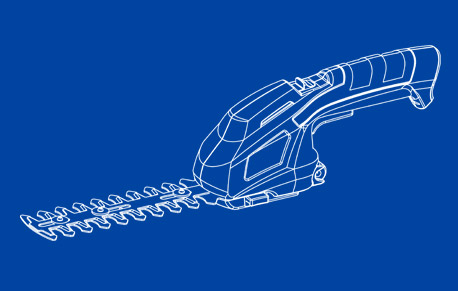
Electric Pruning Shears
-
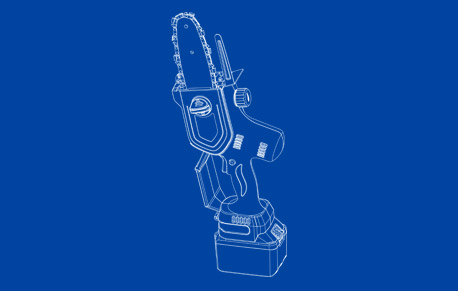
Lithium ChainSaw
-
Handheld Tiller Cultivator
-
Plant Watering Devices
-
Air Pump

Author: Admin Date: 2026-10-22
Cordless pruner review: Applications, Selection Criteria, and Practical Guidance
Garden Tool Buyer’s Guide
A Cordless Pruner Review That Looks Past the Spec Sheet
The quiet workhorse of the garden is no longer a manual tool. Here is what actually matters when you choose a battery-powered pruner — and what the marketing photos never show you.
Every garden has that one branch: thick, awkwardly placed, and just beyond the reach of a comfortable cut. For most people, the first 20 minutes of pruning are satisfying. The next hour is when the hand starts to ache, the wrist remembers every past strain, and the cut quality slowly falls apart. That is the real reason cordless pruners moved from a niche gadget to a mainstream tool.
A battery-powered pruner does not make a better gardener out of you. It changes the physical relationship between you and the work. Instead of squeezing a handle hundreds of times per session, you press a trigger and let the motor do the heavy part. But not every cordless pruner delivers the same experience. Some feel like a genuine upgrade; others feel like a toy with a sharp blade. This guide gives you a practical framework for telling the difference.
What a Cordless Pruner Actually Needs to Do
Before comparing models, it helps to define the job. A cordless pruner is not a chainsaw replacement. It is not a hedge trimmer. It is an electric hand pruner designed for branches that a manual bypass or anvil pruner would normally handle. That typically means diameters from roughly 15 mm up to 30 mm or 40 mm, depending on the model and the wood condition.
Three functions matter most:
- Cutting cleanly — the blade must pass through woody material without crushing or tearing the stem.
- Reducing fatigue — the motor should carry the load, not the user’s forearm.
- Working long enough — the battery should survive a realistic session, not just a few test cuts.
When you read a product description, look for the cutting diameter in millimetres and the blade type. A model that advertises a 30 mm cutting capacity on green wood may behave differently on dry, hard branches. Keep that in mind as you compare options.
The Buying Decision Framework: Power, Battery, and Real Workload
The fastest way to narrow down a purchase is to decide what kind of pruning you do most. A gardener who trims rose bushes and small ornamentals has very different needs from someone who maintains fruit trees and overgrown shrubs.
| Voltage Class | Typical Cut Capacity | Suitable Workload | Trade-off |
|---|---|---|---|
| 7.2 V – 12 V | Up to 20 mm | Light trimming, flowers, young shoots | Light weight, but slower on dense wood |
| 16 V | 20 – 30 mm | Regular garden maintenance | Good balance for most home gardens |
| 20 V | 30 mm and above | Fruit trees, thick shrubs, extended pruning sessions | More power, but heftier and usually pricier |
Higher voltage does not automatically mean better. A 20 V pruner with a poorly matched blade will struggle on a 25 mm branch, while a well-designed 16 V model with a sharp, properly aligned blade will cut it confidently. The key is to match the tool to your dominant task. If you are still unsure whether a light or a mid-range model is enough, the
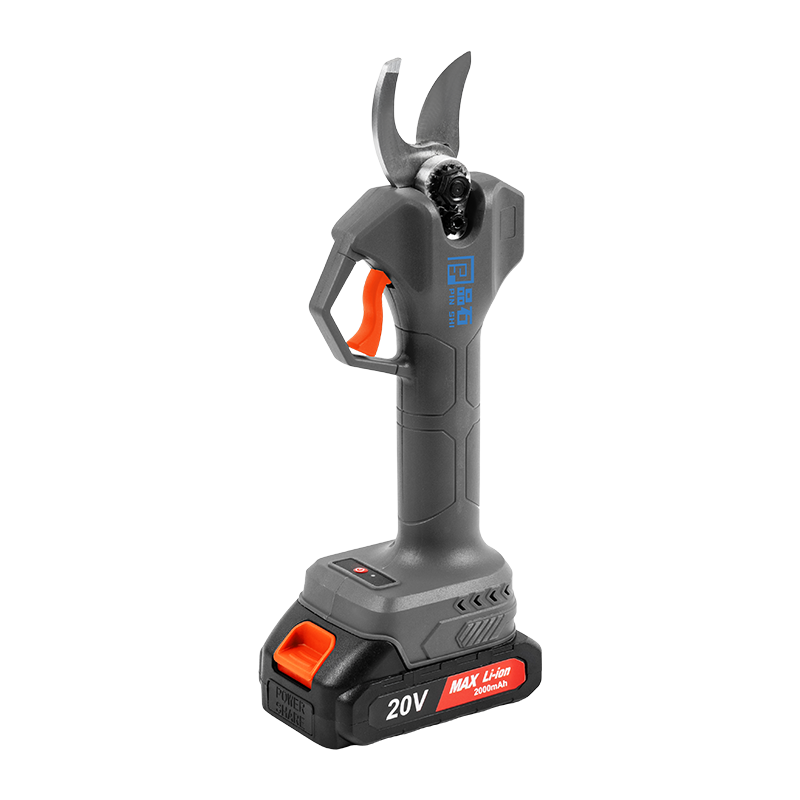 20V Cordless Pruning Shears with Brushless MotorThis mid-range pruner balances power and blade quality for cutting branches up to 25 mm, making it a practical choice when matching voltage to your dominant garden tasks.View Product →
in this range sit at the practical sweet spot for most mixed gardens.
Battery Life and Cutting Performance: What Tests Do Not Show
Battery life is the number one anxiety for first-time buyers. That worry is reasonable, but the discussion is often framed in the wrong way. Instead of asking “how many cuts per charge,” ask “how many realistic cuts per charge.” A spec sheet that claims several hundred cuts usually assumes short, thin, green material. Real pruning involves a spread of branch thicknesses.
A few factors determine whether a cordless pruner will last through an afternoon:
- Cell quality — not all lithium batteries behave equally under sustained load.
- Motor efficiency — a brushless or well-tuned motor uses less energy per cut.
- Blade condition — a dull blade forces the motor to work harder and drains the battery faster.
- Tool design — some pruners maintain full blade force only at the start of the cut, while better designs keep force consistent through the entire stroke.
The broader power tool market is moving toward brushless motors and smarter electronics for exactly this reason. If you want to understand why that matters beyond pruning, the development trends of intelligence and wirelessization in the power tool industry explain the trajectory well. Meanwhile, expect the first sign of a weak pruner to appear in the second hour of work, not in the first ten cuts.
Blade Quality: The Part That Gets Ignored
People love to talk about voltage and battery amp-hours, but the blade is where a cheap cordless pruner reveals itself. A good blade is sharp, made from a harder steel, and holds an edge through many cutting cycles. A bad blade feels sharp on day one and then starts crushing wood by the second week.
“The blade is the tool. The motor just helps you move it.”
Two blade designs dominate the market: bypass and anvil. Most cordless pruners use a bypass design, where a sharp blade passes by a fixed lower jaw. This gives a cleaner cut on green wood and is generally the better choice for live plants. Anvil designs crush the stem against a flat surface, which works better for dead wood but can damage living tissue. If a product page does not specify the blade style, treat that as a warning sign.
Ergonomics, Hand Fatigue, and Long-Use Comfort
Manufacturers love to repeat the word “ergonomic.” What that actually means in a cordless pruner is a handle shape that distributes force evenly, a trigger that does not strain the index finger, and a weight balance that does not tip forward after every cut.
If you have arthritis, weaker grip strength, or a history of hand strain, the ergonomic difference between models becomes the entire purchase decision. Cordless pruners already reduce the mechanical stress of manual squeezing, but some do it far better than others. A comfortable model lets you keep a natural wrist posture. A poorly designed one forces you to adjust your grip repeatedly.
The practical test is simple: hold the pruner with one hand and let it hang naturally. If the head pulls the tool forward, the balance is off. For lighter tasks like shaping perennials, trimming boxwood, or tidying small hedges, a compact
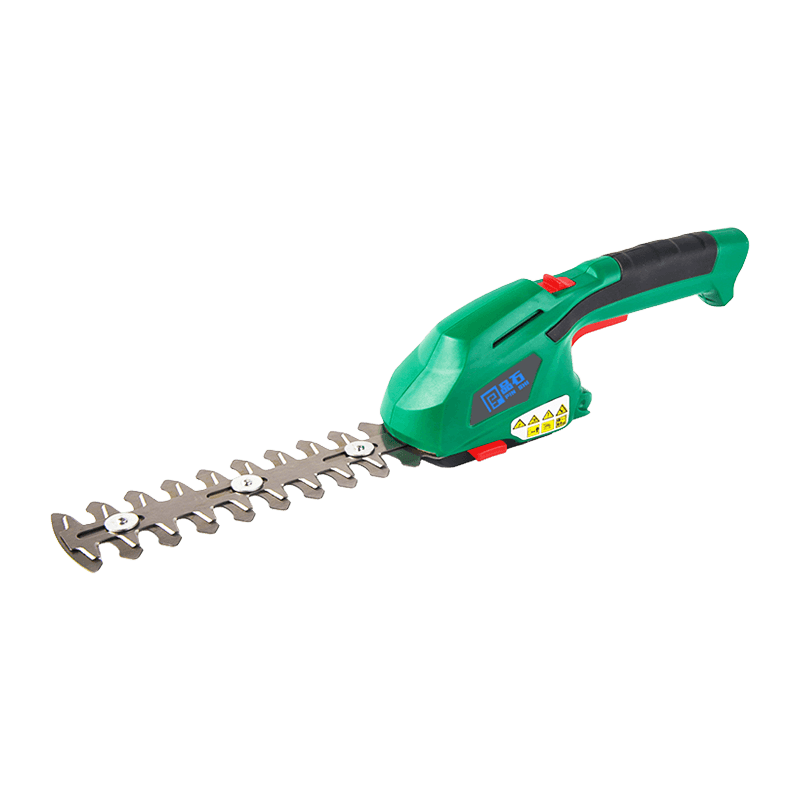 Lightweight 2-in-1 Hedge Trimmer and Grass ShearIts compact, balanced design suits light tasks like shaping perennials and tidying borders, reducing fatigue during prolonged one-handed use.View Product →
is often more useful than a large pruner because it lets you work closer to the plant with less fatigue.
Safety and Practicality in the Field
A cordless pruner blade is fast-moving and sharp. That combination demands respect. The best tools build safety into the trigger design: a two-step activation that prevents accidental starts, a blade guard that covers the cutting edge during transport, and a release that stops the blade quickly when the trigger is let go.
There is another safety layer that does not appear on any spec sheet: working position. A pruner that is too heavy will make you cut from awkward angles. A pruner that is too short will put your wrist in extension. A tool that feels comfortable in the first five minutes will feel even better after fifty, and that comfort directly affects both cut accuracy and personal safety.
If you are pruning dense shrubs with many branch intersections, the blade moves fast. Keep your free hand and face away from the cutting zone, and never carry the pruner with the trigger depressed while repositioning a ladder or reaching into dense foliage.
Maintenance and Long-Term Value
Cordless pruners take less daily maintenance than manual ones in one respect: you no longer need to develop the hand strength to make several hundred cuts. But they still need basic care.
Keep the blade clean and lightly oiled. Remove sap residue after each session. Charge the battery in a dry space, and store the tool with the blade guard in place. The most common failure point on cheaper models is not the motor or battery — it is the blade alignment. If the blade bends even slightly, the cut quality drops and the motor strains.
If you are pruning hedges as well as individual branches, one well-chosen tool can reduce equipment clutter. A
 20V Cordless Hedge Trimmer with Rotating HandleA 20-inch dual-action blade and rotating handle handle long hedge runs efficiently, complementing a pruner for precise branch work within a shared battery system.View Product →
covers long hedge runs, while the pruner handles the precise branch work. Many gardeners slowly build a set around a shared battery platform so they can keep one spare battery rather than buying a separate system for every task.
Recommendations at a Glance
- Match the pruner to your dominant branch diameter. Do not buy a 20 V tool for rose bushes, and do not expect a 7.2 V tool to carve through old apple-tree wood.
- Prioritise blade design over headline voltage. A sharp, well-aligned blade with a clean bypass action is worth more than a slightly higher voltage number.
- Look at the trigger and balance, not just the grip material. Two-step triggers, smooth release, and neutral weight distribution matter more over multiple sessions.
- Plan the maintenance routine before the first cut. Cleaning and basic lubrication are what make a cordless pruner last for years instead of months.
“The right cordless pruner is the one that disappears into the work. You stop thinking about the tool and start thinking about the cut.”
The Bottom Line
A cordless pruner is not a substitute for judgment, pruning technique, or the occasional chainsaw. It is a precision instrument that removes the physical bottleneck from repetitive cutting work. The best purchase decision comes from understanding your own garden, matching the cut capacity to the branch types you actually handle, and checking the details that a specification table leaves out: blade style, trigger feel, balance, and long-term maintenance.
Start with a clear idea of your workload. If most of your pruning sits in the 15 mm to 30 mm range, a 20 V platform with a clean bypass blade and a comfortable trigger will serve you well. If the work is lighter, a compact 7.2 V trimmer keeps the fatigue low and the precision high. Either way, the measure of a good cordless pruner is simple: it makes you reach for the pruning work more often, because the work no longer feels like a strain.

-
Feedback
Related Products
-
-
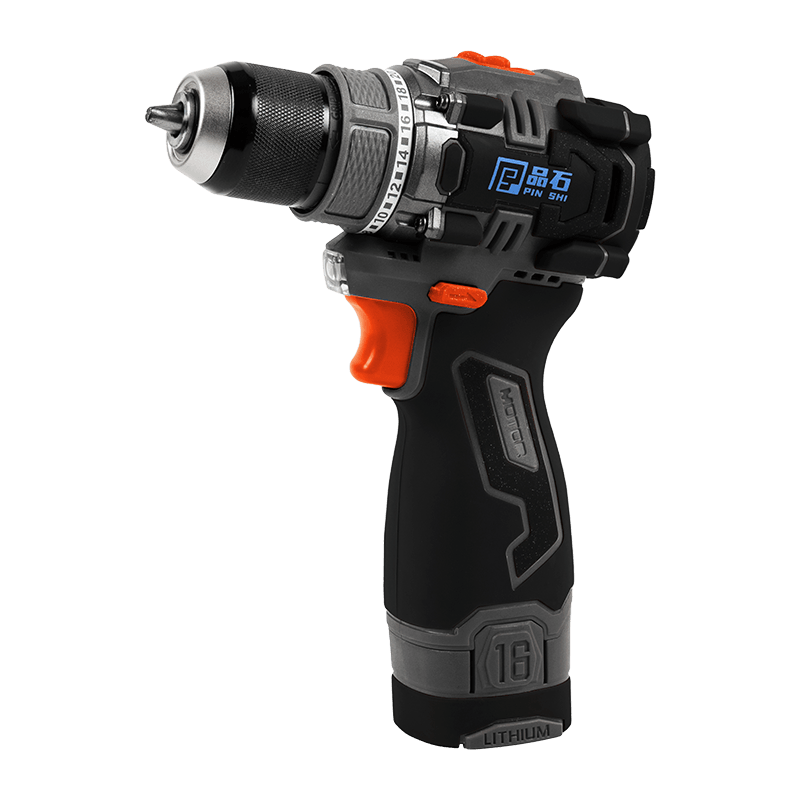
Voltage 16V (DC) Battery capacity 1.5Ah /2.0Ah Motor type Brushless motor Two speed 0-430rpm/0-1800rpm Chuck capacity 10mm Max. Drill capacity 10mm(Steel)20mm(Wood)...
See Details -
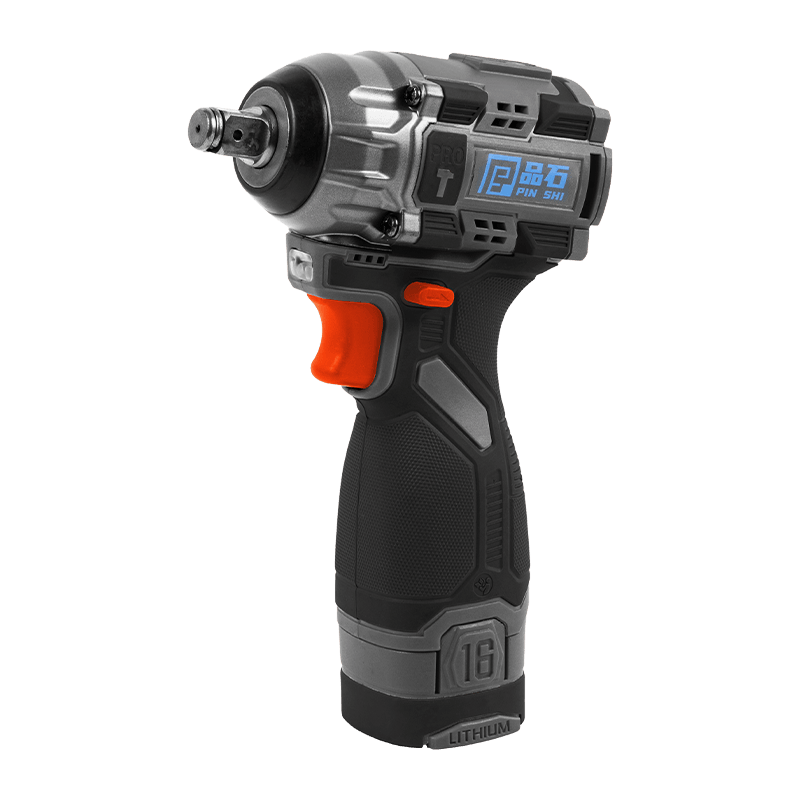
Voltage 16V (DC) Battery capacity 1.5Ah/2.0Ah Motor type Brushless motor No–loading speed 0-3200rpm Max.Impact rate 0-3500bpm Standard bolt size M6-M16 Square d...
See Details -
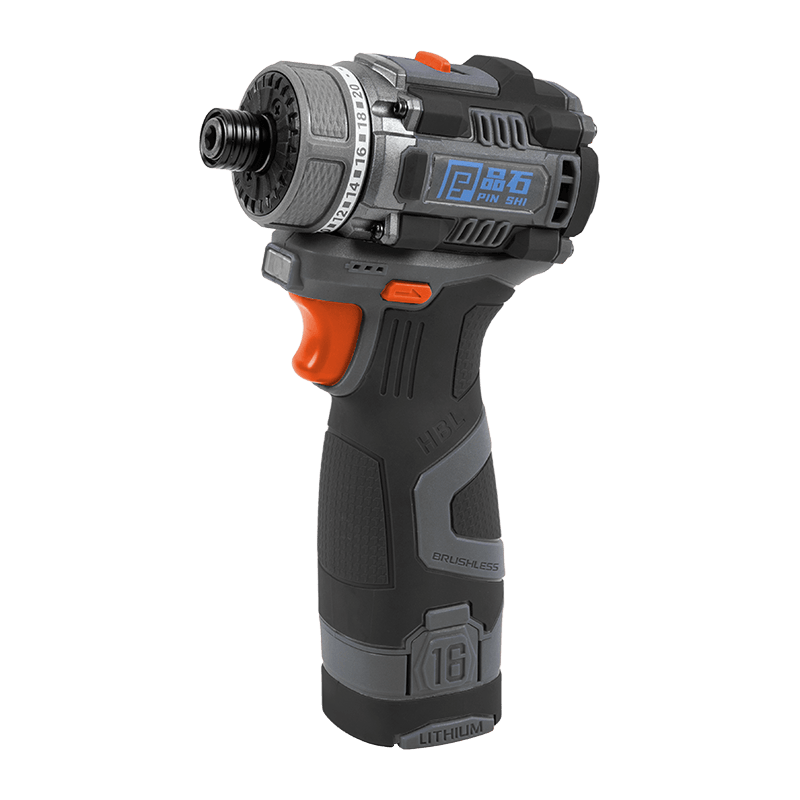
Voltage 16V (DC) Battery capacity 1.5Ah /2.0Ah Motor type Brushless motor Two speed 0-500rpm/0-1850rpm Torque setting 20+1 Collet 1/4"Hex(6.35mm) Max.Torque 5...
See Details -

Voltage 20V (DC) Battery capacity 2.0Ah/3.0Ah/4.0Ah Motor type Brush motor Max.Pressure 25bar Flow rate 0.8GPM (2.8L/min) Max.Suction height 3.2m Suction hose...
See Details -
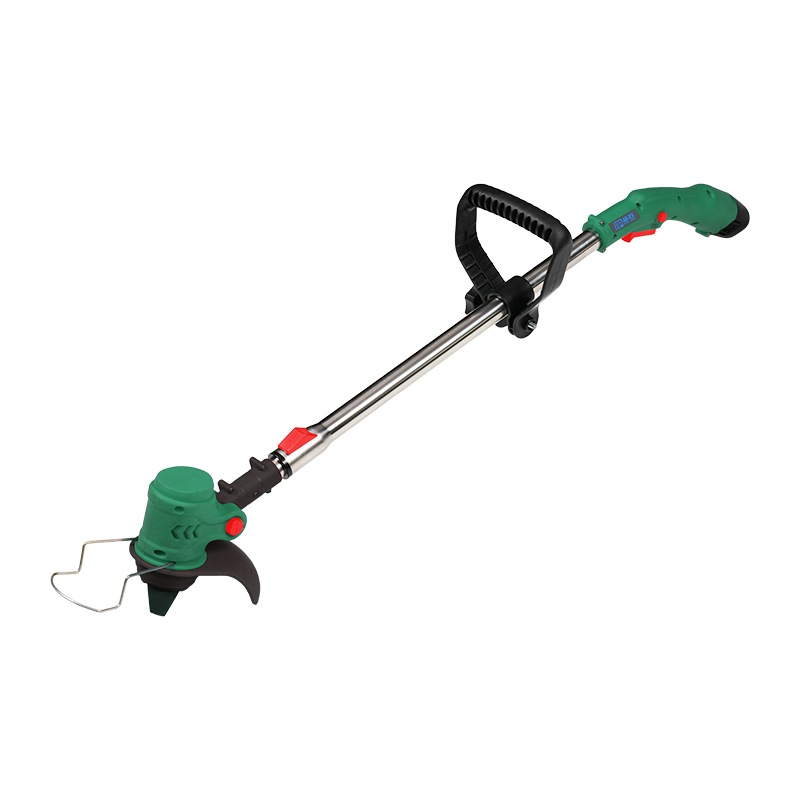
Voltage 12V (DC) Battery Capacity 1.5Ah/2.0Ah Motor Type Brush Motor No-Loading Speed 10000rpm Cutting Width 110mm/145mm Blade Type Round/Straight Metal Blade...
See Details
Related News
-
In the rapidly evolving landscape of construction, automotive repair, and industrial assembly, one tool has consistently stood out as the backbone of ...
READ MORE -
What Exactly Is an Electric Screwdriver Today? The shifting meaning of "electric screwdriver" in modern tool ecosystems The term "electric screwdriver...
READ MORE -
Impact Wrench: Definition and Core Working Principle The Impact Wrench, often referred to in industrial circles as an air gun, air wrench, or electric...
READ MORE
-
LINK
-
product
-
Quick Contact
-
 Building 1, Floor 1, Industrial Zone, Zhongyi Village, Guolin Town, Haishu District, Ningbo City, Zhejiang Province, China
-
 +86-13906619096
-
 Michael@chinashimu.com
-
KEEP IN TOUCH
Copyright© Ningbo Pinshi Electromechanical Co., LTD.
