
 English
 русский
 Español
Voltage 20V (DC) Battery capacity 3.0Ah/4.0Ah Motor type Brushless motor No-loading speed 4800rpm Cutting depth 45°-40mm /90°-55mm Blade diameter 150mm Blade mo...
See Details-
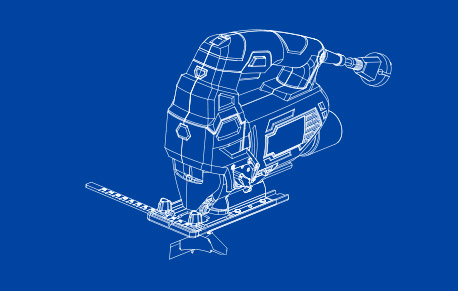
Electric Woodworking Saw
-
Multifunctional oscillating Saw
-
Power Drill
-
Rotary Hammer Drill
-
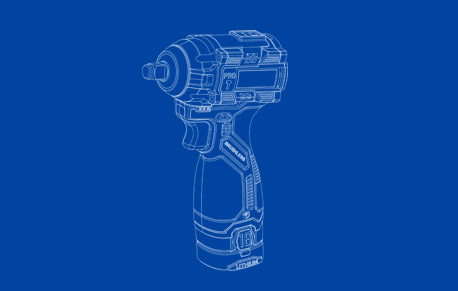
Impact Wrench
-
Electric Screwdriver
-
Angle Grinder

-
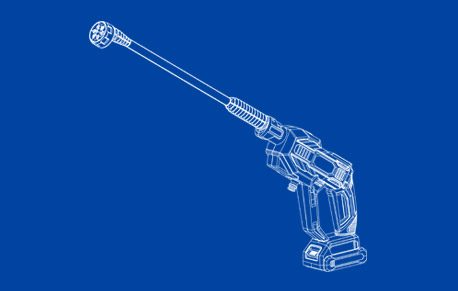
Handheld Pressure Washer
-
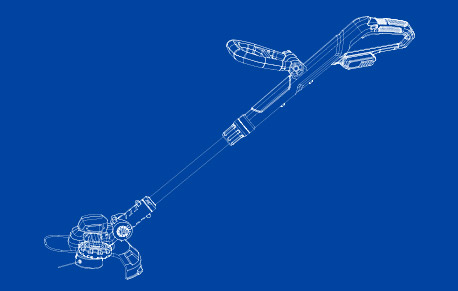
Handheld Lawn Mower
-
Lithium Turbo Jet Blower

-
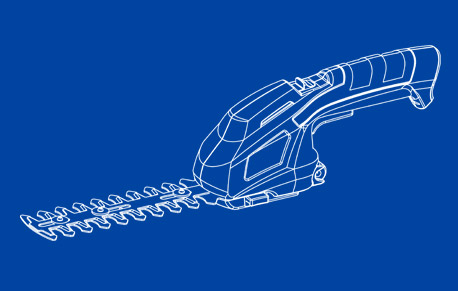
Electric Pruning Shears
-
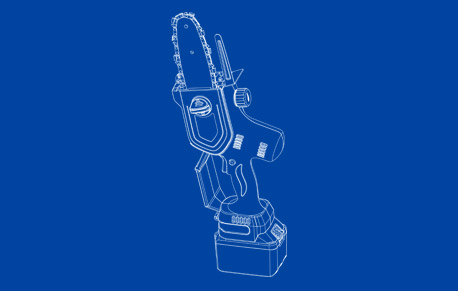
Lithium ChainSaw
-
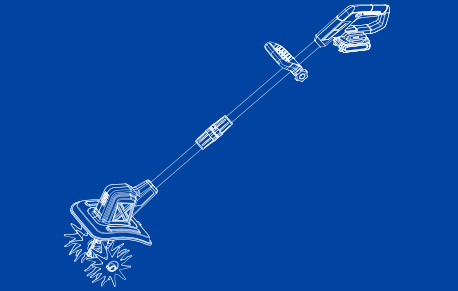
Handheld Tiller Cultivator
-
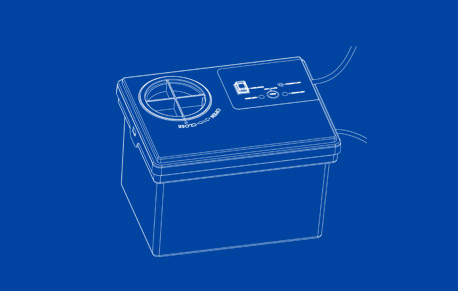
Plant Watering Devices
-
Air Pump

Author: Admin Date: 2026-11-16
Cut With a Circular Saw: A Calm, Confident Guide to Cleaner and Safer Cuts
Cut With a Circular Saw: The Quiet Confidence of a Clean Line
A circular saw is not a blunt instrument. Used with care, it becomes a measuring tool with a spinning blade.
There is a moment in every workshop when the saw feels louder than it really is. The motor starts, the blade spins, and the line on the board suddenly seems very important. That feeling never entirely disappears, and it should not. A circular saw asks for attention in exchange for clean, repeatable cuts.
The good news is that the tool does not demand natural talent. It rewards a small set of habits: a sensible blade, a shallow depth setting, firm support, and hands that move at the speed of the material rather than the speed of the motor. Those habits turn a nervous first cut into a quiet, confident line.
Know the Saw Before You Ask It to Cut
A circular saw looks simple because most of its decisions are made before the blade touches wood. The base plate sits on the stock. The upper guard stays put while the lower guard lifts as the cut begins. The depth lever controls how far the blade reaches below the work, and the bevel scale changes the angle of approach. Learn those parts with the saw switched off, and the first cut becomes far less mysterious.
Parts that matter
The lower guard deserves special respect. It should move freely and snap back without hesitation. A guard that sticks is not a minor annoyance; it is a sign to stop and clean or service the saw. The same applies to the power cord, battery contacts, and blade arbor. Small checks before the switch goes on prevent most workshop surprises.
Corded or cordless?
Corded saws give steady power for long rips through thick stock. Cordless saws trade that unlimited run time for freedom at the bench, on a roof, or in a garden. Neither is universally better. The right choice depends on where the cut happens and how often the material changes.
We build both. In our handheld circular saw range, compact corded models suit bench work and repeated cutting, while 20V brushless models bring clean control to site work. A 1200W circular saw is a sensible starting point when the day involves thicker boards and longer runs.
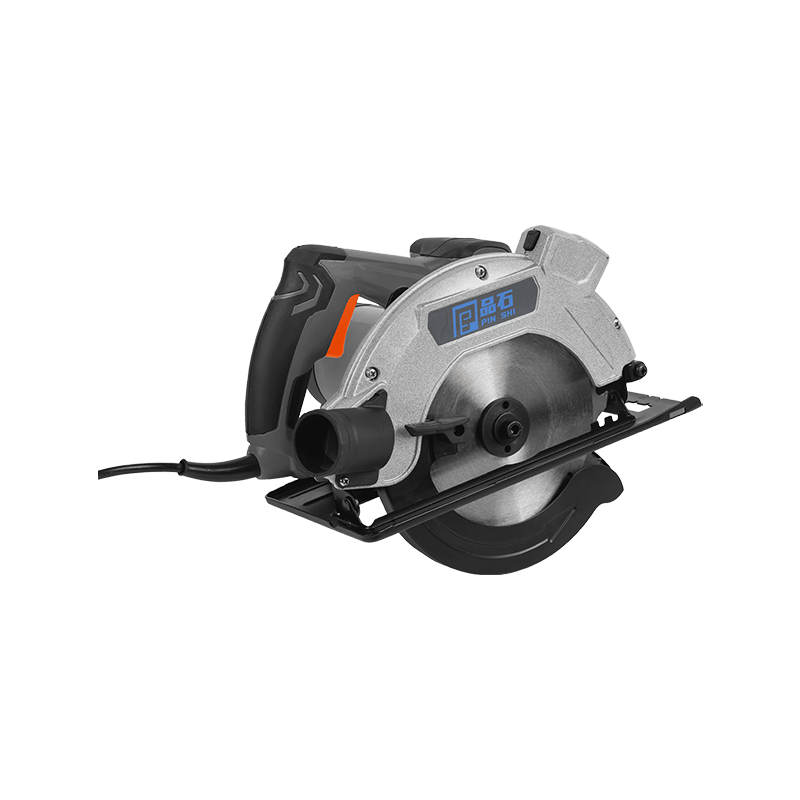 1200W Circular Saw with Laser Guide and Dual Gear ControlFor thicker boards and longer runs, this 1200W saw offers selectable gears, a laser guide, and 65 mm depth at 90°, with dust extraction support.View Product →
Blade Choice Sets the Quality of the Cut
A circular saw is only as good as the blade fitted to it. The wrong tooth count can make a powerful saw feel weak. The right blade can make a modest saw feel precise. Before adjusting depth or marking the board, match the blade to the material and the finish you expect.
Match the tooth count to the task
| Blade type | Typical use | What to expect |
|---|---|---|
| 24T ripping blade | Fast rough cuts in softwood and framing stock | Quick feed and more tear-out; keep it away from finish work |
| 40T to 60T general-purpose blade | Crosscuts in pine, plywood, and MDF | The most useful all-round choice for mixed workshop tasks |
| 60T to 80T fine-finish blade | Trim, veneer, laminate, and visible edges | Slower feed and cleaner edges; stable support matters more |
| Abrasive or specialty blade | Tile, masonry, fiber cement, or specified materials | Only with the correct guard and dust controls; never a substitute for a wood blade |
Blade diameter matters too. Use a blade that matches the saw's stated capacity and arbor size, and keep the blade clean. Resin, pitch, and dust all create friction, and friction is what turns a smooth cut into a slow, burned edge.
Depth, Support, and a Cut Line You Can Trust
Set the blade depth so it clears the stock by a little, not by a lot. Extra depth does not make the saw more capable; it exposes more blade, creates more friction, and makes the cut harder to control. For most sheet goods, a shallow reveal is enough.
Warning: Never force a deep cut in one pass because the saw sounds strong. Make a first pass, check the line, and only then decide whether a second pass is necessary.
- Mark the cut line clearly on the face that will show.
- Set the depth against the actual workpiece, not against a guess.
- Support both sides of the stock so the off-cut cannot pinch the blade.
- Stand with feet stable and the cord or battery clear of the cut path.
- Run the saw along the line with the blade off before starting the motor.
Support is the quiet hero of a clean cut. A board that sags, shifts, or closes around the blade will produce a ragged edge no matter how carefully the line was marked.
The Cut Itself: Slow Hands, Steady Exit
Start with the blade clear of the stock, let the motor reach full speed, and then bring the saw to the line. Do not drop the blade into the material. Do not rush the exit either. The last few centimetres are where many cuts fail, because the operator relaxes just as the off-cut begins to move.
- Keep both hands on the saw and keep the base plate flat.
- Let the blade cut; do not push harder when the motor slows.
- Watch the guide line ahead of the blade, not the blade itself.
- Keep the off-cut supported until the blade has stopped.
- Release the switch, wait for the blade to stop, then lift the saw.
Small work often benefits from a smaller saw. A compact model is easier to control on trim, shelving, and light dimensional lumber, especially when the bench is crowded. Our 400W mini circular saw is built for that scale of work, where a full-size saw can feel like more tool than the task needs.
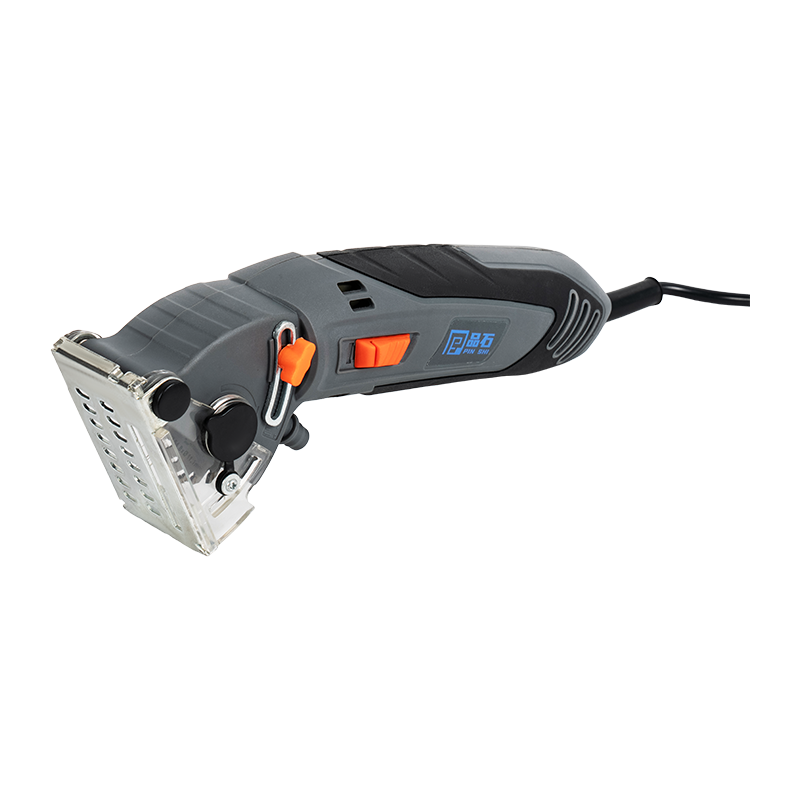 400W Mini Circular Saw with Multi-Material Blade SetFor trim and light DIY cuts, this compact 400W saw includes wood, metal, and tile blades, a dust hose, and 0–12 mm depth adjustment.View Product →
Success: Make the first cut in scrap stock. A test pass confirms the blade, depth, and support before the real board is marked.
Straight Cuts Are Built, Not Guessed
“A clean line is rarely a matter of a steady hand. It is usually a matter of a steady guide.”
Use a straight edge, a speed square, or a clamped guide when the cut must be true. A guide does not replace care, but it gives the base plate something honest to follow. For long cuts, a track or a pair of clamps can turn a freehand operation into a repeatable one.
If you are comparing formats, our electric woodworking saw family shows how compact and full-size saws differ in reach, weight, and control. The 20V brushless circular saw is the natural choice when the work moves between benches and benefits from less cable handling.
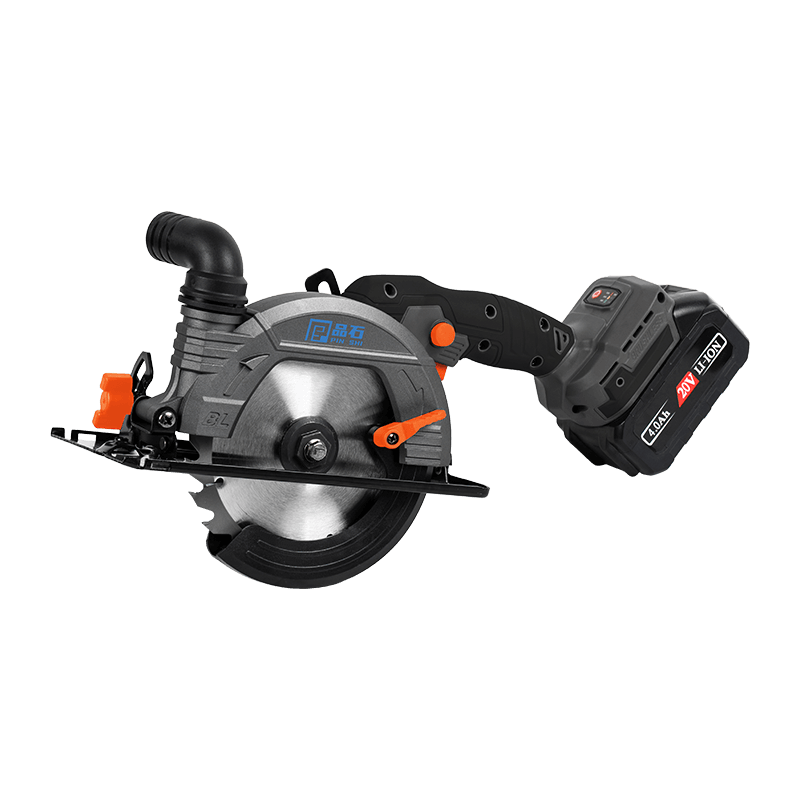 20V Brushless Circular Saw with 0–45° Bevel and Electric BrakeFor bench-to-site work with less cable handling, this 20V brushless saw offers adjustable depth and bevel, an electric brake, and a 150 mm HM blade.View Product →
Straight cuts also come from pacing. If the blade wanders, slow down and check the support. If the motor strains, check the blade and depth. The saw is telling you something long before the edge turns rough.
Materials, Limits, and Honest Expectations
Circular saws are often sold as wood tools, but the material decides the blade, the speed, and the amount of caution required. Softwood cuts quickly and can tolerate a faster feed. Hardwood rewards patience. Plywood and MDF can chip at the exit, so a fine blade and a scored line help. Laminate needs a slow, controlled pass to protect the surface.
- Pressure-treated lumber should be cut only when the stock is stable and the blade is suited to the task.
- Wet timber can bind against the blade; support it well and expect more resistance.
- Plastic cuts cleanly with the right blade, but heat builds quickly if the feed is too fast.
- Metal, masonry, and fiber cement require the specified blade, guard, and dust controls; a standard wood blade is not a shortcut.
Info: A sharp blade is cheaper than a strained motor. If the saw needs more push than usual, stop and inspect the blade before changing your technique.
Safety, Kickback, and the Rule You Never Bend
Kickback happens when the blade binds and the saw is pushed back toward the operator. It is not a random event. It usually begins with unsupported stock, a twisted body position, a dull blade, or a cut that closes behind the saw. The cure is preparation, not bravery.
Danger: Never cut with the stock pinched between two supports or with your hand directly behind the blade path. If the off-cut can move, it can bind.
Keep the guard working, wear eye and hearing protection, and secure loose sleeves. Left-handed users should arrange the cut so the saw and the off-cut remain predictable; the tool is not the problem, but the layout often is. Good lighting and a clear bench are not decoration. They are part of the safety system.
Common Mistakes and Simple Maintenance
Most disappointing cuts begin before the blade enters the wood. The depth is too deep, the blade is dull, the board is unsupported, or the operator starts the motor while the blade is already touching the stock. Correct those habits and the saw becomes remarkably consistent.
- Do not overreach across the bench; move the material instead.
- Do not remove the guard or defeat its return action.
- Do not use a blade with missing teeth or a cracked plate.
- Do not store the saw with the cord coiled around a sharp edge.
- Do not ignore a motor that sounds slower than usual.
Maintenance is modest: brush out dust, check the guard, inspect the blade, and keep the base plate clean so it sits flat. A few minutes after the work is finished will make the next cut feel familiar before it begins.
A Clean Cut Leaves Room for the Next Step
The best circular-saw cut is not the fastest one. It is the one that leaves a straight edge, a safe bench, and a piece of material ready for the next step. Choose the blade for the work, set the depth honestly, support the stock, and let the saw follow a guide rather than a wish.
That is the quiet confidence the tool can offer. Not noise, not force, but a line that holds. Whether the next project is a shelf, a deck repair, or a simple trim piece, the same habits apply: prepare the cut, respect the blade, and let experience do the rest.

-
Feedback
Related Products
-
-
Input voltage(V) 230V/120V Mains frequency (Hz) 50Hz/60Hz Input power(W) 400W No-loading speed 3700rpm Cutting depth 0-12mm Blade diameter 54.8 mm Blade m...
See Details -
Input voltage(V) 230V/120V Mains frequency (Hz) 50Hz/60Hz Input power(W) 1200W No-loading speed 4800rpm Cutting depth 45°-43mm /90°-65mm Blade diameter 185mm ...
See Details -
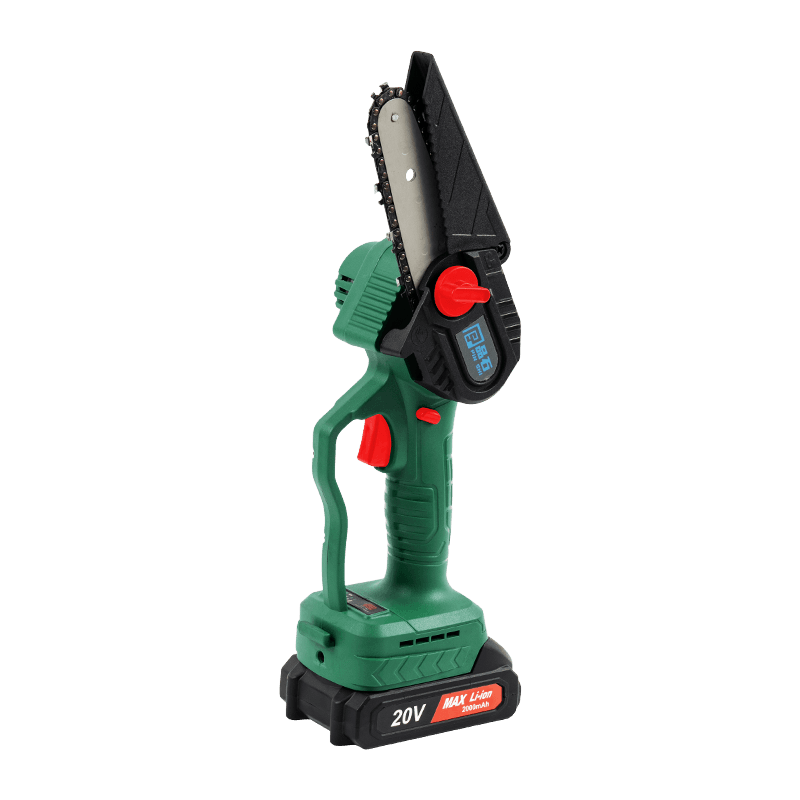
Voltage 20V (DC) Battery capacity 1.5Ah/2.0Ah/3.0Ah Motor type Brushless motor Velocity 6m/s Chain type / Pitch / Gage 6.35 mm (0.25") / 1.1 mm (0.043") Bar length ...
See Details -
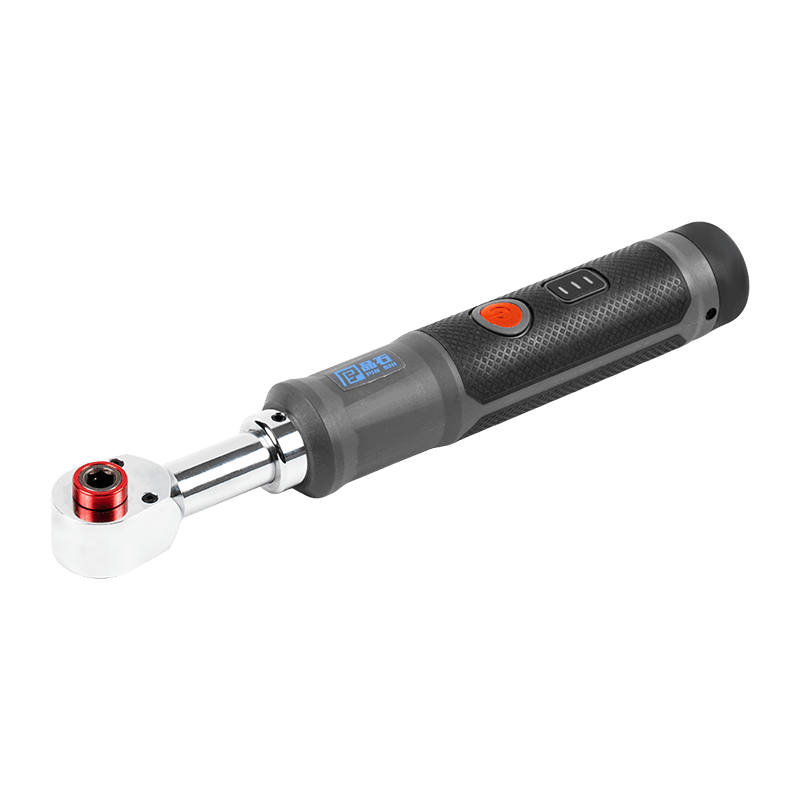
Voltage 4V (DC) Battery capacity 1.5Ah/2.0Ah Motor type Brush motor No–loading speed 380rpm Collet 1/4"Hex(6.35mm) Square drive size 1/4"(6.35mm),3/8"(9.5mm) Ma...
See Details -
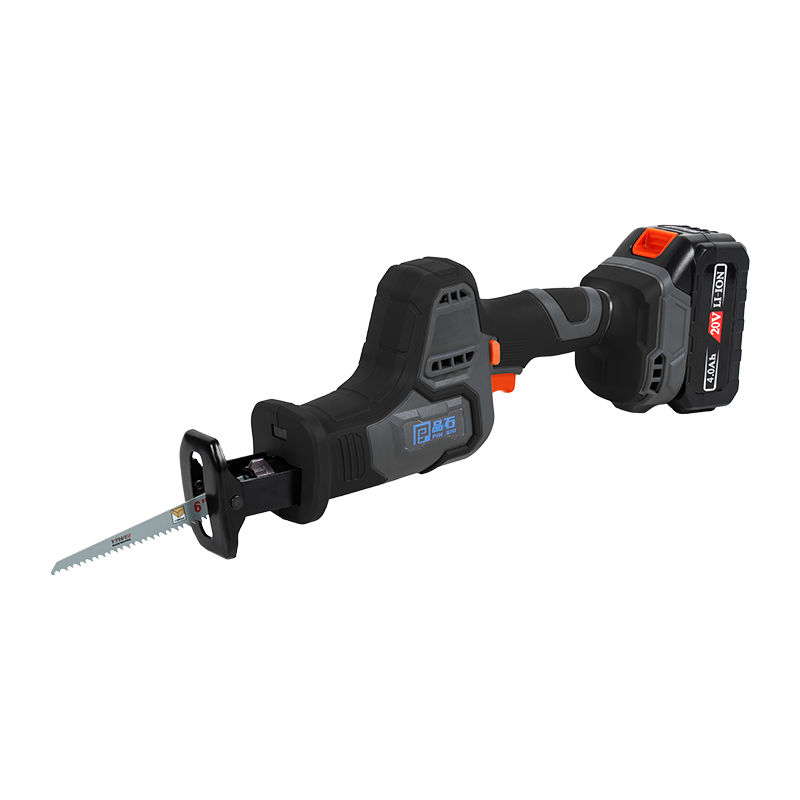
Voltage 20V (DC) Battery capacity 2.0Ah/3.0Ah Motor type Brushless motor No-loading strokes per minute 0-2600spm Reciprocating stroke 22mm Max cutting capacity ...
See Details
Related News
-
In the rapidly evolving landscape of construction, automotive repair, and industrial assembly, one tool has consistently stood out as the backbone of ...
READ MORE -
What Exactly Is an Electric Screwdriver Today? The shifting meaning of "electric screwdriver" in modern tool ecosystems The term "electric screwdriver...
READ MORE -
Impact Wrench: Definition and Core Working Principle The Impact Wrench, often referred to in industrial circles as an air gun, air wrench, or electric...
READ MORE
-
LINK
-
product
-
Quick Contact
-
 Building 1, Floor 1, Industrial Zone, Zhongyi Village, Guolin Town, Haishu District, Ningbo City, Zhejiang Province, China
-
 +86-13906619096
-
 Michael@chinashimu.com
-
KEEP IN TOUCH
Copyright© Ningbo Pinshi Electromechanical Co., LTD.
