
 English
 русский
 Español
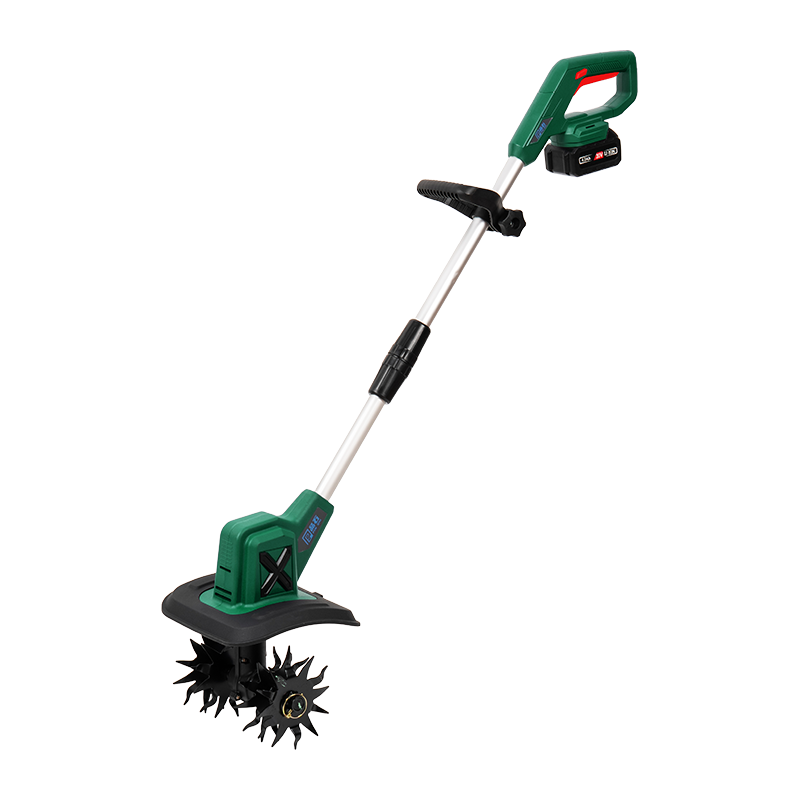
Voltage 20V (DC) Battery capacity 2.0Ah/3.0Ah/4.0Ah Motor type Brush motor No-loading speed 300rpm Ploughing width 8.6"(220mm) Tilling depth 6.3"(160mm) Fold...
See Details-
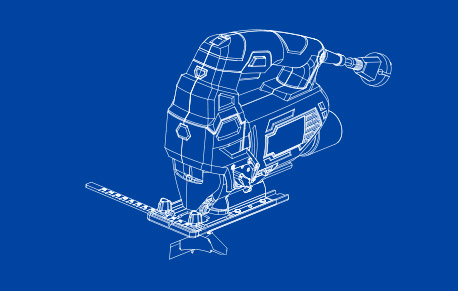
Electric Woodworking Saw
-
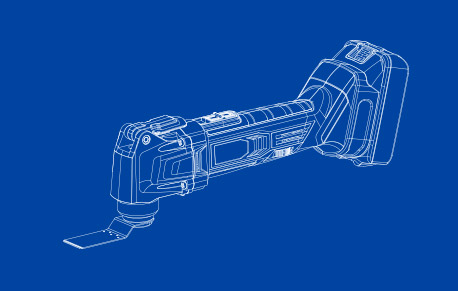
Multifunctional oscillating Saw
-
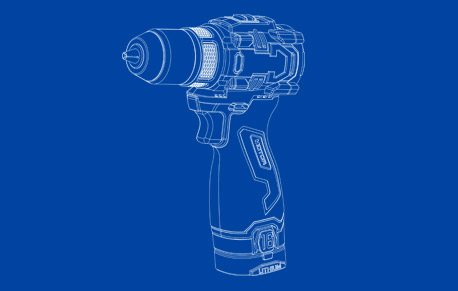
Power Drill
-
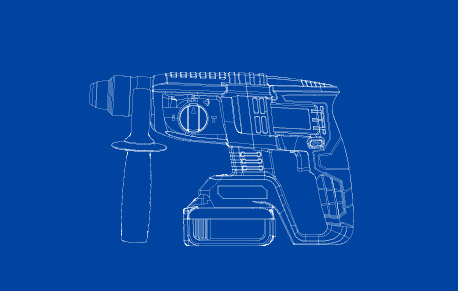
Rotary Hammer Drill
-
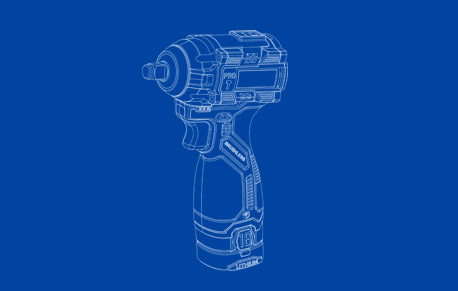
Impact Wrench
-
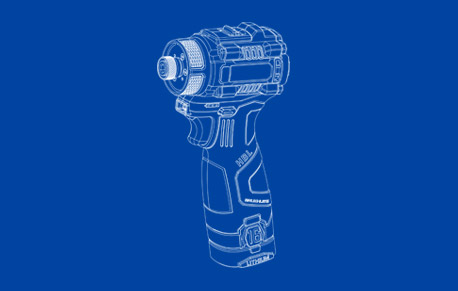
Electric Screwdriver
-
Angle Grinder

-
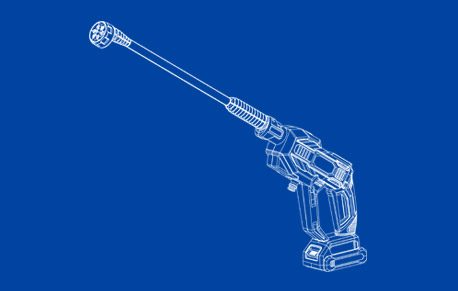
Handheld Pressure Washer
-
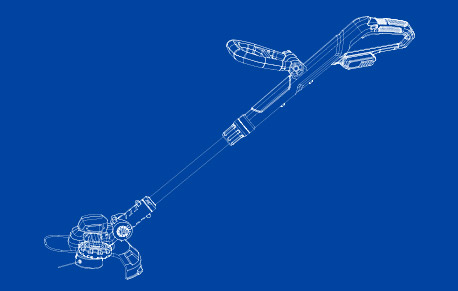
Handheld Lawn Mower
-
Lithium Turbo Jet Blower

-
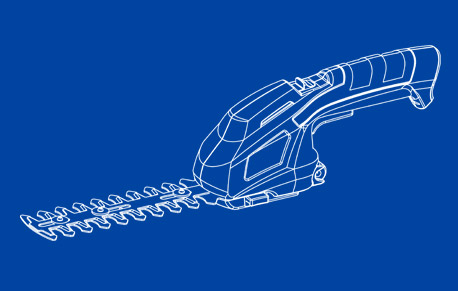
Electric Pruning Shears
-
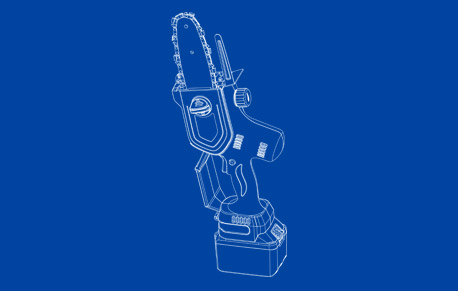
Lithium ChainSaw
-
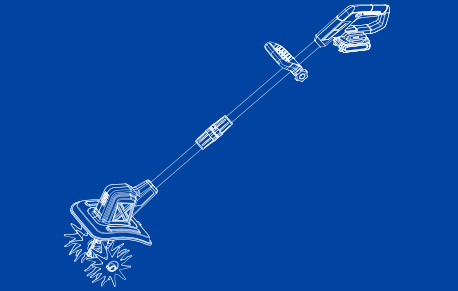
Handheld Tiller Cultivator
-
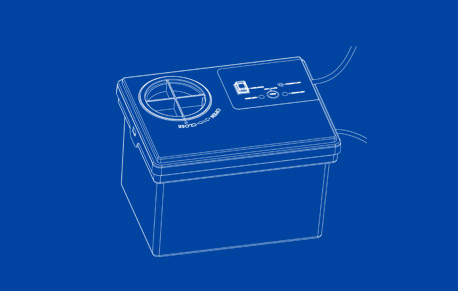
Plant Watering Devices
-
Air Pump

Author: Admin Date: 2026-11-09
Drills for Electricians: How to Choose a Reliable Van Tool for Daily Work
Field guide — power tools
Drills for Electricians: The Tools That Quietly Hold the Day Together
A practical guide to drill types, voltage platforms, torque and the small details that separate a reliable van tool from a spec-sheet ornament.
Drills for electricians are rarely bought as a hobby purchase. They are bought because a consumer unit needs chasing, a ceiling rose needs a clean hole, or a row of conduit saddles has to go up before the floor is swept. The tool has to start cleanly, feel predictable in the hand and tolerate the sort of treatment that never appears in a showroom demonstration.
That is why the useful question is not “which drill is best?” but “which jobs does this drill need to finish today?” Once the work is separated into masonry, metal, timber, fixings and assembly, the choice becomes much clearer.
What an Electrician Really Asks of a Drill
Electrical work asks a drill to do several different things, often within the same hour. One moment it is making a fixing hole in brick for a back box; the next it is driving a screw into a plastic enclosure, then opening a clearance hole in a metal bracket. Those tasks do not reward the same set of features.
For drilling into building fabric, the priority is controlled impact energy, a clean hole and enough battery endurance to finish a room without hunting for a charger. For driving fixings, torque control and a light, well-balanced body matter more than raw power. For assembly work around panels and accessories, a compact chuck and a sensitive trigger are worth more than a long list of modes.
Experienced electricians tend to carry a small kit rather than one universal tool: a compact drill or driver for light work, a brushless impact drill for repetitive fixing, and a rotary hammer for masonry. The exact mix depends on whether the day is dominated by domestic rewires, commercial containment or maintenance call-outs.
The Core Drill Types, Without the Catalogue Fog
The market uses overlapping names, but most electrical work falls into four practical tool types. A compact cordless drill is the generalist; a brushless impact drill adds speed and durability; an SDS rotary hammer handles masonry properly; and an impact driver is the fixing specialist.
| Drill type | Best electrical task | Typical platform | Watch-outs |
|---|---|---|---|
| Compact cordless drill | Panel covers, accessories, light metal and timber | 12V to 20V | Limited masonry ability; check chuck grip |
| Brushless impact drill | Drilling and driving in mixed materials | 16V to 20V | Bulkier than a compact driver; use clutch settings |
| SDS rotary hammer | Brick, block and concrete fixings | 20V or corded | Too powerful for delicate cabinet work |
| Impact driver | Long screws and repetitive fastening | 18V to 20V | Needs hex bits; less feel for delicate trim |
For a van that covers domestic and light commercial work, a compact 20V brushless impact drill is often the sensible centre of gravity. It can drill, drive and handle light masonry with the right bit, while remaining smaller than a dedicated rotary hammer. Our cordless drill range includes 16V and 20V options for this middle ground, including brushed and brushless configurations.
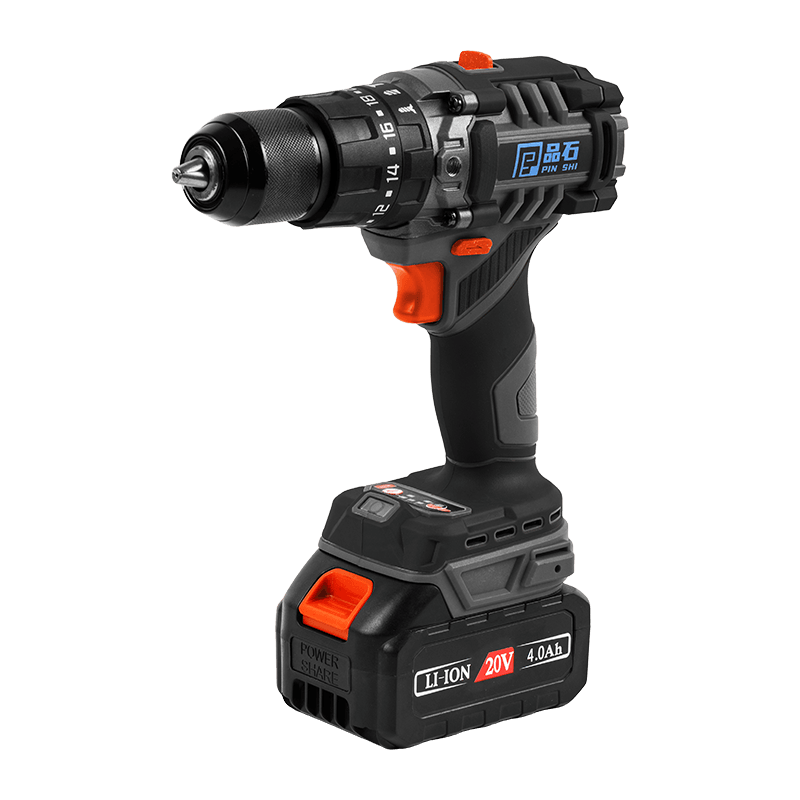 20V Brushless Impact Drill for Drilling and DrivingA compact 20V brushless option with 1063 in-lbs torque and 13mm keyless chuck for drilling and driving across wood, metal, brick and concrete.View Product →
Masonry is where compromise becomes expensive. A standard drill in hammer mode can make a hole in soft brick, but it is not a substitute for an SDS rotary hammer when the fixing has to be reliable. For anchor work, conduit penetrations and dense block, a dedicated rotary hammer is faster and kinder to the bit. Our rotary hammer drill collection covers cordless 20V options for teams that want one battery platform across the kit.
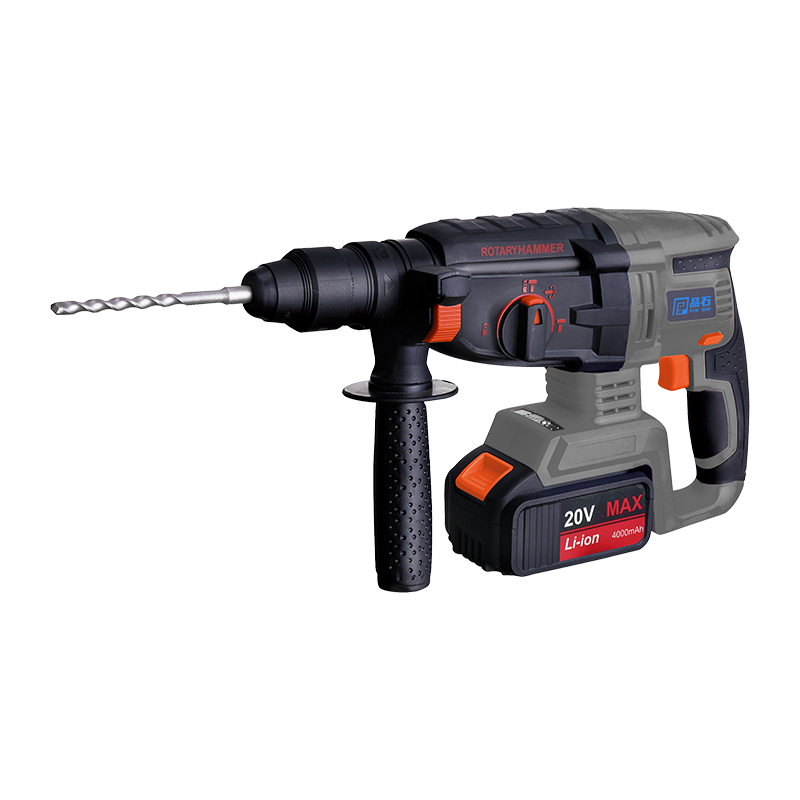 20V Brushless SDS Plus Rotary HammerA brushless cordless rotary hammer with 3.0 joules impact energy, four modes and SDS Plus chuck for concrete, masonry, steel, wood and metal.View Product →
Voltage, Torque and the 20V Middle Ground
Voltage is not a direct measure of performance, but it is a useful clue about platform intent. Small 4V and 8V tools are excellent for assembly and panel work, yet they are not built for sustained drilling. The 12V class is light and handy, while 16V and 20V platforms open up more torque, larger chucks and better thermal headroom for repeated use.
For many electrical contractors, 20V has become the practical middle ground: enough power for masonry bits and hole saws, but still manageable on a ladder or above a ceiling. The trade-off is weight and bulk. A 20V brushless impact drill can feel reassuring in a plant room and heavy after an hour of overhead work, so balance and grip matter as much as the number on the battery.
An electrician’s drill is not judged by its spec sheet. It is judged by whether it starts cleanly at seven in the morning and still feels predictable after the fifth ceiling rose.
Torque figures deserve context. Maximum torque is useful for driving large screws, but controlled torque is what prevents damaged terminal covers and stripped plastic threads. A two-speed gearbox, a adjustable clutch and a responsive trigger often matter more than a headline number. Brushless motors add efficiency and a longer service life, but a well-built brushed drill can still be the right choice for lighter, price-sensitive kits.
If the work is mostly maintenance and light installation, a 16V cordless drill can be the quieter member of the team: lighter than a full-size 20V hammer drill, but more capable than a pocket driver.
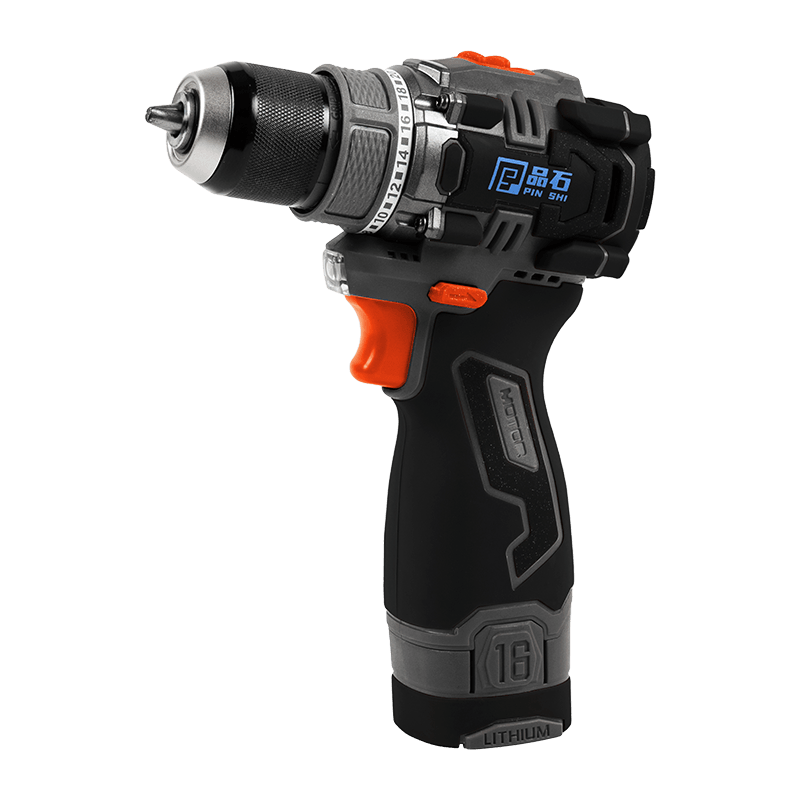 16V Cordless Drill for Light Drilling and ScrewdrivingA lightweight 16V drill with 486 in-lbs torque and 20+1 clutch settings for maintenance, furniture repair and everyday screwdriving in wood, metal and plastics.View Product →
A Practical Selection Checklist
Before choosing a drill for electrical work, it helps to walk through the real pattern of the week rather than the occasional big job. The following checklist is deliberately simple, because a kit that is easy to understand is more likely to be used consistently.
- List the three most common holes you drill and the materials involved.
- Decide whether masonry is occasional or a daily requirement.
- Check the battery platform you already own before adding a new one.
- Hold the tool with a battery fitted and imagine using it overhead.
- Confirm that the chuck accepts the bit shanks you actually use.
- Look for clutch control, two speeds and a work light that does not glare.
Info: Battery discipline is more valuable than one extra feature. A single platform across drill, impact driver and light reduces charger clutter and keeps spare packs useful.
It is also worth thinking about the apprentice or second engineer who will use the tool. A drill with a clear mode selector and a predictable clutch is easier to hand over safely than a heavily loaded “do-everything” model with controls that require explanation.
Bits, Chucks and the Details That Save a Call-Back
The drill is only half the system. A worn masonry bit turns a capable rotary hammer into a slow, hot and noisy disappointment. A cheap hex bit can round off inside an impact driver at the worst moment. Electricians who rely on their drills tend to treat bits as consumables, not permanent accessories.
Warning: Do not force a standard drill into continuous hammer duty in dense masonry. The heat, dust and vibration are a poor match for the tool, and the hole is rarely as clean as one made with the correct rotary hammer and bit.
Chuck quality matters more than many buyers expect. A keyless chuck should grip without repeated tightening, release cleanly and run true. For impact drivers, the bit holder needs a firm lock and a smooth release. Small failures here create downtime far out of proportion to the cost of the part.
Danger: Never defeat or ignore a slipping clutch, a damaged cord or a cracked housing. A drill that behaves unpredictably under load is not a convenience problem; it is a safety problem.
Dust control is part of the same conversation. When drilling above a distribution board or in an occupied room, a small dust extraction accessory or a well-placed sheet can save a great deal of cleaning and goodwill. The best drill in the van is still a nuisance if it covers finished surfaces in brick dust.
Care in the Van and on Site
Drills for electricians live a harder life than most catalogue photography suggests. They travel in crowded vans, sit on dusty floors and are handed between people who are concentrating on the installation, not the tool. A little routine care goes a long way: empty the chuck, wipe down the body, check the vents and store batteries at a sensible temperature.
Success: A two-minute end-of-day routine — brush off dust, check the chuck and put the battery on charge — prevents most of the small failures that turn into tomorrow’s delay.
Battery health deserves particular attention. Avoid leaving packs in a hot van for days, and rotate them if the kit uses several. For corded tools, inspect the cable and strain relief before the first use of the week. These habits are not glamorous, but they keep the drill ready when the next fixing cannot wait.
A Manufacturer’s View from the Bench
We build power tools in Ningbo, and our own product line leans heavily on cordless platforms because that is what modern trade users ask for. The useful lesson from the bench is that a drill is a system: motor, gearbox, chuck, battery and housing all have to work together. A powerful motor in a poorly balanced body is not a professional tool; it is a fatigue test.
Our 20V range includes brushed and brushless options because not every buyer needs the same specification. A contractor running a large team may standardise on brushless tools for durability and battery efficiency. A smaller installer may prefer a lighter, simpler kit with a clear price advantage. Both approaches can be right when they match the work.
We also pay attention to the details that electricians notice after the first week: switch feel, chuck run-out, LED placement and the shape of the grip. These are not headline features, but they decide whether a drill stays in the van or ends up in the bottom drawer.
The Final Word
Choosing drills for electricians is less about finding a single hero tool and more about building a small, coherent kit. Start with the holes and fixings that fill your week. Add a compact drill for assembly, a brushless impact drill for mixed work and a rotary hammer for masonry. Keep the bits fresh, respect the clutch and do not ask one tool to do everything.
A good drill becomes almost invisible in the best sense: it starts, it holds, it drives, it drills and it goes back in the van without drama. That quiet reliability is worth more than any single specification, and it is the standard we keep in mind when we build tools for the trade.

-
Feedback
Related Products
-
-
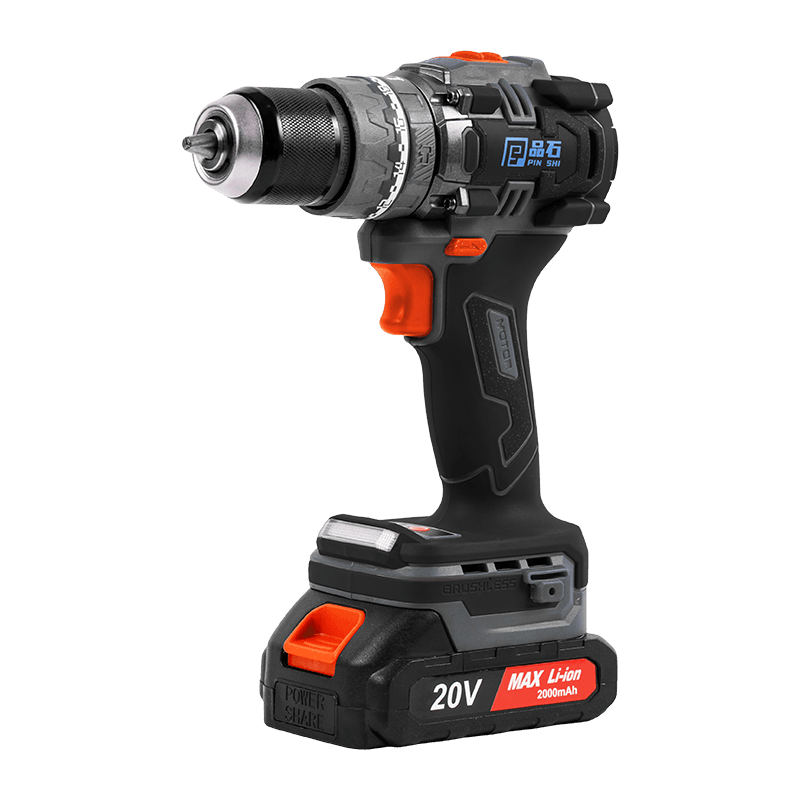
Voltage 20V (DC) Battery capacity 1.5Ah/2.0Ah Motor type Brushless motor Two speed 0-450rpm/0-1900rpm Max.Impact rate 0-6750bpm /0-28500bpm Chuck capacity 10mm ...
See Details -
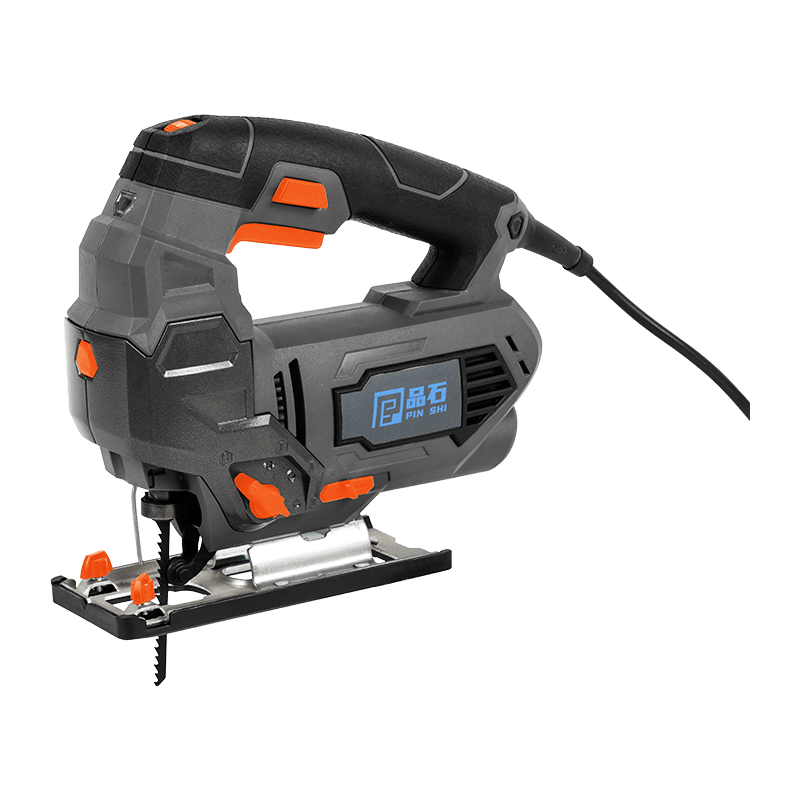
Input Voltage(V) 230V/120V Mains Frequency (Hz) 50Hz/60Hz Input Power(W) 800W No-Load Speed 0-3000/min Cutting Capacity Wood: 100mm;Steel: 10mm Plate Bevel Angle 0-...
See Details -
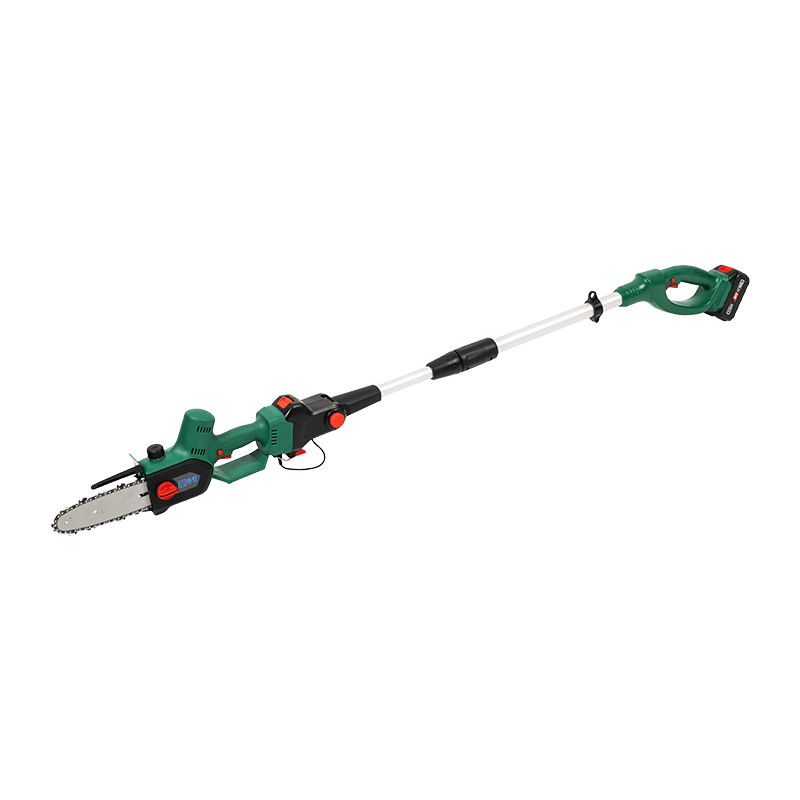
Constant speed Voltage 20V (DC) Battery capacity 4.0Ah/6.0Ah Motor type Brushless motor No-loading time >40mins Velocity 6.8m/s Chain type / Pitch / Gage 91V...
See Details -
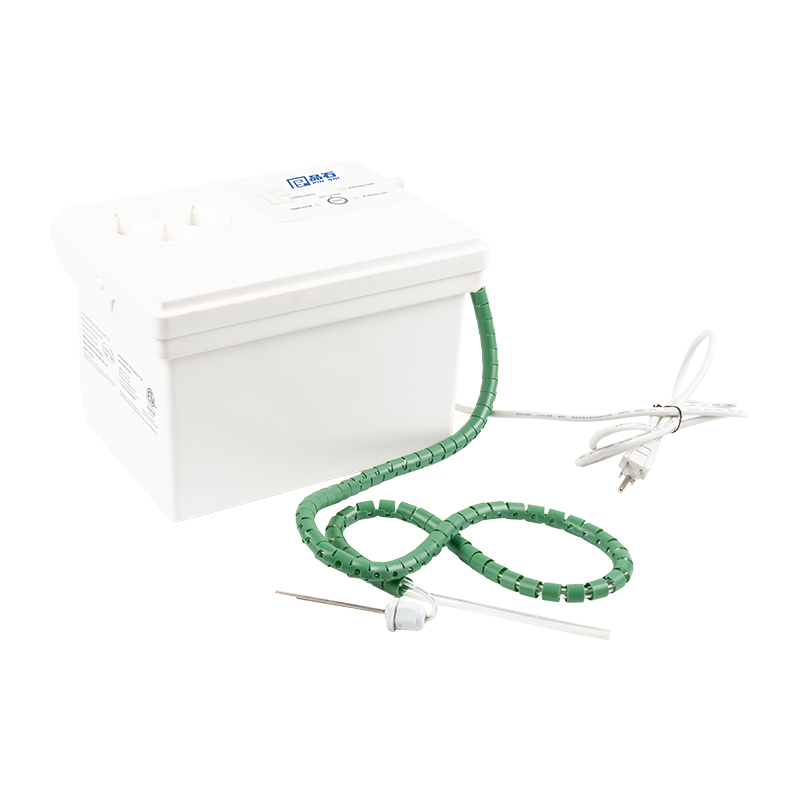
Voltage AC 110-120V 220-240V 60Hz/50Hz Power 4.5W Water Tank Capacity 2.5 gallons Pump Flow Rate 1.5GPM(high speed) Pump Head ≧36.6 inches(0.93cm) Weight 1.7...
See Details -
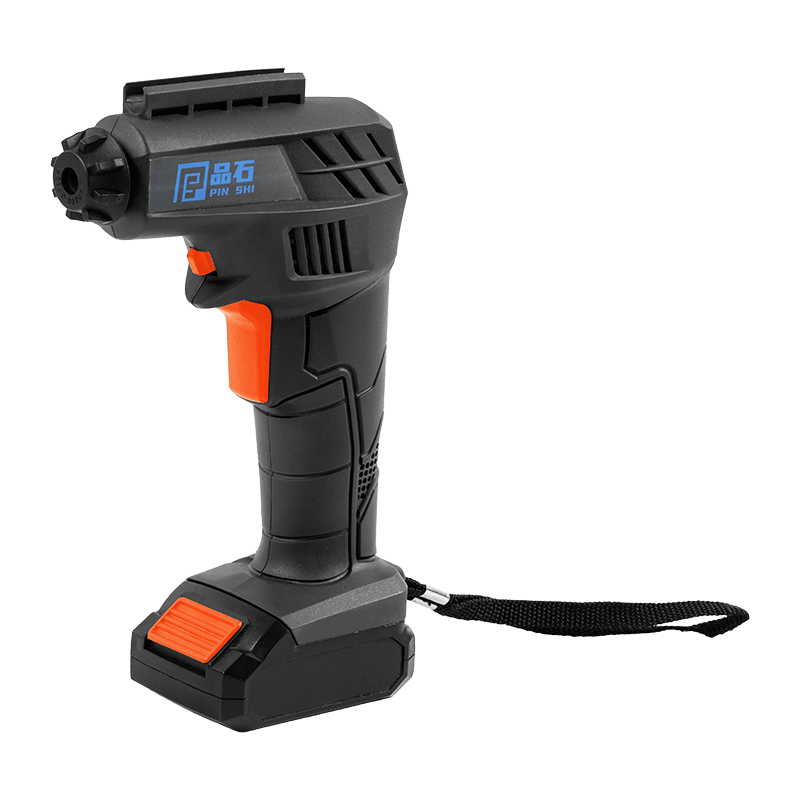
Voltage 12V (DC) Battery capacity 1.3Ah Motor type Brush motor Working pressure Max.5.5bar/80psi Air flow rate 7 l/min Max current < 10A Working time <12min ...
See Details
Related News
-
In the rapidly evolving landscape of construction, automotive repair, and industrial assembly, one tool has consistently stood out as the backbone of ...
READ MORE -
What Exactly Is an Electric Screwdriver Today? The shifting meaning of "electric screwdriver" in modern tool ecosystems The term "electric screwdriver...
READ MORE -
Impact Wrench: Definition and Core Working Principle The Impact Wrench, often referred to in industrial circles as an air gun, air wrench, or electric...
READ MORE
-
LINK
-
product
-
Quick Contact
-
 Building 1, Floor 1, Industrial Zone, Zhongyi Village, Guolin Town, Haishu District, Ningbo City, Zhejiang Province, China
-
 +86-13906619096
-
 Michael@chinashimu.com
-
KEEP IN TOUCH
Copyright© Ningbo Pinshi Electromechanical Co., LTD.
