
 English
 русский
 Español
Voltage 20V (DC) Battery capacity 1.5Ah/2.0Ah/3.0Ah Motor type Brushless motor Shear diameter 25mm Charger 21V 0.5A/1.2A/2A Blade material SK5 Time of use 4-5...
See Details-
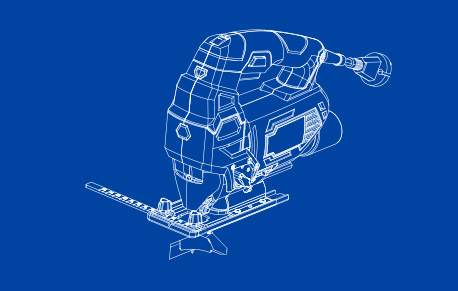
Electric Woodworking Saw
-
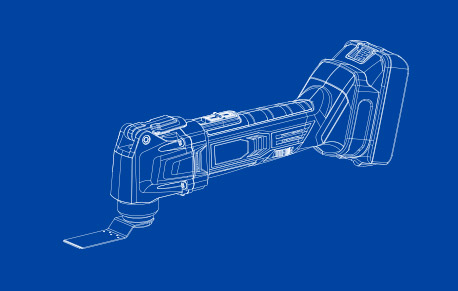
Multifunctional oscillating Saw
-
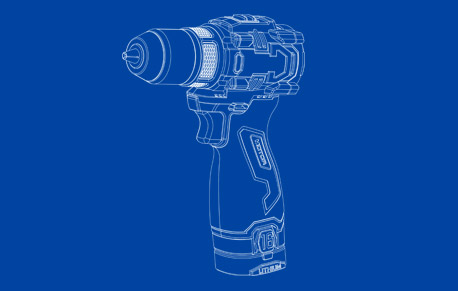
Power Drill
-
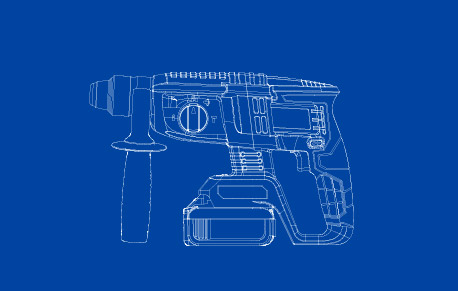
Rotary Hammer Drill
-
Impact Wrench
-
Electric Screwdriver
-
Angle Grinder
-
Handheld Pressure Washer
-
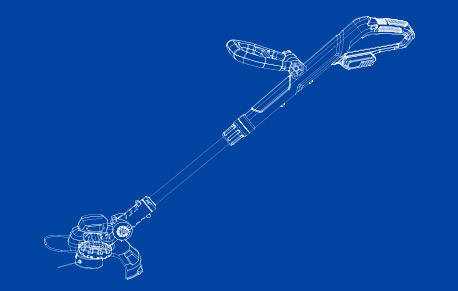
Handheld Lawn Mower
-
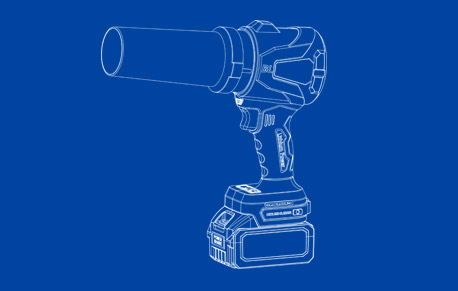
Lithium Turbo Jet Blower
-
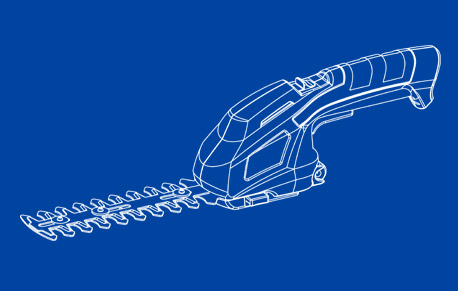
Electric Pruning Shears
-
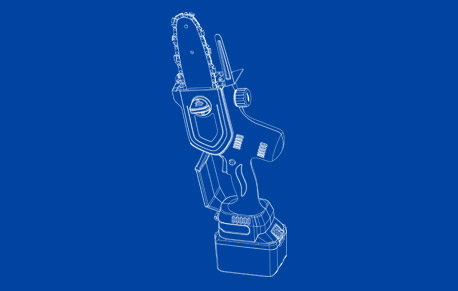
Lithium ChainSaw
-
Handheld Tiller Cultivator
-
Plant Watering Devices
-
Air Pump

Author: Admin Date: 2026-05-26
How do Electric Pruning Shears compare to cordless hedge trimmers for precision trimming tasks?
When gardeners, landscapers, and orchard workers need to make clean, accurate cuts, tool selection matters as much as technique. The question of how Electric Pruning Shears compare to cordless hedge trimmers for precision trimming tasks is especially relevant for users who value control, speed, and plant health. Although both tools are battery-powered and designed to reduce manual effort, they are built for different kinds of cutting work. Understanding those differences helps users choose the right tool for roses, vines, small branches, topiary, and other detailed trimming jobs.
From a user’s perspective, the most important factors are cutting precision, comfort, safety, and efficiency. Electric Pruning Shears are typically designed for one-handed, close-range branch cutting. They excel at making isolated cuts on stems and small branches with minimal effort. Cordless hedge trimmers, by contrast, are optimized for shaping hedges and shrubs over a broader surface area. They can cut many thin stems quickly, but they are generally less precise when the task requires selective cutting of individual branches.
Design Purpose and Core Function
The fundamental difference between Electric Pruning Shears and cordless hedge trimmers lies in their intended use. Electric pruning shears are engineered for targeted pruning. Their compact size, trigger-based cutting action, and scissor-like blade movement make them ideal for users who need accuracy. They are commonly used in orchards, vineyards, gardens, and nursery settings where each cut affects plant structure and future growth.
Cordless hedge trimmers are designed for sweeping cuts across dense foliage. Their long blades and rapid reciprocating motion allow users to trim the outer surfaces of hedges efficiently. This makes them highly effective for maintaining straight lines, flat tops, and large shrub faces. However, this design can be limiting when the task requires cutting a specific stem without disturbing surrounding growth.
In practical terms, if the goal is to remove one branch cleanly from a rose bush or fruit tree, Electric Pruning Shears are usually the better fit. If the goal is to shape a hedge wall or quickly reduce overgrowth, a cordless hedge trimmer offers a more suitable workflow.
Precision in Cutting: Which Tool Gives More Control?
Precision trimming depends on the user’s ability to place the blade exactly where the cut should occur. Electric Pruning Shears usually provide superior control because they operate like powered hand pruners. The user can position the blades around a single stem and make a deliberate cut. This is particularly valuable when trimming delicate plants or performing selective pruning where the angle and location of the cut influence plant shape and regrowth.
Cordless hedge trimmers are less precise by nature. Their long blades are excellent for covering area quickly, but they can accidentally cut neighboring stems or leaves if used too close to the target. They work best when the user wants a uniform finish rather than individual stem-by-stem accuracy. For precision tasks, especially in ornamental gardening, hedge trimmers may be too aggressive.
Another advantage of Electric Pruning Shears is reduced hand strain during repeated precision cuts. Because the tool does most of the cutting work, the user can concentrate on placement rather than squeezing forcefully. This can improve consistency across a long pruning session.
Blade Design and Cutting Mechanism
Blade design has a major impact on trimming performance. Electric Pruning Shears usually feature smaller, more focused blades that close around branches in a controlled motion. This design supports clean cuts on stems, small limbs, and woody growth. Clean cuts are important because they reduce crushing damage and help plants recover more effectively.
Cordless hedge trimmers use long double-sided blades or reciprocating blade bars. These blades slice through clusters of thin stems rapidly, but they are not optimized for the same cut quality on thicker or isolated branches. If the material is too stiff or thick, the trimmer may snag, stall, or leave uneven edges. That makes it less ideal for jobs where plant health and exact shaping matter.
For users working on bonsai, rose maintenance, vineyard shoots, or orchard thinning, the blade configuration of Electric Pruning Shears is more suitable because it offers cleaner and more deliberate pruning. Hedge trimmers remain the stronger choice for shaping dense hedges, but they are not a direct substitute for precision shearing.
Efficiency and Workload Comparison
In terms of workflow, both tools improve productivity compared with manual cutting, but they do so in different ways. Electric Pruning Shears increase efficiency by speeding up repeated selective cuts. A user can move branch to branch with minimal effort, which is especially useful in orchards and gardens where pruning is repetitive and time-sensitive.
Cordless hedge trimmers improve efficiency by covering large surfaces quickly. Instead of cutting each stem one by one, the user can trim a hedge face in sweeping passes. This saves significant time on broad, uniform trimming jobs. For precision trimming, however, this speed can become a disadvantage because it may reduce the user’s ability to make exact cuts.
If the task involves detailed plant structure management, Electric Pruning Shears often deliver the better balance of speed and accuracy. If the task involves repeated surface shaping across a large hedge, cordless hedge trimmers outperform them in raw coverage.
Comfort, Weight, and Ease of Use
User comfort is another major factor when comparing these tools. Electric Pruning Shears are generally lighter and more compact than cordless hedge trimmers, which makes them easier to handle for extended precision work. Their smaller form factor allows the user to make cuts in tighter spaces, around branches, and near plant interiors.
Cordless hedge trimmers are usually heavier and longer. The extended blade helps with reach and shaping, but it can also make the tool more tiring to maneuver, especially when held at shoulder height or used overhead. For precision trimming in confined areas, the length of the trimmer can become a disadvantage.
Many users also find Electric Pruning Shears easier to control with one hand, leaving the other hand free to hold stems or stabilize the work area. This is especially helpful when pruning dense shrubs or working in awkward positions. Hedge trimmers typically require both hands for safe operation, which improves stability for large-scale trimming but reduces flexibility in detail work.
Safety Considerations
Safety should never be ignored when using powered cutting tools. Electric Pruning Shears often include trigger locks, safety switches, and automatic blade stop functions. These features help reduce accidental cuts and make the tool more suitable for close, controlled work. Because the blade area is smaller and the cutting action is localized, users often feel more confident during detailed pruning.
Cordless hedge trimmers require more caution due to their long exposed blades. The cutting area is larger, which increases the chance of accidental contact with hands, clothing, wires, or nearby plants that should remain untouched. Even though they may have safety features, the overall cutting style demands greater awareness and spacing.
For precision trimming tasks in crowded garden environments, Electric Pruning Shears may offer a safer and more manageable experience. Their design supports smaller, controlled cuts rather than broad passes across uncertain material.
Best Applications for Electric Pruning Shears
Electric Pruning Shears are especially effective in situations that require selective pruning and plant health management. They are commonly used for:
- Fruit tree maintenance and branch thinning
- Rose bush pruning and flower shaping
- Vineyard trimming and shoot management
- Ornamental shrub detail work
- Removing dead, weak, or crossing branches
- Precision cuts in tight garden spaces
These tasks benefit from a compact tool that can reach into dense growth and make exact cuts without disturbing nearby stems. In such cases, Electric Pruning Shears are generally more appropriate than hedge trimmers.
Best Applications for Cordless Hedge Trimmers
Cordless hedge trimmers are ideal for tasks that prioritize shape and surface uniformity. Common uses include:
- Trimming hedge faces and sides
- Maintaining decorative shrub lines
- Cutting back soft, thin hedge growth
- Preparing landscape edges for a neat appearance
- Managing large, repetitive trimming jobs
In these applications, the long blade and fast cutting motion are significant advantages. Users can complete broad shaping work faster than with Electric Pruning Shears, though with less accuracy on individual branches.
Battery Performance and Runtime Expectations
Since both tools are cordless in many modern versions, battery performance is important. Electric Pruning Shears usually consume less power per cut because they are designed for short, focused actions. This can translate into longer effective runtime for selective pruning tasks. Users often appreciate that the tool can perform many individual cuts before needing a recharge.
Cordless hedge trimmers may drain batteries faster in continuous use because their blades move constantly and cut a larger volume of material. While they are efficient for open-area trimming, they are not always the most battery-friendly option for extended precision work. Users who need to work for long periods on detailed pruning may prefer the better power efficiency of Electric Pruning Shears.
Of course, runtime also depends on battery capacity, blade sharpness, branch thickness, and motor efficiency. Still, for precision tasks, electric pruning shears often deliver more cuts per charge in the kind of work they were built to do.
Which Tool Should You Choose?
The right choice depends on the task. If your work requires shaping hedges, reducing surface overgrowth, or maintaining long decorative lines, a cordless hedge trimmer is the better match. It offers reach and speed for uniform trimming.
If your work requires accuracy, selective branch removal, and clean cuts on individual stems, Electric Pruning Shears are the stronger option. They are better suited for precision trimming tasks because they prioritize control, portability, and cutting accuracy over broad-area coverage.
For many users, the ideal solution is not choosing one tool forever but using both tools for different jobs. A hedge trimmer can handle large shaping work, while Electric Pruning Shears can refine the details afterward. This combination creates a more professional finish and supports healthier plant maintenance overall.
Electric Pruning Shears compare favorably to cordless hedge trimmers when the priority is precision trimming. They offer better control, cleaner selective cuts, and greater ease of use in tight spaces. Cordless hedge trimmers still dominate broad hedge maintenance and surface shaping, but they are less suited to fine pruning work.
For users who need accuracy, plant-friendly cuts, and reduced fatigue during detailed trimming, Electric Pruning Shears are usually the more professional choice. For larger, more uniform jobs, hedge trimmers remain highly effective. Choosing the correct tool for the task can improve results, protect plant health, and make every pruning session more efficient.

-
Feedback
Related Products
-
-
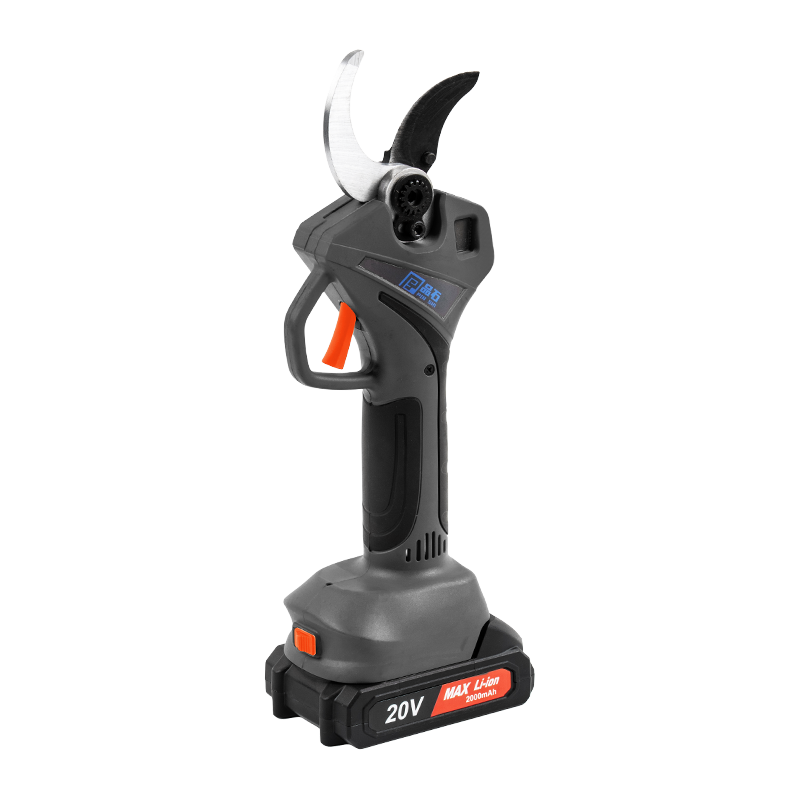
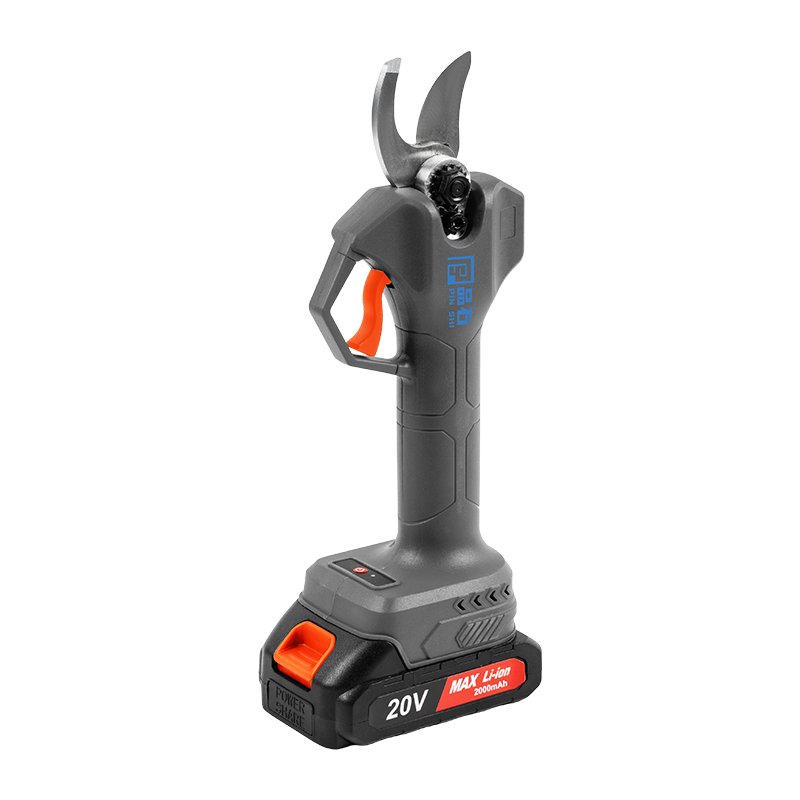
Voltage 20V (DC) Battery capacity 2.0Ah/3.0Ah/4.0Ah Motor type Brushless motor Shear diameter 40mm Charger 21V 0.5A/1.2A/2A Blade material SK5 Time of use 4-5...
See Details -
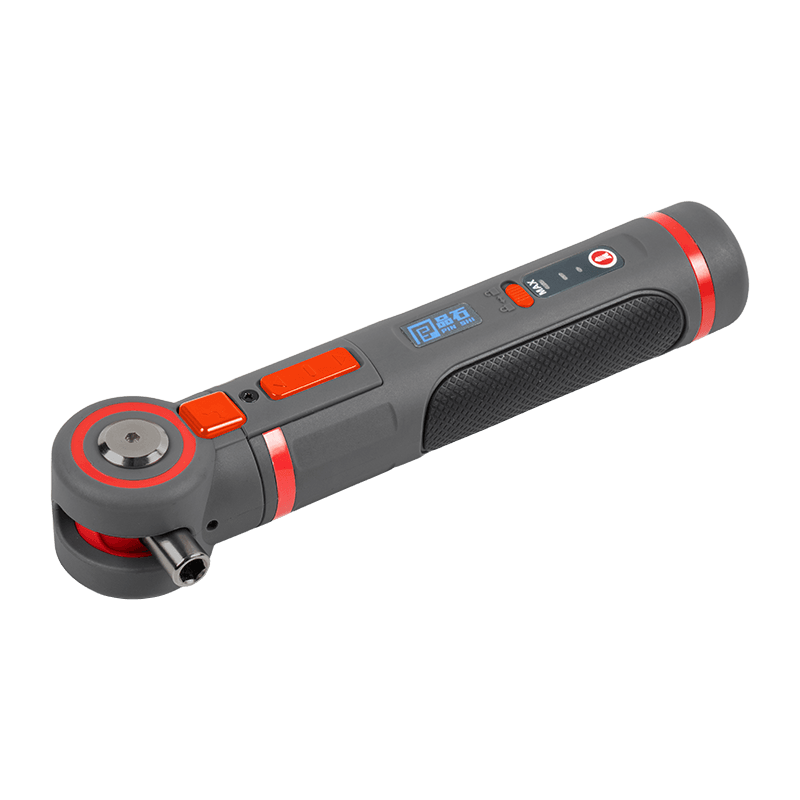
Voltage 4V (DC) Battery capacity 1.5Ah/2.0Ah Motor type Brush motor No–loading speed 320rpm Torque setting 3 Angle adjustment 0°,45,90° Max. Torque 5N.m(Elect...
See Details -
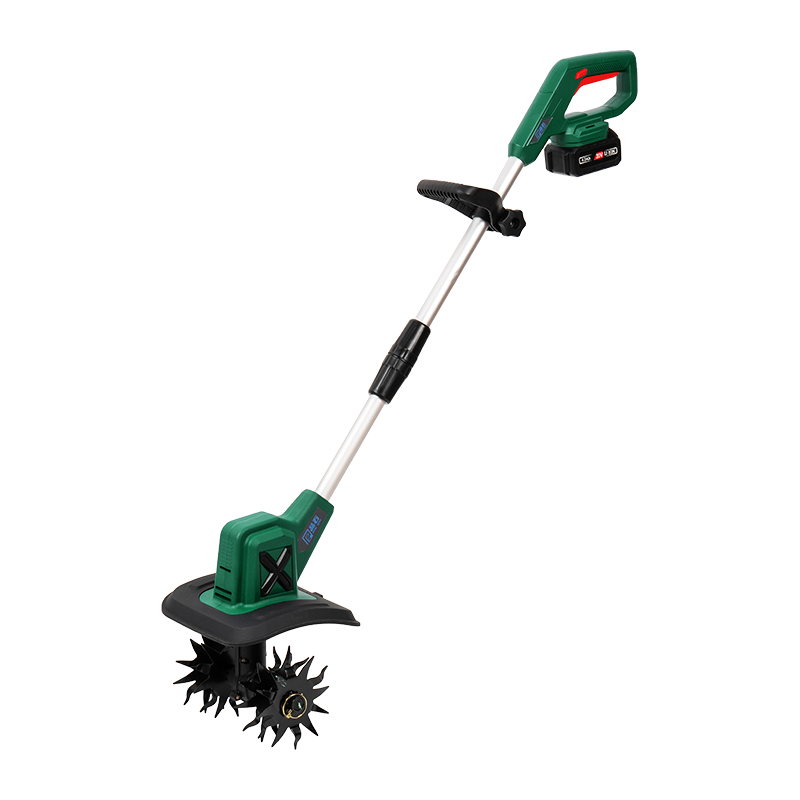
Voltage 20V (DC) Battery capacity 2.0Ah/3.0Ah/4.0Ah Motor type Brush motor No-loading speed 300rpm Ploughing width 8.6"(220mm) Tilling depth 6.3"(160mm) Fold...
See Details -
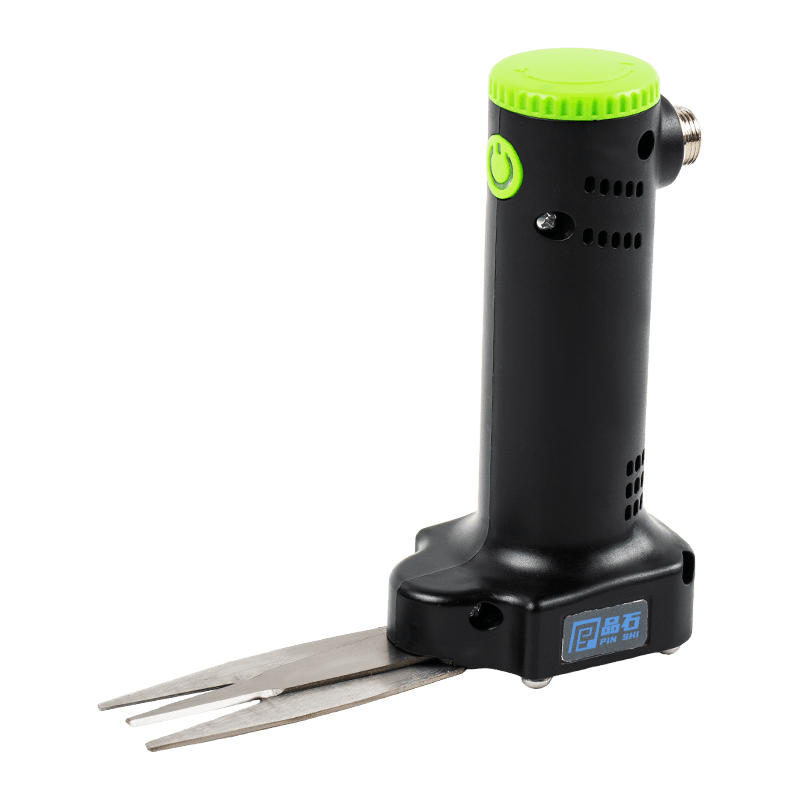
Input Voltage AC 100-240V 50-60Hz Working Voltage 24V (DC) Working Current 2A(max) Motor Type Brushless Motor No Load Speed 500 - 1350rpm Blade Material Stainless S...
See Details -
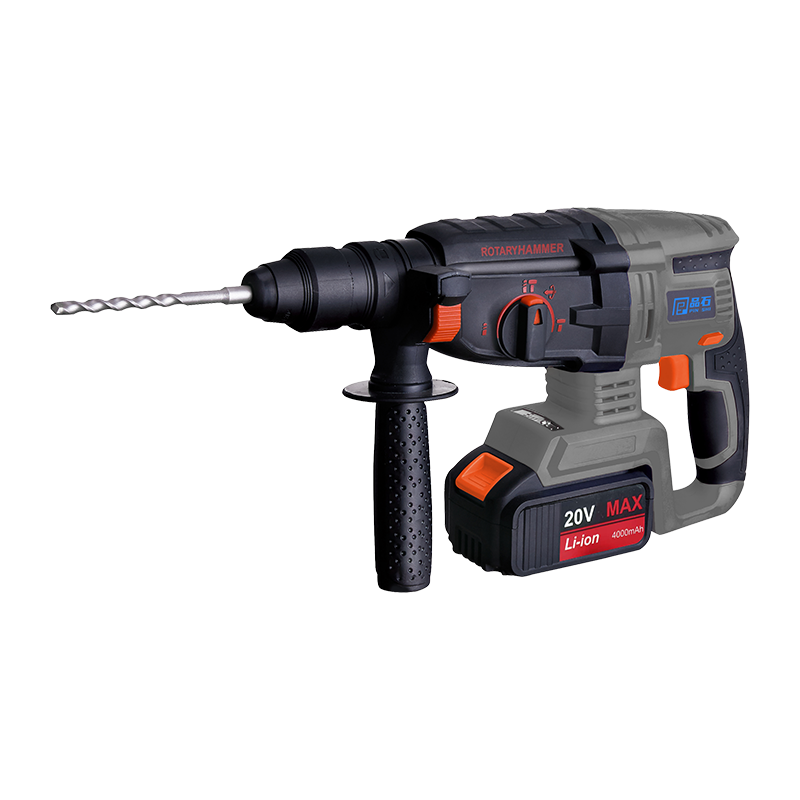
Voltage 20V(DC) Battery capacity 3.0Ah/4.0Ah Motor type Brushless motor Modes 3 Impact energy 3.0J No-loading speed 0-1000rpm Impact rate 0-4500bpm Chuck...
See Details
Related News
-
In the rapidly evolving landscape of construction, automotive repair, and industrial assembly, one tool has consistently stood out as the backbone of ...
READ MORE -
What Exactly Is an Electric Screwdriver Today? The shifting meaning of "electric screwdriver" in modern tool ecosystems The term "electric screwdriver...
READ MORE -
Impact Wrench: Definition and Core Working Principle The Impact Wrench, often referred to in industrial circles as an air gun, air wrench, or electric...
READ MORE
-
LINK
-
product
-
Quick Contact
-
 Building 1, Floor 1, Industrial Zone, Zhongyi Village, Guolin Town, Haishu District, Ningbo City, Zhejiang Province, China
 -
 +86-13906619096
 -
 Michael@chinashimu.com
-
KEEP IN TOUCH
Copyright© Ningbo Pinshi Electromechanical Co., LTD.
