
 English
 русский
 Español
Voltage 4V (DC) Battery capacity 1.5Ah/2.0Ah Motor type Brush motor No–loading speed 380rpm Collet 1/4"Hex(6.35mm) Square drive size 1/4"(6.35mm),3/8"(9.5mm) Ma...
See Details-
Electric Woodworking Saw
-
Multifunctional oscillating Saw
-
Power Drill
-
Rotary Hammer Drill
-
Impact Wrench
-
Electric Screwdriver
-
Angle Grinder
-
Handheld Pressure Washer
-
Handheld Lawn Mower
-
Lithium Turbo Jet Blower
-
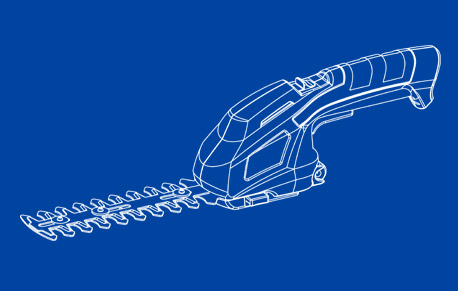
Electric Pruning Shears
-
Lithium ChainSaw
-
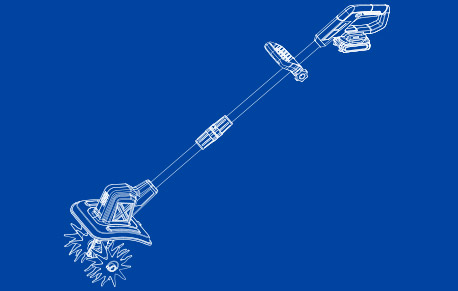
Handheld Tiller Cultivator
-
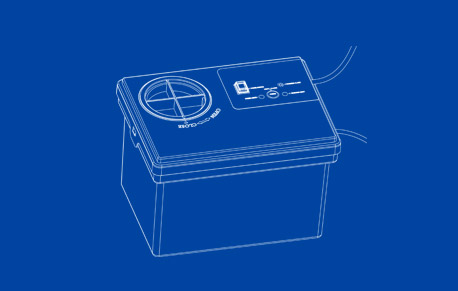
Plant Watering Devices
-
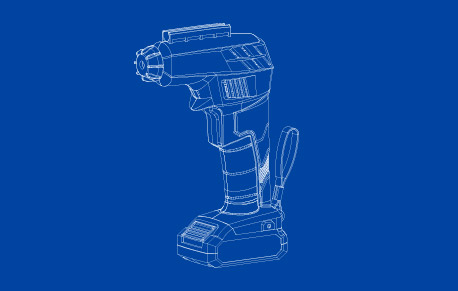
Air Pump

Author: Admin Date: 2026-05-19
What is the maximum branch diameter that electric pruning shears can cut compared to manual pruning shears?
When it comes to cutting capacity, electric pruning shears can cut branches up to 45mm (about 1.75 inches) in diameter, while most manual pruning shears max out at 25mm (approximately 1 inch) under optimal conditions. This gap in cutting capacity is not marginal — it represents a fundamental difference in how each tool handles woody plant material, and it directly affects which tool belongs in your hand depending on the job at hand.
Whether you are maintaining a home garden or managing a commercial orchard, understanding the cutting limits of each tool helps you work smarter, protect your plants, and avoid damaging your equipment.
Cutting Diameter: Electric Pruning Shears vs Manual Pruning Shears
The maximum cutting diameter is one of the most practical specs to compare when choosing between electric and manual pruning shears. Here is how they stack up across common tool categories:
| Tool Type | Max Cutting Diameter | Best Use Case |
|---|---|---|
| Manual Bypass Pruning Shears | Up to 25mm (1 inch) | Light pruning, flowers, soft stems |
| Manual Anvil Pruning Shears | Up to 30mm (1.2 inches) | Dead wood, dry branches |
| Electric Pruning Shears (entry-level) | Up to 32mm (1.25 inches) | Home gardens, light orchard work |
| Electric Pruning Shears (professional) | Up to 45mm (1.75 inches) | Commercial orchards, vineyards, thick limbs |
| Battery Operated Limb Cutters | Up to 50mm (2 inches) | Heavy limb removal, tree surgery |
As the table shows, professional-grade electric pruning shears nearly double the cutting capacity of standard manual bypass shears. For users dealing with branches thicker than 25mm on a regular basis, manual shears are simply working at — or beyond — their design limits.
Why Electric Pruning Shears Cut Larger Diameters
The mechanical advantage of electric pruning shears comes from their motorized blade drive system. Instead of relying on hand grip strength, the motor applies consistent, high-torque force to the blade through every cut. Most professional tree pruners electric models use a brushless motor rated between 150W and 300W, delivering cutting forces that no human hand can sustain across hundreds of cuts per day.
Key engineering factors that allow electric shears to cut larger diameters include:
- Motorized torque delivery: Eliminates reliance on user hand strength, enabling consistent force even on dense hardwood.
- Precision blade geometry: Electric shear blades are typically forged from high-carbon or SK5 steel with a micro-beveled edge optimized for power-assisted cutting.
- Adjustable cutting gap: Many models allow users to calibrate the blade opening width, letting the tool handle anything from delicate stems to thick woody canes.
- Blade speed control: Some advanced models auto-adjust cutting speed based on branch resistance, protecting the motor and ensuring clean cuts.
Manual shears, by contrast, depend entirely on lever mechanics and user grip. Once a branch exceeds about 20–25mm, the force required increases dramatically, risking both blade damage and user injury.
The Real-World Limits of Manual Pruning Shears
Manual pruning shears are rated for specific diameters, but those ratings assume ideal conditions — meaning green, living wood of average density. In practice, the effective cutting limit is often lower:
- Dense hardwood species (oak, olive, apple) may require stepping down to 18–20mm to cut cleanly without crushing the branch.
- Fatigue factor: A pruner making 300–500 cuts per day will lose grip strength by midday, effectively reducing safe cutting diameter by 20–30%.
- Blade dullness: A slightly dull manual blade on a 22mm branch can cause stem tearing, which invites disease — a risk far less common with motorized tree trimming scissors that apply even, swift pressure.
These real-world factors mean that while a manual shear may be rated at 25mm, its practical daily limit under commercial conditions is closer to 18–20mm for consistent, plant-safe cuts.
Battery Operated Limb Cutters: When You Need Maximum Diameter
For branches at the upper end of the diameter range — between 40mm and 50mm — standard electric pruning shears give way to dedicated battery operated limb cutters. These are heavier, higher-voltage tools (typically 36V or 40V platforms) designed specifically for limb removal and canopy thinning in mature trees.
Popular models in this category include:
- Infaco Electrocoup F3020: Cuts up to 45mm, widely used in French and Spanish vineyards, with a remote battery pack worn on the belt.
- Felco 801/802: Cuts up to 35mm, favored for vine pruning and light orchard work with its ergonomic rotating handle.
- Zenport ZL-GS16: An entry-level electric option cutting up to 32mm, suitable for hobby orchardists and home gardeners.
If your work regularly involves branches above 35mm, investing in battery operated limb cutters rather than standard electric pruning shears will protect both your tool and the health of your cuts.
Cut Quality at Maximum Diameter: Electric vs Manual
Cutting diameter is not just about whether the tool can physically sever the branch — cut quality matters enormously for plant health. A ragged or crushed cut creates an entry point for fungal infections and slows callus formation.
Electric Pruning Shears at Maximum Diameter
Electric shears operating near their rated maximum (e.g., 40–45mm) typically still produce a clean, single-stroke cut due to consistent motor torque. The blade does not hesitate or twist mid-cut, which preserves the vascular tissue at the cut site and promotes faster wound closure.
Manual Pruning Shears at Maximum Diameter
Manual shears pushed to their rated limit frequently require a rocking or twisting motion to complete the cut. This irregular pressure crushes the cambium layer and leaves a frayed wound edge. Studies in commercial apple orchard management have shown that branches cut with manual shears at their maximum diameter heal 15–20% slower than those cut within the tool's comfortable operating range.
Choosing the Right Tool Based on Branch Diameter
Not every pruning job demands electric power. Here is a practical guide to matching your tool to the branch diameter you are working with:
- Under 15mm: Standard manual bypass shears are ideal — lightweight, fast, and precise for deadheading, flower stems, and thin vine shoots.
- 15mm to 25mm: Either tool works, but if you are making more than 100 cuts per session, entry-level tree pruners electric models will significantly reduce hand fatigue.
- 25mm to 35mm: Electric pruning shears are the clear choice. Manual shears are at or beyond their safe limit for consistent, clean cuts in this range.
- 35mm to 50mm: Use professional-grade electric pruning shears or dedicated battery operated limb cutters. Manual shears should not be used in this range.
- Above 50mm: Neither standard electric pruning shears nor manual shears are appropriate. A pruning saw or chainsaw is required.
The Ergonomic Case for Electric Pruning Shears in High-Volume Work
Beyond raw cutting diameter, there is a compelling ergonomic argument for electric pruning shears that is often overlooked in spec comparisons. In commercial vineyard and orchard settings, a single worker may make between 800 and 2,000 cuts per day. At those volumes, even cutting branches well within the manual shear's rated capacity becomes a repetitive strain risk.
Research published in agricultural ergonomics journals has found that switching from manual pruning shears to electric pruning shears reduces grip force demand by up to 70%, and decreases the incidence of hand-wrist disorders such as carpal tunnel syndrome among orchard workers by a measurable margin over a single pruning season.
When used as tree trimming scissors for canopy shaping or vine training, professional electric models with rotating handles further reduce wrist rotation stress — a benefit no manual shear design can replicate.
Final Verdict: Which Tool Wins on Cutting Diameter?
Electric pruning shears win decisively on maximum cutting diameter. With professional models handling up to 45mm and battery operated limb cutters reaching 50mm, they outperform even the best manual pruning shears, which top out at a practical 20–25mm under real working conditions. The advantage is not just in raw numbers — it is in cut quality, operator safety, and sustainable performance across a full workday.
For light, occasional pruning below 15mm, a quality manual bypass shear remains an efficient and cost-effective choice. But for anyone managing orchards, vineyards, or mature garden shrubs with branches regularly exceeding 20mm, electric pruning shears are not a luxury — they are the right tool for the job.

-
Feedback
Related Products
-
-
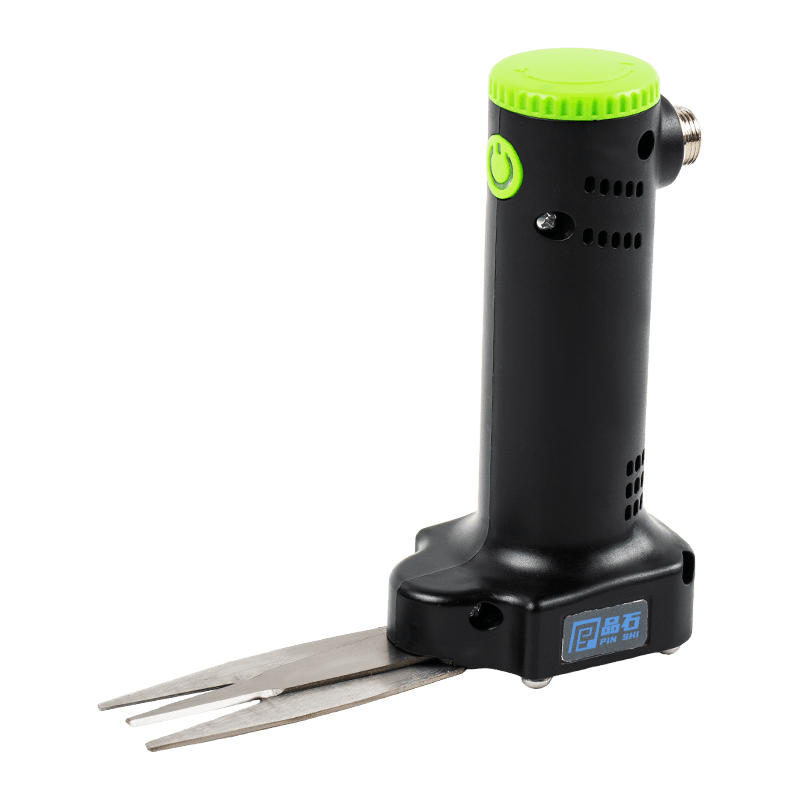
Input Voltage AC 100-240V 50-60Hz Working Voltage 24V (DC) Working Current 2A(max) Motor Type Brushless Motor No Load Speed 500 - 1350rpm Blade Material Stainless S...
See Details -
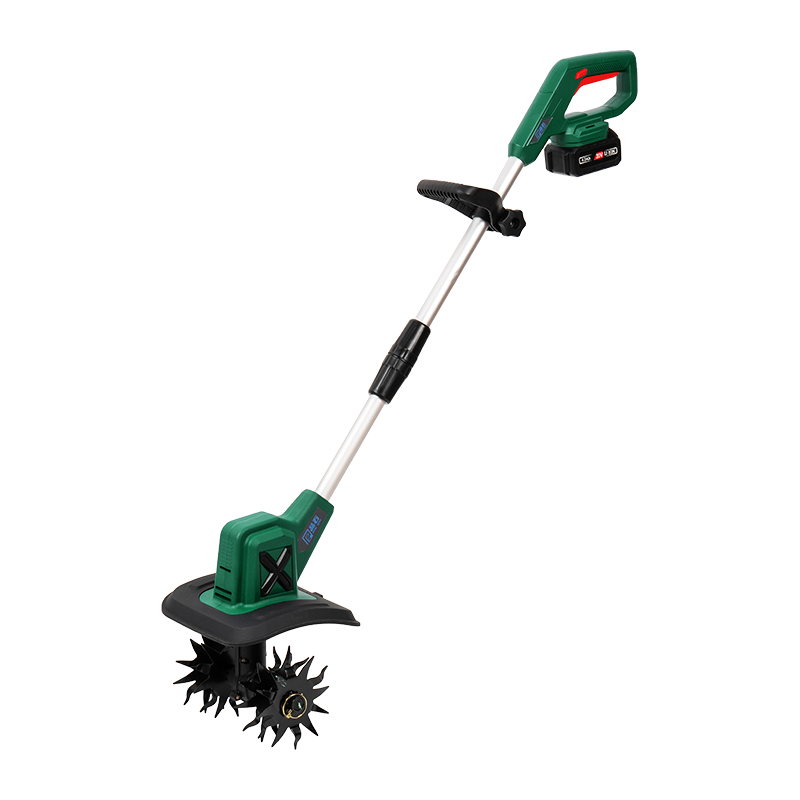
Voltage 20V (DC) Battery capacity 2.0Ah/3.0Ah/4.0Ah Motor type Brush motor No-loading speed 300rpm Ploughing width 8.6"(220mm) Tilling depth 6.3"(160mm) Fold...
See Details -
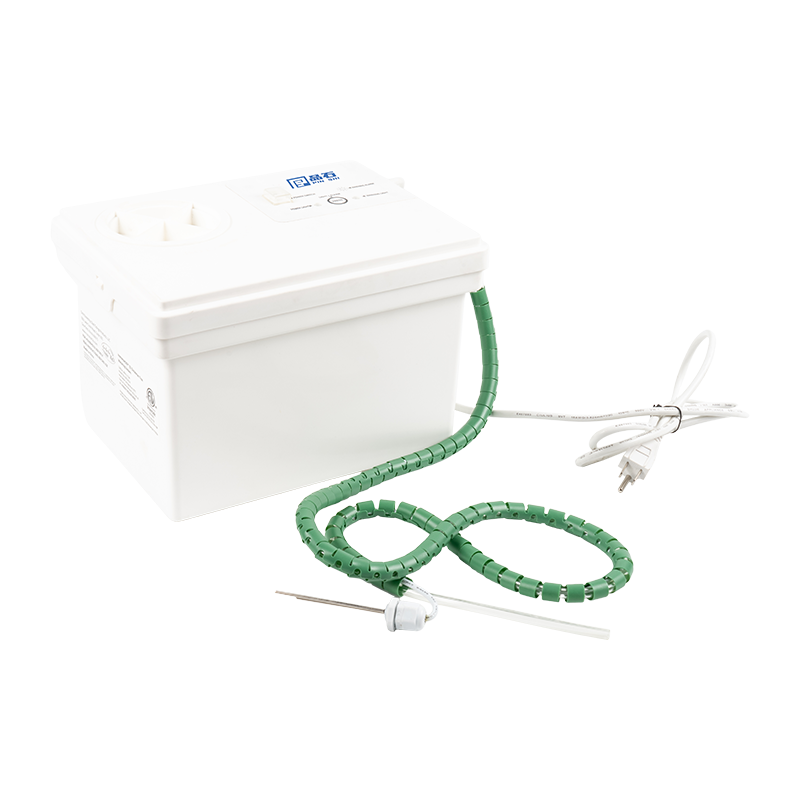
Voltage AC 110-120V 220-240V 60Hz/50Hz Power 4.5W Water Tank Capacity 2.5 gallons Pump Flow Rate 1.5GPM(high speed) Pump Head ≧36.6 inches(0.93cm) Weight 1.7...
See Details -
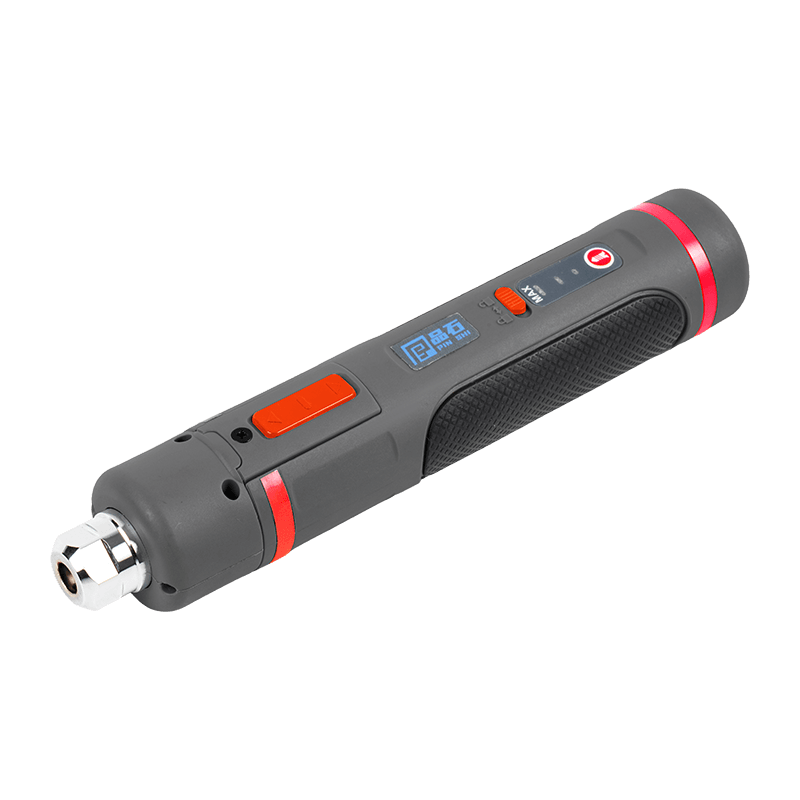
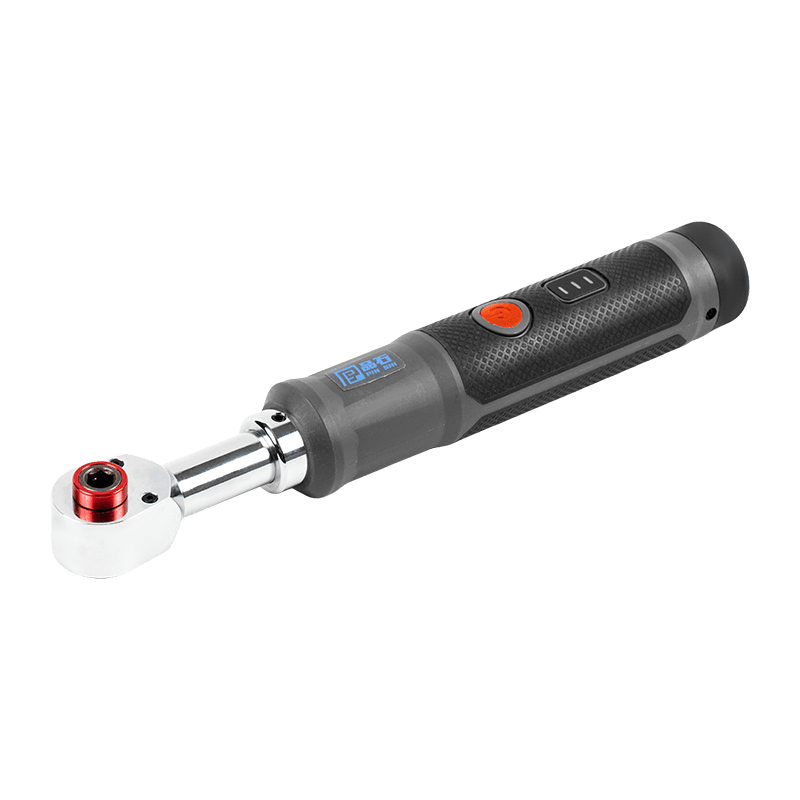
Voltage 4V (DC) Battery capacity 1.5Ah/2.0Ah Motor type Brush motor No–loading speed 320rpm Torque setting 3 Max. Torque 5N.m(Electric power) 8N.m(Manual labor) ...
See Details -
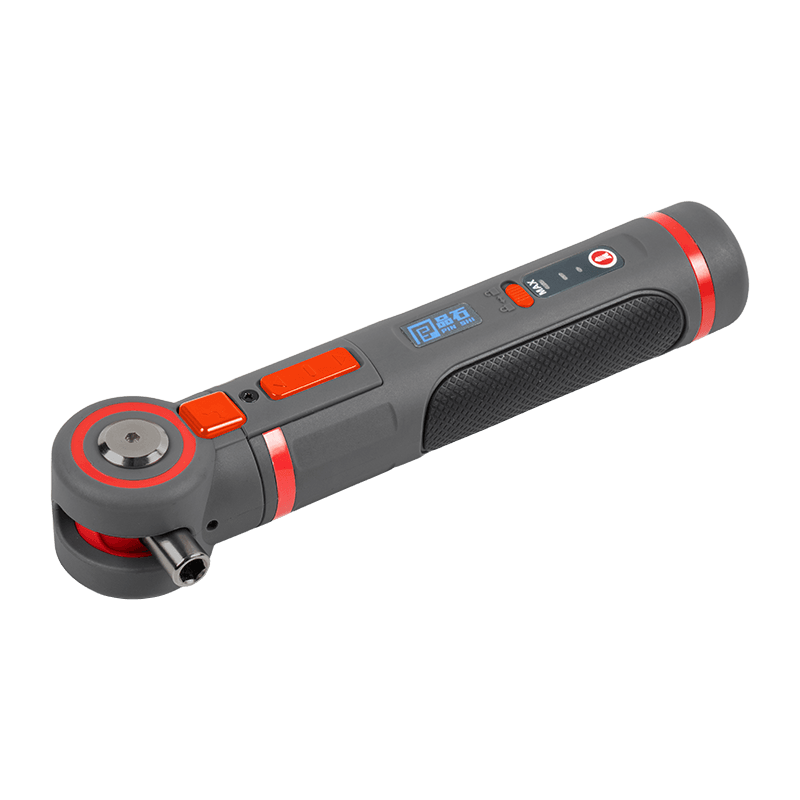
Voltage 4V (DC) Battery capacity 1.5Ah/2.0Ah Motor type Brush motor No–loading speed 320rpm Torque setting 3 Angle adjustment 0°,45,90° Max. Torque 5N.m(Elect...
See Details
Related News
-
In the rapidly evolving landscape of construction, automotive repair, and industrial assembly, one tool has consistently stood out as the backbone of ...
READ MORE -
What Exactly Is an Electric Screwdriver Today? The shifting meaning of "electric screwdriver" in modern tool ecosystems The term "electric screwdriver...
READ MORE -
Impact Wrench: Definition and Core Working Principle The Impact Wrench, often referred to in industrial circles as an air gun, air wrench, or electric...
READ MORE
-
LINK
-
product
-
Quick Contact
-
 Building 1, Floor 1, Industrial Zone, Zhongyi Village, Guolin Town, Haishu District, Ningbo City, Zhejiang Province, China
 -
 +86-13906619096
 -
 Michael@chinashimu.com
-
KEEP IN TOUCH
Copyright© Ningbo Pinshi Electromechanical Co., LTD.
