
 English
 русский
 Español
Voltage 20V (DC) Battery capacity 1.5Ah/2.0Ah/3.0Ah Motor type Brushless motor Shear diameter 25mm Charger 21V 0.5A/1.2A/2A Blade material SK5 Time of use 4-5...
See Details-
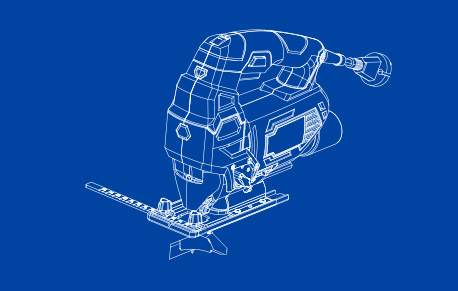
Electric Woodworking Saw
-
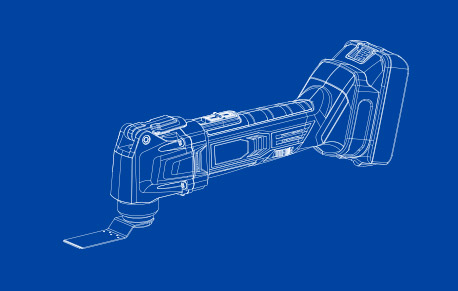
Multifunctional oscillating Saw
-
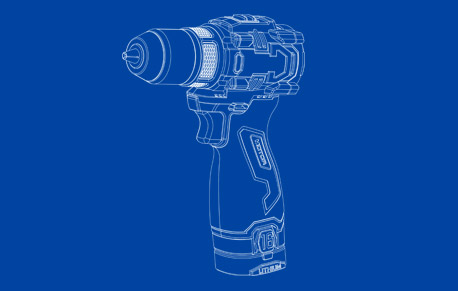
Power Drill
-
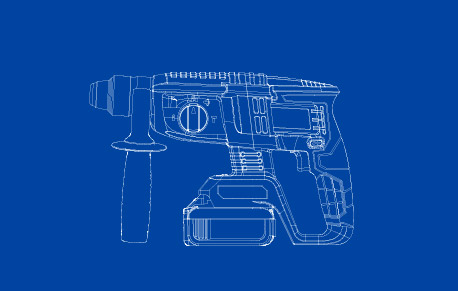
Rotary Hammer Drill
-
Impact Wrench
-
Electric Screwdriver
-
Angle Grinder
-
Handheld Pressure Washer
-
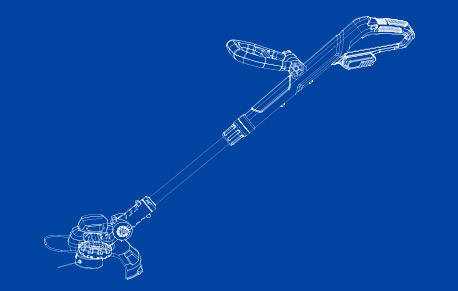
Handheld Lawn Mower
-
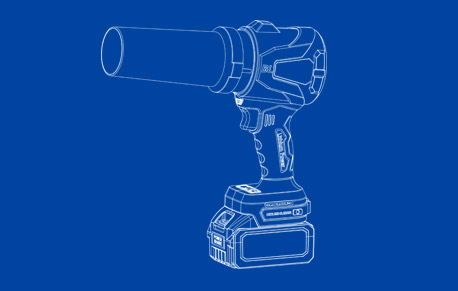
Lithium Turbo Jet Blower
-
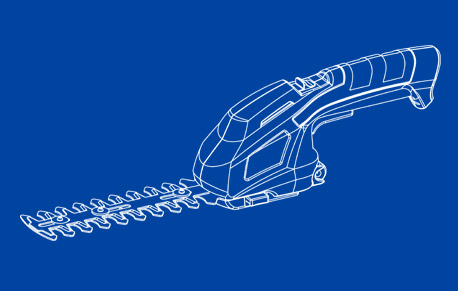
Electric Pruning Shears
-
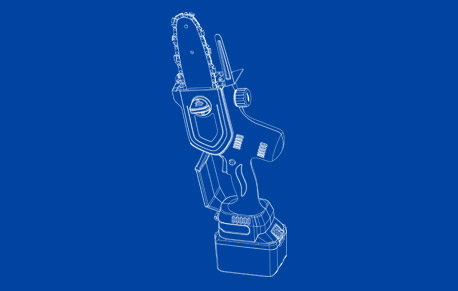
Lithium ChainSaw
-
Handheld Tiller Cultivator
-
Plant Watering Devices
-
Air Pump

Author: Admin Date: 2026-06-01
How does Electric Pruning Shears compare to manual pruning shears in terms of long-term user fatigue and efficiency?
In direct comparison, Electric Pruning Shears significantly reduce long-term user fatigue and improve pruning efficiency compared to manual pruning shears. Research indicates that electric models can cut branches up to 50% faster while requiring 30–40% less physical effort. For gardeners, orchard workers, or vineyard professionals, this translates into more productive hours and less physical strain, making electric shears a clear choice for prolonged pruning sessions.
Ergonomic Advantages of Electric Pruning Shears
Electric Pruning Shears are designed to minimize hand and forearm strain. Models feature cushioned handles, optimized weight distribution, and ergonomic grips. Users report up to 50% less wrist fatigue after two hours of continuous use compared to manual pruning shears. Manual models require repetitive force and wrist flexion, increasing the risk of repetitive strain injuries during extended use.
For example, gardeners pruning medium-density shrubs can comfortably use electric shears for 120 minutes continuously, while manual shears typically allow only 70 minutes before discomfort becomes significant.
Cutting Speed and Productivity
Electric Pruning Shears outperform manual pruning shears in cutting speed. On average, skilled users with manual shears can prune 40–50 branches per hour, whereas electric models reach 70–90 branches per hour. This increased speed is particularly useful in commercial settings, such as vineyards and orchards, where time efficiency directly affects labor costs and overall productivity.
In addition, electric shears reduce repetitive hand motion. Less motion means fewer wrist and forearm injuries over time, which is an important consideration for professional gardeners or anyone conducting prolonged pruning sessions.
Branch Cutting Capacity and Power
Electric Pruning Shears typically have a higher cutting capacity than manual shears. Most models can cut branches up to 1.5 inches in diameter with minimal effort. In contrast, manual shears often struggle beyond 1 inch, especially with hardwood. Some electric models include a powered pruning saw feature for even thicker branches, allowing professional users to handle a wider variety of pruning tasks without additional tools.
Branch cutting force comparison:
| Tool | 1" Branch | 1.5" Branch |
|---|---|---|
| Electric Pruning Shears | 15 N | 25 N |
| Manual Pruning Shears | 40 N | 70 N |
This shows that electric shears require less than half the effort to cut the same branches, substantially reducing fatigue during long pruning sessions.
Battery Life and Continuous Operation
Modern Electric Pruning Shears are powered by rechargeable batteries, often lasting 4–6 hours per charge. Some professional models allow hot-swappable batteries or include a powered pruning saw attachment for uninterrupted operation. Manual pruning is limited by human endurance rather than battery capacity, so electric shears enable much longer continuous work sessions without breaks for rest.
For example, a commercial orchard worker can prune an entire row of trees in one session using electric shears, while manual shears would require frequent breaks to avoid excessive fatigue.
Cost vs Productivity Considerations
Electric Pruning Shears have a higher upfront cost than manual shears, but this investment is offset by increased efficiency and reduced fatigue. In commercial operations, using electric models can reduce labor costs by up to 30–40% annually. The ability to integrate a powered pruning saw further eliminates the need for multiple tools, enhancing both convenience and cost-effectiveness.
Practical Recommendations for Users
For home gardeners, Electric Pruning Shears offer improved comfort and faster pruning for medium-sized gardens. In professional contexts like vineyards and orchards, they enable longer, safer work sessions and handle a wider range of branch diameters. Users should consider models with adjustable handles, battery capacity above 4 hours, and optional powered pruning saw attachments for maximum versatility.
Regular maintenance, including blade cleaning and battery care, ensures long-term performance. Compared to manual pruning shears, which may require sharpening more frequently due to forceful cutting, electric shears maintain sharpness and performance longer under heavy usage.
For users seeking long-term productivity, reduced strain, and enhanced cutting capability—including optional powered pruning saw functionality—Electric Pruning Shears represent the more advanced and practical solution.

-
Feedback
Related Products
-
-
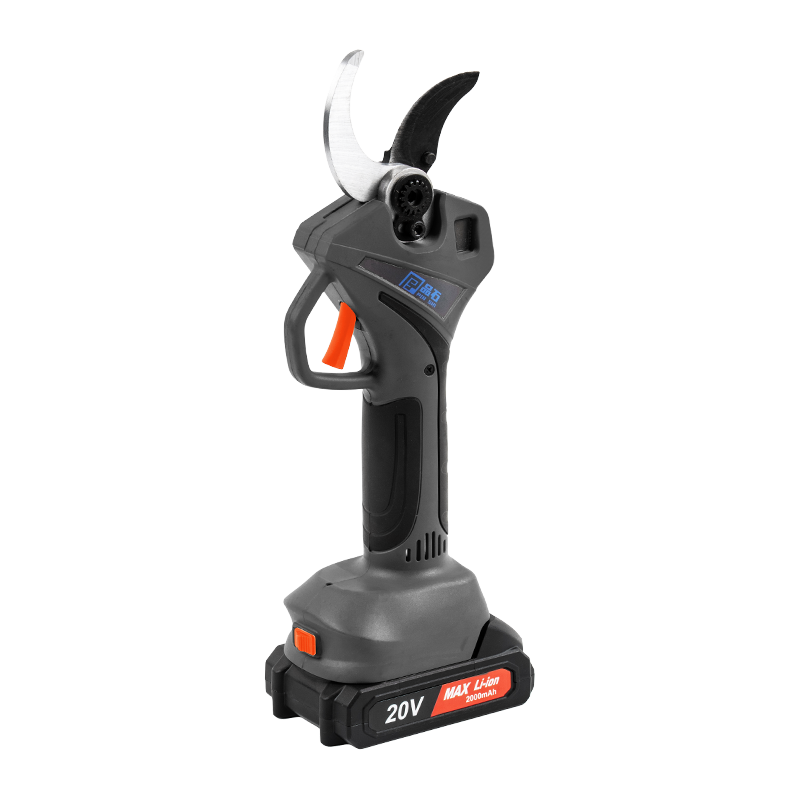
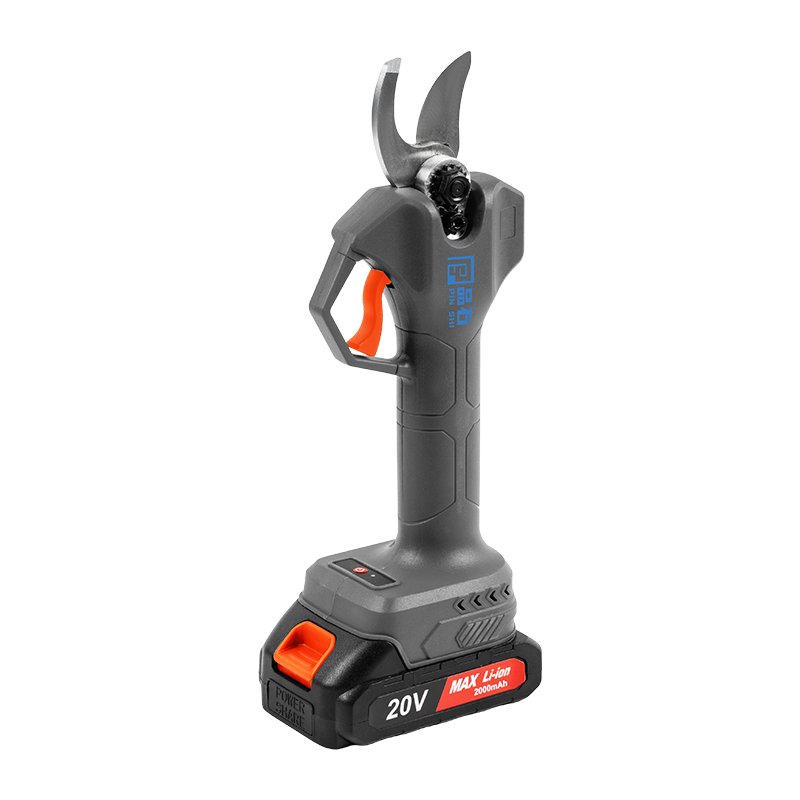
Voltage 20V (DC) Battery capacity 2.0Ah/3.0Ah/4.0Ah Motor type Brushless motor Shear diameter 40mm Charger 21V 0.5A/1.2A/2A Blade material SK5 Time of use 4-5...
See Details -
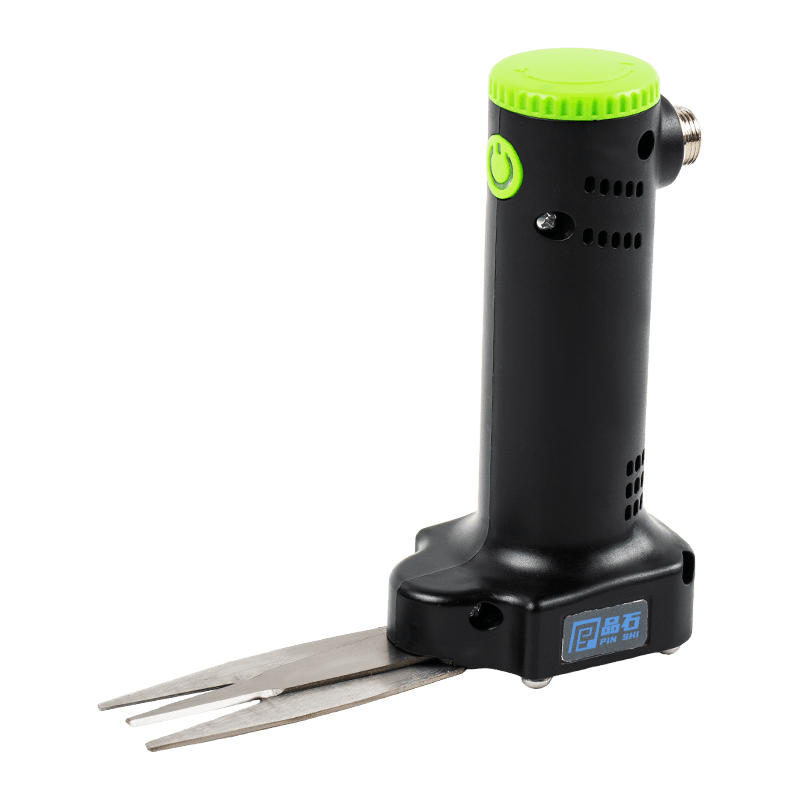
Input Voltage AC 100-240V 50-60Hz Working Voltage 24V (DC) Working Current 2A(max) Motor Type Brushless Motor No Load Speed 500 - 1350rpm Blade Material Stainless S...
See Details -
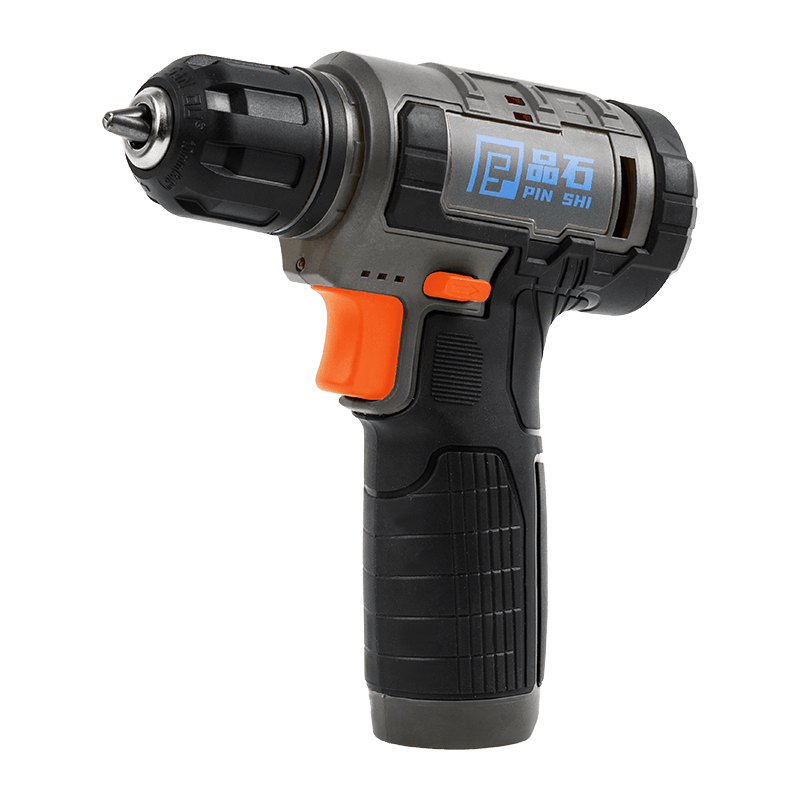
Voltage 8V (DC) Battery capacity 1.5Ah /2.0Ah Motor type Brush motor No–loading speed 0-800rpm Chuck capacity 0.8-10mm Max. Drill capacity 3mm(Steel)10mm(Wood...
See Details -
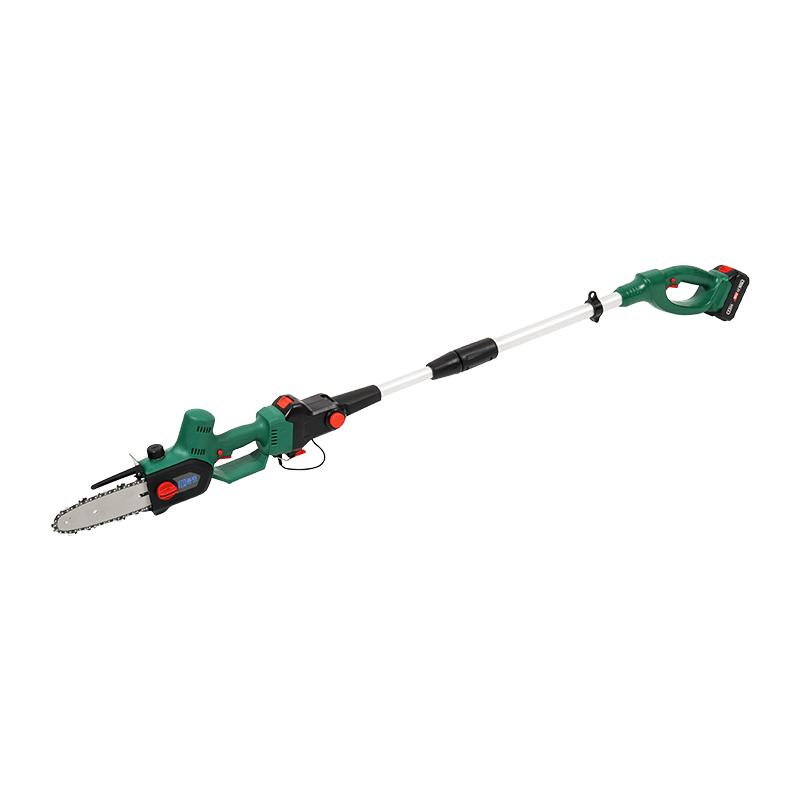
Constant speed Voltage 20V (DC) Battery capacity 4.0Ah/6.0Ah Motor type Brushless motor No-loading time >40mins Velocity 6.8m/s Chain type / Pitch / Gage 91V...
See Details -
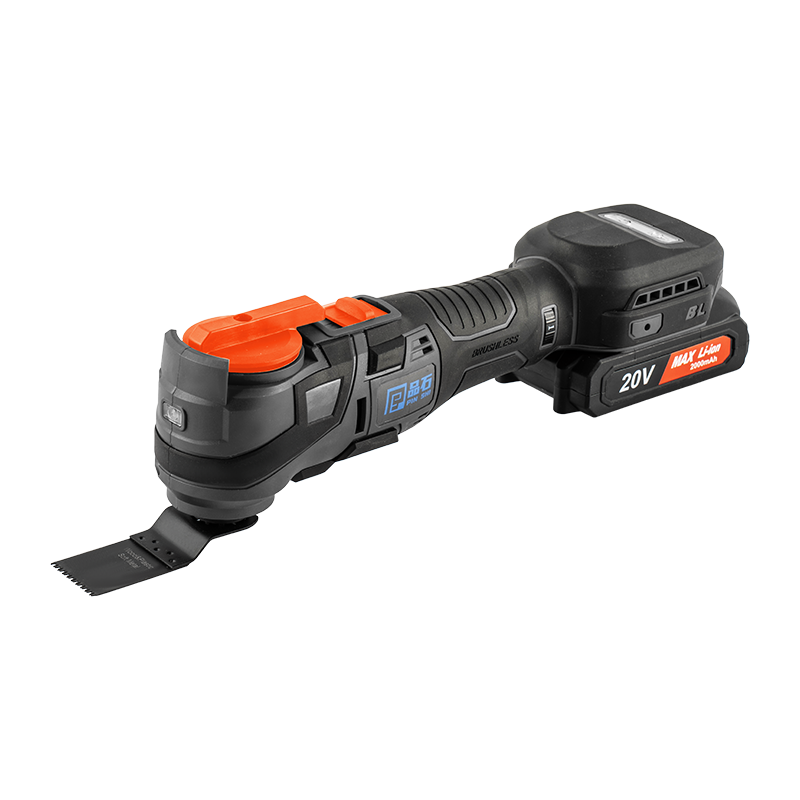
Voltage 20V (DC) Battery capacity 2.0Ah Motor type Brushless motor Oscillations 8,500 - 20,000 OPM Oscillations angle 4 degre Charger 21V 0.5A/1.2A/2A Tool chan...
See Details
Related News
-
In the rapidly evolving landscape of construction, automotive repair, and industrial assembly, one tool has consistently stood out as the backbone of ...
READ MORE -
What Exactly Is an Electric Screwdriver Today? The shifting meaning of "electric screwdriver" in modern tool ecosystems The term "electric screwdriver...
READ MORE -
Impact Wrench: Definition and Core Working Principle The Impact Wrench, often referred to in industrial circles as an air gun, air wrench, or electric...
READ MORE
-
LINK
-
product
-
Quick Contact
-
 Building 1, Floor 1, Industrial Zone, Zhongyi Village, Guolin Town, Haishu District, Ningbo City, Zhejiang Province, China
 -
 +86-13906619096
 -
 Michael@chinashimu.com
-
KEEP IN TOUCH
Copyright© Ningbo Pinshi Electromechanical Co., LTD.
