
 English
 русский
 Español
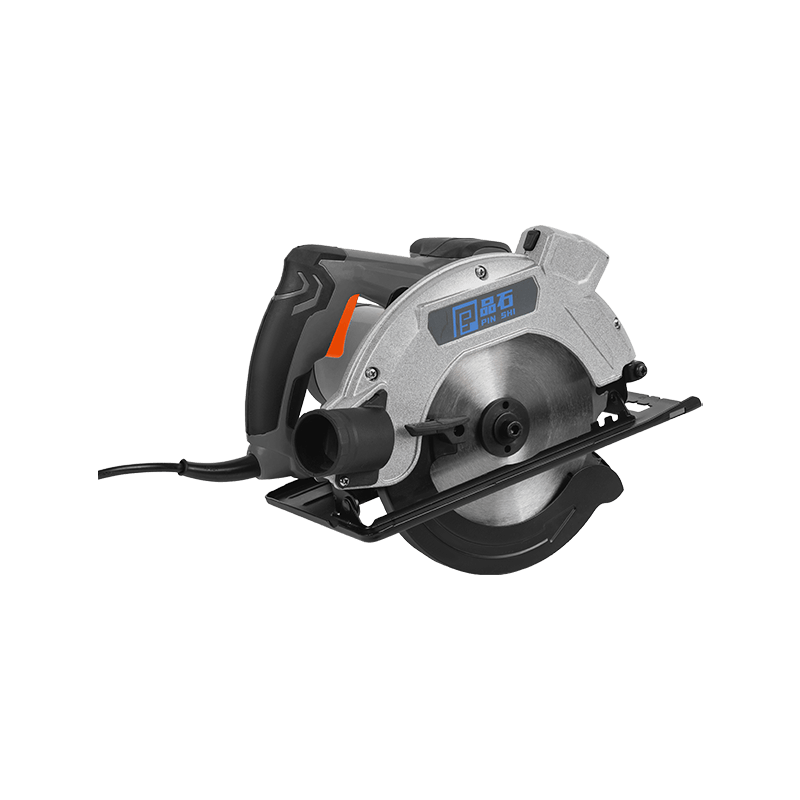
Input voltage(V) 230V/120V Mains frequency (Hz) 50Hz/60Hz Input power(W) 1200W No-loading speed 4800rpm Cutting depth 45°-43mm /90°-65mm Blade diameter 185mm ...
See Details-
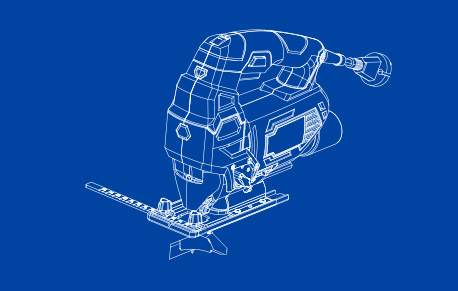
Electric Woodworking Saw
-
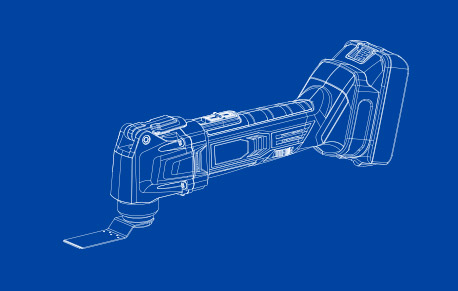
Multifunctional oscillating Saw
-
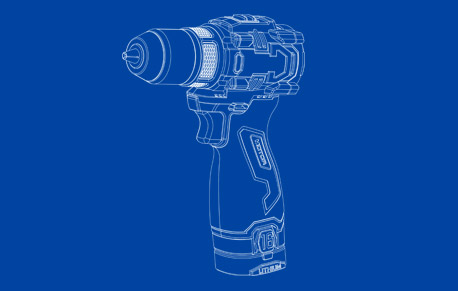
Power Drill
-
Rotary Hammer Drill

-
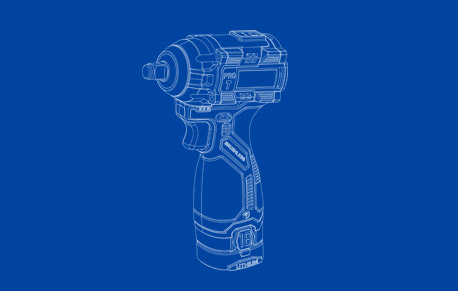
Impact Wrench
-
Electric Screwdriver
-
Angle Grinder

-
Handheld Pressure Washer

-
Handheld Lawn Mower

-
Lithium Turbo Jet Blower

-
Electric Pruning Shears
-
Lithium ChainSaw

-
Handheld Tiller Cultivator

-
Plant Watering Devices
-
Air Pump

Author: Admin Date: 2026-06-08
Which provides cleaner cuts on laminated boards: a Circular Saw or a Track Saw?
If your primary goal is achieving the cleanest possible cuts on laminated boards, a track saw is generally the superior option. Its guide rail system, anti-splinter strip, and enhanced cutting stability help reduce tear-out and edge chipping. In most woodworking, cabinetry, and furniture-building applications, a track saw consistently produces smoother edges than a standard circular saw.
That does not mean a circular saw cannot deliver professional results. When equipped with a fine-tooth blade and used with proper cutting techniques, a circular saw can create clean cuts on laminated materials. However, achieving comparable results typically requires more preparation and operator skill.
For users who frequently cut melamine, laminated plywood, or decorative panels, a track saw offers the best combination of precision, consistency, and finish quality.
Why Laminated Boards Are Prone to Chipping
Laminated boards consist of a core material such as plywood, MDF, or particleboard covered with a decorative laminate layer. While this surface improves durability and appearance, it is also more susceptible to chipping during cutting operations.
As the blade teeth enter and exit the material, they can pull small fragments from the laminate surface. This effect is especially noticeable when using dull blades, improper feed rates, or saws that lack adequate guidance systems.
- Thin decorative surfaces chip easily.
- Blade vibration increases tear-out.
- Fast feed rates can damage laminate edges.
- Poor workpiece support can worsen cut quality.
Because laminated boards are often used in visible applications such as cabinetry and furniture, even small chips can negatively affect the final appearance.
Track Saw vs Circular Saw: Performance Comparison
| Feature | Circular Saw | Track Saw |
|---|---|---|
| Edge Cleanliness | Good | Excellent |
| Chip Resistance | Moderate | High |
| Cut Accuracy | Depends on Guide | Excellent |
| Repeatability | Moderate | Excellent |
| Learning Curve | Low | Moderate |
In practical workshop environments, many users report that track saws reduce visible laminate chipping by more than 50% compared with standard circular saw setups. The exact difference depends on blade quality and cutting technique, but the advantage is often immediately visible.
How Track Saws Produce Cleaner Cuts
The key advantage of a track saw is its guide rail system. Unlike a freehand circular saw, the tool follows a fixed path throughout the cut. This greatly reduces side-to-side movement and blade wandering.
Many track saw systems also incorporate anti-splinter strips that support the laminate surface directly adjacent to the blade. This support minimizes the tendency of laminate material to break away during cutting.
- Stable rail guidance.
- Reduced blade deflection.
- Consistent cutting depth.
- Built-in splinter protection.
- Improved straightness on long cuts.
These features help deliver clean, professional-looking edges with minimal post-processing.
Can a Circular Saw Match a Track Saw?
A circular saw can come surprisingly close when paired with the right blade and accessories. A high-quality carbide-tipped blade with 60 to 80 teeth can significantly reduce chipping on laminated materials.
Users can further improve results by following several best practices:
- Use a fine-tooth finish blade.
- Apply masking tape along the cut line.
- Support the panel fully.
- Cut slowly and consistently.
- Use a straight-edge guide.
- Make a shallow scoring pass first.
While these techniques help, they add time and complexity. A track saw often achieves similar or better results with fewer adjustments.
The Importance of Blade Selection
Blade selection can have as much impact on cut quality as the saw itself. Even the best track saw may produce poor results if equipped with a dull or inappropriate blade.
For laminated boards, look for blades featuring:
- Carbide-tipped teeth.
- High tooth counts.
- Thin kerf construction.
- Alternate top bevel tooth geometry.
A premium finish blade can dramatically reduce tear-out and improve overall edge quality.
Special Considerations for Different Applications
Not every user works exclusively with laminated wood products. For example, a metal cutting circular saw is specifically engineered for cutting steel, aluminum, and other metals. These tools use specialized blades and operating characteristics designed for metalworking rather than decorative laminate finishing.
Portability is another important consideration. A battery powered skill saw provides exceptional mobility on jobsites where access to power outlets is limited. Modern cordless systems offer enough power to handle plywood, MDF, and laminated panels while maintaining excellent convenience.
However, even a high-quality battery powered skill saw may benefit from a guide rail or straight-edge system when precision laminate cuts are required.
Which Tool Should You Choose?
The best choice depends on how often you cut laminated boards and the level of finish quality required.
- Choose a track saw for cabinetry, furniture making, and high-end finish work.
- Choose a circular saw for general construction and occasional laminate projects.
- Use premium blades regardless of saw type.
- Prioritize proper support and accurate guidance.
For professionals who cut laminated panels regularly, the additional investment in a track saw is often justified by better edge quality, reduced rework, and improved efficiency.
The track saw is the clear winner for producing cleaner cuts on laminated boards. Its guide rail system, anti-splinter features, and superior stability help minimize chipping while maximizing accuracy.
A circular saw remains a versatile and cost-effective tool, especially when equipped with a quality finish blade and proper cutting accessories. However, when cut quality is the top priority, particularly for visible laminate surfaces, a track saw consistently delivers the best results.

-
Feedback
Related Products
-
-
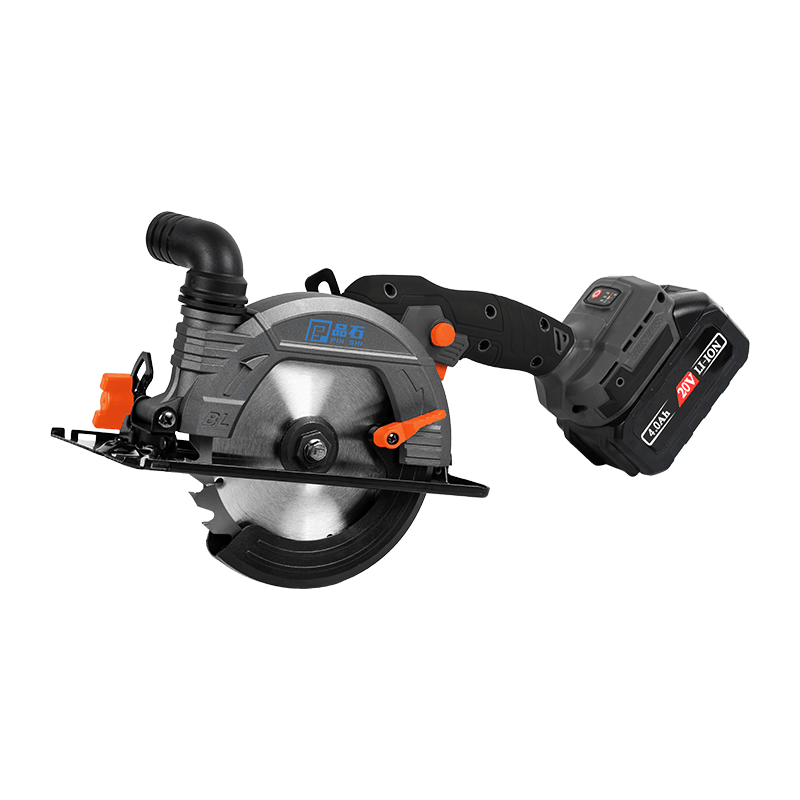
Voltage 20V (DC) Battery capacity 3.0Ah/4.0Ah Motor type Brushless motor No-loading speed 4800rpm Cutting depth 45°-40mm /90°-55mm Blade diameter 150mm Blade mo...
See Details -
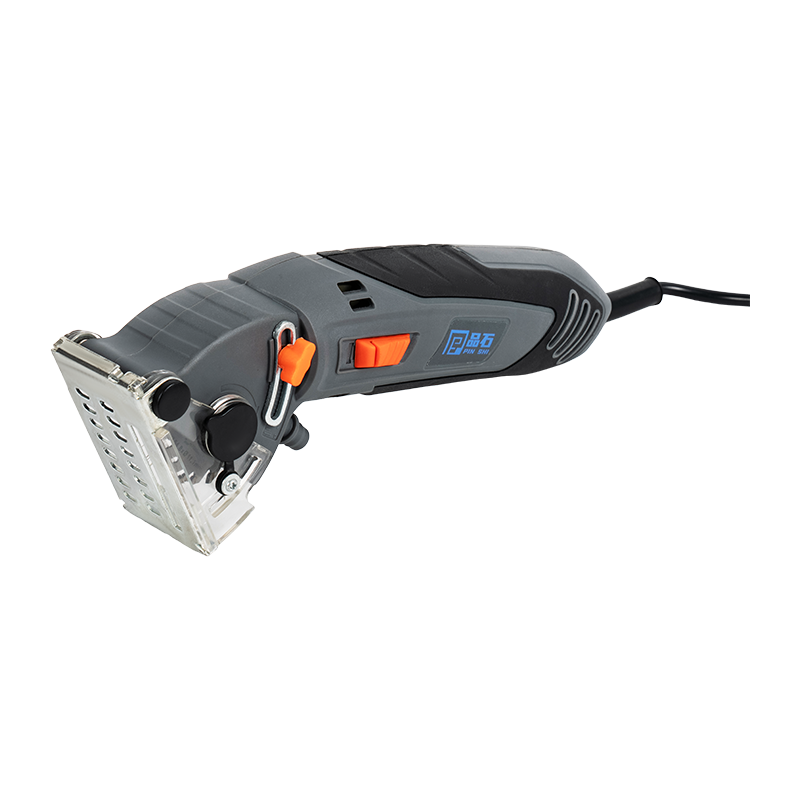
Input voltage(V) 230V/120V Mains frequency (Hz) 50Hz/60Hz Input power(W) 400W No-loading speed 3700rpm Cutting depth 0-12mm Blade diameter 54.8 mm Blade m...
See Details -
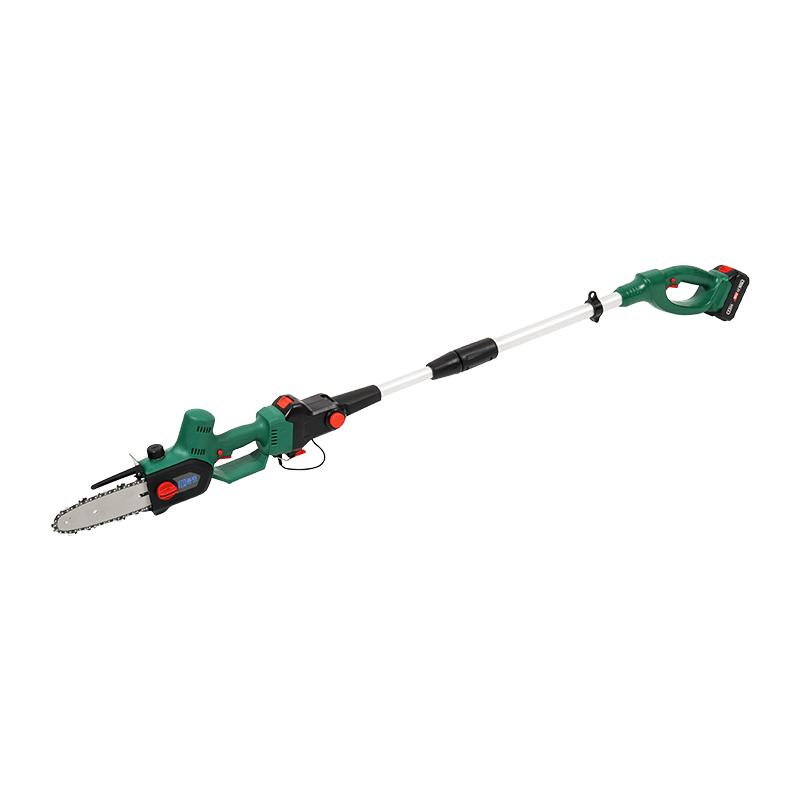
Constant speed Voltage 20V (DC) Battery capacity 4.0Ah/6.0Ah Motor type Brushless motor No-loading time >40mins Velocity 6.8m/s Chain type / Pitch / Gage 91V...
See Details -
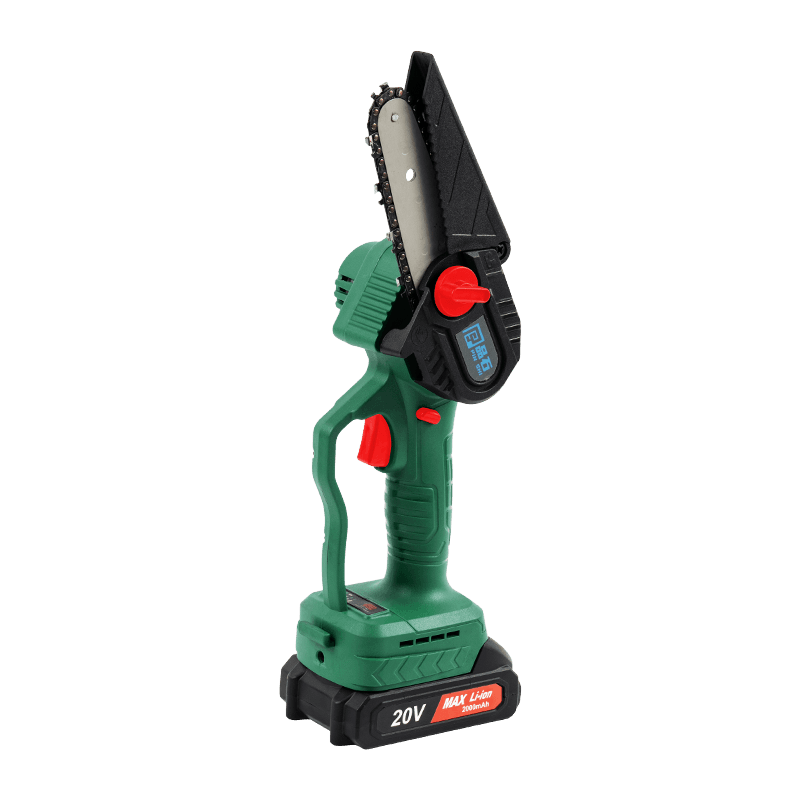
Voltage 20V (DC) Battery capacity 1.5Ah/2.0Ah/3.0Ah Motor type Brushless motor Velocity 6m/s Chain type / Pitch / Gage 6.35 mm (0.25") / 1.1 mm (0.043") Bar length ...
See Details -
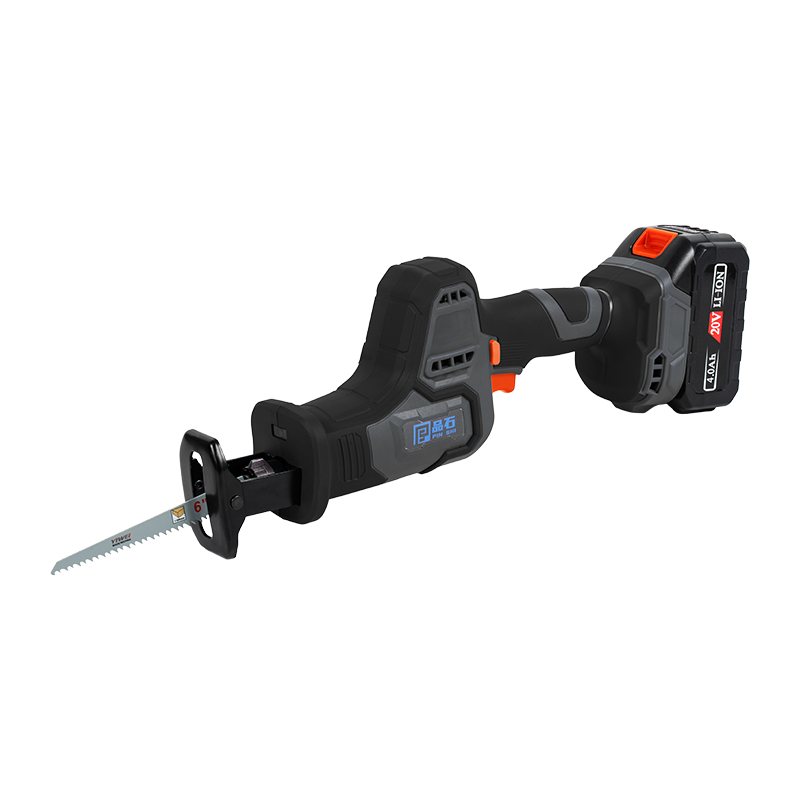
Voltage 20V (DC) Battery capacity 2.0Ah/3.0Ah Motor type Brushless motor No-loading strokes per minute 0-2600spm Reciprocating stroke 22mm Max cutting capacity ...
See Details
Related News
-
In the rapidly evolving landscape of construction, automotive repair, and industrial assembly, one tool has consistently stood out as the backbone of ...
READ MORE -
What Exactly Is an Electric Screwdriver Today? The shifting meaning of "electric screwdriver" in modern tool ecosystems The term "electric screwdriver...
READ MORE -
Impact Wrench: Definition and Core Working Principle The Impact Wrench, often referred to in industrial circles as an air gun, air wrench, or electric...
READ MORE
-
LINK
-
product
-
Quick Contact
-
 Building 1, Floor 1, Industrial Zone, Zhongyi Village, Guolin Town, Haishu District, Ningbo City, Zhejiang Province, China
 -
 +86-13906619096
 -
 Michael@chinashimu.com
-
KEEP IN TOUCH
Copyright© Ningbo Pinshi Electromechanical Co., LTD.
