
 English
 русский
 Español
Input Voltage AC 100-240V 50-60Hz Working Voltage 24V (DC) Working Current 2A(max) Motor Type Brushless Motor No Load Speed 500 - 1350rpm Blade Material Stainless S...
See Details-
Electric Woodworking Saw
-
Multifunctional oscillating Saw
-
Power Drill
-
Rotary Hammer Drill
-
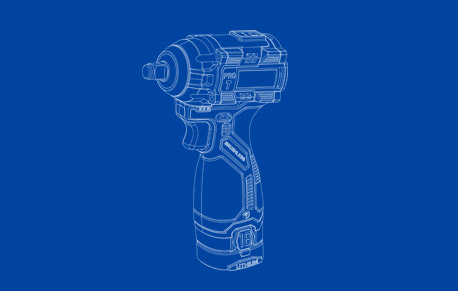
Impact Wrench
-
Electric Screwdriver
-
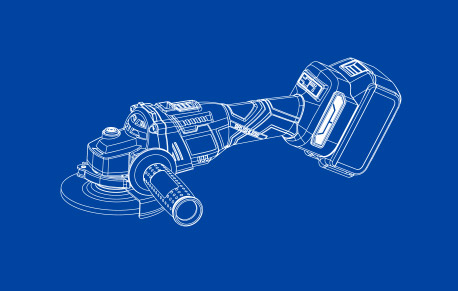
Angle Grinder
-
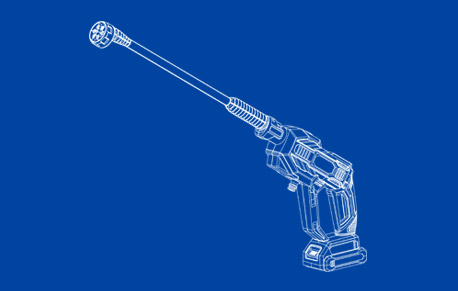
Handheld Pressure Washer
-
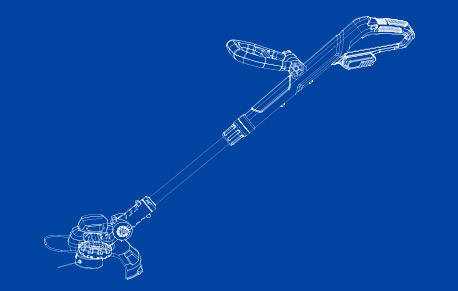
Handheld Lawn Mower
-
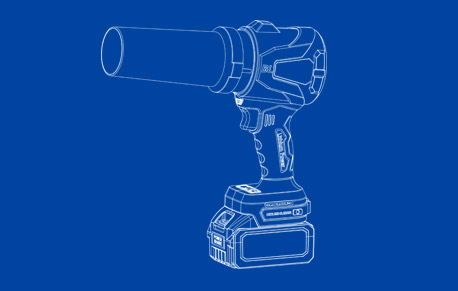
Lithium Turbo Jet Blower
-
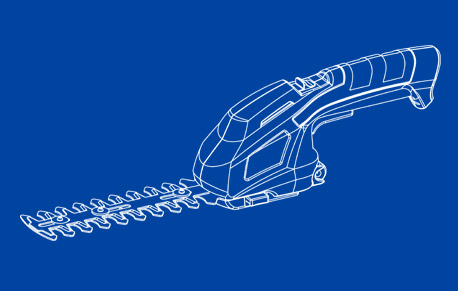
Electric Pruning Shears
-
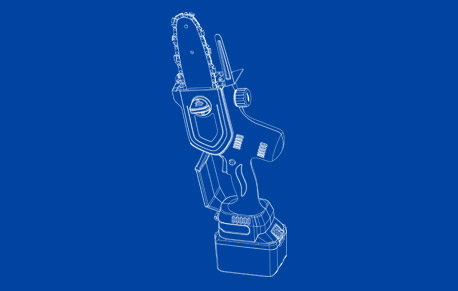
Lithium ChainSaw
-
Handheld Tiller Cultivator
-
Plant Watering Devices
-
Air Pump

Author: Admin Date: 2026-06-15
What distinguishes a rotary power drill from a rotary hammer drill in terms of drilling speed and vibration?
The rotary power drill spins the bit in a continuous circular motion, while a rotary hammer drill combines that rotation with a rapid forward-and-back hammering action. For standard wood or metal work, a rotary power drill is faster and smoother. For concrete, brick, or stone, a rotary hammer drill completes the job in a fraction of the time with far less user effort. Choosing the wrong tool means slower progress, damaged bits, and unnecessary fatigue.
How Each Tool Generates Its Drilling Action
Understanding the mechanical difference between these two tools explains everything about their speed and vibration profiles.
Rotary Power Drill
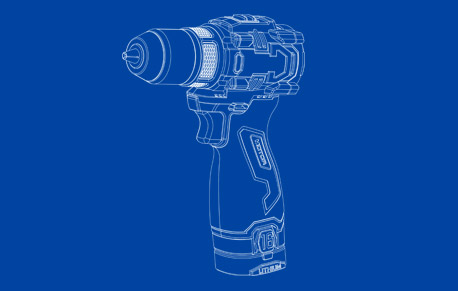
A rotary power drill uses an electric motor to rotate a chuck and bit at high RPM. There is no axial impact — the bit simply spins. When considering the types of power drills available on the market today, the rotary power drill is the most widely used category for general-purpose applications. Because of how types of drill chucks are designed, the majority of electrical drills only accept bits with a standard straight or hex shank up to 10mm or 13mm, limiting compatibility with specialist masonry tooling.
Rotary Hammer Drill
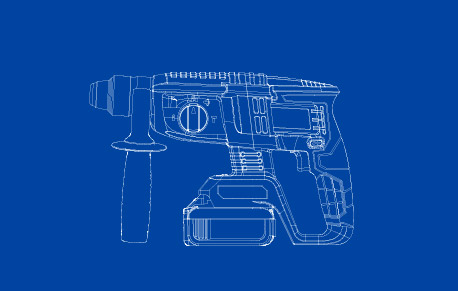
A rotary hammer drill uses a electro-pneumatic piston mechanism to deliver rapid impact blows along the axis of the bit — typically at 2,000 to 5,000 beats per minute (BPM) — while simultaneously rotating. This hammering energy physically fractures the substrate rather than relying on friction alone. The result is dramatically faster penetration in hard materials with significantly less force required from the operator.
Drilling Speed: Direct Comparison by Material
Drilling speed is where the performance gap between these two tools becomes immediately measurable. The table below compares approximate time-to-depth for a 10mm hole across common materials:
| Material | Rotary Power Drill (approx.) | Rotary Hammer Drill (approx.) |
|---|---|---|
| Softwood (pine) | 2–4 seconds | 2–3 seconds |
| Hardwood (oak) | 5–10 seconds | 4–7 seconds |
| Steel (3mm plate) | 10–20 seconds | Not recommended |
| Concrete block | 60–120 seconds | 5–10 seconds |
| Reinforced concrete | Often ineffective | 15–30 seconds |
In concrete, a rotary hammer drill can be 6 to 12 times faster than a rotary power drill. The rotary power drill, by contrast, excels in speed and control for wood, drywall, and thin metal — materials where impact energy would cause splintering or deformation.
Vibration Levels and What They Mean for the Operator
Vibration is one of the most significant practical differences between these two tools, directly affecting operator health and comfort during prolonged use.
Rotary Power Drill Vibration
A rotary power drill produces relatively low vibration — typically in the range of 2.5 to 5 m/s² (metres per second squared) when drilling into wood or soft materials. This level is well within comfortable daily use limits and causes minimal hand-arm fatigue. Operators can work extended hours without significant vibration-related risk.
Rotary Hammer Drill Vibration
A rotary hammer drill generates substantially higher vibration — commonly 8 to 18 m/s² or more depending on model class and material. Under EU Directive 2002/44/EC, the daily exposure action value (EAV) is set at 2.5 m/s² A(8), meaning operators using a rotary hammer drill can hit this threshold in as little as 30 to 45 minutes of continuous use. Prolonged unprotected exposure contributes to Hand-Arm Vibration Syndrome (HAVS), a progressive and irreversible condition.
Many professional-grade rotary hammer drills now incorporate active vibration control (AVC) systems that use counterweights or spring-loaded mechanisms to absorb piston recoil. These systems can reduce transmitted vibration by 30 to 50%, significantly extending safe daily operating time.
RPM, BPM, and Impact Energy Explained
The performance specifications on each tool tell a clear story about what each is engineered to do:
- Rotary power drill RPM: Typically 0–1,500 RPM on low gear, up to 2,500–3,000 RPM on high gear. Higher RPM favors fast drilling in soft materials.
- Rotary hammer drill RPM: Usually lower — 0–900 RPM — because the tool prioritises impact energy over rotational speed.
- BPM (Beats Per Minute): Rotary hammer drills deliver 2,000–5,000+ BPM depending on size class. A light 2kg SDS-Plus model may hit 4,500 BPM; a heavy SDS-Max unit may exceed 5,000 BPM.
- Impact energy (Joules): Light SDS-Plus rotary hammer drills typically produce 1.5–3.5J; heavy SDS-Max models produce 5–20J or more. A rotary power drill produces zero impact energy.
These numbers explain why a rotary power drill cannot realistically substitute for a rotary hammer drill in concrete, even at maximum torque — it simply lacks the axial percussion energy to fracture aggregate.
Chuck System Differences and Bit Compatibility
The chuck system is another defining structural difference. When reviewing the various types of power drills, it becomes clear that each category uses a different locking system suited to its operating forces.
When examining the types of drill systems side by side, a standard rotary power drill uses a keyed or keyless three-jaw chuck. Because of this design, the majority of electrical drills only accept bits with a round, hex, or straight shank — typically in sizes up to 10mm or 13mm. This limits use to conventional twist bits, spade bits, hole saws, and similar accessories.
A rotary hammer drill typically uses an SDS-Plus or SDS-Max bayonet chuck system, which allows the bit to slide axially within the chuck while remaining rotationally locked. This sliding action is essential — it allows the piston mechanism to deliver impact energy directly through the bit without the chuck absorbing the blow. SDS-Plus bits have a 10mm shank with two open and two closed grooves; SDS-Max bits feature a 18mm shank for heavier applications.
Weight, Handling, and Operator Fatigue
Tool weight directly influences where and how long each drill can be used effectively:
- Rotary power drill: Compact models weigh 1.0–1.5 kg; full-size versions reach 1.8–2.5 kg. Lightweight and well-balanced for overhead work, cabinetry, and tight spaces.
- Rotary hammer drill (SDS-Plus): Typically 2.5–4.0 kg. Heavier, but the hammering mechanism means the operator needs to apply far less push pressure during drilling.
- Rotary hammer drill (SDS-Max): Heavy-duty units reach 6–10 kg and are designed for floor or structural work, not overhead use.
Counterintuitively, using a rotary power drill for masonry often causes greater operator fatigue than using a rotary hammer drill, because the user must apply sustained high force to compensate for the lack of impact energy — often with little to show for it.
Which Tool Belongs in Which Job?
The right choice depends entirely on material type and frequency of use:
| Task | Best Tool | Reason |
|---|---|---|
| Drilling into timber framing | Rotary Power Drill | High RPM, low vibration, precise control |
| Installing wall anchors in concrete | Rotary Hammer Drill | Impact energy fractures aggregate efficiently |
| Drilling through ceramic tile | Rotary Power Drill (no hammer) | Impact shatters tile; rotation-only is essential |
| Breaking out old mortar joints | Rotary Hammer Drill (chisel mode) | Pure percussion with rotation disabled |
| Driving screws into drywall | Rotary Power Drill | Clutch control prevents overdriving |
The distinction between a rotary power drill and a rotary hammer drill is not one of quality — it is one of engineering purpose. A rotary power drill delivers high rotational speed with minimal vibration, making it ideal for wood, metal, plastic, and precision work. A rotary hammer drill sacrifices rotational speed for axial impact energy, cutting concrete drilling time by up to 90% while generating vibration levels that require careful daily exposure management.
For professionals working across multiple substrate types, both tools earn a permanent place in the kit. For homeowners or light trade use limited to one material category, matching the tool to the dominant task delivers better results, longer bit life, and significantly less physical strain.

-
Feedback
Related Products
-
-
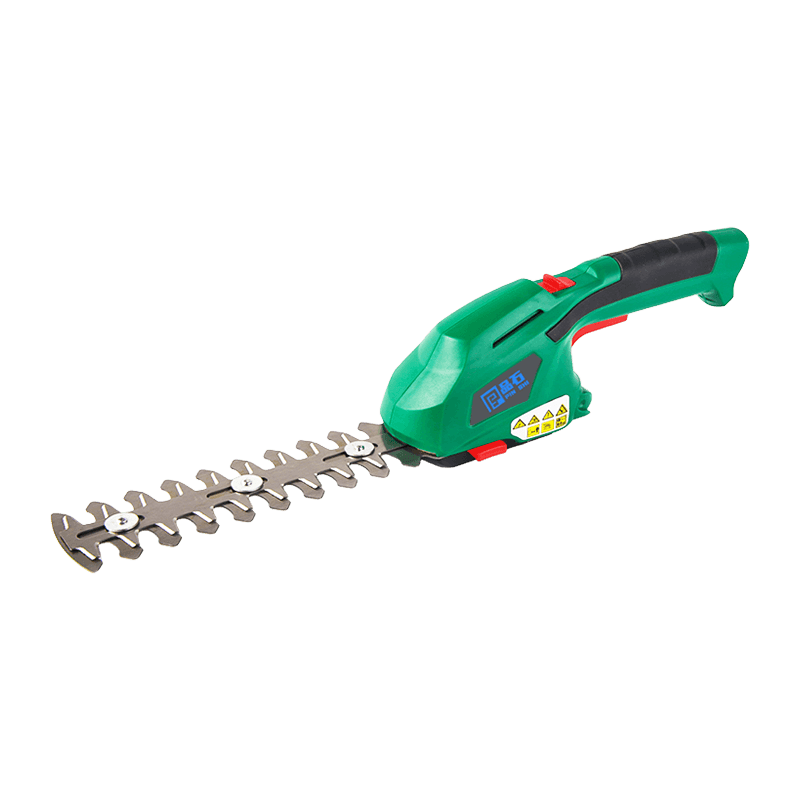
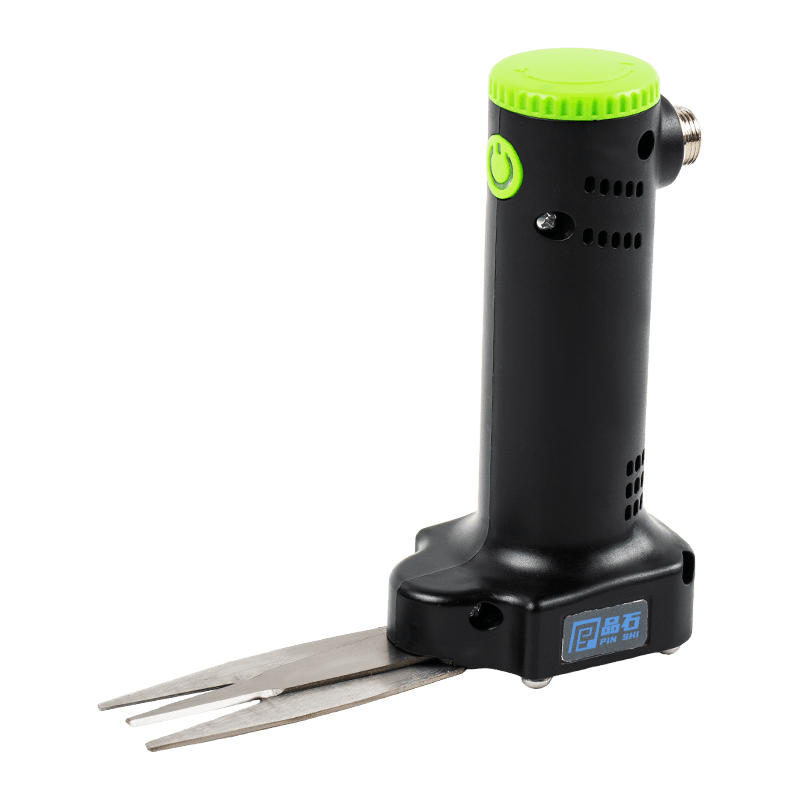
Voltage 3.6V/7.2V (DC) Battery capacity 1.3Ah/1.5Ah Motor type Brush motor Cutting length 160mm (Shrub) No-loading time >60mins (Shrub) Cutting length 80mm (Gr...
See Details -
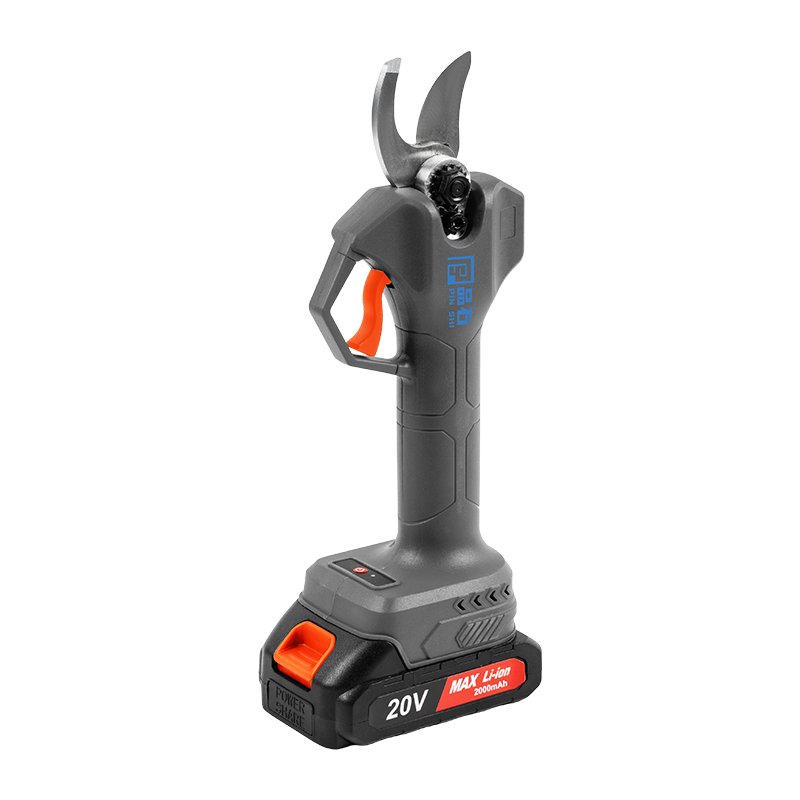
Voltage 20V (DC) Battery capacity 1.5Ah/2.0Ah/3.0Ah Motor type Brushless motor Shear diameter 25mm Charger 21V 0.5A/1.2A/2A Blade material SK5 Time of use 4-5...
See Details -
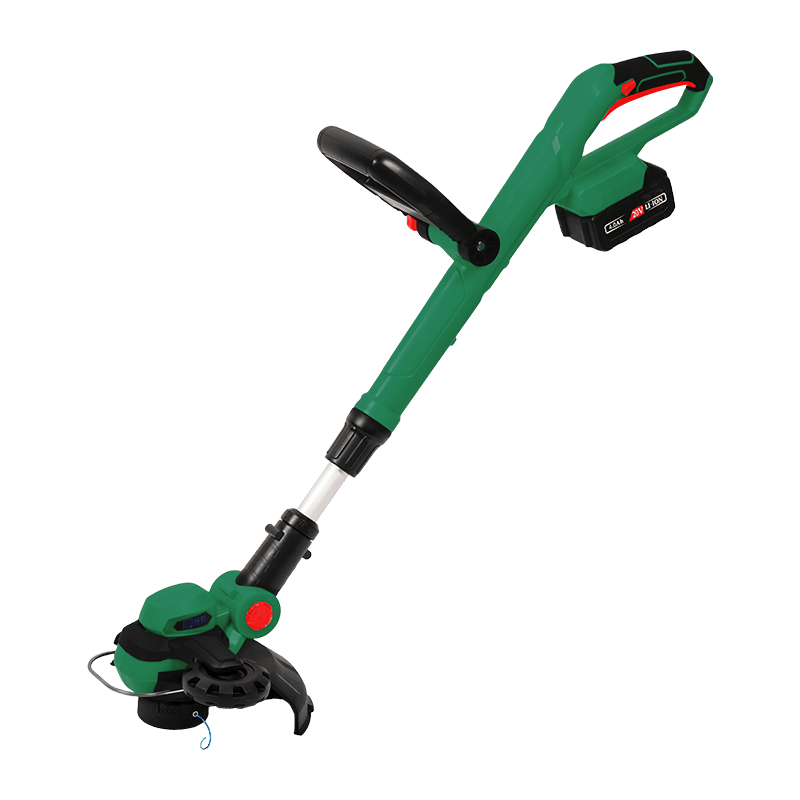
Voltage 20V (DC) Battery capacity 2.0Ah/3.0Ah/4.0Ah Motor type Brush motor No-loading speed 8000rpm Cutting width 250mm Blade type Nylon line Line diameter 1....
See Details -
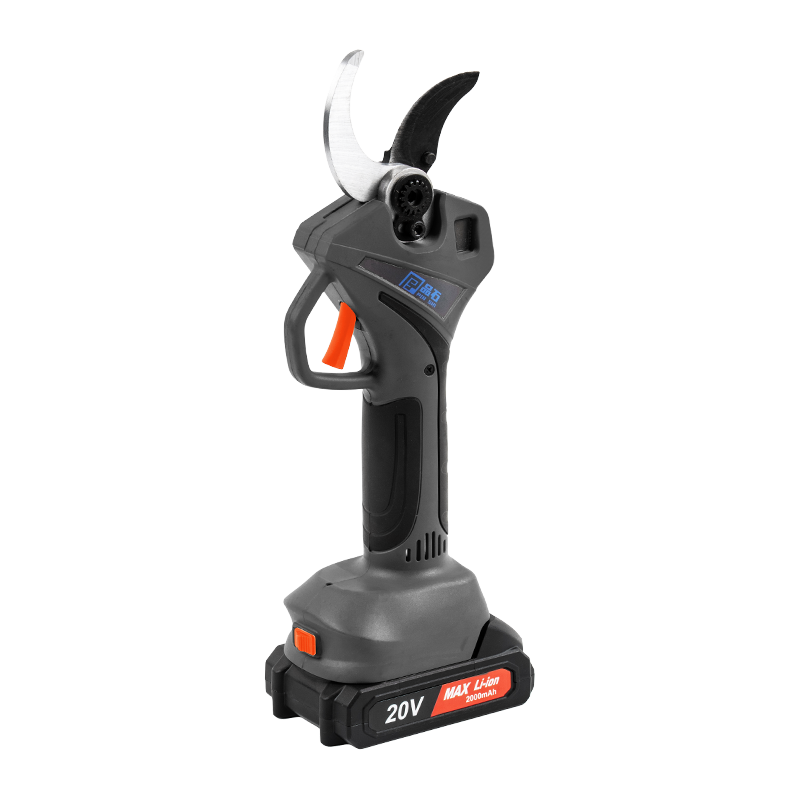
Voltage 20V (DC) Battery capacity 2.0Ah/3.0Ah/4.0Ah Motor type Brushless motor Shear diameter 40mm Charger 21V 0.5A/1.2A/2A Blade material SK5 Time of use 4-5...
See Details -
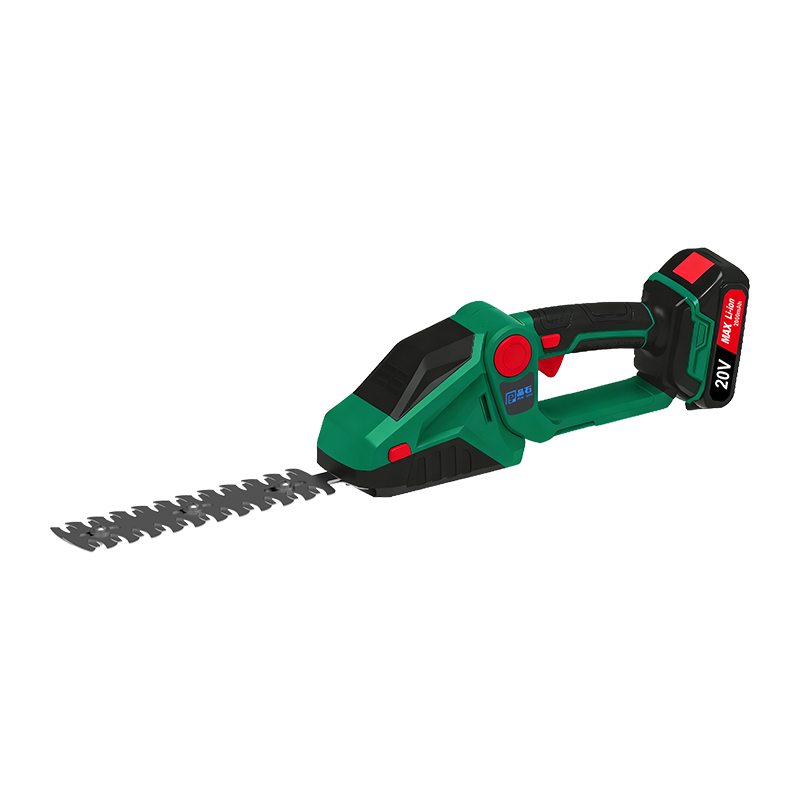
Voltage 20V (DC) Battery capacity 1.5Ah/2.0Ah Motor type Brush motor/Brushless motor Cutting length 200mm (Shrub) Cutting length 130mm (Grass) Max cutting diameter ...
See Details
Related News
-
In the rapidly evolving landscape of construction, automotive repair, and industrial assembly, one tool has consistently stood out as the backbone of ...
READ MORE -
What Exactly Is an Electric Screwdriver Today? The shifting meaning of "electric screwdriver" in modern tool ecosystems The term "electric screwdriver...
READ MORE -
Impact Wrench: Definition and Core Working Principle The Impact Wrench, often referred to in industrial circles as an air gun, air wrench, or electric...
READ MORE
-
LINK
-
product
-
Quick Contact
-
 Building 1, Floor 1, Industrial Zone, Zhongyi Village, Guolin Town, Haishu District, Ningbo City, Zhejiang Province, China
 -
 +86-13906619096
 -
 Michael@chinashimu.com
-
KEEP IN TOUCH
Copyright© Ningbo Pinshi Electromechanical Co., LTD.
