
 English
 русский
 Español
Input Voltage AC 100-240V 50-60Hz Working Voltage 24V (DC) Working Current 2A(max) Motor Type Brushless Motor No Load Speed 500 - 1350rpm Blade Material Stainless S...
See Details-
Electric Woodworking Saw
-
Multifunctional oscillating Saw
-
Power Drill
-
Rotary Hammer Drill
-
Impact Wrench
-
Electric Screwdriver
-
Angle Grinder
-
Handheld Pressure Washer
-
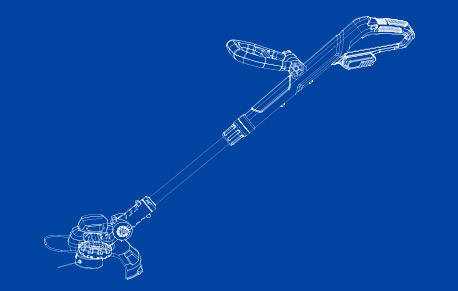
Handheld Lawn Mower
-
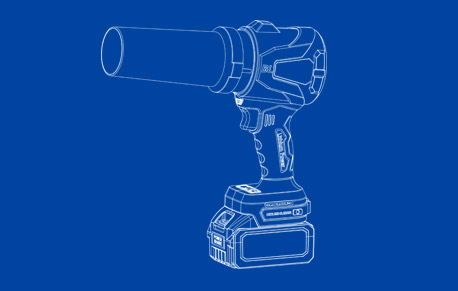
Lithium Turbo Jet Blower
-
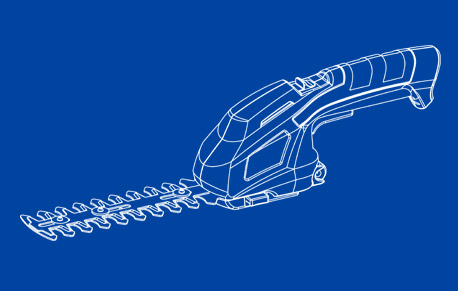
Electric Pruning Shears
-
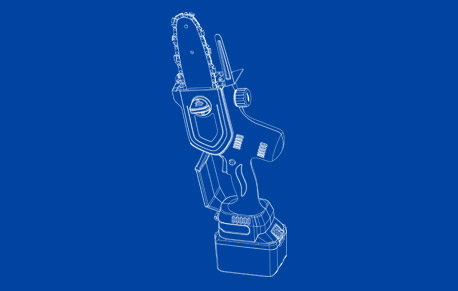
Lithium ChainSaw
-
Handheld Tiller Cultivator
-
Plant Watering Devices
-
Air Pump

Author: Admin Date: 2026-06-22
What are the performance trade-offs between a high-torque Electric Screwdriver and a high-speed Electric Screwdriver?
The core performance trade-off between a high-torque Electric Screwdriver and a high-speed Electric Screwdriver is straightforward: high-torque models prioritize driving force and material penetration, while high-speed models prioritize fastening efficiency and cycle time. Choosing between them depends entirely on whether your priority is structural resistance handling or production speed. In practical terms, torque-focused tools are ideal for dense materials and large fasteners, while speed-focused tools excel in assembly lines and repetitive lightweight tasks.
Core Performance Difference Explained
A high-torque Electric Screwdriver is engineered to deliver maximum rotational force, often exceeding 10–30 N·m in professional-grade tools. In contrast, a high-speed Electric Screwdriver can reach rotational speeds above 1500–2500 RPM, prioritizing fast screw insertion rather than resistance handling.
Torque-focused design characteristics
- Higher gear reduction for increased force output
- Lower rotational speed for controlled driving
- Suitable for dense wood, metal, and industrial fastening
Speed-focused design characteristics
- High RPM motor optimized for rapid fastening
- Lower torque output for lightweight applications
- Best for electronics and repetitive assembly tasks
Torque vs Speed: Engineering Trade-offs
The relationship between torque and speed in a handheld electric screwdriver is governed by motor physics: increasing torque typically reduces maximum RPM due to power distribution limits. This means manufacturers must balance efficiency, heat generation, and durability.
In practical usage, a high-torque model may complete a 50 mm wood screw insertion in 2.5–3.5 seconds, while a high-speed model may complete smaller 20 mm screws in under 1.2 seconds but struggle with dense materials.
- Higher torque reduces stalling risk but increases energy consumption
- Higher speed improves productivity but increases wear under load
- Thermal buildup is more common in speed-optimized systems
Application Scenarios and Real-World Use Cases
The selection between high-torque and high-speed Electric Screwdriver models depends heavily on operational context. For example, industrial construction favors torque-heavy tools, while electronics manufacturing prioritizes speed.
- High-torque applications: decking, furniture assembly, automotive fastening
- High-speed applications: PCB assembly, appliance manufacturing, light-duty assembly lines
- Hybrid needs: mixed production environments requiring both speed and force
A rechargeable electric screwdriver is often preferred in mobile job sites, while a corded system may be used in continuous production environments where uptime is critical.
Battery, Motor, and Efficiency Considerations
Modern handheld electric screwdriver systems rely on lithium-ion battery packs that typically range from 12V to 20V. High-torque systems drain batteries faster due to resistance load, while high-speed systems optimize energy efficiency through shorter engagement cycles.
Efficiency comparison factors
- Battery life decreases 15–25% faster in high-torque operation
- High-speed tools reduce per-task energy consumption
- Brushless motors improve both torque and speed efficiency balance
A rechargeable electric screwdriver with smart power management can dynamically adjust output, partially bridging the gap between torque and speed performance.
Ergonomics and User Fatigue
Ergonomics play a major role in long-term productivity. High-torque Electric Screwdriver tools often generate more vibration under load, while high-speed models may require less sustained grip pressure due to shorter operation cycles.
- High-torque tools may weigh 10–20% more due to reinforced gearing
- High-speed tools reduce wrist strain in repetitive tasks
- Inline handheld electric screwdriver designs improve precision but reduce leverage
Decision Table for Selecting the Right Tool
| Factor | High-Torque Electric Screwdriver | High-Speed Electric Screwdriver |
|---|---|---|
| Primary Strength | Force & penetration | Speed & efficiency |
| Best Use | Heavy-duty assembly | Light repetitive work |
| Battery Impact | Higher consumption | Lower consumption |
| User Fatigue | Moderate to high | Low to moderate |
Optimization Tips for Hybrid Usage
In modern production environments, many professionals combine both torque and speed capabilities using adaptive workflows. A rechargeable electric screwdriver with adjustable settings can reduce the need for multiple tools.
- Use high-speed mode for initial fastening and high-torque for final tightening
- Switch torque settings based on material density
- Maintain tool calibration to ensure consistent output
The best-performing Electric Screwdriver is the one that aligns precisely with workload type, material resistance, and production speed requirements.

-
Feedback
Related Products
-
-
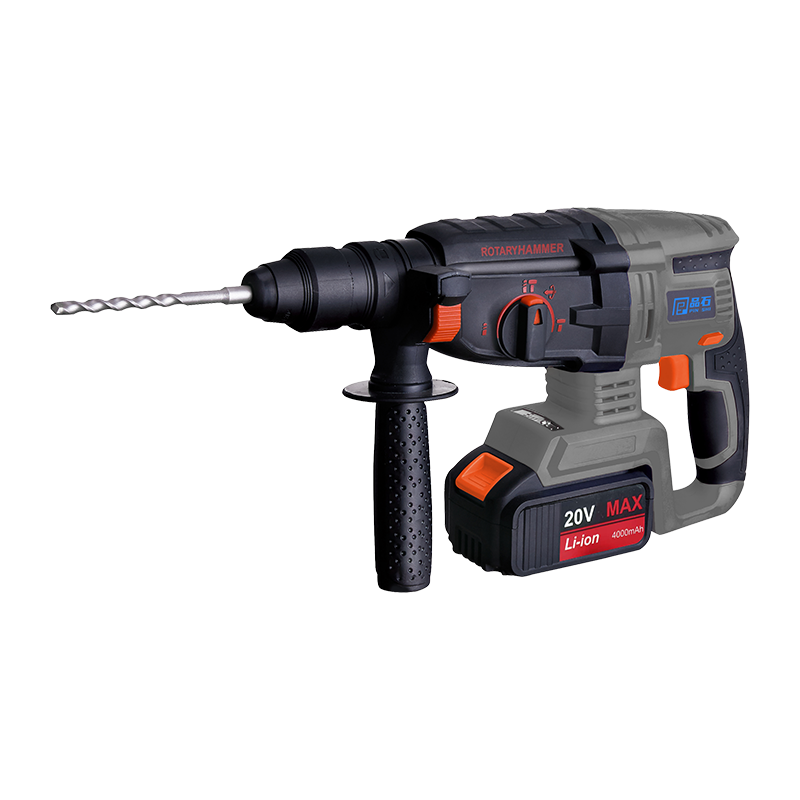
Voltage 20V(DC) Battery capacity 3.0Ah/4.0Ah Motor type Brushless motor Modes 3 Impact energy 3.0J No-loading speed 0-1000rpm Impact rate 0-4500bpm Chuck...
See Details -
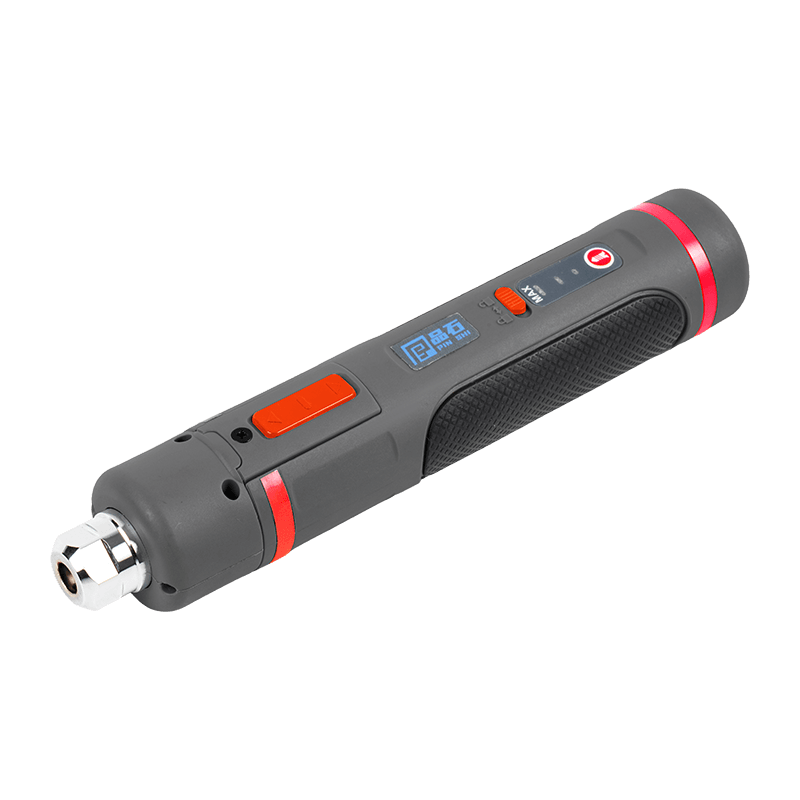
Voltage 4V (DC) Battery capacity 1.5Ah/2.0Ah Motor type Brush motor No–loading speed 320rpm Torque setting 3 Max. Torque 5N.m(Electric power) 8N.m(Manual labor) ...
See Details -
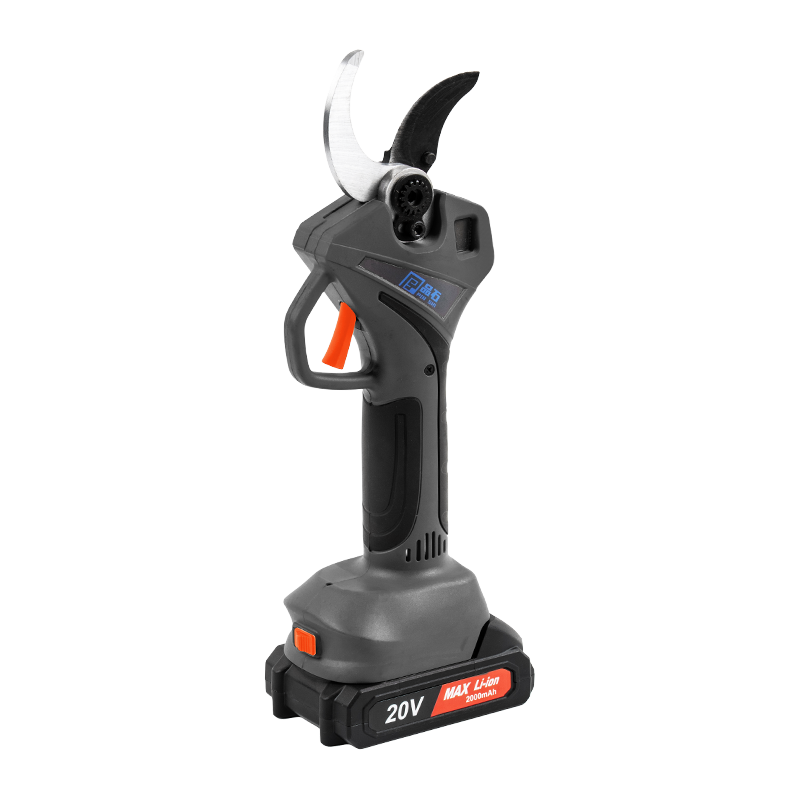
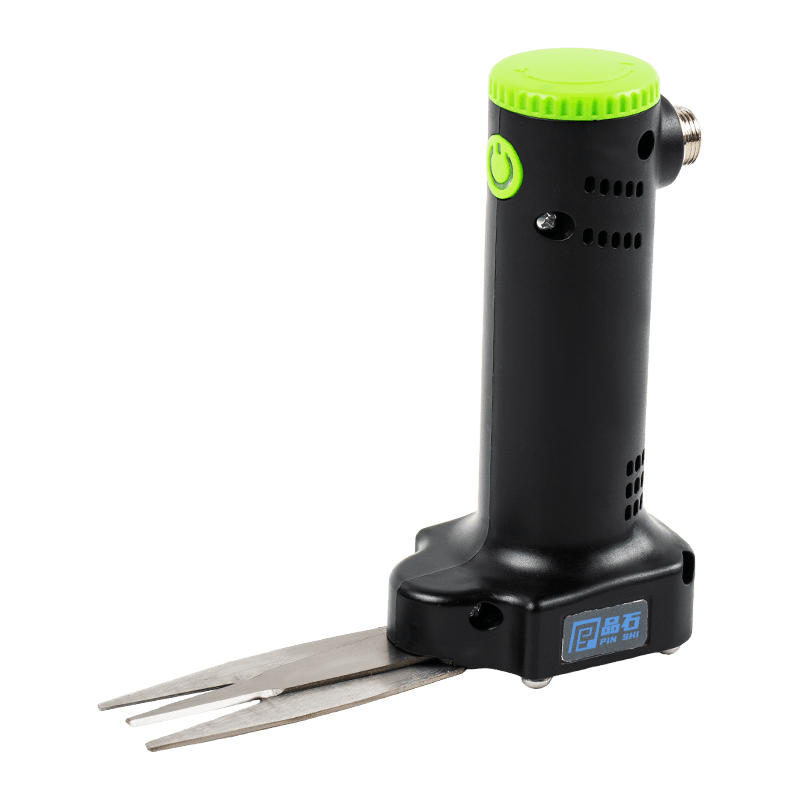
Voltage 20V (DC) Battery capacity 2.0Ah/3.0Ah/4.0Ah Motor type Brushless motor Shear diameter 40mm Charger 21V 0.5A/1.2A/2A Blade material SK5 Time of use 4-5...
See Details -
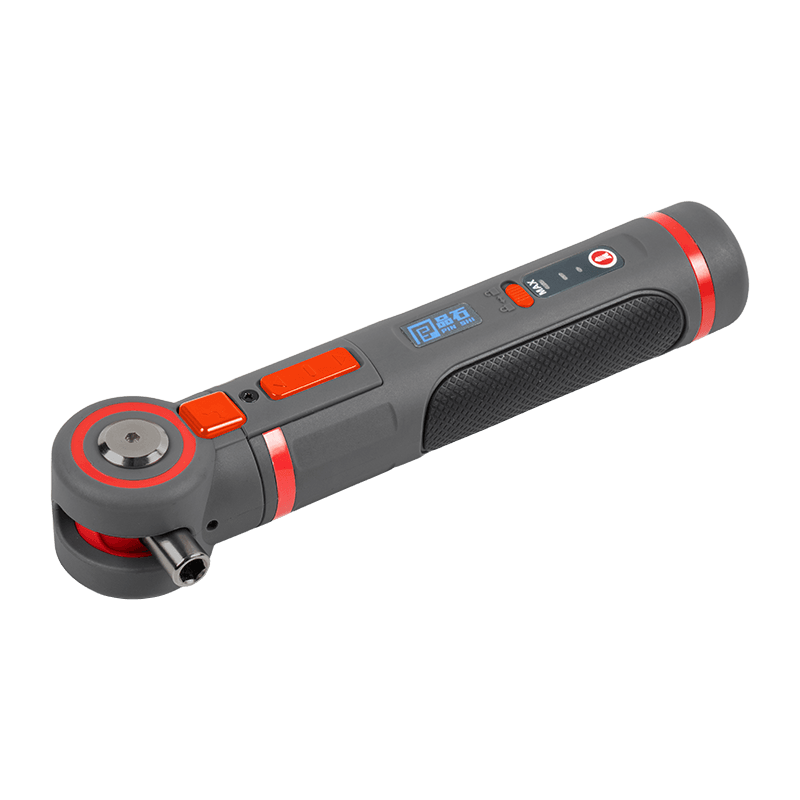
Voltage 4V (DC) Battery capacity 1.5Ah/2.0Ah Motor type Brush motor No–loading speed 320rpm Torque setting 3 Angle adjustment 0°,45,90° Max. Torque 5N.m(Elect...
See Details -
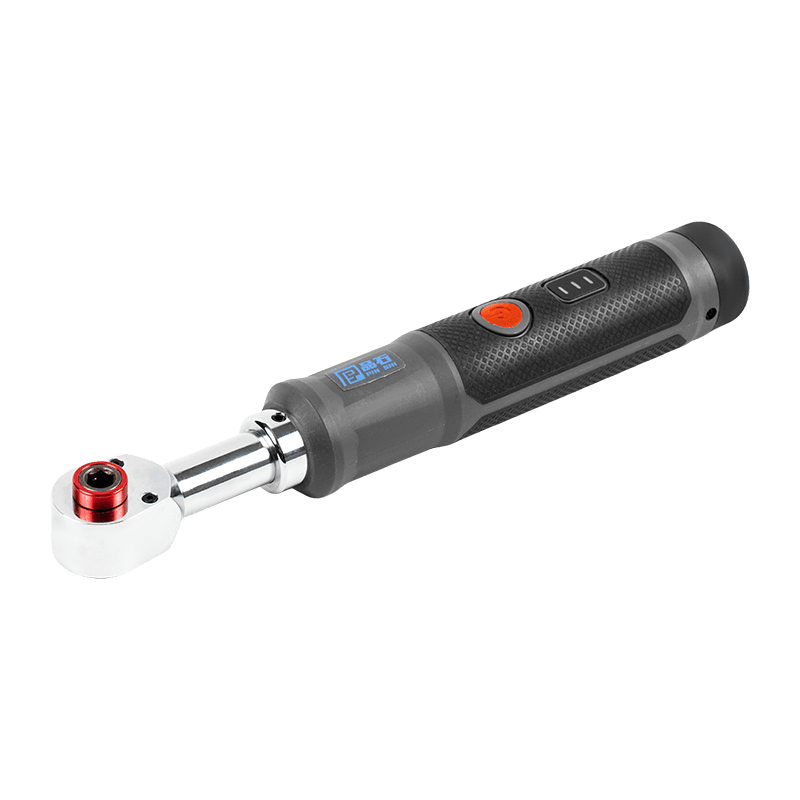
Voltage 4V (DC) Battery capacity 1.5Ah/2.0Ah Motor type Brush motor No–loading speed 380rpm Collet 1/4"Hex(6.35mm) Square drive size 1/4"(6.35mm),3/8"(9.5mm) Ma...
See Details
Related News
-
In the rapidly evolving landscape of construction, automotive repair, and industrial assembly, one tool has consistently stood out as the backbone of ...
READ MORE -
What Exactly Is an Electric Screwdriver Today? The shifting meaning of "electric screwdriver" in modern tool ecosystems The term "electric screwdriver...
READ MORE -
Impact Wrench: Definition and Core Working Principle The Impact Wrench, often referred to in industrial circles as an air gun, air wrench, or electric...
READ MORE
-
LINK
-
product
-
Quick Contact
-
 Building 1, Floor 1, Industrial Zone, Zhongyi Village, Guolin Town, Haishu District, Ningbo City, Zhejiang Province, China
 -
 +86-13906619096
 -
 Michael@chinashimu.com
-
KEEP IN TOUCH
Copyright© Ningbo Pinshi Electromechanical Co., LTD.
