
 English
 русский
 Español
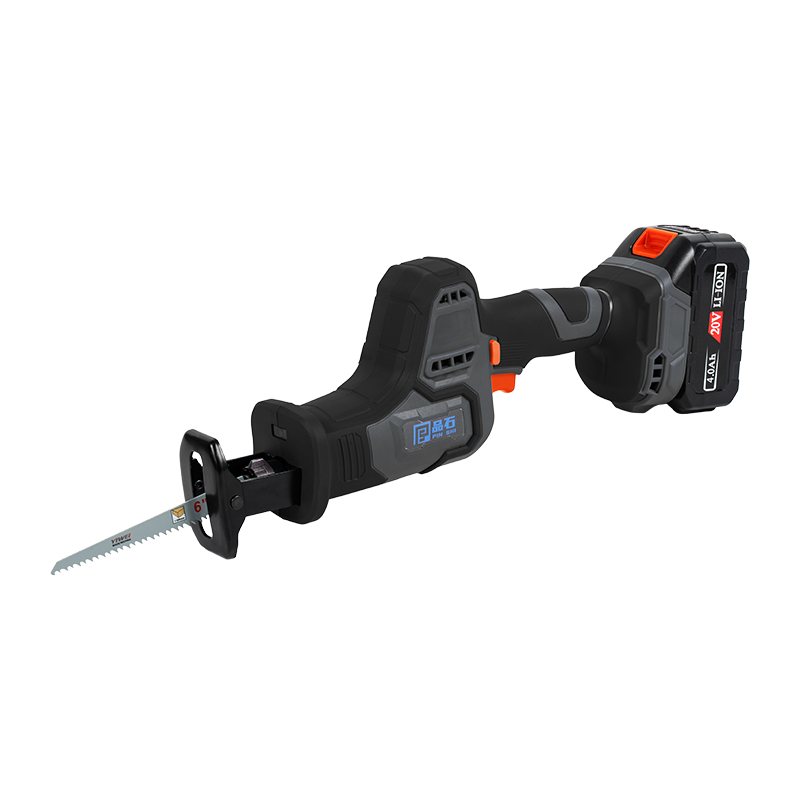
Voltage 20V (DC) Battery capacity 2.0Ah/3.0Ah Motor type Brushless motor No-loading strokes per minute 0-2600spm Reciprocating stroke 22mm Max cutting capacity ...
See Details-
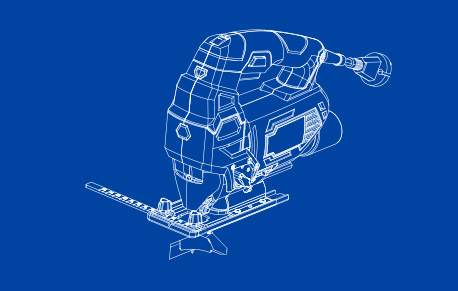
Electric Woodworking Saw
-
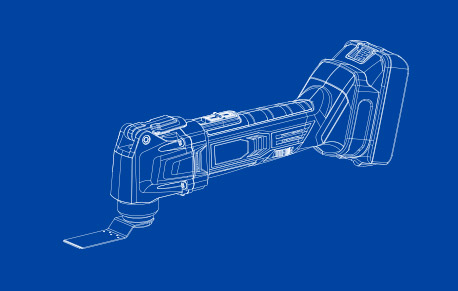
Multifunctional oscillating Saw
-
Power Drill
-
Rotary Hammer Drill
-
Impact Wrench
-
Electric Screwdriver
-
Angle Grinder

-
Handheld Pressure Washer
-
Handheld Lawn Mower
-
Lithium Turbo Jet Blower

-
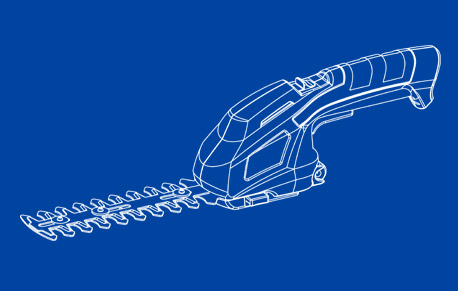
Electric Pruning Shears
-
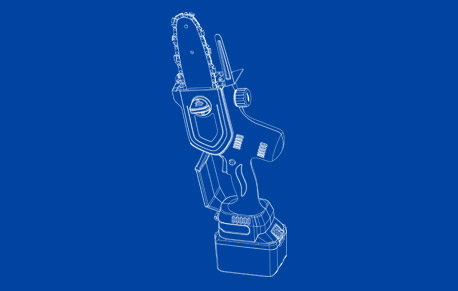
Lithium ChainSaw
-
Handheld Tiller Cultivator

-
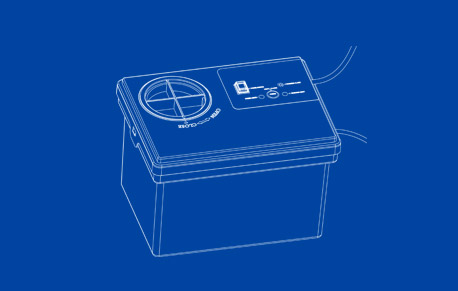
Plant Watering Devices
-
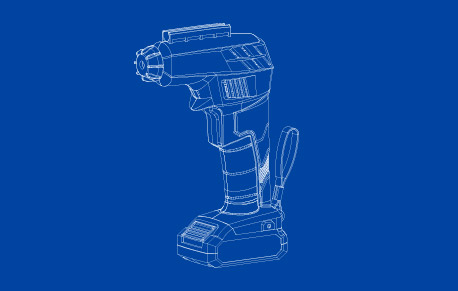
Air Pump

Author: Admin Date: 2026-07-03
What makes a Multifunctional Oscillating Saw more versatile than a rotary tool for detail work?
The Multifunctional Oscillating Saw is more versatile than a rotary tool for detail work because its oscillating motion delivers controlled, flat-plane cuts and scrapes without the spinning torque, kickback risk, or bit-walking that rotary tools produce. As a vibrating saw tool, it makes flush trimming, plunge cutting, scraping, and sanding in confined spaces far easier to control than a fast-spinning rotary bit, and a battery powered oscillating saw adds the freedom to move between detail tasks without being tethered to a cord.
Understanding the Core Mechanical Difference
The fundamental distinction between a Multifunctional Oscillating Saw and a rotary tool lies in how the accessory moves. A rotary tool spins its bit continuously at speeds often exceeding 10,000 to 35,000 RPM, generating centrifugal force that can cause the tool to skate across a surface if not held with a steady, practiced hand. An oscillating tool, by contrast, moves its attachment back and forth in a narrow arc, typically between 1.5 and 4 degrees, at a much lower oscillation rate of around 10,000 to 21,000 oscillations per minute.
This side-to-side motion is what defines a vibrating saw tool: the tool head stays largely stationary relative to the work surface, giving the operator far greater control when working near edges, corners, or adjoining materials. For detail-oriented tasks like trimming door casings flush to flooring or cutting out a section of drywall next to an outlet box, this stability translates directly into cleaner results and fewer mistakes.
Why Flat-Plane Motion Wins in Tight Spaces
Detail work often happens where two surfaces meet, and this is where the Multifunctional Oscillating Saw shows its biggest advantage. Because the blade or attachment oscillates in a flat plane rather than spinning, it can be laid nearly flush against an adjacent surface without gouging or scorching it.
Common Detail Applications
- Flush-cutting protruding nails, screws, or dowels without marring the surrounding wood
- Trimming door jambs so new flooring can slide underneath cleanly
- Scraping old adhesive, caulk, or paint from corners and edges
- Cutting precise plunge openings for electrical boxes or vents
- Sanding tight interior corners with triangular sanding pads
A rotary tool can technically perform some of these tasks with the right bit, but the round profile of its cutting head makes it far harder to reach directly into a 90-degree corner or lay flat against a baseboard without lifting the spinning bit away from the surface.
Comparing Control, Precision, and Safety
Detail work depends on predictable, repeatable control. The table below compares the two tools across the factors that matter most when working close to finished surfaces.
| Factor | Multifunctional Oscillating Saw | Rotary Tool |
|---|---|---|
| Motion type | Oscillating, flat-plane arc | Continuous rotation |
| Kickback risk | Low | Moderate to high |
| Flush-surface cutting | Excellent | Poor |
| Corner access | Strong, with triangular pads | Limited by round bit shape |
| Material versatility | Wood, metal, drywall, grout, adhesive | Best for fine engraving and grinding |
| Heat buildup on material | Lower | Higher due to friction |
The lower oscillation arc also reduces the chance of a bit or blade suddenly grabbing the material and jerking off course, which is a common concern with high-speed rotary bits, particularly when working one-handed near a finished edge.
Attachment Variety Expands the Range of Detail Tasks
One of the strongest arguments for a Multifunctional Oscillating Saw is the breadth of interchangeable attachments available for a single tool body. Rather than switching between multiple dedicated hand tools, a user can swap heads in seconds to move between cutting, scraping, and sanding tasks.
Typical Attachment Types
- Straight and segmented blades for wood and plastic cuts
- Bi-metal blades for cutting through embedded nails or screws
- Rigid and flexible scraper blades for adhesive and caulk removal
- Triangular sanding pads with hook-and-loop paper for corner sanding
- Grout removal blades for tile joint work
This modularity means a single oscillating multi-tool can replace a hand scraper, a corner sander, a small handsaw, and a grout removal tool. A rotary tool also accepts different bits, but most are oriented toward grinding, engraving, polishing, and drilling rather than the flat-surface cutting and scraping that detail carpentry and renovation work demand.
Handling Mixed Materials Without Switching Tools
Detail work rarely involves a single material. A trim carpenter might need to cut through wood, then a hidden nail, then a thin strip of metal flashing, all within the same joint. A Multifunctional Oscillating Saw handles this kind of mixed-material cutting well because bi-metal blades are designed to pass through both wood and embedded fasteners without shattering.
Rotary tools can also cut varied materials, but typically require a full bit change and a speed adjustment between materials, which slows down detail-focused work where the user is making dozens of small adjustments across a single job. As a vibrating saw tool, the oscillating unit's blade geometry is more forgiving of these transitions, since the cutting action relies on the tooth pattern of the blade rather than sheer rotational speed against the material.
Dust and Debris Control During Detail Cutting
Fine detail work is often performed indoors, close to finished surfaces, which makes dust management a practical concern. Because an oscillating tool's cutting action is contained to a narrow arc rather than flinging debris outward the way a spinning rotary bit does, less material is scattered across nearby surfaces during use.
This matters most during tasks like sanding baseboards before painting or trimming laminate flooring, where a wide debris spread means more cleanup time and a higher chance of scratching adjacent finished surfaces with flung particles.
Cordless Freedom for Detail-Oriented Jobs
Many detail tasks happen in awkward locations: behind furniture, up on a ladder, or in a room where an extension cord becomes a tripping hazard. A battery powered oscillating saw removes that constraint entirely, letting the user move freely between corners, closets, and stairwells without hunting for an outlet or managing a trailing cord near a finished floor.
Modern lithium-ion battery packs also deliver consistent power output through most of their discharge cycle, so a battery powered oscillating saw typically maintains a steady oscillation rate even as the charge drops, which keeps cut quality predictable throughout a job rather than tapering off toward the end of a session. For users who already own a battery platform, sharing packs across a Multifunctional Oscillating Saw and other cordless tools also reduces the overall cost and clutter of maintaining separate chargers.
Ergonomics for Extended Detail Sessions
Detail projects often require sustained, low-force precision rather than short bursts of aggressive material removal. The lower vibration profile of an oscillating tool, combined with its typically balanced, in-line grip design, reduces hand fatigue during long sessions such as sanding an entire room's worth of trim or scraping years of caulk from a tile installation.
Rotary tools, while lightweight, often require a pen-style grip that can strain fingers during extended use, and their higher-pitched motor noise and vibration at high RPM can be more fatiguing over a full workday compared to the steadier feel of a well-balanced vibrating saw tool.
When a Rotary Tool Still Makes Sense
A Multifunctional Oscillating Saw is not a universal replacement. Rotary tools remain the better choice for fine engraving, polishing metal or stone, drilling very small holes, and detailed carving work where high-speed material removal in a small point of contact is the goal. For hobbyists working on jewelry, model-making, or intricate wood carving, a rotary tool's speed and bit variety are hard to match.
The distinction comes down to the type of detail work being performed: flat-plane, edge-adjacent, and mixed-material tasks favor the oscillating tool, while point-contact shaping and engraving favor the rotary tool.
Practical Takeaway for Choosing Between the Two
For renovation, trim carpentry, flooring installation, and general home repair detail work, the Multifunctional Oscillating Saw offers more practical versatility because its attachments are built around the flat, edge-oriented cutting and scraping tasks that dominate this kind of work. Its control, lower kickback risk, and reduced debris scatter make it the more dependable choice when precision near a finished surface matters more than raw cutting speed.
Users who regularly move between cutting, sanding, and scraping tasks within the same project will generally find that a battery powered oscillating saw reduces both tool-switching time and the risk of surface damage, making this versatile vibrating saw tool the stronger everyday option for detail-focused work.

-
Feedback
Related Products
-
-
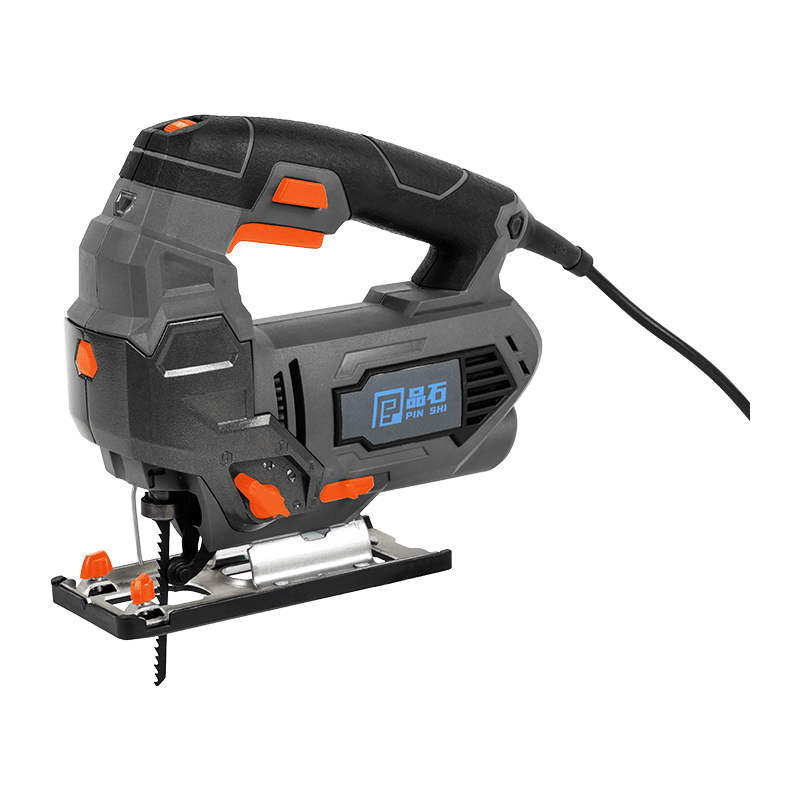
Input Voltage(V) 230V/120V Mains Frequency (Hz) 50Hz/60Hz Input Power(W) 800W No-Load Speed 0-3000/min Cutting Capacity Wood: 100mm;Steel: 10mm Plate Bevel Angle 0-...
See Details -
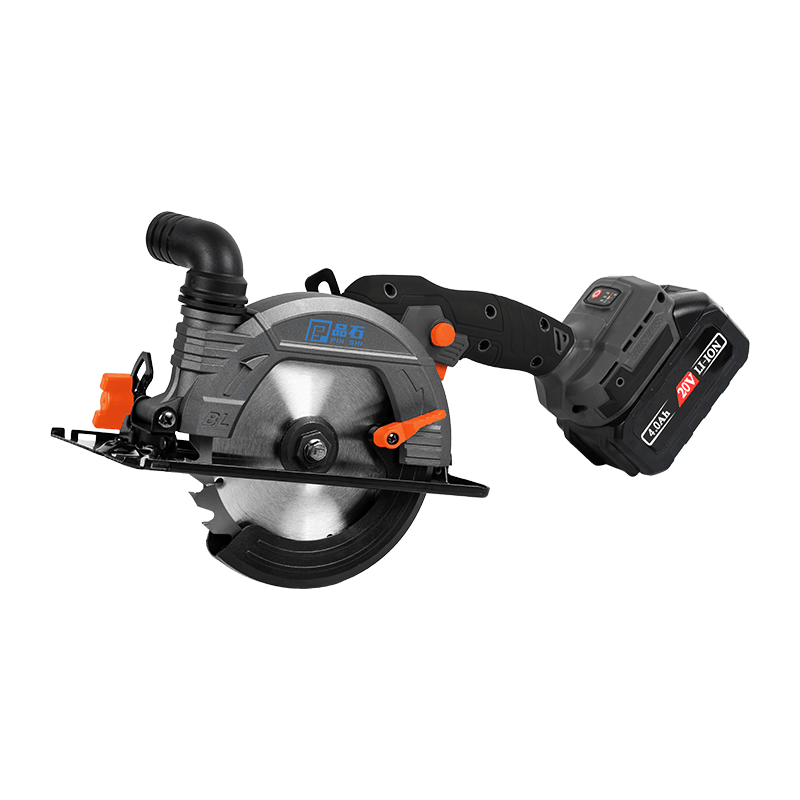
Voltage 20V (DC) Battery capacity 3.0Ah/4.0Ah Motor type Brushless motor No-loading speed 4800rpm Cutting depth 45°-40mm /90°-55mm Blade diameter 150mm Blade mo...
See Details -
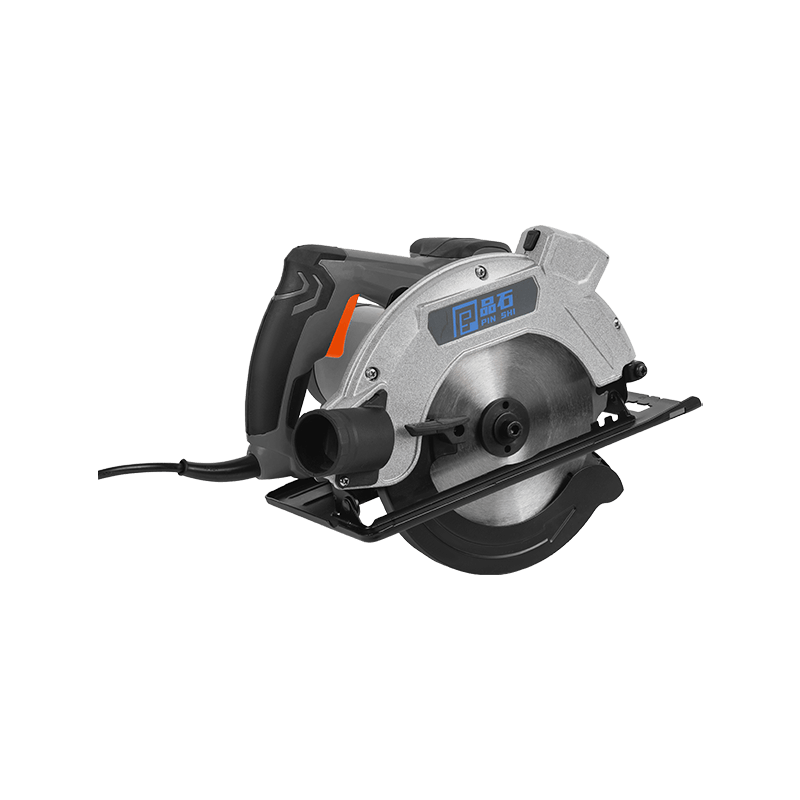
Input voltage(V) 230V/120V Mains frequency (Hz) 50Hz/60Hz Input power(W) 1200W No-loading speed 4800rpm Cutting depth 45°-43mm /90°-65mm Blade diameter 185mm ...
See Details -
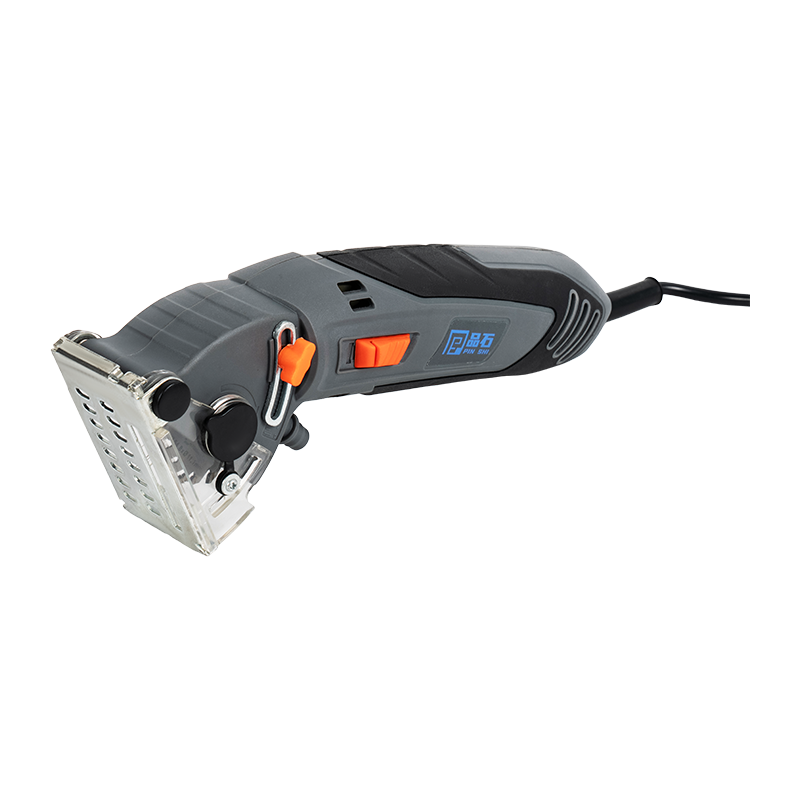
Input voltage(V) 230V/120V Mains frequency (Hz) 50Hz/60Hz Input power(W) 400W No-loading speed 3700rpm Cutting depth 0-12mm Blade diameter 54.8 mm Blade m...
See Details -
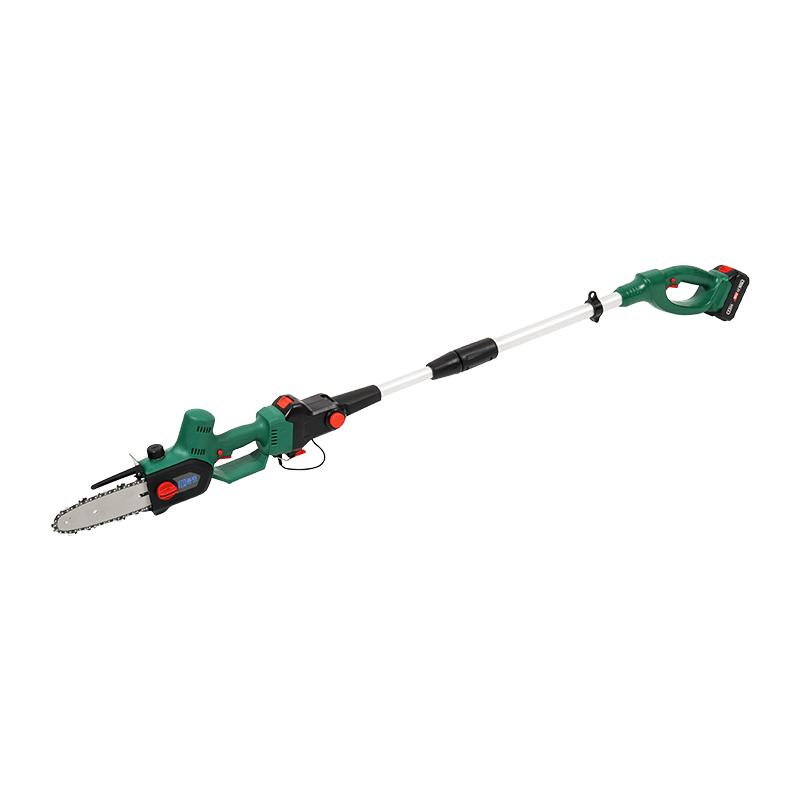
Constant speed Voltage 20V (DC) Battery capacity 4.0Ah/6.0Ah Motor type Brushless motor No-loading time >40mins Velocity 6.8m/s Chain type / Pitch / Gage 91V...
See Details
Related News
-
In the rapidly evolving landscape of construction, automotive repair, and industrial assembly, one tool has consistently stood out as the backbone of ...
READ MORE -
What Exactly Is an Electric Screwdriver Today? The shifting meaning of "electric screwdriver" in modern tool ecosystems The term "electric screwdriver...
READ MORE -
Impact Wrench: Definition and Core Working Principle The Impact Wrench, often referred to in industrial circles as an air gun, air wrench, or electric...
READ MORE
-
LINK
-
product
-
Quick Contact
-
 Building 1, Floor 1, Industrial Zone, Zhongyi Village, Guolin Town, Haishu District, Ningbo City, Zhejiang Province, China
 -
 +86-13906619096
 -
 Michael@chinashimu.com
-
KEEP IN TOUCH
Copyright© Ningbo Pinshi Electromechanical Co., LTD.
