
 English
 русский
 Español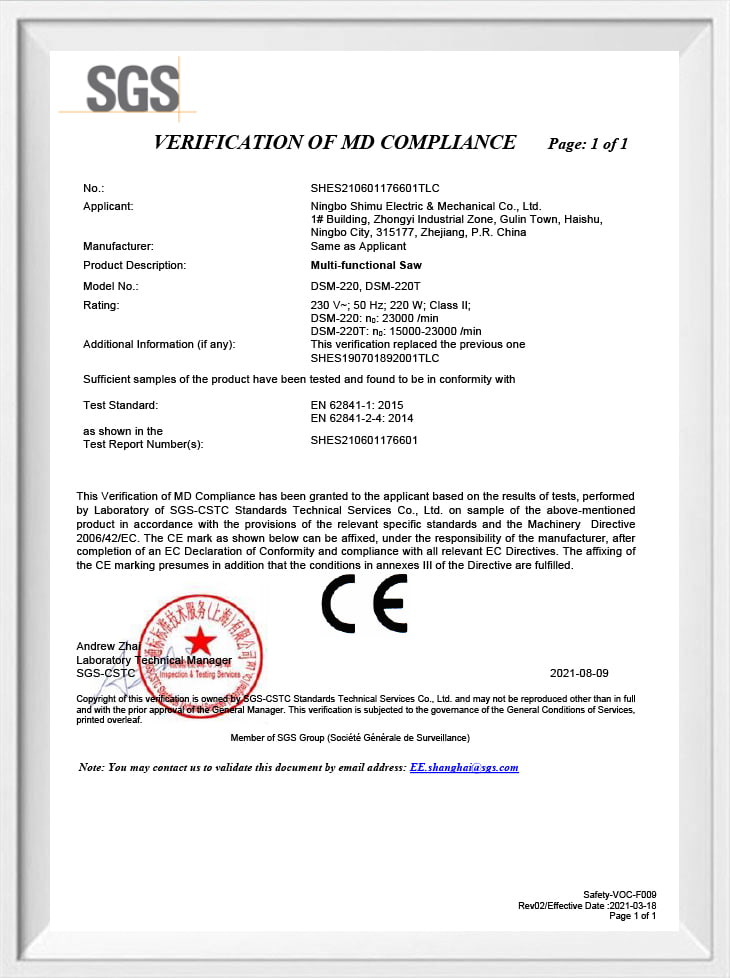
Electric Pruning Shears perform best within their rated cutting diameter range (typically 20mm–40mm), maintaining clean, efficient cuts on small to medium branches, while performance gradually declines as branch diameter approaches the tool’s maximum capacity. This applies equal...
READ MORE-
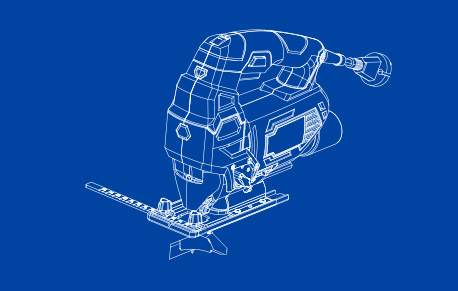
Electric Woodworking Saw
-
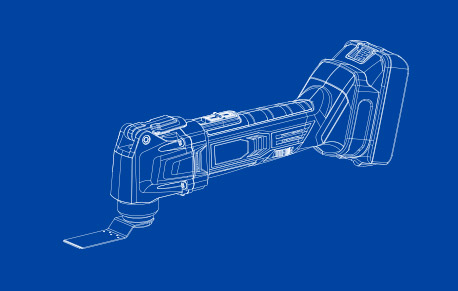
Multifunctional oscillating Saw
-
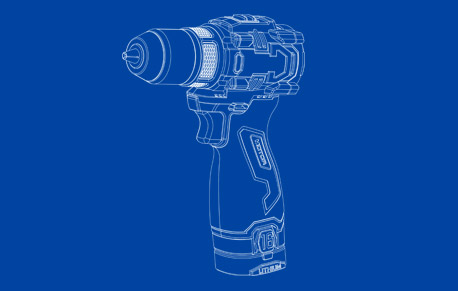
Power Drill
-
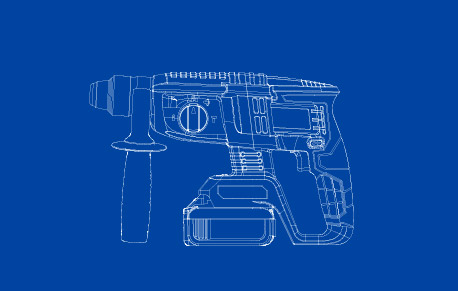
Rotary Hammer Drill
-
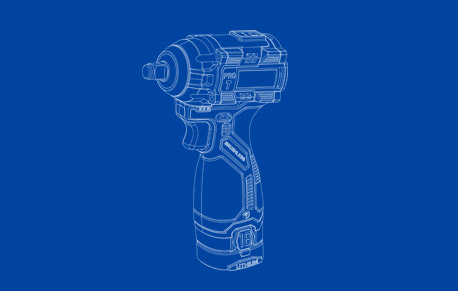
Impact Wrench
-
Electric Screwdriver
-
Angle Grinder
-
Handheld Pressure Washer
-
Handheld Lawn Mower
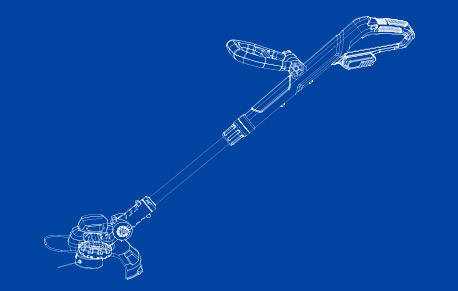
-
Lithium Turbo Jet Blower
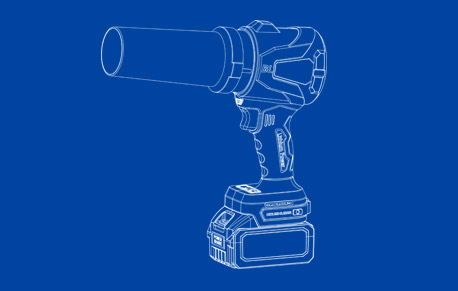
-
Electric Pruning Shears
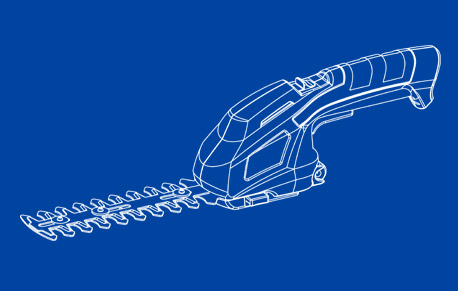
-
Lithium ChainSaw
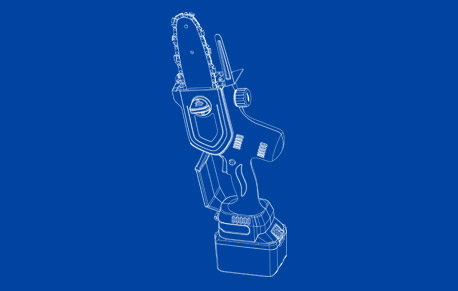
-
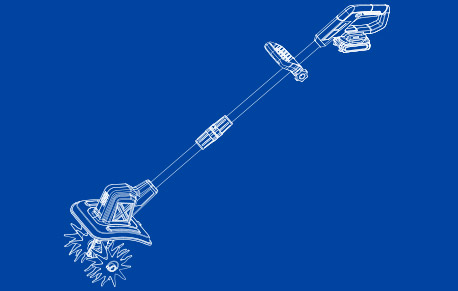
Handheld Tiller Cultivator
-
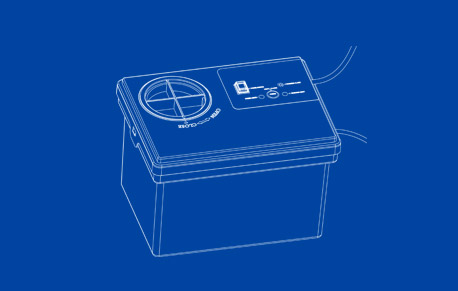
Plant Watering Devices
-
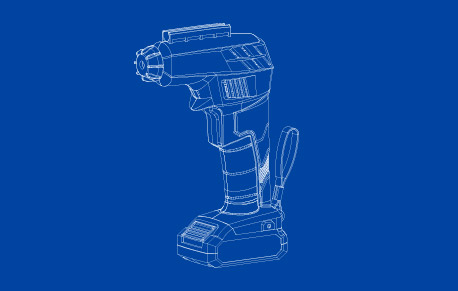
Air Pump

CATEGORIES
- Electric Woodworking Saw
- Multifunctional oscillating Saw
- Power Drill
- Rotary Hammer Drill
- Impact Wrench
- Electric Screwdriver
- Angle Grinder
- Handheld Pressure Washer
- Handheld Lawn Mower
- Lithium Turbo Jet Blower
- Electric Pruning Shears
- Lithium ChainSaw
- Handheld Tiller Cultivator
- Plant Watering Devices
- Air Pump
Electric Screwdriver Manufacturers
-
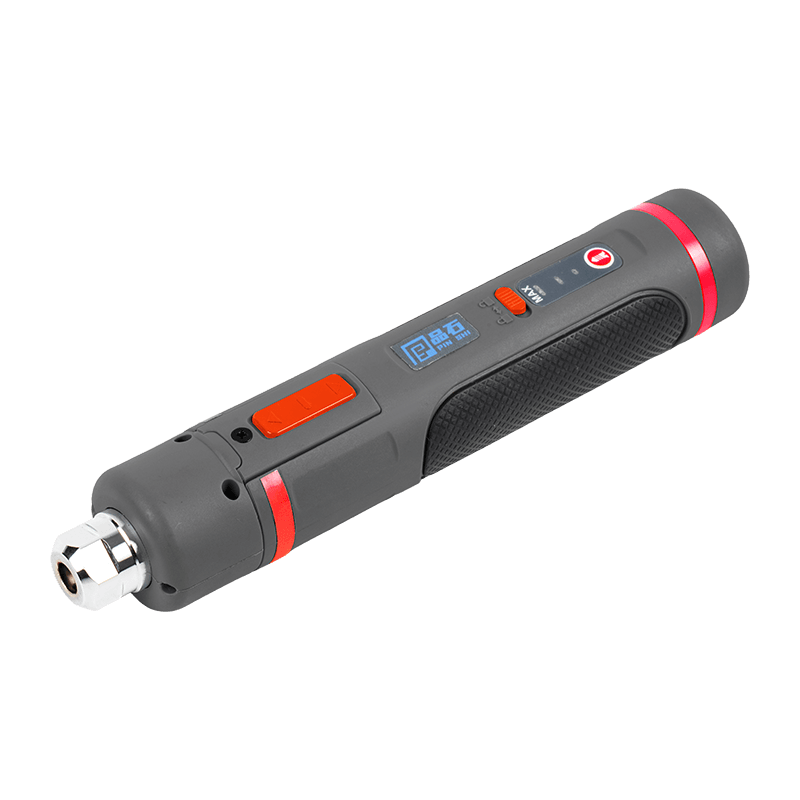
4V Multi-Function Electric Screwdriver
-
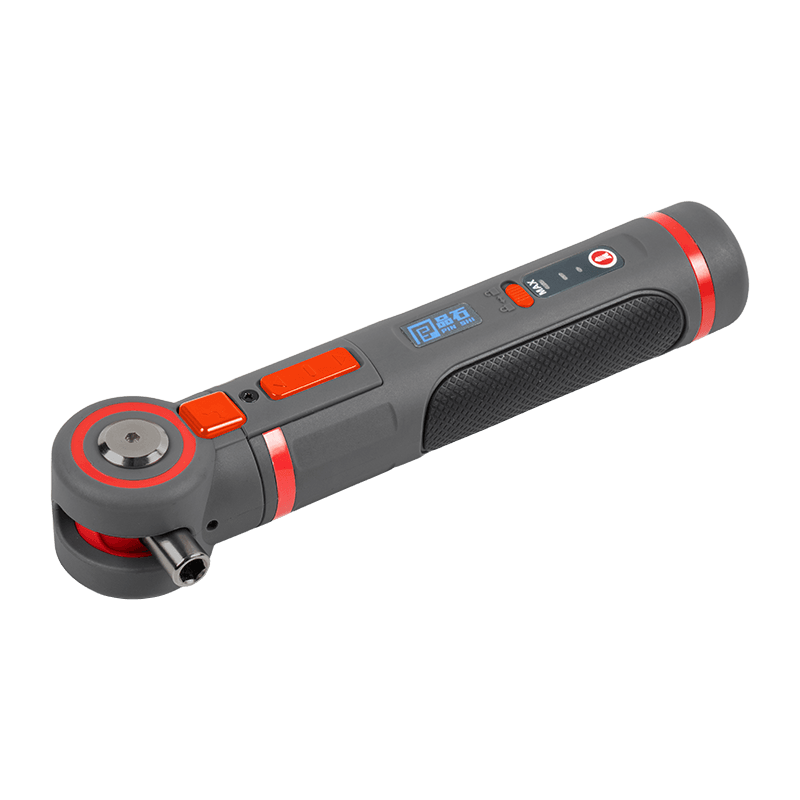
4V Multi-Angle Electric Screwdriver
-
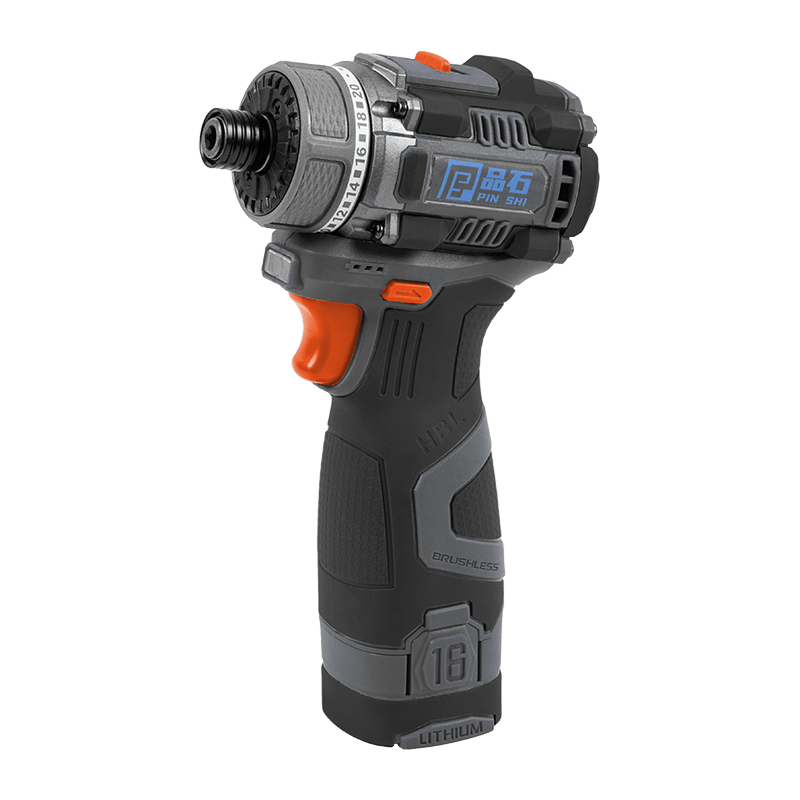
16V Cordless Drive Starter
-
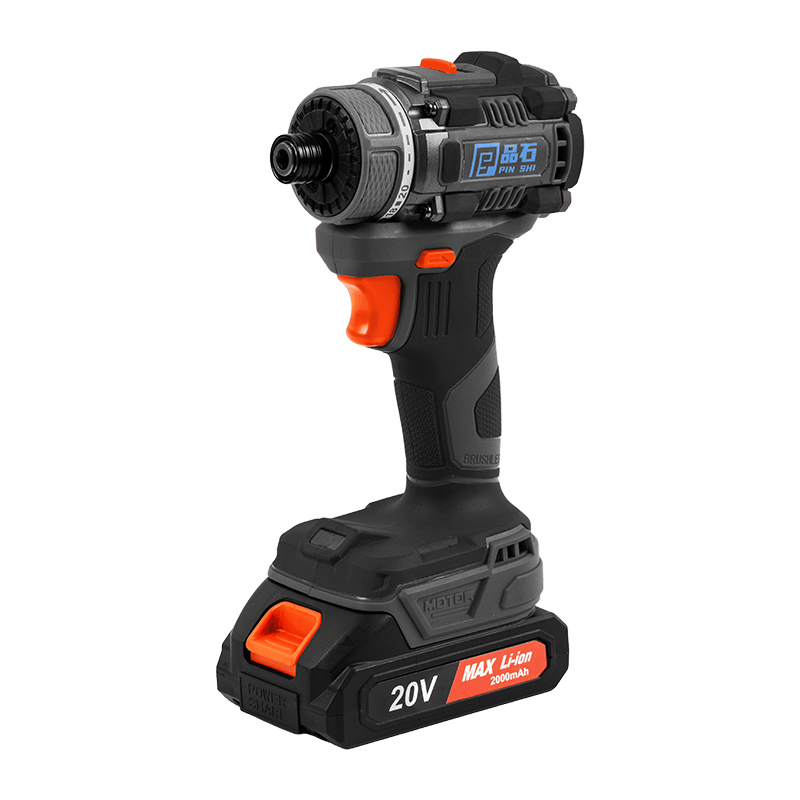
20V Li-ion Drive Starter
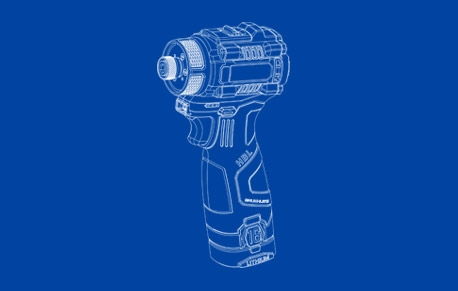
Electric screwdriver is a modern tool powered by electricity, designed for tightening and loosening screws. It is widely used in household DIY, renovation and maintenance, appliance repair, and large-scale industrial assembly for screw fastening. Compared to traditional manual screwdrivers and early power tools, the electric screwdriver integrates features such as variable speed control, forward and reverse rotation, multi-level torque adjustment, and a quick-release chuck, significantly improving work efficiency and quality. Moreover, it enables repeatable fastening operations through precise control. Its compact and lightweight design greatly reduces operator fatigue and the risk of repetitive strain injuries. Equipped with an LED light, it ensures well-illuminated work areas for greater precision. Powered by lithium batteries and brushless motors, it offers a longer lifespan, higher efficiency, lower noise, and stronger performance.
About Us
Ningbo Pinshi Electromechanical Co., LTD.
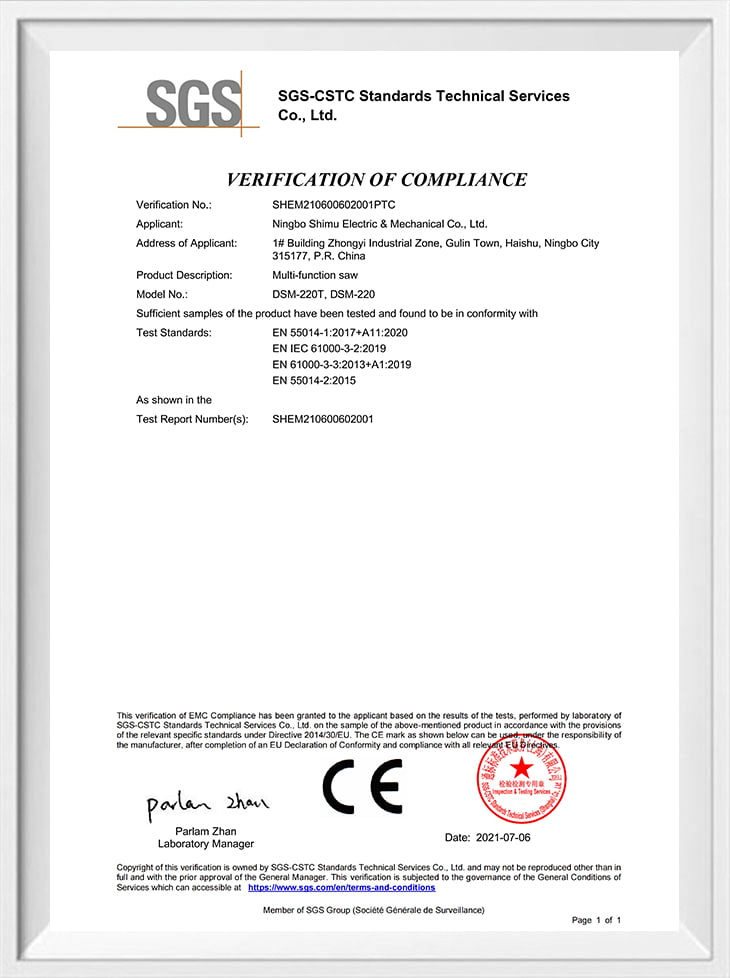
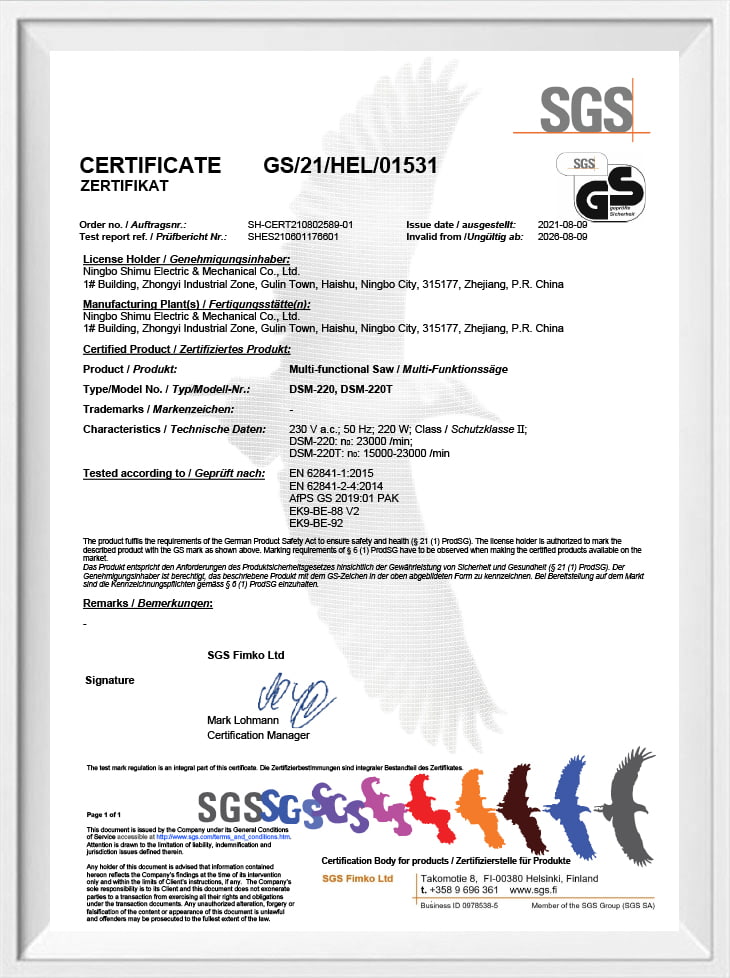
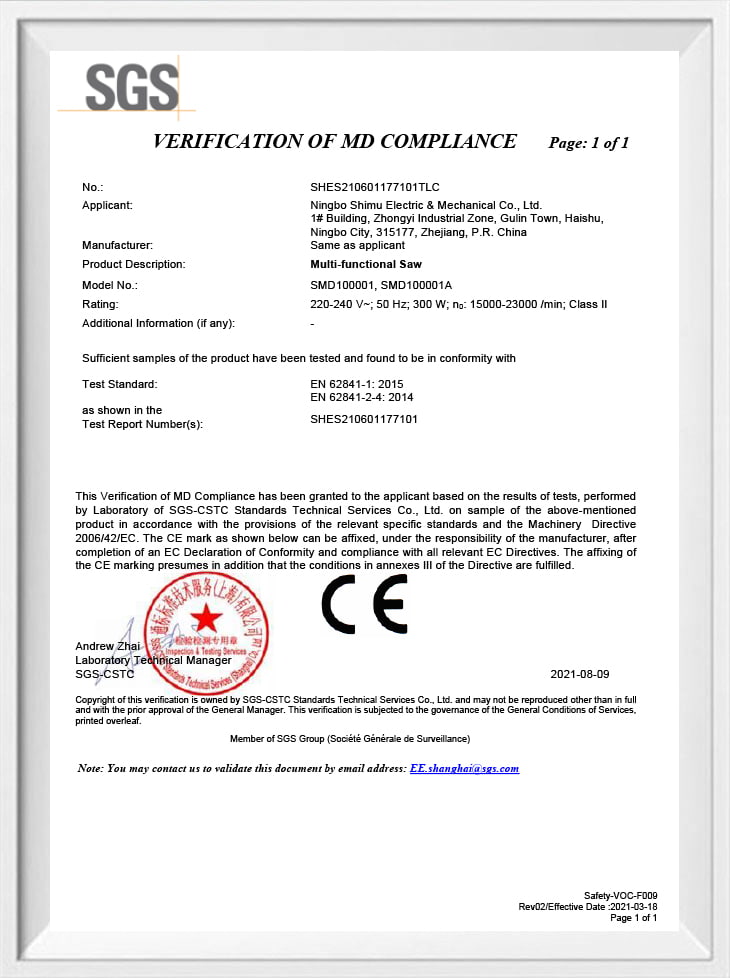
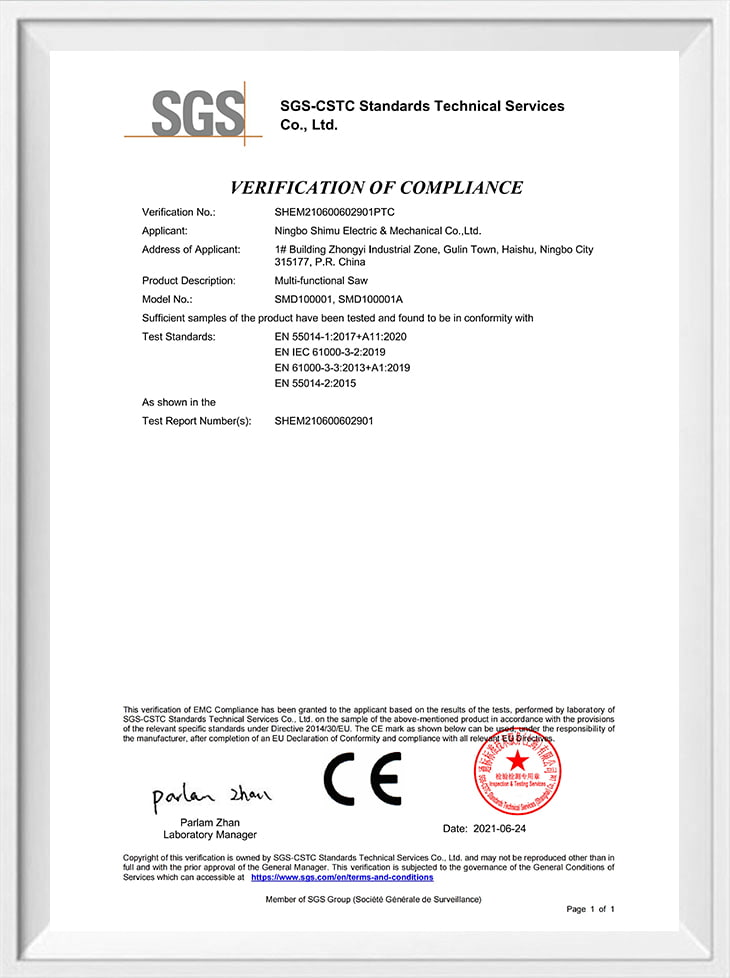
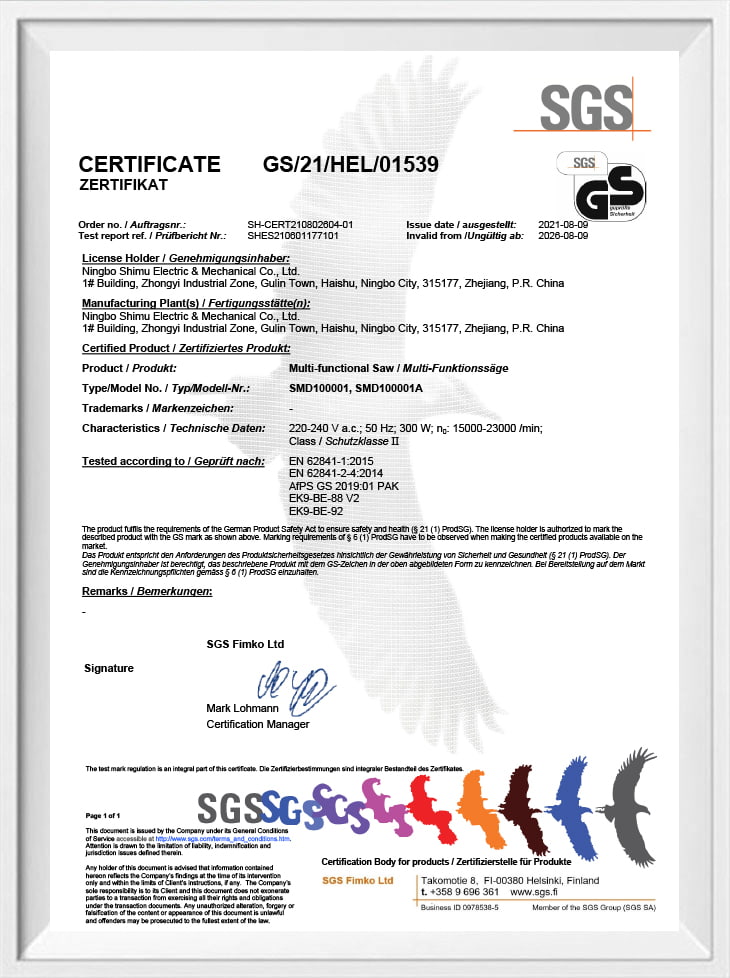
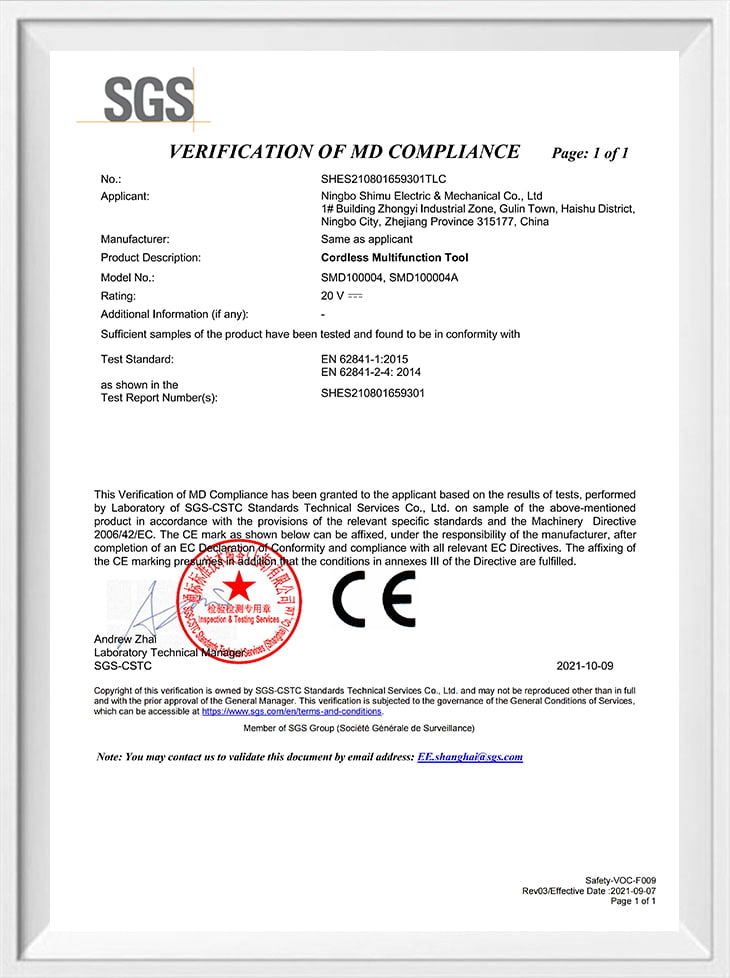
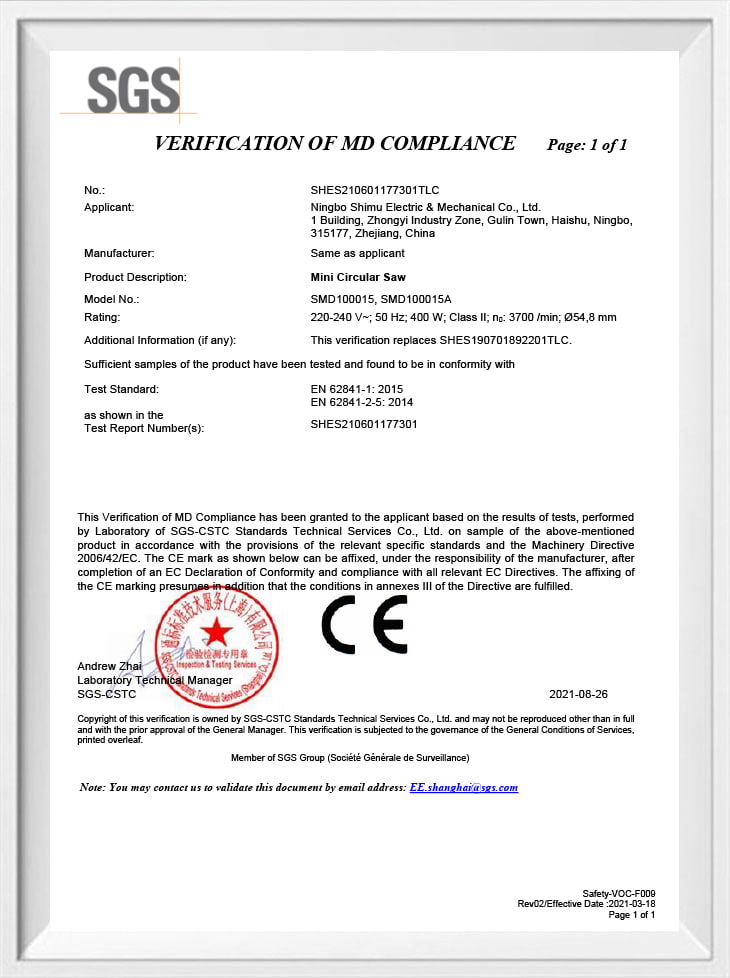
Ningbo Pinshi Electromechanical Co., LTD. was established in 2010. Our factory is located in Gulin Town, Haishu District, Ningbo City, Zhejiang Province. For a long time, our company has been dedicated to the research, development and production of power tools, garden machinery, and industrial basic parts (bearings, guides) series products. As a famous China Electric Screwdriver Manufacturers and Electric Screwdriver Factory, our products are exported to Europe, America, Southeast Asia and other countries and regions, and are also widely used in various fields and households in China. Our company's products have been transformed and upgraded from basic household items of mechanical and electrical integration to professional products that are intelligent, efficient, energy-saving and environmentally friendly. They have passed GS, CE and EMC quality certifications and have been widely recognized and trusted by users and industry insiders. We adhere to the business philosophy of winning the market with quality products, gaining credibility with integrity, owning the future with innovation, and attracting customers with cost performance. We look forward to sincere cooperation with colleagues from all walks of life at home and abroad to create a bright future together. We hope that the products of Pinshi can become your reliable assistants and enter every region and every family around the world. Pinshi Company looks forward to your visit and cooperation.
Certificate Of Honor
News
-
-
How the Speed Control System in this Impact Wrench Functions The speed control system in an Impact Wrench functions by regulating the motor’s rotational speed and the frequency of hammer impacts through trigger sensitivity, electronic motor controllers, and internal mechanical m...
READ MORE -
Ease of Adjustment Adjusting the cutting angle and depth on the Electric Woodworking Saw is intuitive and fast. Most models allow angle adjustments from 0 to 45 degrees and depth changes up to 3 inches, using clearly marked levers or knobs. Users can switch between settings in l...
READ MORE
Message Feedback
Electric Screwdriver Industry knowledge
What is the rated torque range of an electric screwdriver? Does it support multi-speed adjustment?
Rated Torque Range
The rated torque range of an electric screwdriver depends on its design type, application area, and drive system. Common rated torque ranges are:
- Light-duty (DIY grade): Approximately 0.1–3 N·m. This type of electric screwdriver is suitable for household appliances, furniture assembly, toys, light DIY projects, etc. These electric screwdrivers are usually small and lightweight, suitable for general household use.
- Medium-duty (Mid-range): Approximately 3–10 N·m. Suitable for small appliances, in-car equipment, door and window installation, electronic products, etc. Medium-duty electric screwdrivers are often used in general production line assembly work or workshop operations, providing sufficient torque to ensure stable operation.
- Heavy-duty (Industrial grade): Approximately 10–30 N·m or higher. These electric screwdrivers are used in the assembly of heavy industrial equipment, such as machinery manufacturing, furniture production lines, and automobile manufacturing. High-rated torque ensures sufficient power for fastening operations even under heavy loads.
Different types of electric screwdrivers have a certain working load capacity within their rated torque range. If the electric screwdriver's design does not support loads exceeding its rated torque range, it may lead to overheating, component damage, or even motor burnout. Therefore, understanding the rated torque is crucial when choosing an electric screwdriver.
Multi-speed Adjustment
Whether an electric screwdriver supports multi-speed adjustment is an important feature of many high-end tools. This function is usually reflected in the following aspects:
- Mechanical clutch adjustment: This is the most common adjustment method, usually controlled by a knob or dial on the tool itself. Users can select different torque settings by rotating the adjustment knob to suit different screw sizes and material requirements. Common mechanically adjustable electric screwdrivers have 10 to 20 settings, each corresponding to a specific torque range.
- Electronic adjustment (digital control): Some industrial-grade or professional-grade electric screwdrivers have electronic adjustment functions. Users can directly input the desired torque value via buttons or an LCD screen, and the electric screwdriver will automatically adjust to that torque level. This method is typically highly accurate and suitable for applications requiring precise torque control, such as electronic product assembly and medical equipment assembly.
- Intelligent Adjustment: Some high-end electric screwdrivers are also equipped with intelligent functions that can automatically adjust the torque value based on the type and material of the screws being used. For example, in some smart tools, the torque value is adjusted based on real-time feedback (such as a torque sensor) to ensure the accuracy of the tightening process.
Therefore, depending on the precision and diversity of the tasks, electric screwdrivers that support multi-level adjustment offer a wider range of applications. From home DIY to complex industrial applications, users can flexibly adjust the torque according to their actual needs, improving operational efficiency and accuracy.
How to Perform Torque Calibration Testing on an Electric Screwdriver?
The Importance of Calibration
After prolonged use, electric screwdrivers may experience performance degradation, especially in the torque control section. With continued use, the clutch spring, gears, and even the motor can wear down, leading to unstable torque output. Therefore, to ensure the accuracy of the electric screwdriver during operation, regular torque calibration is crucial, especially in production environments requiring high-precision torque control.
Torque calibration involves measuring the output of the electric screwdriver to ensure it matches the set value, thus preventing damage or safety hazards caused by inaccurate torque.
Calibration Methods
Using a Torque Tester
The most common calibration method is using a torque tester, a device that can measure the output torque of the electric screwdriver in real time and compare it to the set value.
Specific Steps:
- Preheat the tool: Before testing, let the electric screwdriver run for 3–5 minutes to simulate actual working conditions.
- Fix the tool and tester: Connect the electric screwdriver to the tester's fixing device, ensuring the screwdriver bit is aligned with the tester's measurement sensor.
- Test multiple times: Perform multiple tests for each torque setting to ensure consistency of results.
- Calculate the error: Calculate the error by comparing the test results with the calibrated value. If the deviation exceeds the specified value (usually ±3% to 5%), adjustment is required.
- Adjust the tool: For mechanical clutch-type screwdrivers, torque correction can be done by adjusting the clutch spring; for electronically controlled screwdrivers, recalibration is usually done through software.
Calibration Cycle
For electric screwdrivers, it is generally recommended to perform calibration every 3 to 6 months, depending on the frequency of use, workload, and environmental conditions. For high-frequency, high-load industrial applications, the calibration cycle can be shortened; for light-load household tools, it can be appropriately extended.
Calibration Standards and Error Range
According to industry standards, the calibration error of electric screwdrivers is typically controlled within ±3% to 5%. For some high-precision tools, such as those used in medical equipment manufacturing or electronic component assembly, the error control may need to reach ±1%. If the tool has not been calibrated for a long time, deviations exceeding this range may occur, thus affecting production quality.
What is the average lifespan (MTBF) of an electric screwdriver?
What is MTBF?
MTBF (Mean Time Between Failures) is an important indicator of equipment reliability. It represents the average operating time of a device during continuous operation and is typically used to assess the durability of a tool in daily use. For electric screwdrivers, the MTBF value can help consumers and industrial users estimate the equipment's lifespan and guide procurement and maintenance strategies. A higher MTBF indicates better tool reliability and a lower failure rate.
Lifespan of Electric Screwdrivers
The MTBF of an electric screwdriver is usually closely related to factors such as its operating environment, load conditions, operating frequency, and maintenance. The typical MTBF range for electric screwdrivers is as follows:
- Household-grade tools: MTBF is generally 300–800 hours. These tools are typically used for light household tasks such as assembling furniture, repairing appliances, or DIY projects. Although these tools are relatively economical, their lifespan is relatively short due to their lighter workload.
- Mid-range commercial tools: MTBF is generally 1,000–3,000 hours. These tools are suitable for scenarios with moderate frequency of use, such as small repair services, equipment installation, and automotive maintenance. Although their workload is greater than that of household-grade tools, they still fall within the relatively light-duty range.
- Industrial-grade brushed electric screwdrivers: MTBF is generally 3,000–6,000 hours. These tools are typically used in environments requiring long-term, high-load operation, such as industrial assembly lines and heavy machinery maintenance. Due to frequent use and heavy loads, the tool's lifespan is relatively long, but the brushed motor will experience wear and tear during long-term use, affecting the overall lifespan of the tool.
- Industrial-grade brushless electric screwdrivers: MTBF is generally 8,000–20,000 hours. Brushless electric screwdrivers have a motor design without carbon brushes, reducing friction and wear. Therefore, the MTBF of brushless electric screwdrivers is significantly higher than that of brushed electric screwdrivers, making them particularly suitable for industrial environments requiring long-term continuous operation.
Factors Affecting MTBF
- Motor Type: Brushless electric screwdrivers have a significantly longer MTBF than brushed electric screwdrivers due to the high efficiency and low-friction characteristics of their motors. Ningbo Pinshi Electromechanical Co., LTD. specializes in the research, development, and production of high-quality power tools. The company utilizes advanced brushless motor technology, significantly improving the durability and efficiency of its tools, making them particularly suitable for high-load, high-frequency industrial applications.
- Usage Frequency and Load: The intensity of tool usage directly affects MTBF. Frequent high-load operations accelerate tool wear and shorten its lifespan. Therefore, correct operation and regular maintenance are crucial. Through continuous research and development, Ningbo Pinshi Electromechanical Co., LTD. produces power tools with strong load-bearing capacity and long service life, adapting to various industrial application needs.
- Working Environment: Temperature, humidity, dust, and other factors can affect the lifespan of power tools. Extreme environmental conditions may accelerate the aging of internal components, reducing MTBF. Ningbo Pinshi Electromechanical Co., LTD.'s power tools are designed with protection in mind, and many products feature dustproof, waterproof, and corrosion-resistant functions, ensuring efficient and stable operation in harsh environments.
Advantages of Ningbo Pinshi Electromechanical Co., LTD. in Improving MTBF
As a company established in 2010, specializing in the research, development, and production of power tools, garden machinery, and industrial basic components, Ningbo Pinshi Electromechanical Co., LTD. has unique advantages in improving the MTBF of power tools. Through continuous technological innovation and product upgrades, the company is committed to producing intelligent, efficient, energy-saving, and environmentally friendly power tools, ensuring high quality and reliability.
- Brushless Motors: Ningbo Pinshi Electromechanical Co., LTD. utilizes brushless motor technology, significantly reducing failures caused by brush wear, thus greatly extending the lifespan of power tools.
- Strict Quality Control: Products have passed international quality certifications such as GS, CE, and EMC, complying with strict industry standards. Each power tool undergoes multiple tests to ensure its performance stability and durability.
- Continuous R&D and Innovation: The company continuously improves and innovates its technology, combining intelligence, energy efficiency, environmental protection, and high performance to drive product development towards high-end and specialized directions. The intelligent electric screwdriver not only provides higher precision but also extends the tool's lifespan through an intelligent adjustment and feedback system.
Maintenance and Upkeep to Improve MTBF
To further improve the MTBF (Mean Time Between Failures) of electric screwdrivers, Ningbo Pinshi Electromechanical Co., LTD. recommends the following regular maintenance:
- Regularly clean the tool to prevent dust and dirt accumulation and ensure proper heat dissipation of the internal motor.
- Check the working status of the battery and motor to ensure their normal operation and avoid over-discharge and overheating problems.
- Perform regular calibration to ensure the tool's torque accuracy and prevent excessive wear caused by inaccurate torque operation.
- Replace worn parts promptly, such as bits and torque clutches, to ensure the tool is always in optimal working condition.
Brand Assurance from Ningbo Pinshi Electromechanical Co., LTD.
Through continuous innovation and strict quality control, Ningbo Pinshi Electromechanical Co., LTD.'s power tools have gained a wide market share in Europe, the Americas, Southeast Asia, and other regions, and have been recognized by users worldwide. Whether in the home market or in industrial applications, Ningbo Pinshi Electromechanical Co., LTD. always adheres to the business philosophy of winning the market with quality and building reputation with integrity, and is committed to providing global customers with high-quality power tools and comprehensive after-sales service.
-
LINK
-
product
-
Quick Contact
-
 Building 1, Floor 1, Industrial Zone, Zhongyi Village, Guolin Town, Haishu District, Ningbo City, Zhejiang Province, China
 -
 +86-13906619096
 -
 Michael@chinashimu.com
-
KEEP IN TOUCH
