
 English
 русский
 Español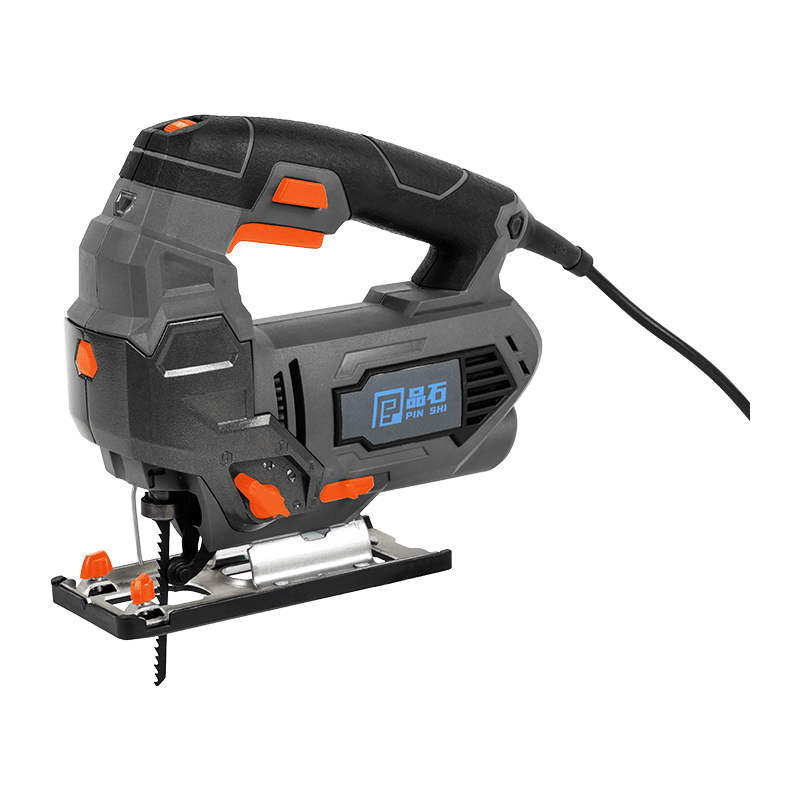






Electric Pruning Shears perform best within their rated cutting diameter range (typically 20mm–40mm), maintaining clean, efficient cuts on small to medium branches, while performance gradually declines as branch diameter approaches the tool’s maximum capacity. This applies equal...
READ MORE-
Electric Woodworking Saw
-
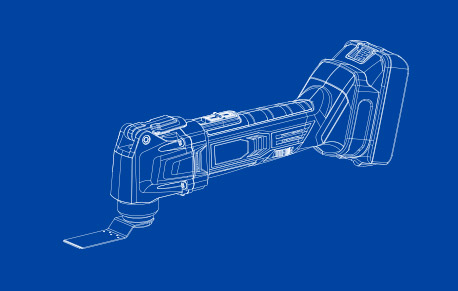
Multifunctional oscillating Saw
-
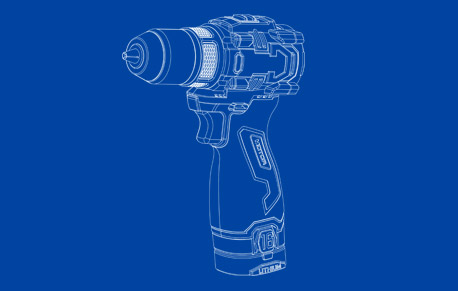
Power Drill
-
Rotary Hammer Drill

-
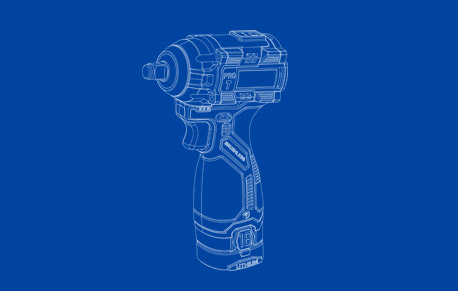
Impact Wrench
-
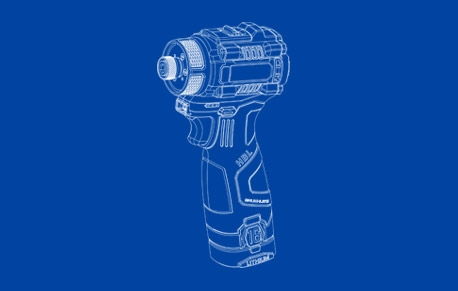
Electric Screwdriver
-
Angle Grinder

-
Handheld Pressure Washer
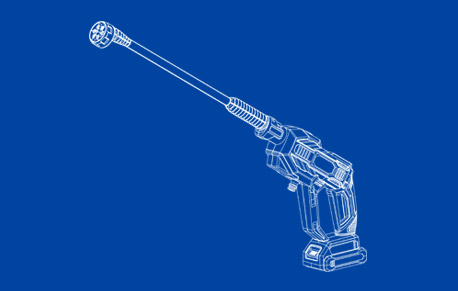
-
Handheld Lawn Mower
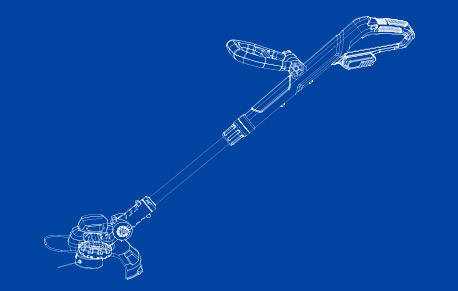
-
Lithium Turbo Jet Blower

-
Electric Pruning Shears
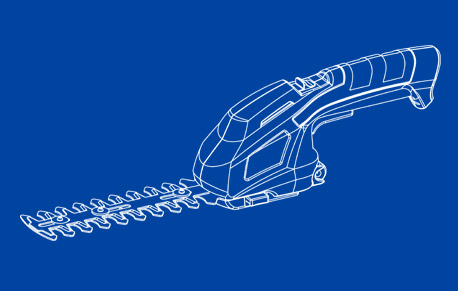
-
Lithium ChainSaw
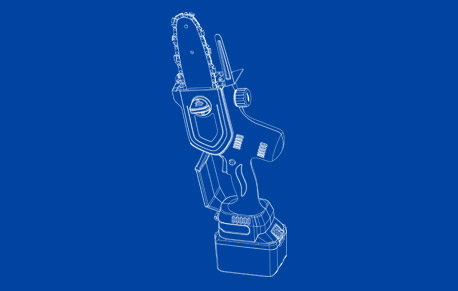
-
Handheld Tiller Cultivator

-
Plant Watering Devices

-
Air Pump

CATEGORIES
- Electric Woodworking Saw
- Multifunctional oscillating Saw
- Power Drill
- Rotary Hammer Drill
- Impact Wrench
- Electric Screwdriver
- Angle Grinder
- Handheld Pressure Washer
- Handheld Lawn Mower
- Lithium Turbo Jet Blower
- Electric Pruning Shears
- Lithium ChainSaw
- Handheld Tiller Cultivator
- Plant Watering Devices
- Air Pump
Electric Woodworking Jig Saw Suppliers
Electric woodworking jigsaw is a versatile tool designed for non-linear cutting, powered by a motor that drives the blade to perform high-speed, short-stroke reciprocating linear motions in a vertical or near-vertical plane. It comes equipped with a pendulum function and variable speed control. The pendulum action effectively enhances cutting speed, extends blade life, and reduces workpiece vibration. Meanwhile, users can adjust the cutting speed according to different materials (such as low speed for metal and high speed for wood), enabling more precise and safer operation. The base locking and angle adjustment features ensure accurate bevel cuts. With an integrated LED work light and laser guide, the tool provides a well-lit working area, significantly improving cutting precision.
About Us
Ningbo Pinshi Electromechanical Co., LTD.
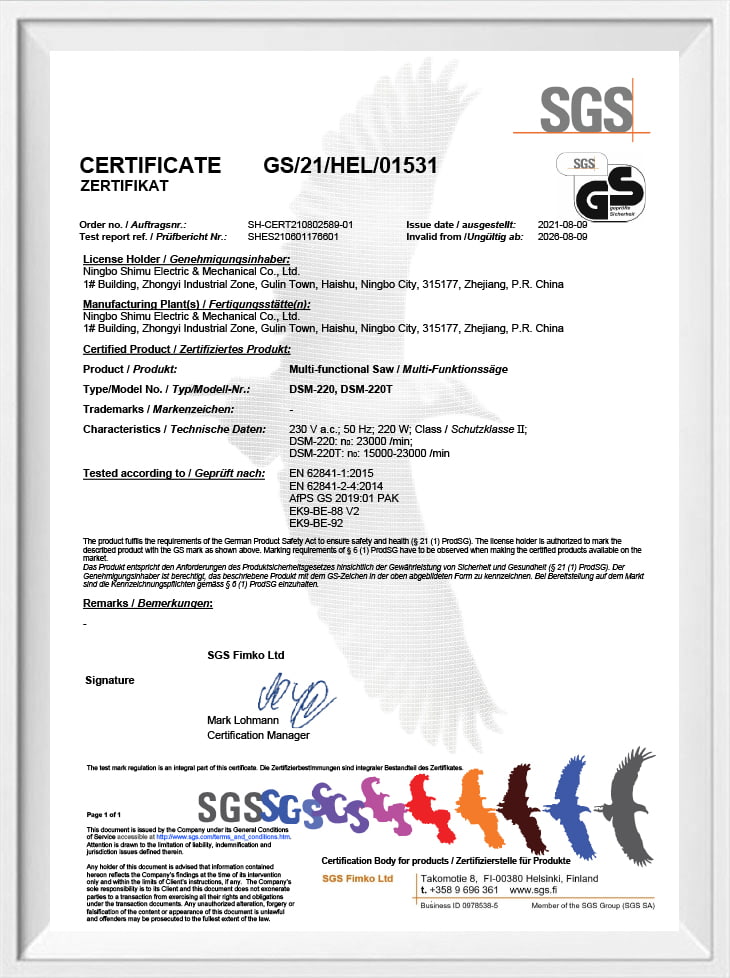
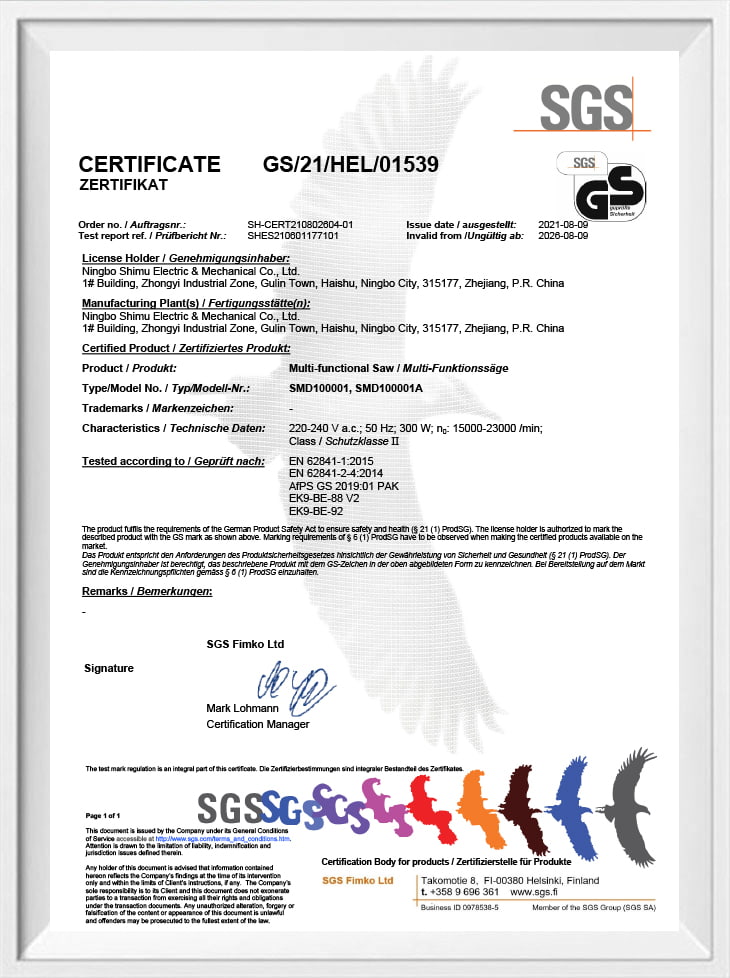
Ningbo Pinshi Electromechanical Co., LTD. was established in 2010. Our factory is located in Gulin Town, Haishu District, Ningbo City, Zhejiang Province. For a long time, our company has been dedicated to the research, development and production of power tools, garden machinery, and industrial basic parts (bearings, guides) series products. As a famous China Electric Woodworking Jig Saw Manufacturers and Electric Woodworking Jig Saw Suppliers, our products are exported to Europe, America, Southeast Asia and other countries and regions, and are also widely used in various fields and households in China. Our company's products have been transformed and upgraded from basic household items of mechanical and electrical integration to professional products that are intelligent, efficient, energy-saving and environmentally friendly. They have passed GS, CE and EMC quality certifications and have been widely recognized and trusted by users and industry insiders. We adhere to the business philosophy of winning the market with quality products, gaining credibility with integrity, owning the future with innovation, and attracting customers with cost performance. We look forward to sincere cooperation with colleagues from all walks of life at home and abroad to create a bright future together. We hope that the products of Pinshi can become your reliable assistants and enter every region and every family around the world. Pinshi Company looks forward to your visit and cooperation.
Certificate Of Honor
News
-
-
How the Speed Control System in this Impact Wrench Functions The speed control system in an Impact Wrench functions by regulating the motor’s rotational speed and the frequency of hammer impacts through trigger sensitivity, electronic motor controllers, and internal mechanical m...
READ MORE -
Ease of Adjustment Adjusting the cutting angle and depth on the Electric Woodworking Saw is intuitive and fast. Most models allow angle adjustments from 0 to 45 degrees and depth changes up to 3 inches, using clearly marked levers or knobs. Users can switch between settings in l...
READ MORE
Message Feedback
Electric Woodworking Jig Saw Industry knowledge
Core Dynamics: The Evolution of Reciprocating Motion and Orbital Cutting Technology
The Electric Woodworking Jig Saw, as a versatile tool capable of executing straight lines, intricate curves, and bevel cuts, derives its “soul” from the conversion of rotational motor energy into high-frequency vertical reciprocating motion. At the research and development laboratories of Ningbo Pinshi Electromechanical Co., LTD., we understand that this conversion is not merely a simple mechanical linkage; it is a complex engineering feat involving precision balance and energy loss control.
The Mechanics of Reciprocating Motion:
Traditional jig saws rely on an eccentric shaft-driven connecting rod to move the blade holder up and down. However, simple vertical motion creates significant “back-cut” resistance when processing thick or high-density materials, leading to heat buildup and poor chip clearance. Ningbo Pinshi Electromechanical Co., LTD. has addressed this by integrating advanced Four-Stage Orbital Action Technology into our professional-grade units. This technology uses a pivoting support roller to apply forward pressure on the blade during the upstroke, transforming the blade’s path from a simple “up-down” line into an elliptical orbit.
- Hierarchical Application of Orbital Action:
- Level 0 (Straight Cut Mode): The support roller provides no forward thrust. This is essential for cutting metals (aluminum, thin steel) or extremely brittle veneered materials. The lack of oscillation ensures a delicate finish and prevents surface splintering.
- Levels 1-3 (Acceleration Mode): As the level increases, the forward swing of the blade intensifies. When cutting thick pine or soft timber, this oscillation allows the blade to “eat” into the fibers rapidly, significantly reducing operation time. Engineering tests at Ningbo Pinshi Electromechanical Co., LTD. indicate that activating Level 3 orbital action can increase cutting efficiency by approximately 40% compared to Level 0.
Vibration Control and Balance Compensation:
High-frequency reciprocating motion inevitably generates vibration. During the manufacturing process at Ningbo Pinshi Electromechanical Co., LTD., our counterweight systems undergo rigorous dynamic balance calibration. By installing high-precision balancing weights on the drive gears, we successfully neutralize the inertia generated by the high-speed vertical movement of the blade. Low vibration does not just mean a more comfortable grip; it directly dictates the accuracy of curved cuts—if the machine vibrates excessively, the operator cannot follow a complex scribe line with precision.
Key Performance Parameters: Three Elements Shaping Cutting Quality
When evaluating the quality of an industrial-grade Electric Woodworking Jig Saw, Ningbo Pinshi Electromechanical Co., LTD. adheres to the principle of “data-driven excellence.” It is not just about the wattage; it is about how effectively that power is translated into cutting force.
Element 1: Stroke Length and Frequency Control
The stroke length refers to the vertical distance the blade travels from its highest to its lowest point. For professional applications, a 26mm long stroke has become the industry benchmark. A longer stroke ensures that more teeth are engaged in the cut during a single cycle, which facilitates better debris removal. Coupled with our 6-speed electronic variable speed system, users can precisely toggle between 800 and 3,000 Strokes Per Minute (SPM). For instance, cutting plastics requires lower speeds to prevent thermal melting, while hardwoods require high speeds for a clean finish.
Element 2: Constant Speed Electronics
This is the primary differentiator between hobbyist tools and industrial equipment. When a blade hits a knot in hardwood or encounters high-density fiberboard, the load increases instantaneously. Standard saws will experience a drop in RPM, resulting in a rough cut or even motor burnout. The high-end series from Ningbo Pinshi Electromechanical Co., LTD. features an intelligent sensing chip that automatically compensates for current within milliseconds of detecting load increases, locking the preset speed to ensure a smooth cutting experience.
Element 3: Base Plate Material and Adjustment Precision
The base plate is the reference plane between the tool and the workpiece. We utilize high-strength die-cast aluminum base plates rather than cheap stamped steel. Die-cast aluminum offers superior flatness and does not warp over long-term use. Furthermore, during 0°-45° bevel cutting, our quick-change locking mechanism ensures the rigidity of the angle, preventing deviations caused by lateral pressure during the cut.
Material & Cutting Parameter Matching Table (by Ningbo Pinshi Electromechanical Co., LTD.)
| Material Type | Recommended SPM | Recommended Orbital Level | Recommended TPI (Teeth Per Inch) |
|---|---|---|---|
| Softwood (< 50mm) | 2,500 - 3,000 | 2 - 3 | 6 - 10 TPI |
| Hardwood (Oak/Walnut) | 2,000 - 2,500 | 1 | 10 - 12 TPI |
| Aluminum (3mm - 10mm) | 1,500 - 2,000 | 0 | 14 - 18 TPI |
| Steel (2mm - 6mm) | 800 - 1,200 | 0 | 21 - 24 TPI |
| Plastic/Acrylic | 1,000 - 1,500 | 0 - 1 | 10 - 14 TPI |
Scenario-Based Selection: Efficient Matching and Systematic Maintenance
As a manufacturer with deep roots in electromechanical engineering, Ningbo Pinshi Electromechanical Co., LTD. believes that 50% of a tool’s performance comes from the machine itself, while the other 50% depends on proper blade selection and maintenance.
Blade Shank Types and Material Synergy:
Modern industry standards favor the T-Shank blade, which is the standard interface supported by all Ningbo Pinshi Electromechanical Co., LTD. equipment. T-shanks provide a single-point contact for better torque transfer and tool-free quick changes.
- HCS (High Carbon Steel): Highly flexible, ideal for softwoods and fiberboards.
- HSS (High-Speed Steel): High hardness, designed for non-ferrous metals.
- BIM (Bi-Metal): Combining the best of both—hard teeth with a flexible body—BIM is the top choice for professional woodworkers tackling high-intensity tasks.
- Carbide: Specifically used for cutting ceramics, plasterboard, or reinforced laminate flooring.
Dust Management and Visibility:
Visibility is paramount for high-precision curve work. Our designs integrate a forward dust blower that utilizes airflow from the motor’s cooling fan to clear sawdust from the cut line. Additionally, our integrated dust extraction ports allow for direct connection to industrial vacuums, ensuring a clean environment for indoor workshops.
Optimization Strategies for Different Applications:
- Tight Radius Cutting: Use a narrower blade width and set the orbital action to Level 0 to achieve the smallest possible turning radius.
- Anti-Splinter Cutting: When working with double-sided laminated boards, use a “reverse-tooth” blade where the cutting force is directed downward, ensuring the top surface edges do not splinter.
- Industrial Longevity: Ningbo Pinshi Electromechanical Co., LTD. recommends idling the machine for cooling after 30 minutes of continuous high-load work and regularly lubricating the blade guide roller to extend bearing life.
As a dedicated manufacturer, we don’t just build tools; we provide cutting solutions. Ningbo Pinshi Electromechanical Co., LTD. continues to drive innovation, ensuring that every Electric Woodworking Jig Saw we produce offers the reliability, precision, and cost-efficiency required by the global woodworking and metalworking industries.
-
LINK
-
product
-
Quick Contact
-
 Building 1, Floor 1, Industrial Zone, Zhongyi Village, Guolin Town, Haishu District, Ningbo City, Zhejiang Province, China
 -
 +86-13906619096
 -
 Michael@chinashimu.com
-
KEEP IN TOUCH
