
 English
 русский
 Español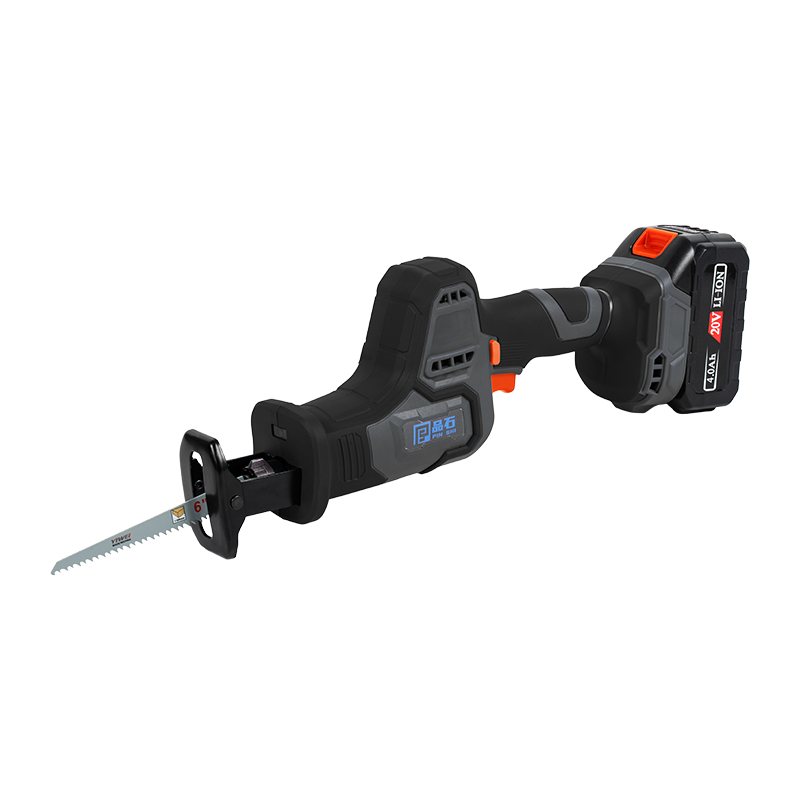
Electric Pruning Shears perform best within their rated cutting diameter range (typically 20mm–40mm), maintaining clean, efficient cuts on small to medium branches, while performance gradually declines as branch diameter approaches the tool’s maximum capacity. This applies equal...
READ MORE-
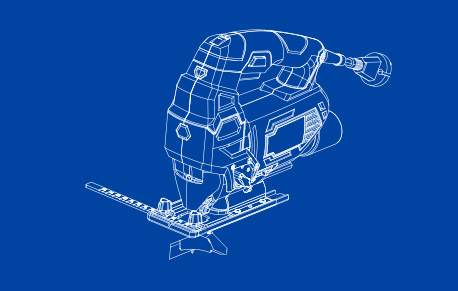
Electric Woodworking Saw
-
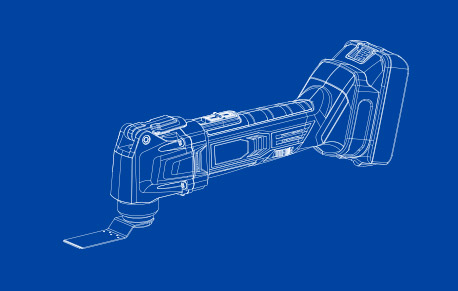
Multifunctional oscillating Saw
-
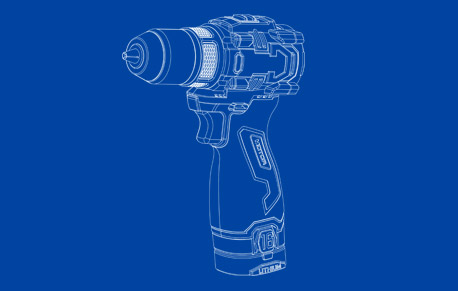
Power Drill
-
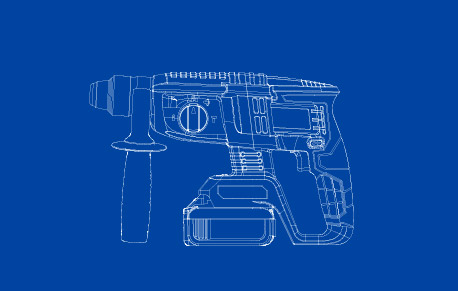
Rotary Hammer Drill
-
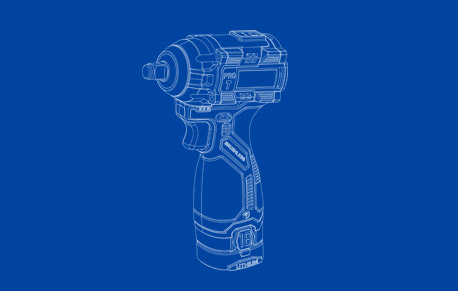
Impact Wrench
-
Electric Screwdriver
-
Angle Grinder

-
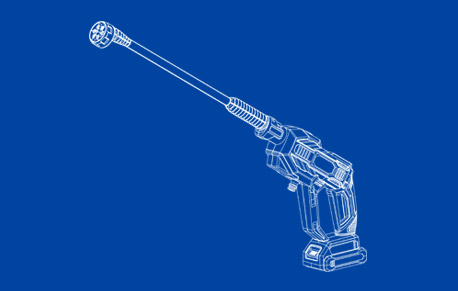
Handheld Pressure Washer
-
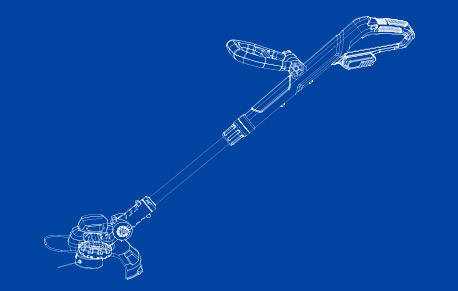
Handheld Lawn Mower
-
Lithium Turbo Jet Blower

-
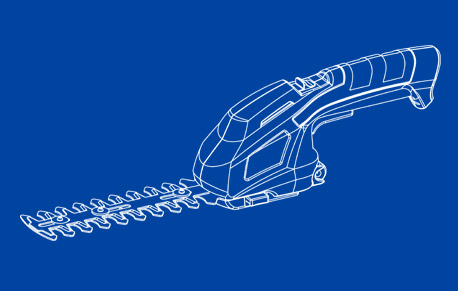
Electric Pruning Shears
-
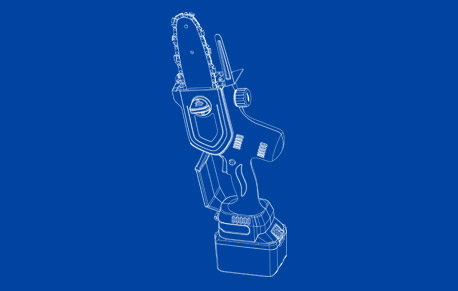
Lithium ChainSaw
-
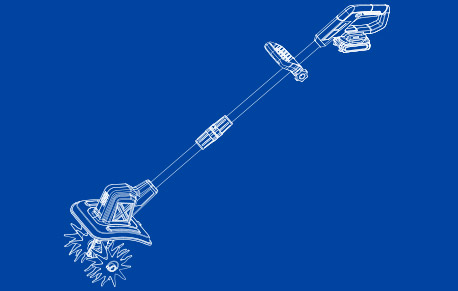
Handheld Tiller Cultivator
-
Plant Watering Devices
-
Air Pump

CATEGORIES
- Electric Woodworking Saw
- Multifunctional oscillating Saw
- Power Drill
- Rotary Hammer Drill
- Impact Wrench
- Electric Screwdriver
- Angle Grinder
- Handheld Pressure Washer
- Handheld Lawn Mower
- Lithium Turbo Jet Blower
- Electric Pruning Shears
- Lithium ChainSaw
- Handheld Tiller Cultivator
- Plant Watering Devices
- Air Pump
Electric Woodworking Reciprocating Saw Suppliers
Electric woodworking reciprocating saw is an electric cutting tool driven by a motor that moves the saw blade in high-speed back-and-forth motions. Equipped with a variable speed control switch, users can flexibly adjust the speed according to the hardness of the material. When cutting soft wood or plastic, a low speed ensures quiet and smooth operation, while cutting hard wood or metal requires high speed for efficiency and power. This significantly enhances operational control and cutting precision. The built-in quick-release chuck allows for rapid blade changes without the need for tools, greatly improving work efficiency. The ergonomic anti-vibration handle design effectively reduces hand fatigue during prolonged use.
About Us
Ningbo Pinshi Electromechanical Co., LTD.
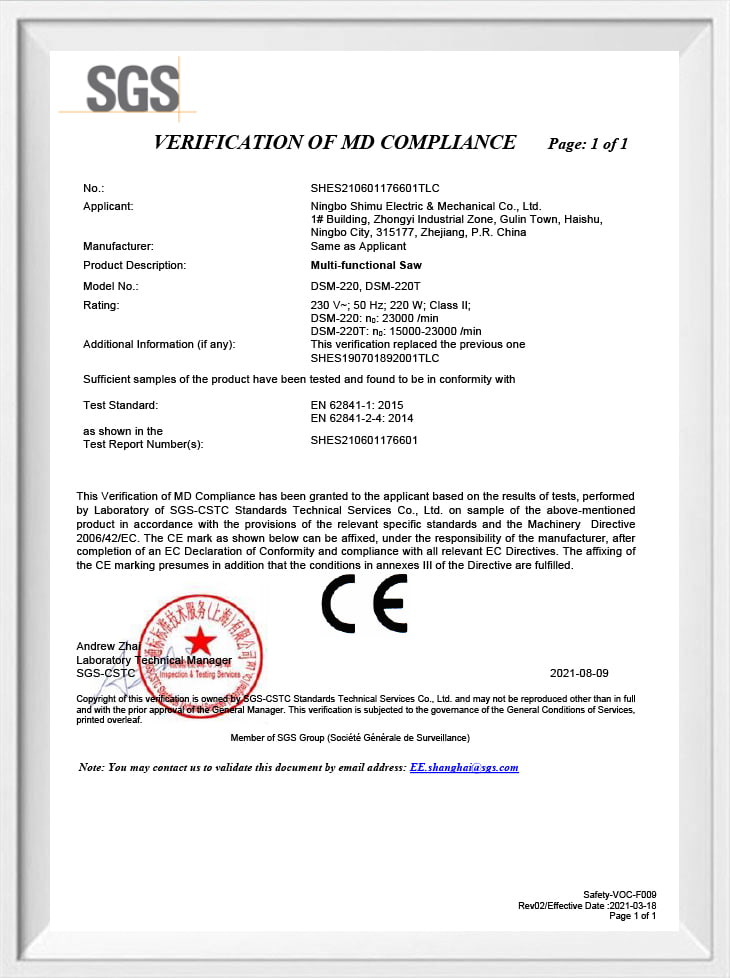
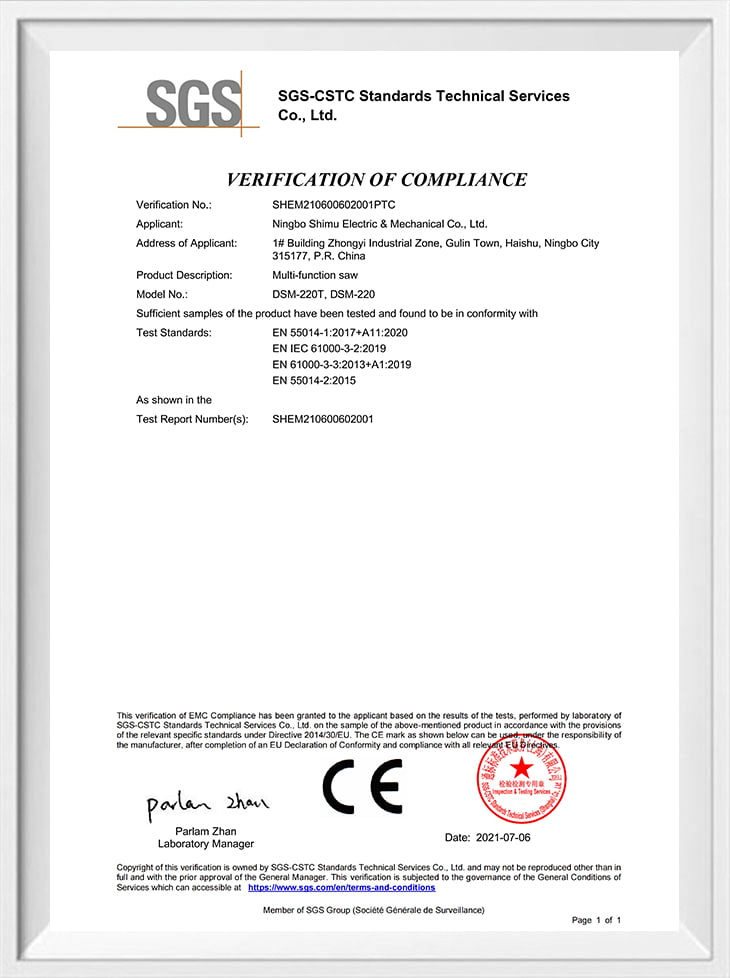
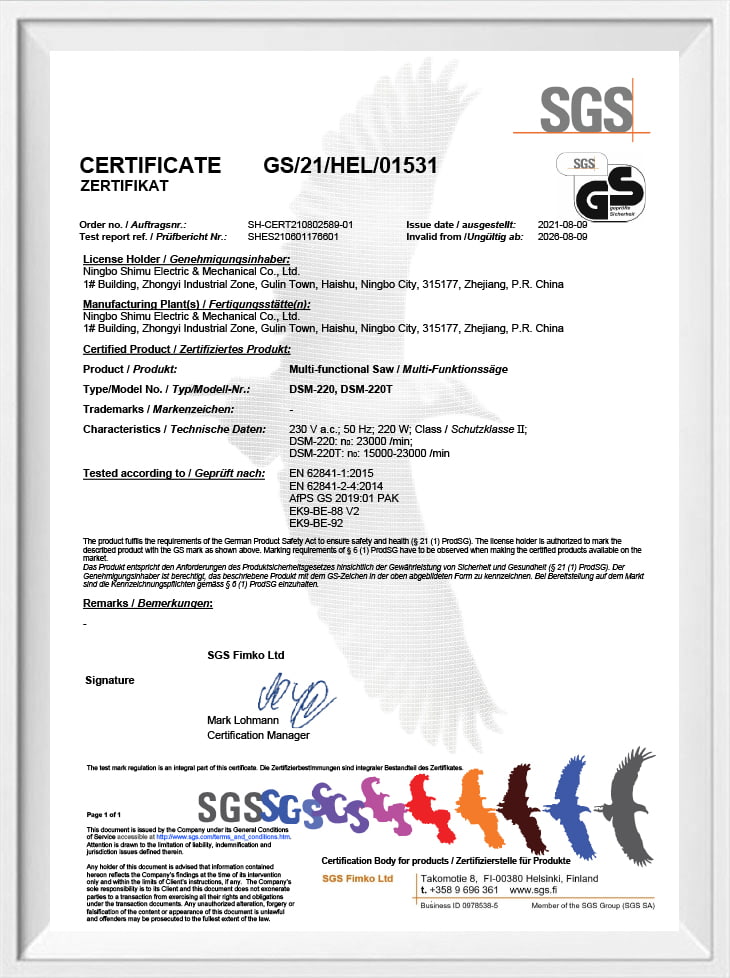
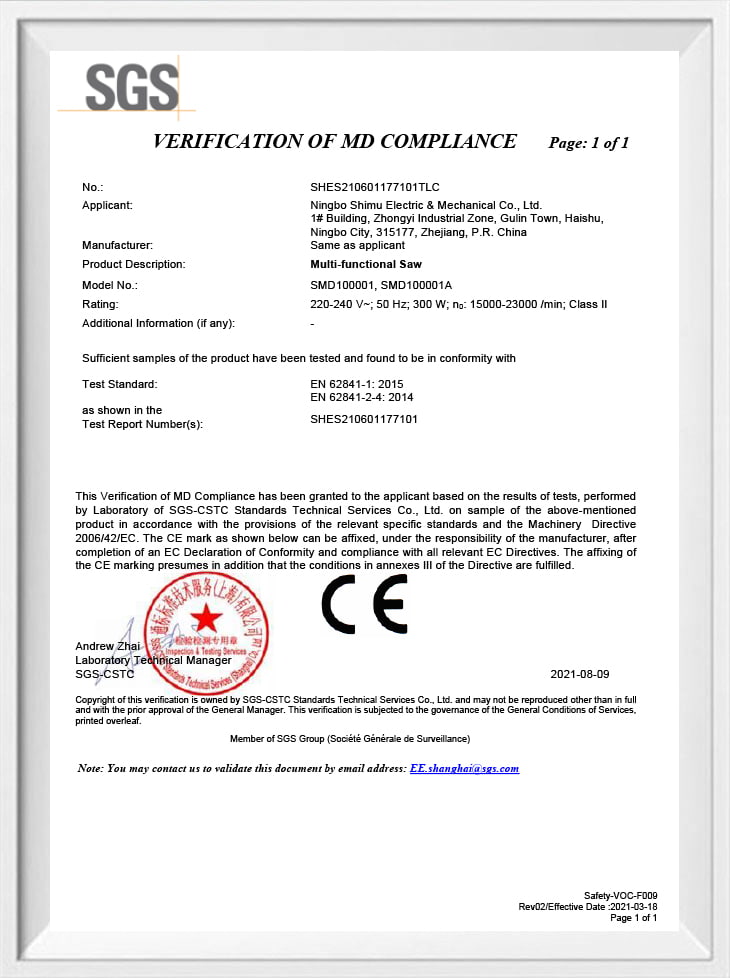
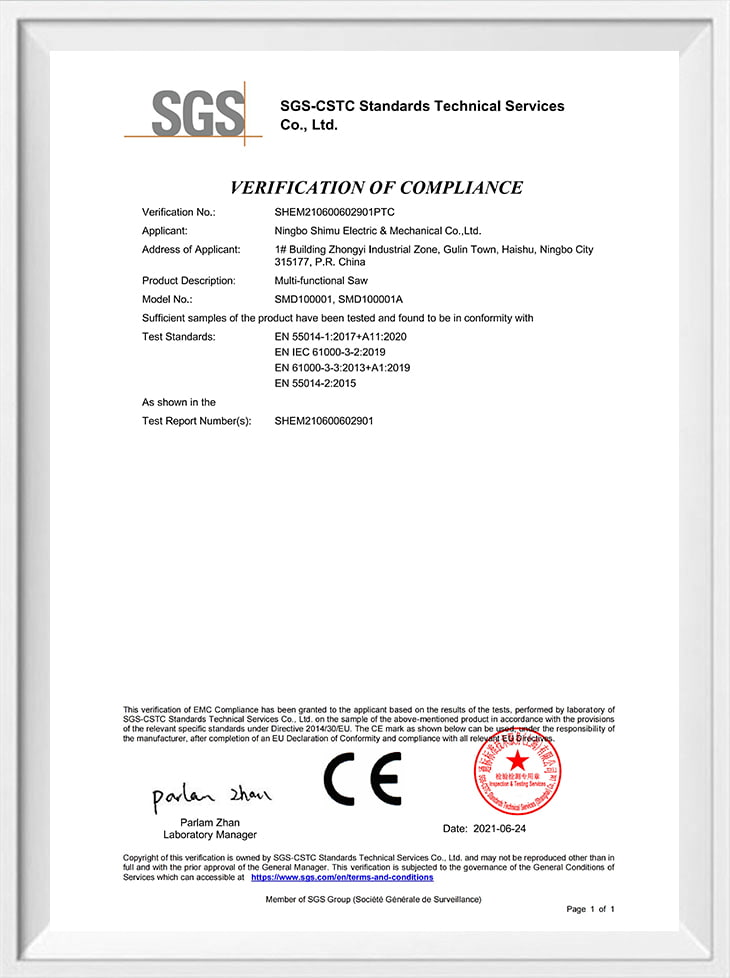
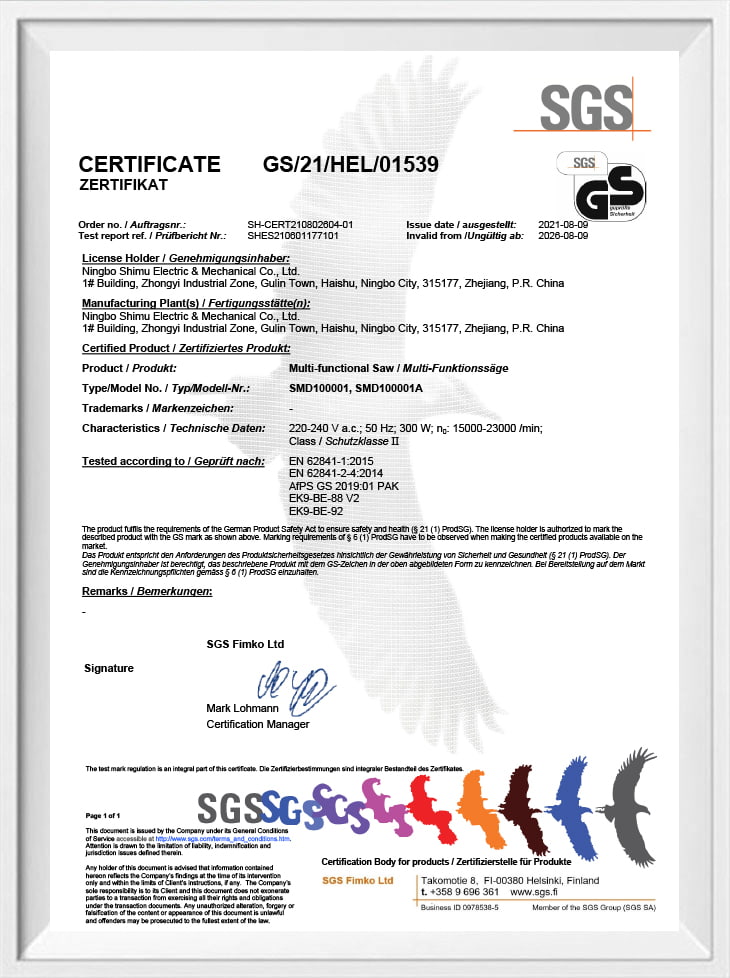
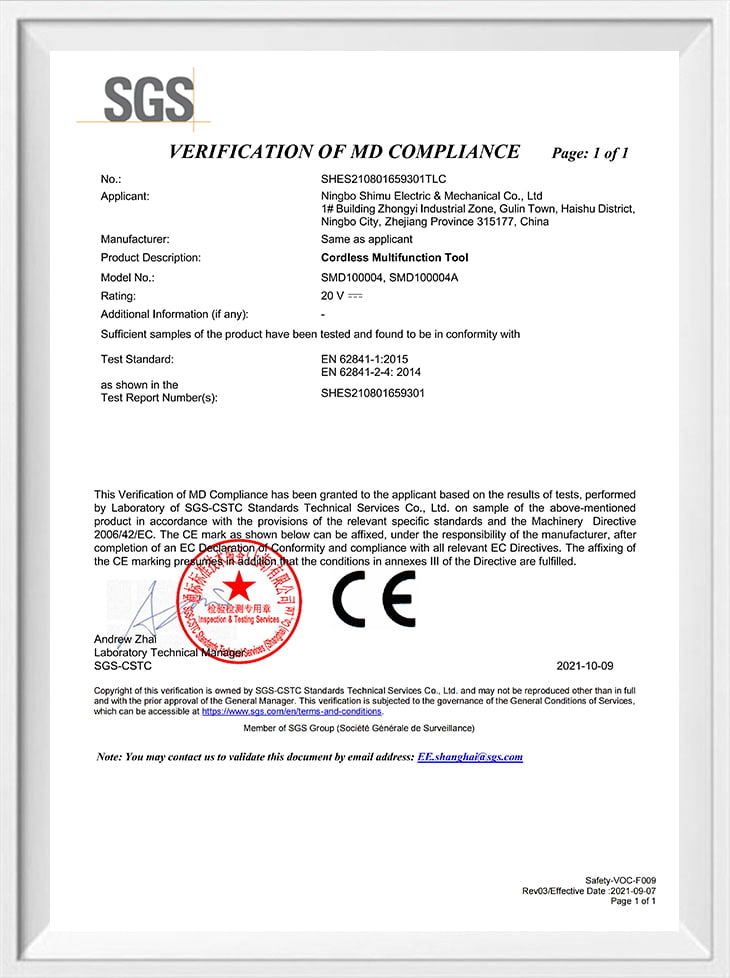
Ningbo Pinshi Electromechanical Co., LTD. was established in 2010. Our factory is located in Gulin Town, Haishu District, Ningbo City, Zhejiang Province. For a long time, our company has been dedicated to the research, development and production of power tools, garden machinery, and industrial basic parts (bearings, guides) series products. As a famous China Electric Woodworking Reciprocating Saw Manufacturers and Electric Woodworking Reciprocating Saw Suppliers, our products are exported to Europe, America, Southeast Asia and other countries and regions, and are also widely used in various fields and households in China. Our company's products have been transformed and upgraded from basic household items of mechanical and electrical integration to professional products that are intelligent, efficient, energy-saving and environmentally friendly. They have passed GS, CE and EMC quality certifications and have been widely recognized and trusted by users and industry insiders. We adhere to the business philosophy of winning the market with quality products, gaining credibility with integrity, owning the future with innovation, and attracting customers with cost performance. We look forward to sincere cooperation with colleagues from all walks of life at home and abroad to create a bright future together. We hope that the products of Pinshi can become your reliable assistants and enter every region and every family around the world. Pinshi Company looks forward to your visit and cooperation.
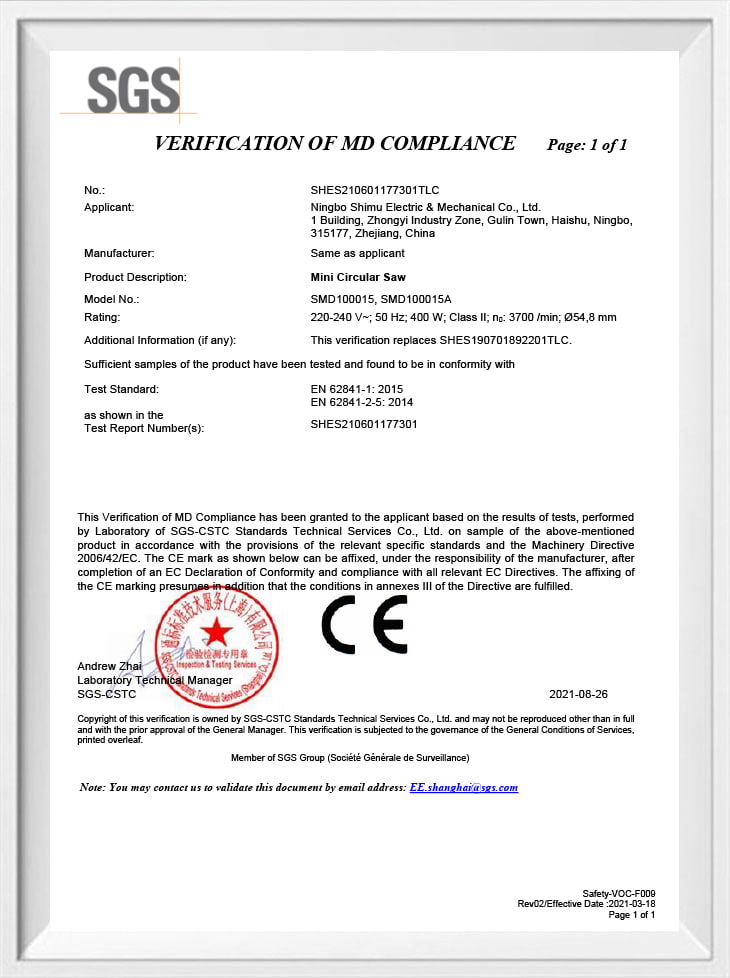
Certificate Of Honor
News
-
-
How the Speed Control System in this Impact Wrench Functions The speed control system in an Impact Wrench functions by regulating the motor’s rotational speed and the frequency of hammer impacts through trigger sensitivity, electronic motor controllers, and internal mechanical m...
READ MORE -
Ease of Adjustment Adjusting the cutting angle and depth on the Electric Woodworking Saw is intuitive and fast. Most models allow angle adjustments from 0 to 45 degrees and depth changes up to 3 inches, using clearly marked levers or knobs. Users can switch between settings in l...
READ MORE
Message Feedback
Electric Woodworking Reciprocating Saw Industry knowledge
Electric Woodworking Reciprocating Saw: Fundamental Definition and Core Structure
The Electric Woodworking Reciprocating Saw is an indispensable power tool in modern woodworking and construction. By utilizing an electric motor to drive the saw blade in a high-frequency reciprocating linear motion, it easily handles solid wood, panels, and complex wooden structures. As a veteran manufacturer in this field, Ningbo Pinshi Electromechanical Co., LTD., established in 2010, has remained dedicated to the research, development, and refinement of power tools, ensuring every unit shipped globally possesses superior performance.
Analysis of Core Components
Power Drive System: The heart of an Electric Woodworking Reciprocating Saw lies in its high-efficiency motor. Products from Ningbo Pinshi Electromechanical Co., LTD. have evolved from basic electromechanical integration to professional items that are intelligent, efficient, and energy-saving. Our motor designs prioritize energy utilization and have passed GS, CE, and EMC quality certifications, ensuring stable torque output during long-duration woodworking tasks.
Variable Speed and Transmission Mechanism: To adapt to various wood hardness levels, an Electric Woodworking Reciprocating Saw is typically equipped with a variable speed trigger. By adjusting the reciprocating frequency, users can switch freely between precision cutting and aggressive roughing. Leveraging our deep expertise in industrial basic parts like high-performance bearings and guides, we have optimized transmission smoothness to significantly reduce mechanical vibration during operation.
Adjustable Shoe and Clamp Design: This allows users to adjust the pivot point based on wood thickness, protecting the blade from excessive wear while improving stability. Modern Electric Woodworking Reciprocating Saw units feature a tool-free blade change system, enabling woodworkers to switch blade specifications with high efficiency.
Key Parameter Comparison Table
The following table lists the core parameter comparisons for an Electric Woodworking Reciprocating Saw in professional woodworking, reflecting the pursuit of efficiency and durability by Ningbo Pinshi Electromechanical Co., LTD.:
| Parameter Item | Household Entry-Level | Pinshi Professional Grade | Impact on Woodworking |
| Rated Power | 500W - 750W | 850W - 1200W+ | Higher power makes cutting thick hardwoods easier |
| Stroke Length | 20mm - 25mm | 28mm - 32mm | Longer strokes mean more material removed per cycle |
| Stroke Frequency (SPM) | 0 - 2500 | 0 - 3000+ | Wider speed range allows precise adjustment |
| Orbital Action | None | Multi-stage Adjustment | Orbital action significantly accelerates sawdust removal |
| Core Components | Standard Industrial | Pinshi Self-developed Precision | Extends tool life and reduces precision loss |
Ningbo Pinshi Electromechanical Co., LTD. is located in Gulin Town, Haishu District, Ningbo City, Zhejiang Province. For a long time, our company has been dedicated to the research, development, and production of power tools, garden machinery, and industrial basic parts (bearings, guides) series products.
Diverse Applications of the Electric Woodworking Reciprocating Saw in Woodworking
In practical woodworking, the Electric Woodworking Reciprocating Saw is widely used in stages ranging from rough processing to fine decoration due to its powerful destructive force and high cutting efficiency. Ningbo Pinshi Electromechanical Co., LTD. considers the diverse operating environments of global users, ensuring our reciprocating saws handle both home DIY projects and high-intensity professional tasks.
Core Application Scenarios
Rough Processing and Fast Sectioning: When dealing with unprocessed logs or large solid wood timbers, the Electric Woodworking Reciprocating Saw is the preferred tool. It is more portable and easier to control than heavy electric chainsaws. Professional-grade saws from Ningbo Pinshi Electromechanical Co., LTD. are equipped with high-torque motors capable of stable cutting through thick materials without overheating.
Plunge Cutting: This is a unique specialty of the Electric Woodworking Reciprocating Saw. Woodworkers do not need to pre-drill holes; they simply use the shoe as a pivot to slowly tilt the blade into the center of a board. This is highly efficient for installing wooden floor patches or cutting openings for electrical boxes in wooden walls.
Flush Cutting: Utilizing blade flexibility, the Electric Woodworking Reciprocating Saw can cut flush against floors or walls to remove excess dowels or protruding support beams. Products from Ningbo Pinshi Electromechanical Co., LTD. use self-developed precision guides in the transmission to ensure smooth power delivery even when the blade is bent during operation.
Application Parameter Comparison for Woodworking Tasks
| Task Scenario | Recommended TPI | Speed Setting | Core Technical Requirement |
| Fast Demolition | 3 - 6 TPI | High | Orbital Action Mode for fast chip removal |
| Fine Woodwork | 10 - 14 TPI | Medium | Variable Speed Control to reduce tearing |
| Flush Cutting | 6 - 10 TPI | Mid-High | Flexible Material Technology to prevent breakage |
| Plunge Opening | 6 TPI (Pointed) | Slow Start | Anti-vibration Handle for precise entry |
Ningbo Pinshi Electromechanical Co., LTD. products have been transformed and upgraded to professional products that are intelligent, efficient, and environmentally friendly. They have passed GS, CE, and EMC quality certifications and have been widely recognized and trusted by users.
Key Factors to Improve Electric Woodworking Reciprocating Saw Efficiency
To achieve the highest efficiency with an Electric Woodworking Reciprocating Saw, operators must precisely match blade parameters with machine modes. Ningbo Pinshi Electromechanical Co., LTD. has deeply optimized mechanical transmission efficiency and accessory compatibility to provide a faster, more effortless cutting experience.
Scientific Selection of Blade TPI (Teeth Per Inch): For the Electric Woodworking Reciprocating Saw, low TPI (3-6) is suitable for fast rough sawing and pruning, as the large teeth discharge sawdust quickly to prevent overheating. Medium TPI (6-10) balances speed and stability for frame construction. High TPI (10-14+) provides cleaner edges for wood composites requiring minimal sanding.
Utilization of Orbital Action: High-end Electric Woodworking Reciprocating Saw models feature an Orbital Action switch. When activated, the blade moves in an elliptical path, mimicking hand-sawing techniques. This allows teeth to bite into wood fibers more aggressively and increasing chip removal by up to 50%.
Thermal Management and Load Control: Long-duration heavy cutting causes blades and motors to heat up. Professional series products from Ningbo Pinshi Electromechanical Co., LTD. feature upgraded air duct cooling systems. These tools maintain durability even when facing extremely hard solid woods like teak or walnut.
| Wood Type | Suggested TPI | Orbital Action | Efficiency Performance |
| Softwood | 3 - 5 TPI | ON (Max) | Speed increases up to 70% |
| Hardwood | 6 - 8 TPI | ON (Mid) | Maintains power, reduces stalling |
| Nail-Embedded Wood | 6 - 10 TPI | OFF | Protects teeth, extends blade life |
| Wood Composites | 10 - 14 TPI | OFF | Neat edges, no splintering |
Ningbo Pinshi Electromechanical Co., LTD. adheres to the business philosophy of winning the market with quality products, gaining credibility with integrity, and owning the future with innovation.
Safety Standards and Operating Tips for Electric Woodworking Reciprocating Saw
Operating an Electric Woodworking Reciprocating Saw requires scientific techniques. Ningbo Pinshi Electromechanical Co., LTD. always puts user safety first. Every saw undergoes strict testing at our factory in Haishu District, Ningbo, to ensure our electromechanical integration reduces operational risks.
Shoe Contact and Two-Hand Grip: The shoe must be pressed firmly against the wood surface. If the shoe is suspended, the Electric Woodworking Reciprocating Saw will bounce violently, affecting accuracy and potentially causing injury. Users should hold the trigger handle with one hand and the front non-slip sleeve with the other to manage the high-torque output.
Comparison: Power Saw vs. Manual Saw
| Performance | Manual Wood Saw | Pinshi Electric Woodworking Reciprocating Saw |
| Power | Manual Labor | High Efficiency Motor (850W-1200W) |
| Speed | Slow | 0 - 3000 SPM (Adjustable) |
| Safety Certification | None | GS / CE / EMC Certified |
Ningbo Pinshi Electromechanical Co., LTD. strives to provide professional products that are efficient and energy-saving. We hope that the products of Pinshi can become your reliable assistants and enter every region and every family around the world.
FAQ
Q: Why does my Electric Woodworking Reciprocating Saw drift when cutting thick wood?
A: Drift is usually caused by a thin blade overheating or the shoe not being flush against the wood. Ningbo Pinshi Electromechanical Co., LTD. suggests using thicker professional blades for wood over 50mm and reducing entry speed using the variable trigger.
Q: Is it normal for the blade to smoke while cutting wood?
A: This is due to friction heat. It usually happens when using a TPI that is too high, preventing chip discharge. Switch to a coarser blade (5-8 TPI) and ensure Orbital Action is engaged on your Electric Woodworking Reciprocating Saw.
Q: How do I know when the Electric Woodworking Reciprocating Saw needs maintenance?
A: If you notice power drops, increased sparking, or a burning smell, the carbon brushes may be worn. Ningbo Pinshi Electromechanical Co., LTD. designs its professional models for easy maintenance, allowing for quick inspection of brushes and internal bearings.
Q: Can I cut wood with nails in it?
A: Yes, but you must use a Bi-metal blade. The Electric Woodworking Reciprocating Saw from Pinshi is fully compatible with standard bi-metal blades for demolition tasks in reclaimed timber.
| Indicator | Normal Operation | Potential Abnormal Signal |
| Vibration | Stable and Controllable | Violent shaking or mechanical knocking |
| Motor Noise | Uniform high-frequency hum | Screeching or intermittent speed |
| Air Temperature | Consistent warm air | Extremely hot air or burning odor |
-
LINK
-
product
-
Quick Contact
-
 Building 1, Floor 1, Industrial Zone, Zhongyi Village, Guolin Town, Haishu District, Ningbo City, Zhejiang Province, China
 -
 +86-13906619096
 -
 Michael@chinashimu.com
-
KEEP IN TOUCH
Copyright© Ningbo Pinshi Electromechanical Co., LTD.
