
 English
 русский
 Español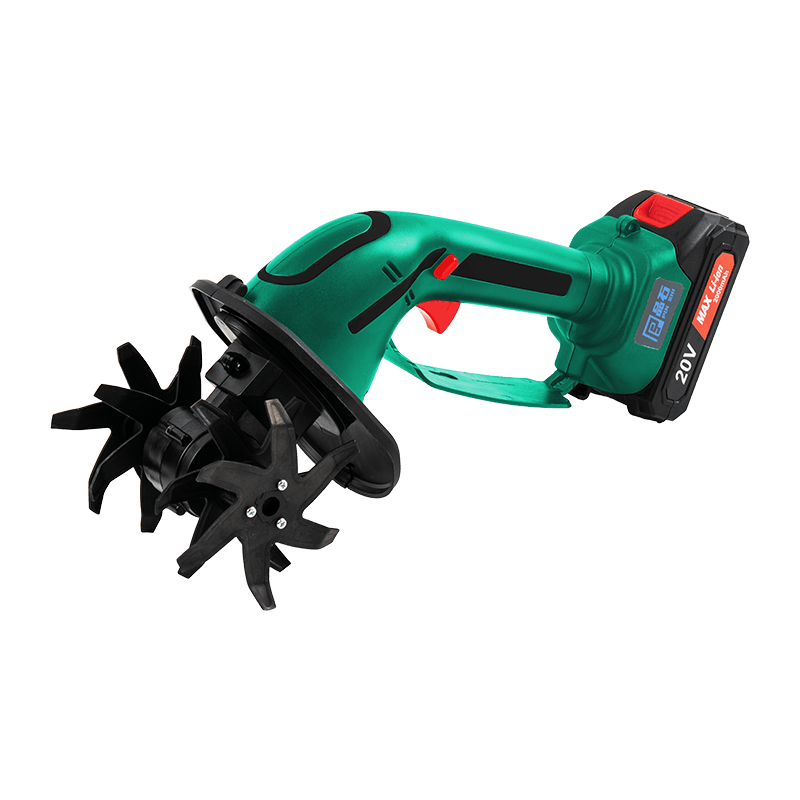






Electric Pruning Shears perform best within their rated cutting diameter range (typically 20mm–40mm), maintaining clean, efficient cuts on small to medium branches, while performance gradually declines as branch diameter approaches the tool’s maximum capacity. This applies equal...
READ MORE-
Electric Woodworking Saw

-
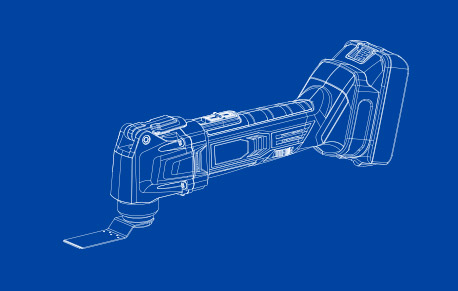
Multifunctional oscillating Saw
-
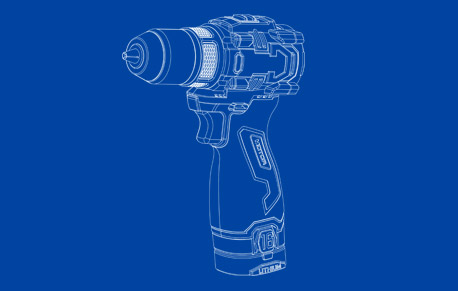
Power Drill
-
Rotary Hammer Drill

-
Impact Wrench

-
Electric Screwdriver

-
Angle Grinder

-
Handheld Pressure Washer

-
Handheld Lawn Mower

-
Lithium Turbo Jet Blower

-
Electric Pruning Shears

-
Lithium ChainSaw

-
Handheld Tiller Cultivator

-
Plant Watering Devices

-
Air Pump


CATEGORIES
- Electric Woodworking Saw
- Multifunctional oscillating Saw
- Power Drill
- Rotary Hammer Drill
- Impact Wrench
- Electric Screwdriver
- Angle Grinder
- Handheld Pressure Washer
- Handheld Lawn Mower
- Lithium Turbo Jet Blower
- Electric Pruning Shears
- Lithium ChainSaw
- Handheld Tiller Cultivator
- Plant Watering Devices
- Air Pump
Handheld Tiller Cultivator Manufacturers
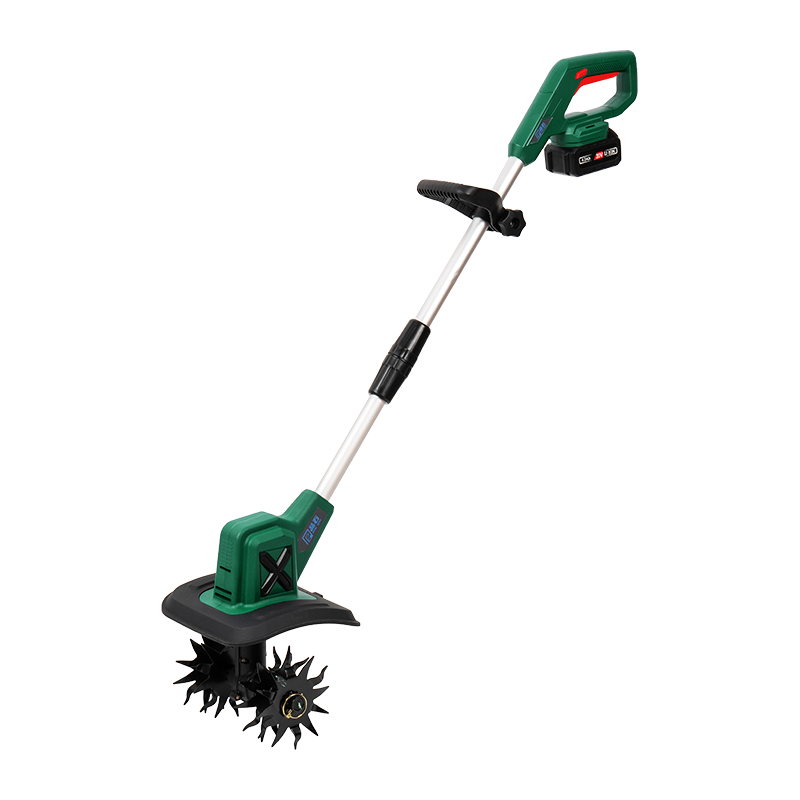
The handheld tiller cultivator is a compact agricultural machine that combines efficiency, portability, and versatility. By driving a motor to rotate the cultivating blades, it rapidly tills the soil, loosens earth, and removes weeds, fundamentally transforming the traditional labor-intensive farming methods that rely on hoes and shovels. It significantly reduces agricultural labor intensity and is particularly suitable for use in small plots, greenhouses, and complex terrains where large agricultural machinery cannot operate. With its unparalleled portability, robust core performance, diverse application scenarios, and remarkable efficiency improvements, the handheld tiller cultivator brings revolutionary convenience to home gardening, nurseries, greenhouses, and small farmland, perfectly bridging the gap between manual labor and large-scale machinery.
About Us
Ningbo Pinshi Electromechanical Co., LTD.
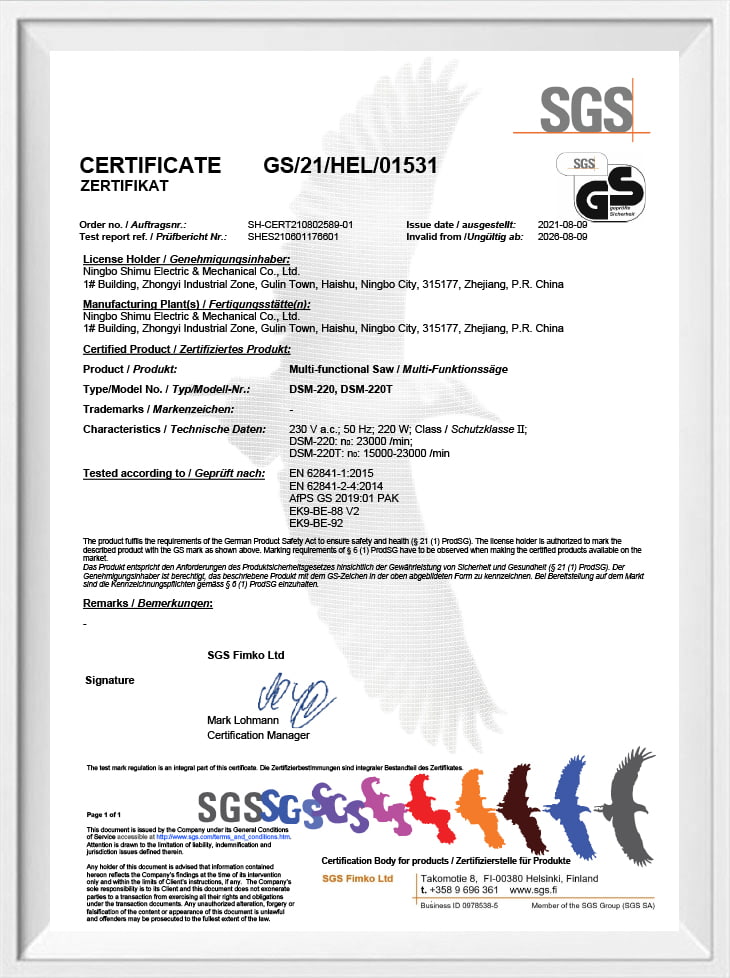
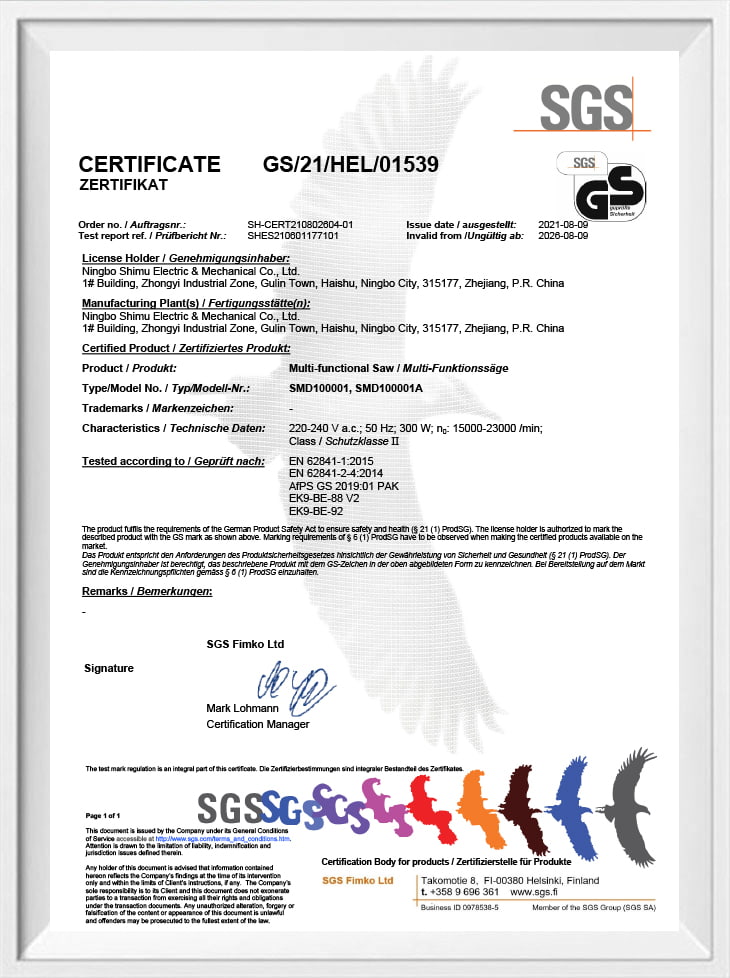
Ningbo Pinshi Electromechanical Co., LTD. was established in 2010. Our factory is located in Gulin Town, Haishu District, Ningbo City, Zhejiang Province. For a long time, our company has been dedicated to the research, development and production of power tools, garden machinery, and industrial basic parts (bearings, guides) series products. As a famous China Handheld Tiller Cultivator Manufacturers and Handheld Tiller Cultivator Factory, our products are exported to Europe, America, Southeast Asia and other countries and regions, and are also widely used in various fields and households in China. Our company's products have been transformed and upgraded from basic household items of mechanical and electrical integration to professional products that are intelligent, efficient, energy-saving and environmentally friendly. They have passed GS, CE and EMC quality certifications and have been widely recognized and trusted by users and industry insiders. We adhere to the business philosophy of winning the market with quality products, gaining credibility with integrity, owning the future with innovation, and attracting customers with cost performance. We look forward to sincere cooperation with colleagues from all walks of life at home and abroad to create a bright future together. We hope that the products of Pinshi can become your reliable assistants and enter every region and every family around the world. Pinshi Company looks forward to your visit and cooperation.
Certificate Of Honor
News
-
-
How the Speed Control System in this Impact Wrench Functions The speed control system in an Impact Wrench functions by regulating the motor’s rotational speed and the frequency of hammer impacts through trigger sensitivity, electronic motor controllers, and internal mechanical m...
READ MORE -
Ease of Adjustment Adjusting the cutting angle and depth on the Electric Woodworking Saw is intuitive and fast. Most models allow angle adjustments from 0 to 45 degrees and depth changes up to 3 inches, using clearly marked levers or knobs. Users can switch between settings in l...
READ MORE
Message Feedback
Handheld Tiller Cultivator Industry knowledge
How Does the Advanced Mechanical Engineering of the Handheld Tiller Cultivator Optimize Modern Soil Management and Aeration?
The Handheld Tiller Cultivator represents a sophisticated synergy of mechanical torque management and portable electrical engineering. As a renowned China Handheld Tiller Cultivator Manufacturers and Handheld Tiller Cultivator Factory, Ningbo Pinshi Electromechanical Co., LTD. has refined this technology to move beyond basic garden tools into the realm of professional agricultural equipment. The core of this machine is designed to address the "last mile" of farming—those precise, confined areas where large-scale tractors cannot maneuver, such as small-plot farmland, industrial greenhouses, and complex terraced landscapes.
Deep Analysis of Working Principles and Drive Systems The operational efficiency of the handheld tiller cultivator is predicated on its high-torque drive system. Unlike standard consumer models, professional units from Ningbo Pinshi utilize an advanced brushless motor architecture. By eliminating the friction and electrical noise of carbon brushes, these motors deliver a significant increase in energy conversion efficiency. This power is funneled through a heavy-duty, reinforced worm gear or planetary gear reduction box. This specific gear configuration is essential because it converts the high-speed rotational energy of the motor into the low-speed, high-torque output required to penetrate compacted clay or "virgin" soil that has not been tilled for seasons.
Material Science in Tilling Blade Design The cultivating blades are the "front line" of the machine. These are manufactured from high-carbon steel subjected to a rigorous isothermal quenching heat treatment. This process ensures the blades possess a high degree of surface hardness to resist abrasion from sand and stones, while maintaining a flexible core to prevent snapping under sudden impact. The blade geometry is "self-cleaning," designed to shed root clusters and mud during rotation, ensuring that the machine maintains its efficiency without clogging during prolonged use in moist soil.
Versatile Professional Application Scenarios:
Controlled Environments : The zero-emission profile of lithium-powered tillers is a fundamental prerequisite for modern indoor farming and high-intensity hydroponic or soil-based greenhouses. Traditional petrol-based machinery is prohibited in these enclosed structures due to the rapid accumulation of toxic exhaust gases like carbon monoxide and nitrogen oxides, which pose severe health risks to workers and can cause physiological stress or stunted growth in delicate ornamental plants and vegetable crops. The ultra-compact width of the Ningbo Pinshi units (typically ranging from 200 mm to 350 mm) allows for surgical precision when preparing soil beds within narrow rows, ensuring that aeration is achieved without disturbing the established, sensitive root systems of adjacent nursery stock.
Scientific Soil Amending and Top-Dressing: Beyond the primary task of breaking ground, the handheld tiller is an indispensable precision tool for the complex process of "incorporating" soil amendments. In modern regenerative agriculture, farmers must often blend high-density organic compost, biochar, volcanic rock dust, or agricultural lime deep into the soil profile rather than merely spreading it on the surface. Surface application is often inefficient as nutrients can be washed away by irrigation or heavy rainfall. By using the tiller to mechanically integrate these amendments, growers ensure that vital nutrients are placed at a depth where the primary root zone will develop, facilitating immediate uptake and long-term soil health.
Horticultural Weed Eradication and Integrated Pest Management: By adjusting the machine’s depth stake for shallow-depth cultivation, the handheld tiller functions as a high-efficiency mechanical weeder. This process is most effective when targeting weeds at the germinating "white thread" stage; the high-speed rotation of the tines disturbs the soil just enough to expose these fragile roots to the dehydrating effects of sun and air. This mechanical disruption significantly reduces the operational reliance on chemical herbicides, making it a cornerstone for organic farming certifications. Furthermore, disturbing the top layer of soil can expose hidden larvae and pests to natural predators, acting as a non-toxic component of an Integrated Pest Management strategy.
|
Technical Parameter Index |
Professional Tiller Cultivator Specification |
Operational & Economic Value |
|---|---|---|
|
Motor Type |
Intelligent High-Torque Brushless Drive |
90% Energy efficiency, near-zero maintenance |
|
Transmission System |
Sealed Reinforced Worm Gear Box |
Maximum torque for breaking hard-pan soil layers |
|
Tilling Width |
Adjustable 200 mm - 350 mm |
Flexibility for narrow beds and open landscapes |
|
Tilling Depth |
100 mm - 250 mm (Professional Grade) |
Promotes deep vertical root development |
|
Mechanical Security |
GS, CE, and EMC Certified |
Global compliance for safety and reliability |
|
Blade Metallurgy |
Quenched High-Carbon Alloy Steel |
Extended life-cycle, reduces replacement costs |
What Are the Critical Installation Protocols and Safety Handling Procedures for Professional Soil Cultivation?
Maximizing the lifespan of a product from a specialized Handheld Tiller Cultivator Factory requires more than just assembly; it requires a systematic "Pre-Flight" check and a disciplined approach to field operation. Ningbo Pinshi Electromechanical Co., LTD. integrates "Humanized Design" into every unit, but the operator must serve as the guardian of the machine's mechanical integrity.
Advanced Assembly and Calibration Steps:
Ergonomic Handle Calibration: The assembly of the handle system is not merely about tightening bolts. The height and angle must be calibrated to the operator’s "Pivot Point." When the tines are engaged in the soil, the handles should be at waist height with a slight bend in the elbow. This posture allows the operator to use their body weight to control the machine, rather than relying solely on arm strength, which prevents long-term musculoskeletal fatigue.
Tine Phasing and Shaft Alignment: When installing the blades, the operator must ensure they are "phased" correctly. This means the cutting edges must enter the soil in a staggered sequence to minimize vibration. A common error is installing the blades backward; the sharp, curved edge must always lead into the rotation. Use the high-precision locking pins to ensure no lateral "play" exists on the drive shaft.
Safety Interlock Verification: Before inserting the lithium battery or connecting to power, the safety lock-off button must be depressed and released multiple times. It should snap back into the locked position instantly. This button prevents the machine from starting if the trigger is accidentally bumped during transport.
Professional Field Operational Norms:
Soil Texture and Moisture Management: Tilling at the incorrect time can permanently destroy the delicate tilth of the soil. If the soil is saturated with water, the mechanical action of the tiller will create large, dense "clods" that dry into a consistency similar to sun-baked bricks, making future cultivation nearly impossible. Conversely, if the soil is too dry, the blades will fail to penetrate effectively, instead bouncing across the surface while creating a hazardous dust cloud that can clog the machine's intake. The "Squeeze Test" remains the industry gold standard: Squeeze a handful of soil into a compact ball; if it holds its shape but crumbles easily when poked with a finger, it has reached the ideal moisture level for high-efficiency cultivation.
The "Pendulum" Technique for Hard Ground: When confronting compacted earth or virgin soil, operators should avoid attempting to force the machine forward with brute strength. Instead, allow the high-torque blades to dig into the surface, then gently pull the machine back toward you, allowing it to "swing" like a pendulum. This repetitive forward-and-back motion allows the mechanical force of the rotating tines to break the soil into progressively finer aggregates, ensuring deep aeration without triggering the motor’s internal "Overload" protection circuitry.
Cable and Path Discipline: For operators utilizing corded electric units, it is vital to develop a disciplined "working away" pattern to ensure the power source remains behind the direction of travel. Draping the power cable over your shoulder keeps it clear of the high-speed rotating tines. For lithium-powered professional units, always carry a secondary charged battery pack to the field; this prevents the temptation to over-stress the machine when trying to finish a large plot on a single, dying battery, which can lead to deep-discharging and permanent cell degradation.
Personal Protective Equipment: Due to the high-velocity rotation of the tilling blades, small rocks, hidden glass, or heavy clay can be ejected from the machine with significant projectile force. Professional operators must consider full-face shields and steel-toed boots as non-negotiable requirements. Furthermore, using vibration-dampening gloves can mitigate the risks of Hand-Arm Vibration Syndrome (HAVS) during extended commercial sessions.
How Can a Systematized Maintenance and Lifecycle Management Strategy Extend the Operational Life of Your Cultivator?
Because the handheld tiller cultivator operates in an environment of abrasive grit, moisture, and high-vibration, its maintenance requirements are higher than most other garden tools. Ningbo Pinshi Electromechanical Co., LTD. utilizes high-precision industrial basic parts (bearings and guides) in its construction, but these parts require protection from the elements to maintain their factory-level tolerances.
Comprehensive Mechanical Maintenance Protocols:
Post-Cultivation "Deep Clean": After every use, the machine must be hosed down (avoiding the motor housing) and the blades scrubbed. If mud is allowed to dry on the blades, it creates an unbalanced rotational mass that puts excessive lateral stress on the industrial bearings. Once dry, applying a light coat of anti-corrosion spray to the high-carbon steel blades is highly recommended.
Drive Shaft and Bearing Lubrication: The point where the drive shaft exits the gearbox is the most vulnerable to dust ingress. Periodically inspect the dust seals. If the machine develops a high-pitched squeak, it likely indicates that the industrial guides require a fresh application of high-pressure lithium grease.
Blade Sharpening and Geometry Correction: A dull blade is the primary cause of motor burnout and battery drain. Use a flat file or a low-speed grinder to maintain the 30-degree bevel on the cutting edges. If a blade becomes bent from hitting a stone, it must be straightened or replaced immediately to prevent shaft imbalance.
Intelligent Electrical and Battery Care:
Seasonal Storage Protocol and Thermal Defense: For long-term seasonal storage—particularly over the winter months—the lithium-ion battery pack must be removed from the cultivator chassis. It is essential to store the battery in a climate-controlled, dry environment at room temperature, ideally maintained at approximately 60% of its total charge capacity. Professional operators must never store a battery at 0% charge, as this can trigger a chemical "sleep" mode or permanent cell failure, rendering the expensive energy unit useless for the next season.
Cooling Vent Maintenance and Debris Clearance: Dust and fine particulate matter are the primary enemies of high-performance electronics. Operators should regularly use compressed air to blow out the motor's cooling vents and air intakes. If these vents become clogged with soil residue, the brushless motor cannot adequately dissipate heat, leading to thermal throttling or catastrophic failure of the intelligent control board's power MOSFETs.
Firmware and Connection Integrity Checks: For modern, high-end "intelligent" models, it is vital to ensure that the gold-plated battery contact points remain free of carbon buildup or soil contamination. Utilizing a specialized electrical contact cleaner to remove oxidation will prevent voltage drops that could otherwise decrease the machine's "Efficient and Energy-Saving" performance. Additionally, check for any loosened wiring harnesses that may have been disturbed by the high-frequency vibration inherent in soil cultivation.
Global Quality Commitment Every handheld tiller cultivator produced by Ningbo Pinshi is a testament to the business philosophy of "winning the market with quality products and gaining credibility with integrity." By passing GS, CE, and EMC quality certifications, these products have proven their durability in laboratories. However, their real-world longevity is in the hands of the user. By following this rigorous maintenance and operation guide, you ensure that your Pinshi equipment remains a high-performance, reliable assistant that will serve your family or your business for decades to come, creating a bright future for modern gardening technology across the globe.
-
LINK
-
product
-
Quick Contact
-
 Building 1, Floor 1, Industrial Zone, Zhongyi Village, Guolin Town, Haishu District, Ningbo City, Zhejiang Province, China
 -
 +86-13906619096
 -
 Michael@chinashimu.com
-
KEEP IN TOUCH
Copyright© Ningbo Pinshi Electromechanical Co., LTD.
