
 English
 русский
 Español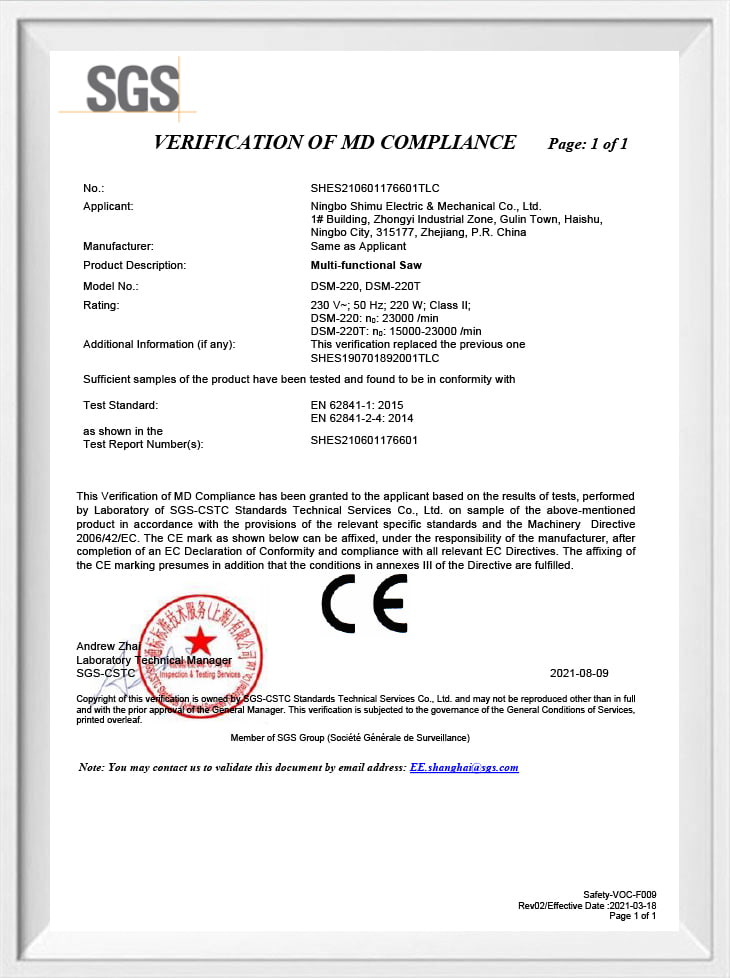
Electric Pruning Shears perform best within their rated cutting diameter range (typically 20mm–40mm), maintaining clean, efficient cuts on small to medium branches, while performance gradually declines as branch diameter approaches the tool’s maximum capacity. This applies equal...
READ MORE-
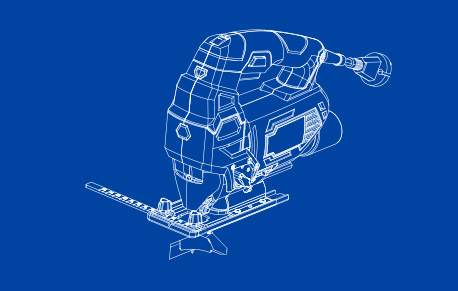
Electric Woodworking Saw
-
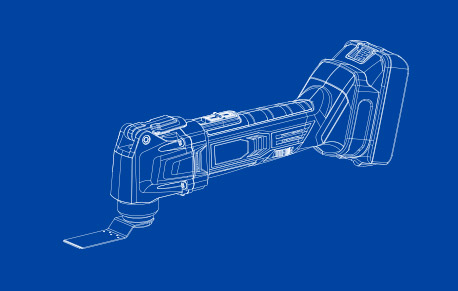
Multifunctional oscillating Saw
-
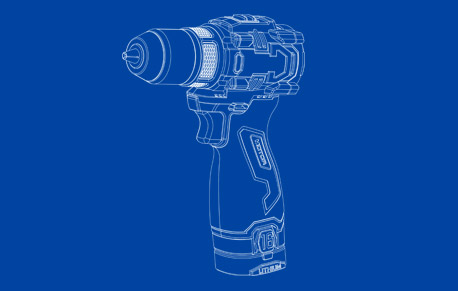
Power Drill
-
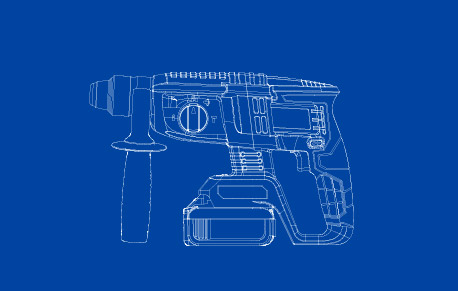
Rotary Hammer Drill
-
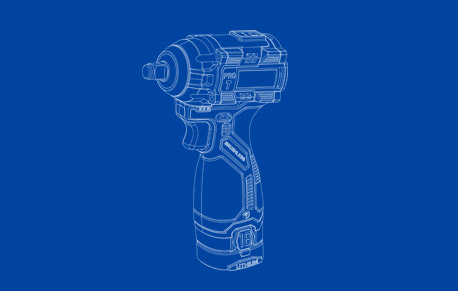
Impact Wrench
-
Electric Screwdriver
-
Angle Grinder
-
Handheld Pressure Washer
-
Handheld Lawn Mower
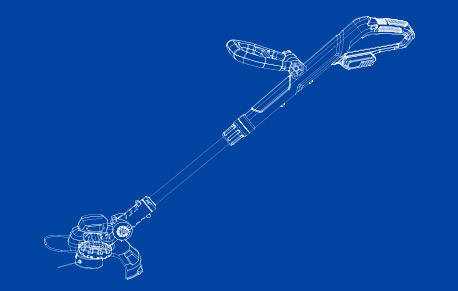
-
Lithium Turbo Jet Blower
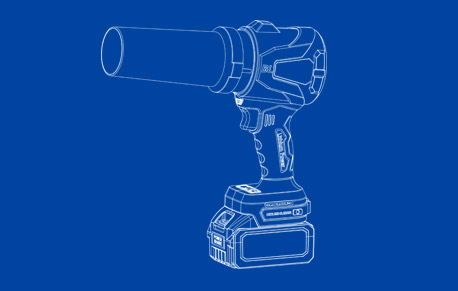
-
Electric Pruning Shears
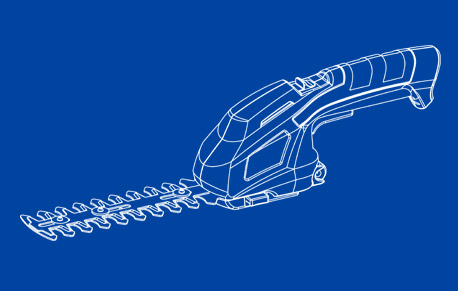
-
Lithium ChainSaw
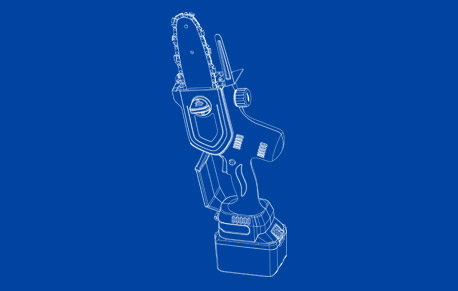
-
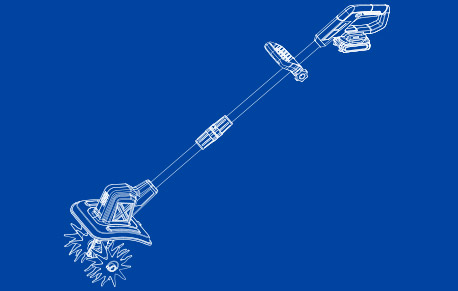
Handheld Tiller Cultivator
-
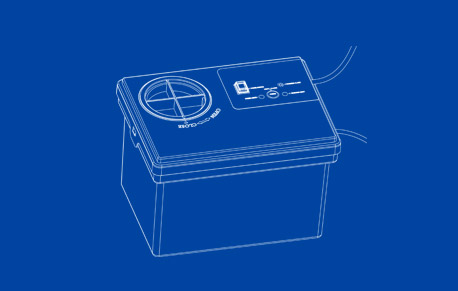
Plant Watering Devices
-
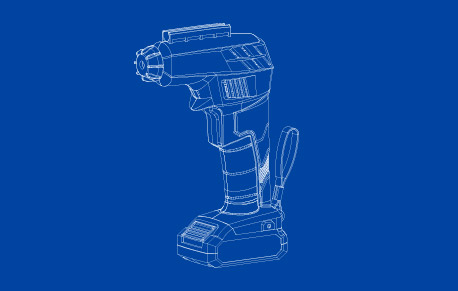
Air Pump

CATEGORIES
- Electric Woodworking Saw
- Multifunctional oscillating Saw
- Power Drill
- Rotary Hammer Drill
- Impact Wrench
- Electric Screwdriver
- Angle Grinder
- Handheld Pressure Washer
- Handheld Lawn Mower
- Lithium Turbo Jet Blower
- Electric Pruning Shears
- Lithium ChainSaw
- Handheld Tiller Cultivator
- Plant Watering Devices
- Air Pump
Cordless Impact Wrench Manufacturers
-
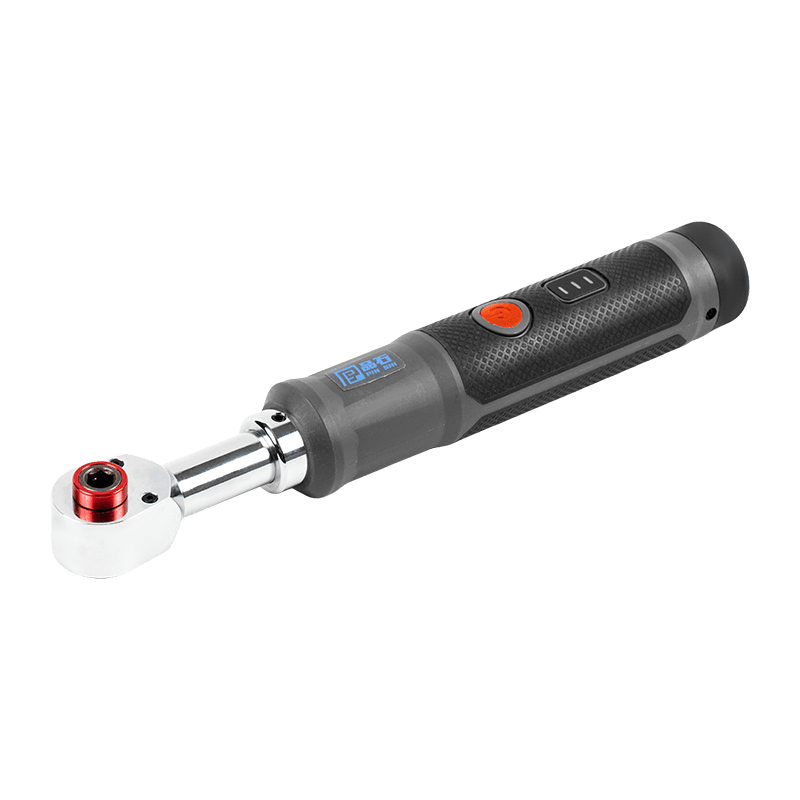
4V Electric Assist Ratchet Wrench
-
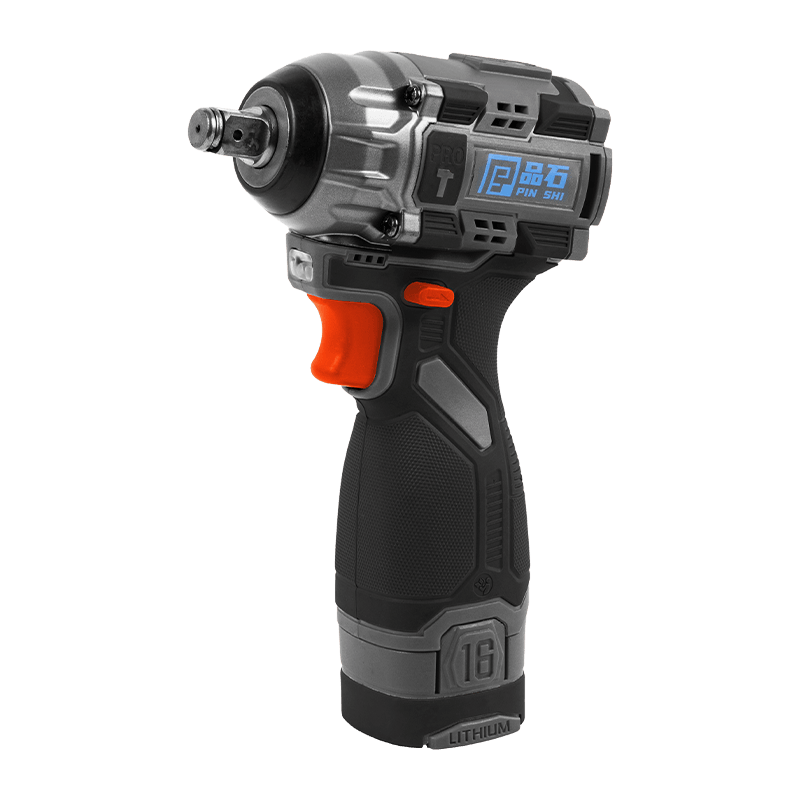
16V Cordless Impact Wrench
-
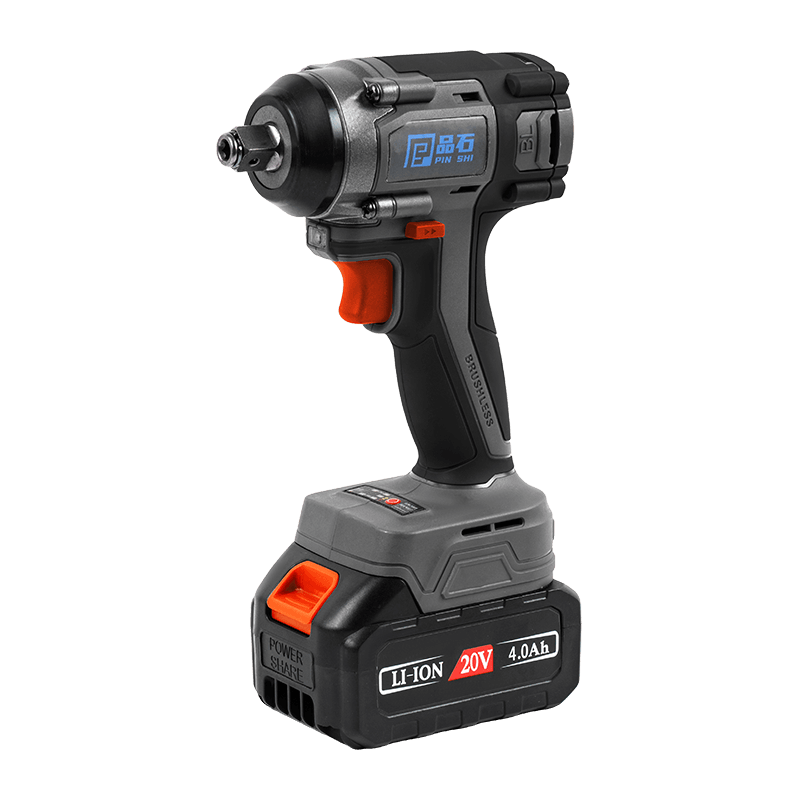
20V Li-ion Impact Wrench
-
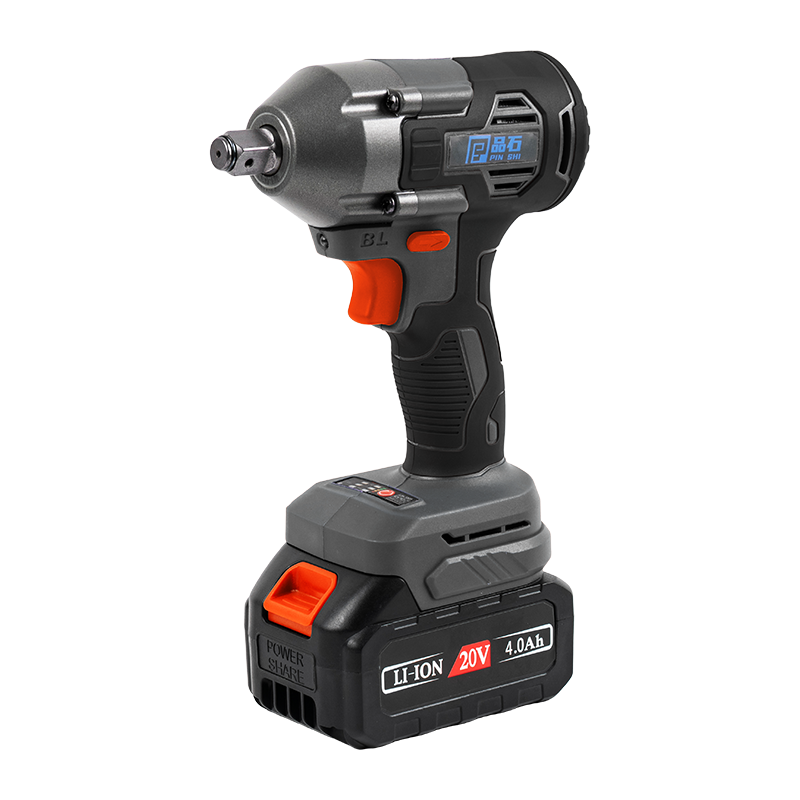
20V Brushless Impact Wrench
Electric impact wrenches are highly efficient and powerful professional tools for fastening and loosening bolts. With their unique working mechanism, they are widely used in household DIY projects, modern industrial manufacturing, automotive repair, construction engineering, and other fields, particularly in scenarios requiring efficient handling of high-strength bolts. Unlike traditional wrenches, standard electric wrenches, or pneumatic wrenches, electric impact wrenches integrate various advanced features such as variable speed control, forward and reverse rotation functions, and impact mechanisms, enabling sustained impact frequency and stable torque output. Lithium-ion models equipped with brushless motor technology offer comprehensive advantages in efficiency, portability, power, cost-effectiveness, and environmental friendliness. Additionally, electric impact wrenches are fitted with auxiliary features like LED lights and battery level indicators, further enhancing the user experience.
About Us
Ningbo Pinshi Electromechanical Co., LTD.
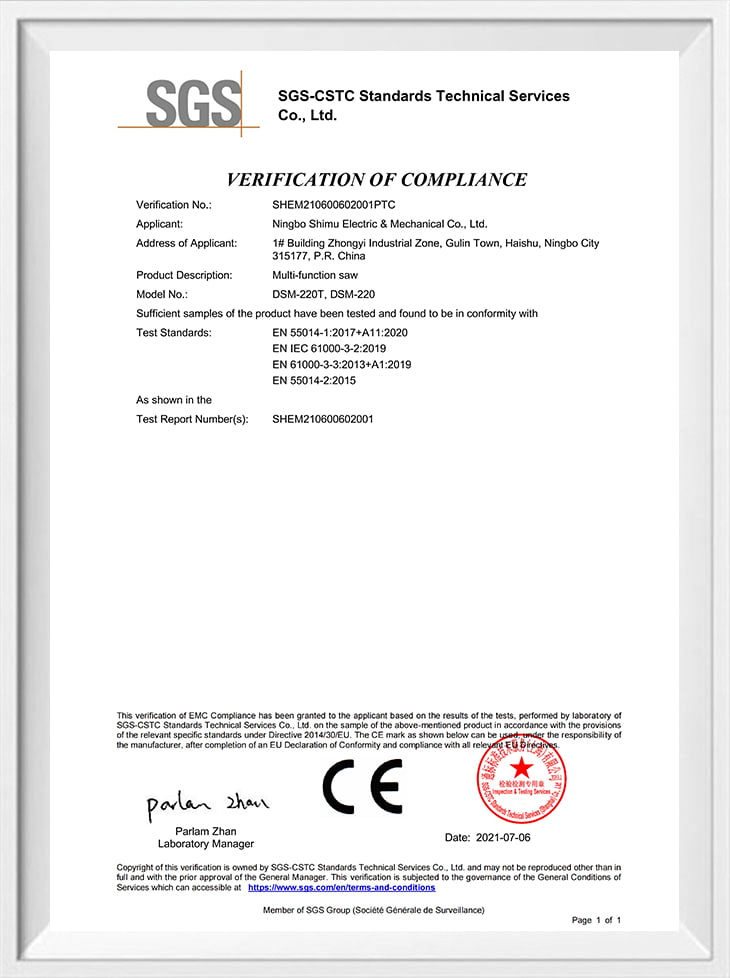
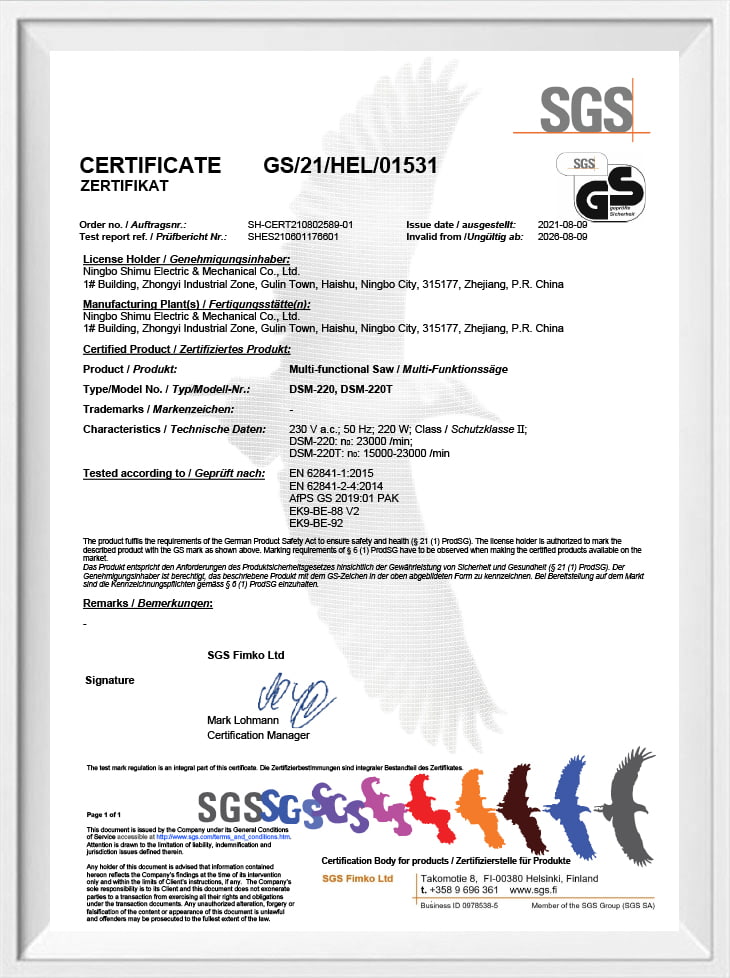
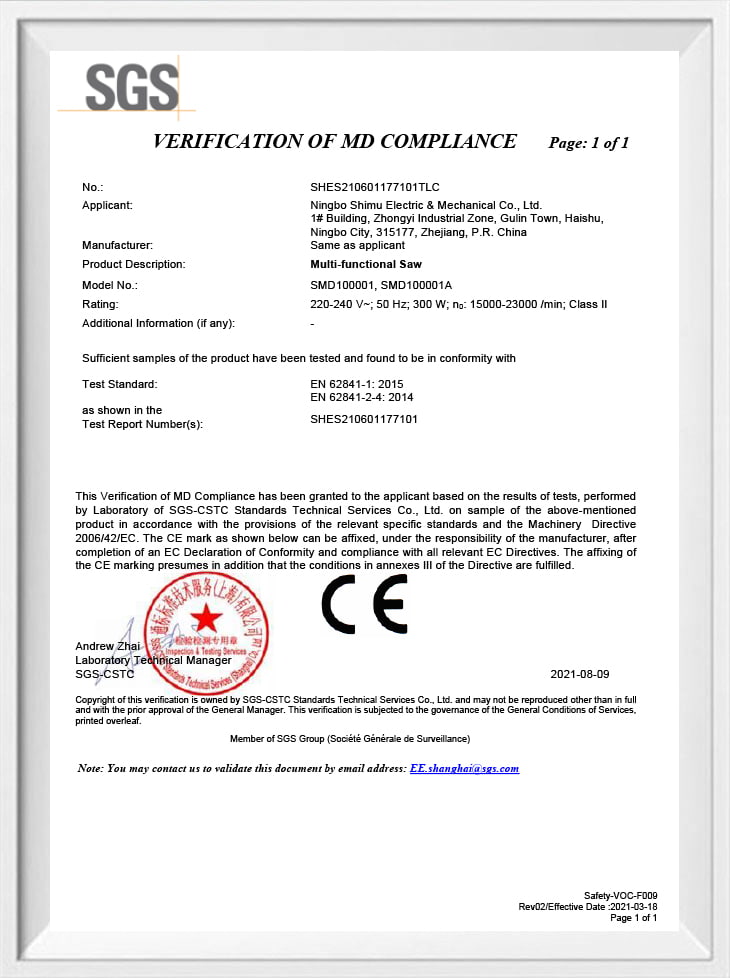
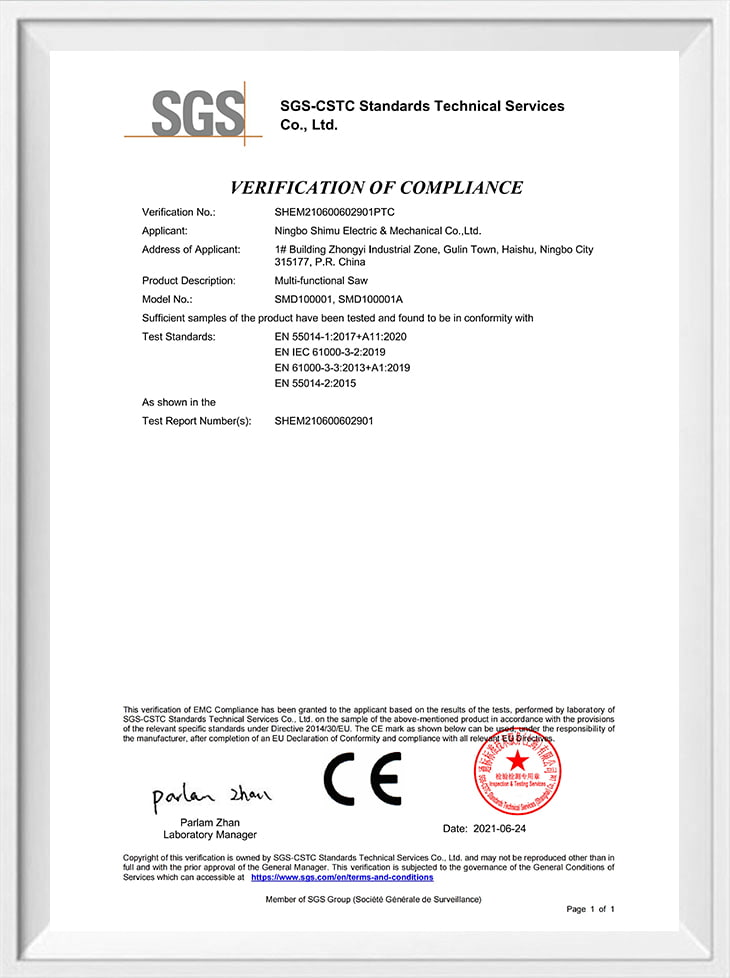
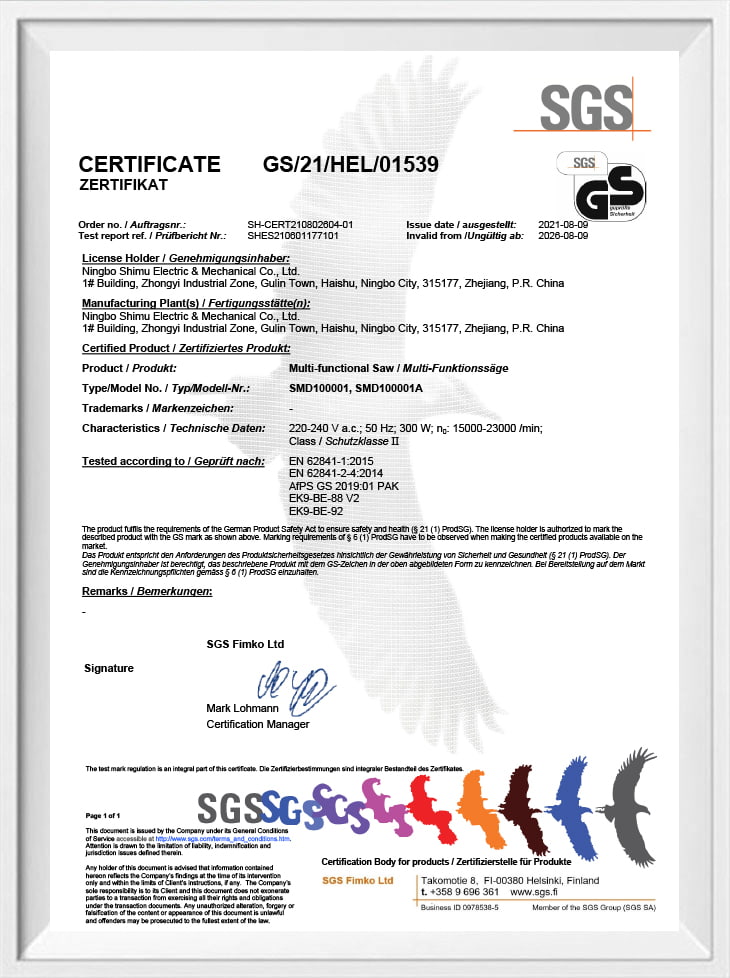
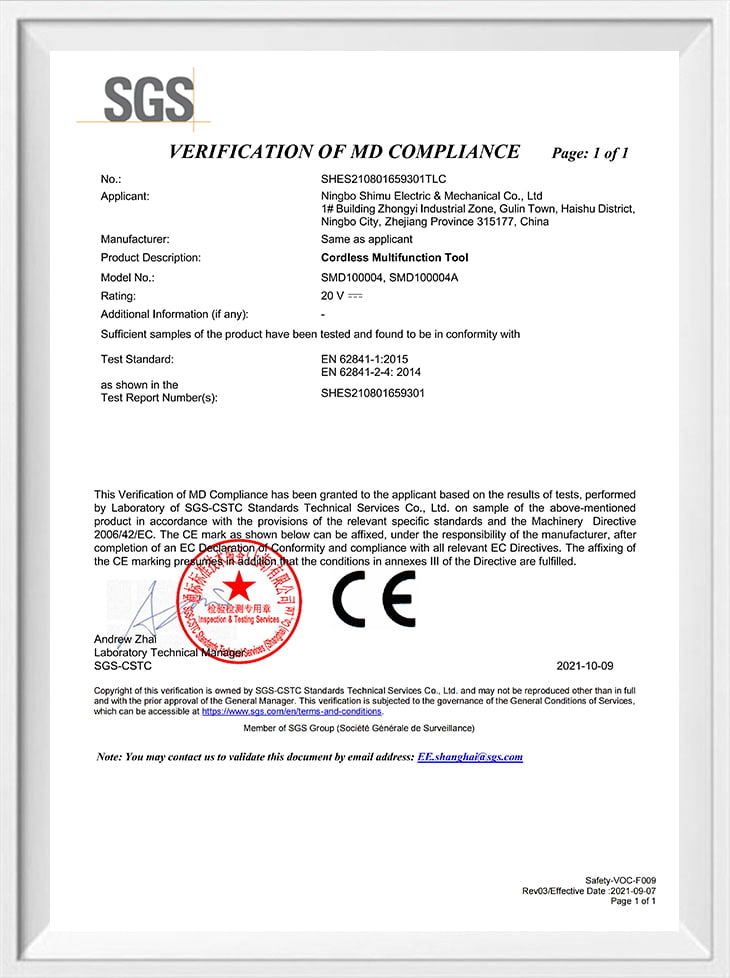
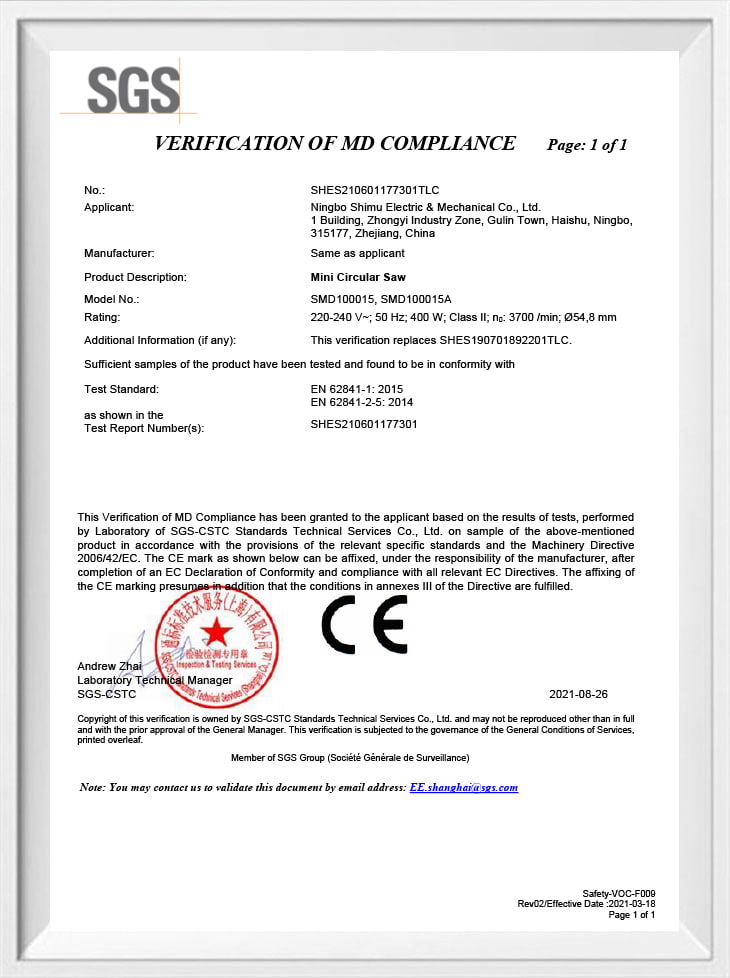
Ningbo Pinshi Electromechanical Co., LTD. was established in 2010. Our factory is located in Gulin Town, Haishu District, Ningbo City, Zhejiang Province. For a long time, our company has been dedicated to the research, development and production of power tools, garden machinery, and industrial basic parts (bearings, guides) series products. As a famous China Electric Impact Wrench Manufacturers and Impact Wrench Suppliers, our products are exported to Europe, America, Southeast Asia and other countries and regions, and are also widely used in various fields and households in China. Our company's products have been transformed and upgraded from basic household items of mechanical and electrical integration to professional products that are intelligent, efficient, energy-saving and environmentally friendly. They have passed GS, CE and EMC quality certifications and have been widely recognized and trusted by users and industry insiders. We adhere to the business philosophy of winning the market with quality products, gaining credibility with integrity, owning the future with innovation, and attracting customers with cost performance. We look forward to sincere cooperation with colleagues from all walks of life at home and abroad to create a bright future together. We hope that the products of Pinshi can become your reliable assistants and enter every region and every family around the world. Pinshi Company looks forward to your visit and cooperation.
Certificate Of Honor
News
-
-
How the Speed Control System in this Impact Wrench Functions The speed control system in an Impact Wrench functions by regulating the motor’s rotational speed and the frequency of hammer impacts through trigger sensitivity, electronic motor controllers, and internal mechanical m...
READ MORE -
Ease of Adjustment Adjusting the cutting angle and depth on the Electric Woodworking Saw is intuitive and fast. Most models allow angle adjustments from 0 to 45 degrees and depth changes up to 3 inches, using clearly marked levers or knobs. Users can switch between settings in l...
READ MORE
Message Feedback
Impact Wrench Industry knowledge
Does the Performance of Impact Wrench Remain Stable Under Different Loads?
Industry Context of Impact Wrenches
Impact wrenches are widely used in automotive repair, construction, and industrial assembly where fasteners require high torque for tightening or loosening. The performance stability of these tools under varying loads is an important factor for efficiency and operator confidence. Ningbo Pinshi Electromechanical Co., LTD., with its decade-long experience in power tools and industrial components, designs impact wrenches considering practical load variations in professional and household environments.
Principle of Torque Delivery
An impact wrench generates torque through a combination of rotational motor power and a hammering mechanism. The tool delivers bursts of high torque that overcome resistance from fasteners. Under different loads, the interaction between the motor, hammer mechanism, and internal components such as bearings and guides determines how consistently torque is transmitted.
Effect of Load Variation on Motor and Hammer Mechanism
As load increases, the motor may experience higher current draw, resulting in temperature rise. The hammering mechanism also encounters greater mechanical resistance, which can slightly alter the impact rhythm. Modern design and material selection aim to minimize this effect, ensuring that the tool maintains effective torque delivery even under heavy or fluctuating loads.
| Load Type | Influence on Torque | Mitigation Measures |
| Light Load | Minimal resistance, torque delivery remains smooth | Standard motor speed and impact frequency |
| Medium Load | Increased resistance, minor adjustment in hammer rhythm | Optimized hammer design and motor calibration |
| Heavy Load | High resistance, higher current draw and heat | Component reinforcement, efficient lubrication, and thermal management |
Role of Internal Components in Load Stability
Bearings and guides contribute to smooth rotation and impact transfer. Their alignment and quality influence how the tool responds under different torque requirements. Companies like Ningbo Pinshi Electromechanical Co., LTD. leverage their experience in industrial basic parts to select and assemble components that maintain operational consistency during extended use under varying loads.
Importance of Lubrication and Maintenance
Proper lubrication is crucial for stable performance under different loads. Grease or oil applied to moving parts reduces friction, dissipates heat, and supports consistent impact transmission. Regular inspection of bearings, hammer mechanisms, and drive components ensures that performance remains stable over time despite varying operational demands.
Influence of Battery or Power Source
For battery-powered impact wrenches, lithium-ion technology provides relatively stable voltage and current delivery. This helps maintain consistent torque even when encountering sudden changes in load. Corded models deliver continuous electrical power but may experience variations if the power supply fluctuates. Proper battery or power management contributes to consistent tool behavior across different load conditions.
Thermal Management During Continuous Operation
Heat accumulation during high-load operation can influence performance. Thermal expansion may slightly affect the hammer mechanism and motor efficiency. Effective ventilation, heat-dissipating materials, and thoughtful internal design help mitigate thermal effects, allowing the impact wrench to maintain operational consistency during extended periods of heavy use.
User Handling and Load Distribution
Operator technique also affects performance stability. Applying consistent pressure and allowing the tool to operate within its design range ensures steady torque delivery. Abrupt or excessive force may temporarily alter impact rhythm, even if the internal components are in good condition.
Application Scope and Practical Considerations
Impact wrenches are used across automotive repair, machinery maintenance, and household projects. In these scenarios, loads can vary significantly depending on fastener size, material type, and assembly condition. Tools designed with proper component selection, hammer mechanism calibration, and lubrication systems can deliver reliable performance across these varying conditions, supporting efficiency and work quality.
| Performance Factor | Impact Under Different Loads | Design or Usage Consideration |
| Torque Consistency | Stable within design limits | Optimized hammer and motor system |
| Temperature Influence | Heat may slightly affect rhythm under heavy load | Proper ventilation and material selection |
| Component Wear | Gradual impact with prolonged high load | Maintenance and quality bearings/guides |
| Power Source Stability | Battery or cord performance influences torque delivery | Use of lithium-ion batteries or stable electrical supply |
Manufacturer Experience and Load Adaptation
Manufacturers with experience in both power tools and industrial basic components, such as Ningbo Pinshi Electromechanical Co., LTD., design impact wrenches that account for real-world variations in load. Proper component matching, hammer mechanism design, and power system calibration contribute to maintaining stable performance across different operational conditions.
FAQ
Q: How does load variation affect the torque output of an impact wrench?
A: Torque output can fluctuate slightly under different load conditions due to changes in motor stress and hammer mechanism resistance. Properly designed impact wrenches, such as those from experienced manufacturers like Ningbo Pinshi Electromechanical Co., LTD., use optimized internal components to maintain consistent torque across varying fastener sizes and material types.
Q: What role do bearings and guides play in maintaining performance under heavy use?
A: Bearings and guides ensure smooth rotation and efficient energy transfer within the hammer mechanism. High-quality bearings reduce friction and wear, supporting stable operation during prolonged or high-load tasks, which is especially important in automotive or industrial applications.
Q: Can an impact wrench handle continuous operation without losing effectiveness?
A: Continuous operation can generate heat and mechanical stress. Tools designed with thermal management, proper lubrication, and reinforced components can sustain consistent impact performance over extended use. Manufacturers with experience in industrial parts assembly, like Ningbo Pinshi Electromechanical Co., LTD., consider these factors in design.
Q: How does battery quality influence cordless impact wrench performance?
A: In battery-powered models, lithium-ion batteries provide stable voltage and current output, which helps maintain consistent torque delivery. Battery capacity and discharge characteristics directly influence runtime and performance, making battery management critical for prolonged or intensive tasks.
Q: What maintenance practices help preserve impact wrench efficiency?
A: Regular inspection of the hammer mechanism, bearings, lubrication levels, and drive components ensures long-term performance. Proper cleaning and timely replacement of worn parts help maintain torque stability and reduce mechanical wear during heavy or repeated use.
Q: How do environmental conditions affect an impact wrench's operation?
A: Dust, humidity, and temperature can influence motor efficiency, ventilation, and lubrication behavior. Working in challenging conditions may require more frequent maintenance and monitoring to maintain stable torque output and tool reliability.
Q: Are impact wrenches equally effective across different fastener materials?
A: Effectiveness can vary with material hardness and fastener size. Using appropriate sockets or bits and operating the tool within its design specifications helps achieve stable performance when working with metals, composites, or wood fasteners.
-
LINK
-
product
-
Quick Contact
-
 Building 1, Floor 1, Industrial Zone, Zhongyi Village, Guolin Town, Haishu District, Ningbo City, Zhejiang Province, China
 -
 +86-13906619096
 -
 Michael@chinashimu.com
-
KEEP IN TOUCH
