
 English
 русский
 Español




Electric Pruning Shears perform best within their rated cutting diameter range (typically 20mm–40mm), maintaining clean, efficient cuts on small to medium branches, while performance gradually declines as branch diameter approaches the tool’s maximum capacity. This applies equal...
READ MORE-
Electric Woodworking Saw

-
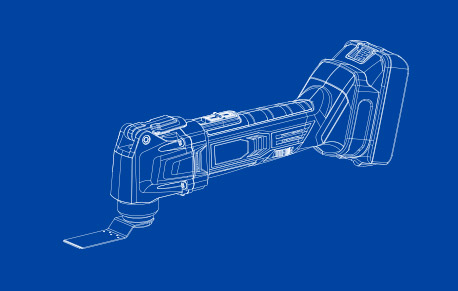
Multifunctional oscillating Saw
-
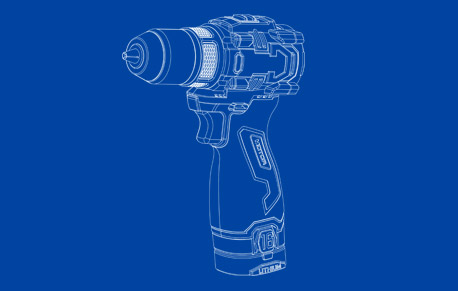
Power Drill
-
Rotary Hammer Drill

-
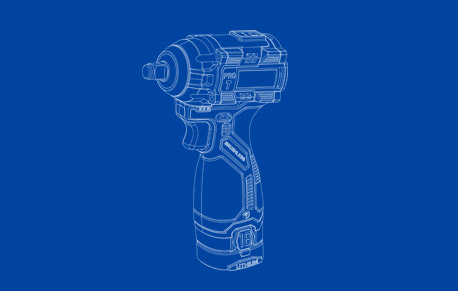
Impact Wrench
-
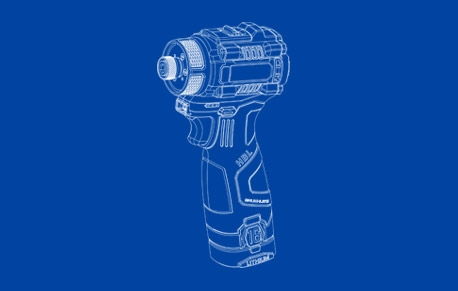
Electric Screwdriver
-
Angle Grinder

-
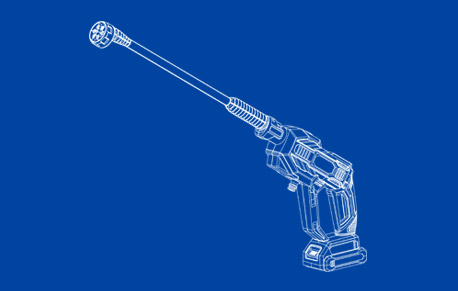
Handheld Pressure Washer
-
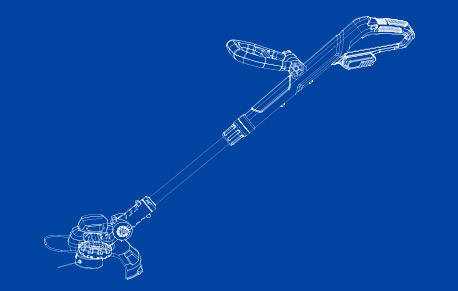
Handheld Lawn Mower
-
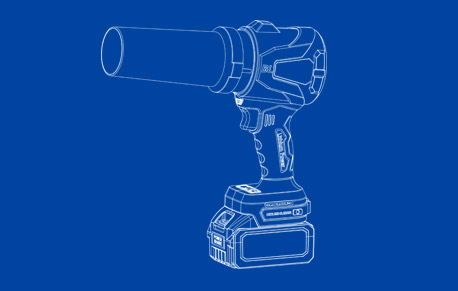
Lithium Turbo Jet Blower
-
Electric Pruning Shears

-
Lithium ChainSaw

-
Handheld Tiller Cultivator

-
Plant Watering Devices
-
Air Pump

CATEGORIES
- Electric Woodworking Saw
- Multifunctional oscillating Saw
- Power Drill
- Rotary Hammer Drill
- Impact Wrench
- Electric Screwdriver
- Angle Grinder
- Handheld Pressure Washer
- Handheld Lawn Mower
- Lithium Turbo Jet Blower
- Electric Pruning Shears
- Lithium ChainSaw
- Handheld Tiller Cultivator
- Plant Watering Devices
- Air Pump
Plant Watering Devices Manufacturers
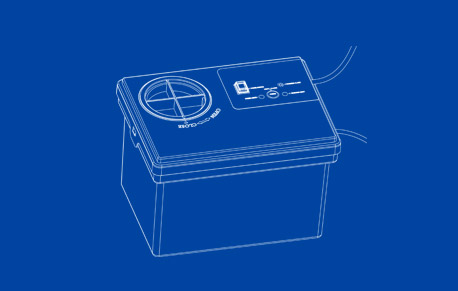
The plant watering devices is a miniature horticultural ecosystem that integrates sensing, monitoring and automatic irrigation. Through automation and intelligence, it replaces the traditional watering methods and avoids the problems caused by busy work, such as forgetting or improper watering, which leads to premature plant wilting and falling leaves, affecting the aesthetics and posing fire hazards. The plant watering devices emerged to address this issue perfectly. It is an innovative product specifically designed for plant maintenance, and its core advantage lies in bringing unparalleled convenience through automation, ensuring the optimal maintenance effect through precise control, providing comprehensive peace of mind through thoughtful safety design, and combining technology with horticulture to make plant maintenance easy, intelligent and efficient.
About Us
Ningbo Pinshi Electromechanical Co., LTD.
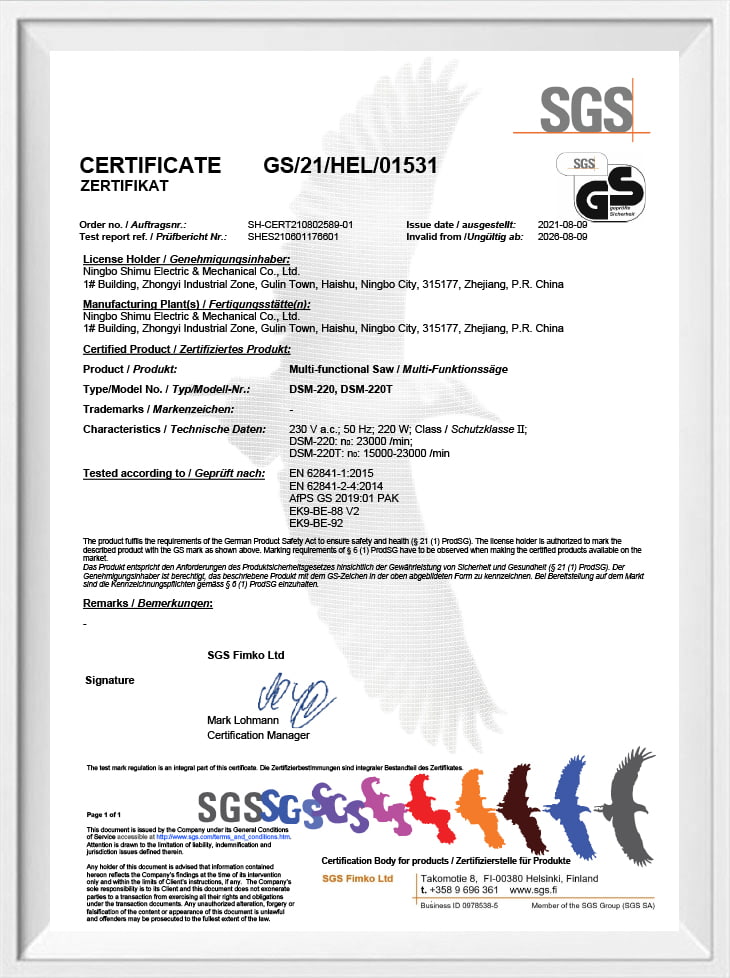
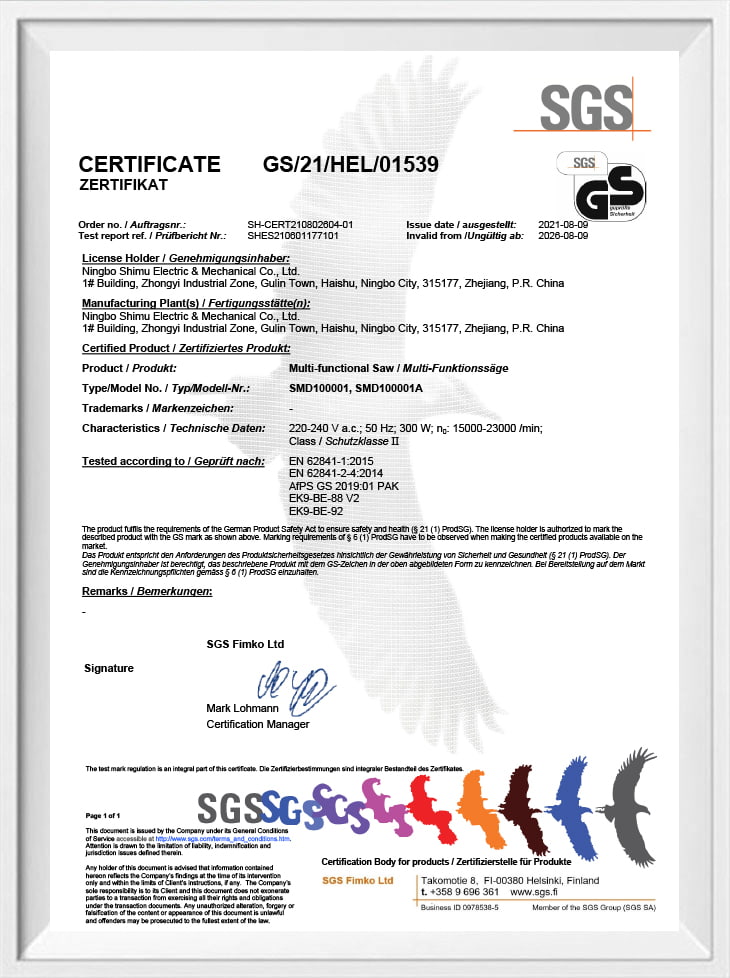
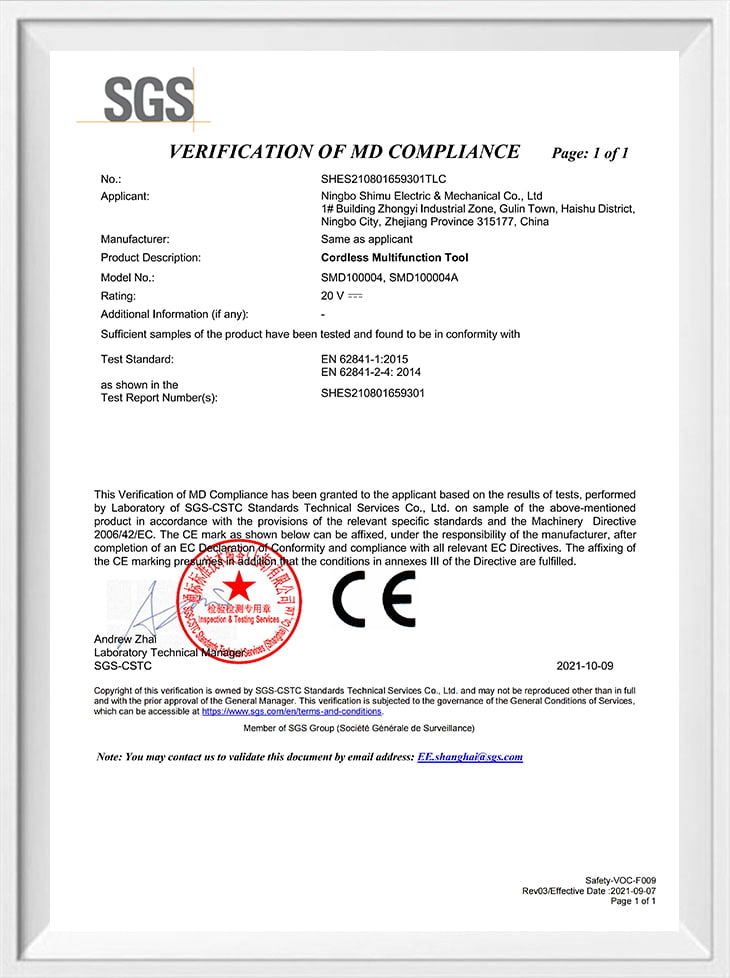
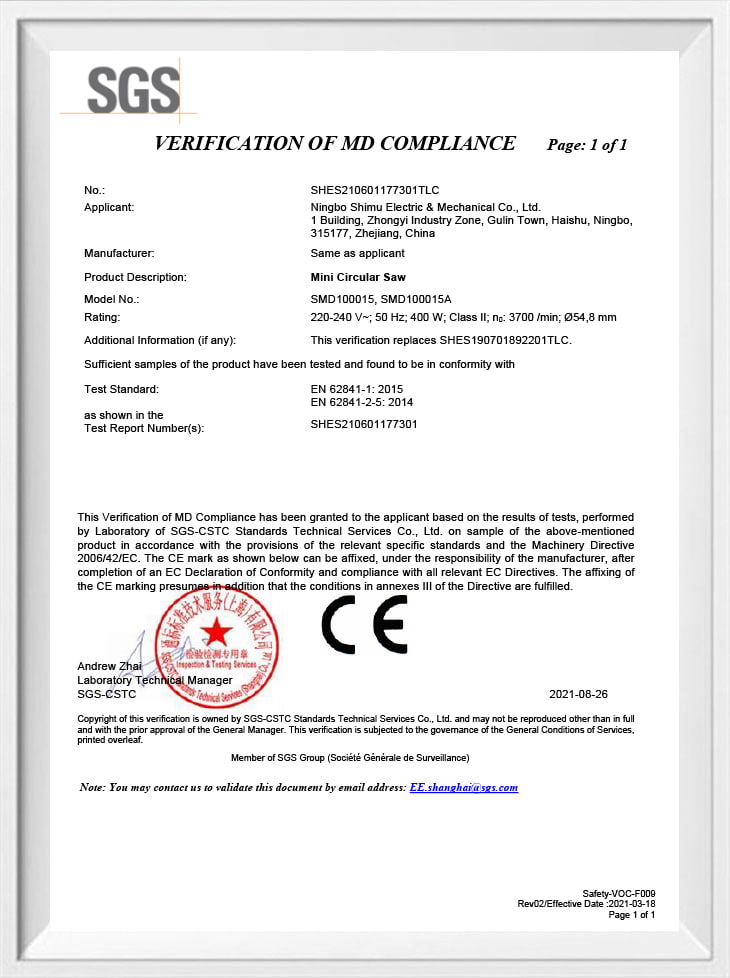
Ningbo Pinshi Electromechanical Co., LTD. was established in 2010. Our factory is located in Gulin Town, Haishu District, Ningbo City, Zhejiang Province. For a long time, our company has been dedicated to the research, development and production of power tools, garden machinery, and industrial basic parts (bearings, guides) series products. As a famous China Plant Watering Devices Manufacturers and Plant Watering Devices Factory, our products are exported to Europe, America, Southeast Asia and other countries and regions, and are also widely used in various fields and households in China. Our company's products have been transformed and upgraded from basic household items of mechanical and electrical integration to professional products that are intelligent, efficient, energy-saving and environmentally friendly. They have passed GS, CE and EMC quality certifications and have been widely recognized and trusted by users and industry insiders. We adhere to the business philosophy of winning the market with quality products, gaining credibility with integrity, owning the future with innovation, and attracting customers with cost performance. We look forward to sincere cooperation with colleagues from all walks of life at home and abroad to create a bright future together. We hope that the products of Pinshi can become your reliable assistants and enter every region and every family around the world. Pinshi Company looks forward to your visit and cooperation.
Certificate Of Honor
News
-
-
How the Speed Control System in this Impact Wrench Functions The speed control system in an Impact Wrench functions by regulating the motor’s rotational speed and the frequency of hammer impacts through trigger sensitivity, electronic motor controllers, and internal mechanical m...
READ MORE -
Ease of Adjustment Adjusting the cutting angle and depth on the Electric Woodworking Saw is intuitive and fast. Most models allow angle adjustments from 0 to 45 degrees and depth changes up to 3 inches, using clearly marked levers or knobs. Users can switch between settings in l...
READ MORE
Message Feedback
Plant Watering Devices Industry knowledge
How Does the Integration of Multi-Sensor Ecosystems and Intelligent Data Feedback Enhance Botanical Survival Rates?
The contemporary Plant Watering Device has evolved far beyond its origins as a simple timer-based pump. In the sophisticated manufacturing environment of Ningbo Pinshi Electromechanical Co., LTD., established in 2010 in Gulin Town, Haishu District, Ningbo City, these devices are now engineered as comprehensive sensory networks. This technological transformation has turned a basic garden tool into a miniature horticultural ecosystem that can "perceive" and "respond" to the micro-climatic needs of individual plants.
Advanced Sensory Modalities and Real-Time Monitoring The foundational core of this intelligent ecosystem lies in its ability to collect high-fidelity data from the plant's immediate environment. Professional-grade plant watering devices manufactured by specialized Plant Watering Devices Factory systems utilize a combination of several critical sensors:
Capacitive Soil Moisture Sensors: Unlike older resistive probes that were prone to corrosion and electrical interference, capacitive sensors measure the dielectric constant of the soil. This allows for a much more accurate reading of water content without the risk of metal ions leaching into the root zone. These sensors provide the primary trigger for the automated irrigation cycle, ensuring that moisture levels are maintained within a specific biological window.
Ambient Light and Temperature Transducers: Photosynthesis and transpiration rates are directly tied to light intensity and ambient temperature. Intelligent devices use these data points to calculate the "Evapotranspiration Rate." In high-temperature or high-light conditions, the system can preemptively increase watering frequency to prevent heat stress, whereas in cooler, dimmer environments, it intelligently scales back to prevent anaerobic soil conditions that lead to root rot.
Integrated Reservoir Level Sensing: A critical peace of mind feature is the ultrasonic or optical water level sensor within the reservoir. This prevents the high-efficiency motors from running dry—a common cause of mechanical failure in lower-quality units. When the water supply is low, the system provides audible and visual alerts, or in some cases, remote notifications via integrated wireless modules.
Data Fusion and Automated Response Logic The raw data from these sensors is processed by an onboard microprocessor utilizing proprietary algorithms developed through years of research in mechanical and electrical integration at Ningbo Pinshi. This logic ensures that the device does not simply "turn on" at a set time, but rather "decides" to water based on the actual physiological demand of the plant. This intelligent control minimizes the problems of busy work, such as forgetting or improper watering, which often lead to premature plant wilting and falling leaves.
Synergy with Industrial Basic Parts The reliability of this sensory feedback loop is supported by the precision of industrial basic parts like bearings and guides. In the micro-pump assemblies of Ningbo Pinshi, these components ensure that when the sensors trigger a response, the mechanical delivery is instant and vibration-free. This technical heritage ensures that every device exported to Europe, America, and Southeast Asia meets the rigorous GS, CE, and EMC quality certifications that industry insiders have come to trust.
|
Sensory Component |
Technical Methodology |
Direct Botanical Benefit |
|---|---|---|
|
Soil Probe |
High-Frequency Capacitive Sensing |
Prevents root rot and anaerobic soil conditions |
|
Light Meter |
Silicon Photodiode Monitoring |
Adjusts hydration based on photosynthesis rates |
|
Thermal Sensor |
Precision Thermistor Array |
Protects against heat-induced wilting during peaks |
|
Flow Meter |
Hall Effect Rotational Sensing |
Ensures precise volumetric delivery per cycle |
|
Acoustic Alert |
Integrated Piezoelectric Transducer |
Prevents pump damage via low-water warnings |
|
Control Board |
32-Bit Micro-Controller Unit |
Provides the "Brain" for autonomous decision making |
What Specialized Irrigation Strategies and Fluid Management Techniques Are Required for Diverse Botanical Species?
A common misconception is that all plants can be served by a "one-size-fits-all" irrigation schedule. As a leading China Plant Watering Devices Manufacturers, Ningbo Pinshi Electromechanical Co., LTD. recognizes that the diversity of plant life—from arid succulents to tropical orchids—requires a highly nuanced approach to fluid management. By providing professional products that are intelligent, efficient, and energy-saving, users can implement specialized strategies that mimic natural rainfall patterns.
Stratified Irrigation Protocols for Arid and Tropical Species
The "Drench and Dry" Strategy for Succulents and Cacti: Arid plants have evolved to survive long periods of drought followed by sudden, intense rainfall. Professional plant watering devices can be programmed to deliver a high-volume "soak" once every several weeks, followed by a complete lockout period. This mimics the natural desert cycle and prevents the constant moisture that leads to fungal infections in the stems of xerophytic plants.
"Constant Tension" Management for Tropical Foliage: Tropical plants like Monsteras, Ferns, and Calatheas thrive in consistently moist—but not saturated—soil. The intelligent control systems from a dedicated Plant Watering Devices Factory allow for "Micro-Dosing." Instead of one large watering event, the device delivers small amounts of water several times a day. This keeps the soil tension constant, ensuring that the delicate "hair roots" never dry out, which is the primary cause of brown leaf edges in indoor environments.
Hydroponic and Semi-Hydroponic Adaptation: For plants grown in inorganic media like expanded clay pebbles (LECA) or perlite, the device serves as a life-support system. It can be configured to maintain a precise water reservoir level at the bottom of the pot, utilizing its high-lift silent diaphragm pump to circulate oxygenated water, which is essential for healthy growth in soilless cultures.
Hydraulic Precision and Distribution Uniformity Achieving uniform water distribution across a multi-plant installation requires more than just a pump; it requires an understanding of hydraulic pressure and friction loss.
Pressure-Compensating Emission: In a system where one pump serves ten plants, the plant closest to the pump naturally receives higher pressure than the furthest one. Ningbo Pinshi incorporates pressure-compensating (PC) drippers into their professional kits. These drippers use a flexible silicone diaphragm that regulates flow regardless of the input pressure, ensuring that every plant receives exactly the same volume of water.
Vertical and Horizontal Lift Optimization: Leveraging its expertise in garden machinery and industrial guides, the engineering team at Ningbo Pinshi has optimized the pump’s torque-to-lift ratio. This allows the device to move water vertically up to 3 meters, making it suitable for floor-to-ceiling vertical green walls or multi-story shelving units in corporate lobbies.
Anti-Siphon and Flood Prevention: A significant innovation in these professional products is the integration of physical and electronic anti-siphon mechanisms. This prevents "Gravity Runaway," where water continues to leak out of the reservoir after the pump has stopped because the plants are at a lower elevation. This thoughtful safety design provides comprehensive peace of mind, especially in high-end residential settings.
Why Is Systematized Component Optimization and Environmental Resilience Crucial for Autonomous Horticultural Ecosystems?
The transition from basic household items to professional-grade horticultural machinery requires a focus on long-term resilience and material science. Every plant watering device produced by Ningbo Pinshi Electromechanical Co., LTD. is designed to withstand the unique challenges of the indoor and semi-outdoor horticultural environment—where moisture, nutrients, and temperature fluctuations can quickly degrade inferior materials.
Material Durability and Chemical Resistance The components of an automated irrigation system are constantly exposed to "Fertigation"—the process of adding fertilizers to the irrigation water. Many fertilizers are slightly acidic or contain salts that can corrode standard plastic and metal parts.
UV-Stabilized Polyethylene Tubing: The tubing used in Pinshi systems is treated with carbon black or UV-inhibitors to prevent the polymer chains from breaking down under direct sunlight. This ensures that the tubing remains flexible and crack-resistant for years, even on southern-facing urban balconies or in high-intensity greenhouses.
Medical-Grade Silicone Diaphragms: Within the pump head, the diaphragm is the part that does the physical work of moving the water. By using high-purity silicone, the device ensures that no toxic chemicals leach into the water supply, and the material remains resilient through millions of expansion and contraction cycles.
Corrosion-Resistant Sensor Probes: To ensure that the soil moisture sensing remains accurate, the probes are often coated with a gold-plated or specialized epoxy layer. This prevents the oxidation that typically occurs when metal is buried in moist, nutrient-rich soil, maintaining the "intelligent, efficient, and energy-saving" performance that the GS and CE certifications demand.
Efficiency, Energy Saving, and Ecological Responsibility As an environmentally friendly manufacturer, Ningbo Pinshi focuses on the "Net Water Footprint" of their devices. By delivering water directly to the root zone, these devices reduce water consumption by up to 70% compared to traditional overhead watering or sprayers.
Intelligent Power Management: The internal control boards feature ultra-low power "Sleep Modes." The device only fully wakes up during a sensing or pumping cycle, allowing a single charge of a high-capacity lithium-ion battery to last for several months. This makes the system ideal for vacation homes or office buildings where frequent battery changes are impractical.
Noise Mitigation and Silent Operation: Using high-precision industrial bearings in the motor assembly allows the device to operate at decibel levels below 30dB. This is critical for bedroom or quiet office environments, ensuring that the "miniature horticultural ecosystem" does not disrupt the peace of the human inhabitants.
Fire Hazard Mitigation: Traditional manual watering can sometimes lead to water ingress into electrical outlets if done carelessly. By automating the process and using low-voltage, certified electrical components, the plant watering device significantly reduces the risk of electrical shorts and potential fire hazards.
The Vision for Collaborative Innovation Ningbo Pinshi Electromechanical Co., LTD. adheres to a business philosophy of owning the future with innovation and attracting customers with cost performance. Since its establishment in 2010, the company has transformed from a regional manufacturer into a global player whose products enter every region and every family around the world. By combining the precision of industrial basic parts with the elegance of modern horticulture, Pinshi has created a line of reliable assistants that make plant maintenance easy, intelligent, and efficient.
We look forward to sincere cooperation with colleagues from all walks of life at home and abroad to create a bright future together. Whether you are a professional landscaper in Europe, a boutique nursery owner in Southeast Asia, or a hobbyist gardener in America, the commitment to quality and integrity from Ningbo Pinshi ensures that your plants will thrive under the watchful eye of an automated irrigation masterpiece.
-
LINK
-
product
-
Quick Contact
-
 Building 1, Floor 1, Industrial Zone, Zhongyi Village, Guolin Town, Haishu District, Ningbo City, Zhejiang Province, China
 -
 +86-13906619096
 -
 Michael@chinashimu.com
-
KEEP IN TOUCH
