
 English
 русский
 Español



Electric Pruning Shears perform best within their rated cutting diameter range (typically 20mm–40mm), maintaining clean, efficient cuts on small to medium branches, while performance gradually declines as branch diameter approaches the tool’s maximum capacity. This applies equal...
READ MORE-
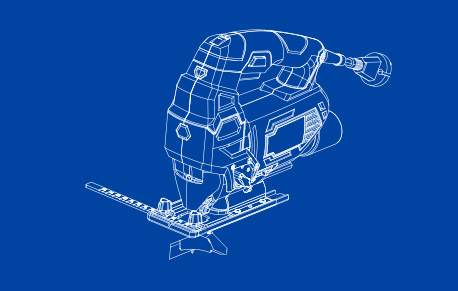
Electric Woodworking Saw
-
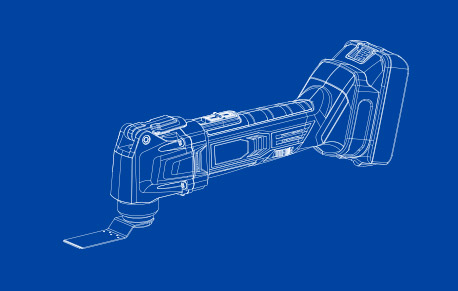
Multifunctional oscillating Saw
-
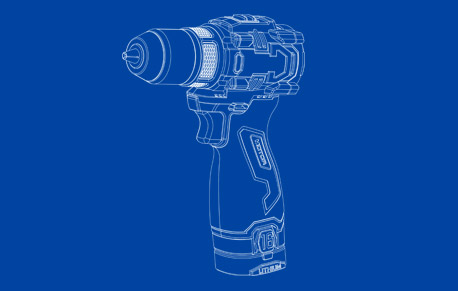
Power Drill
-
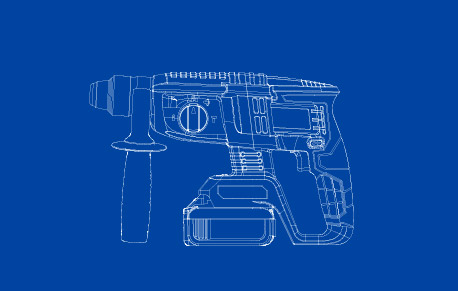
Rotary Hammer Drill
-
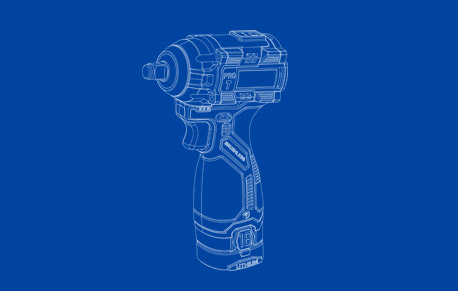
Impact Wrench
-
Electric Screwdriver
-
Angle Grinder

-
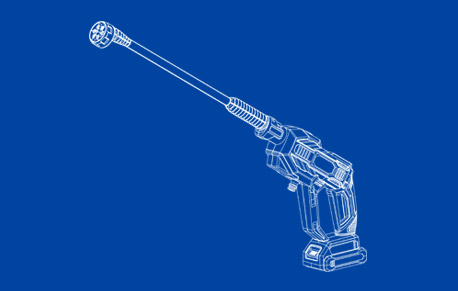
Handheld Pressure Washer
-
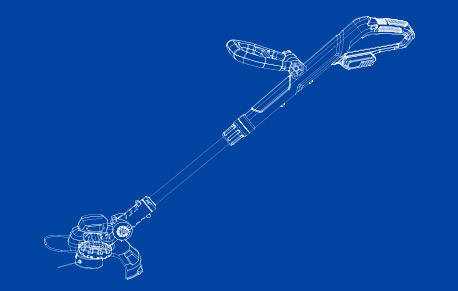
Handheld Lawn Mower
-
Lithium Turbo Jet Blower

-
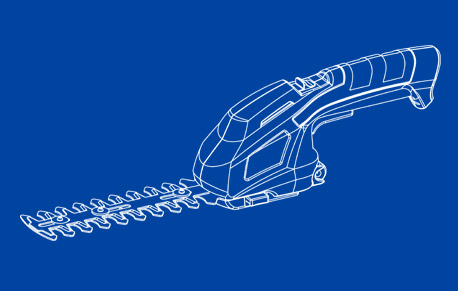
Electric Pruning Shears
-
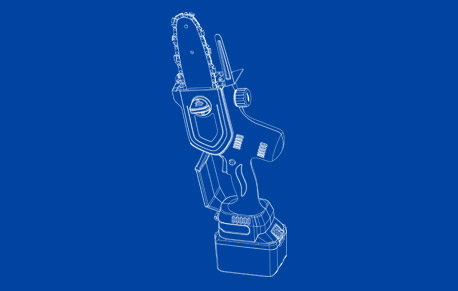
Lithium ChainSaw
-
Handheld Tiller Cultivator

-
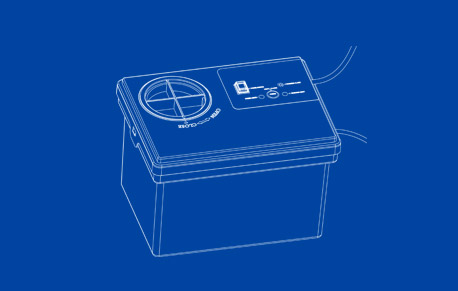
Plant Watering Devices
-
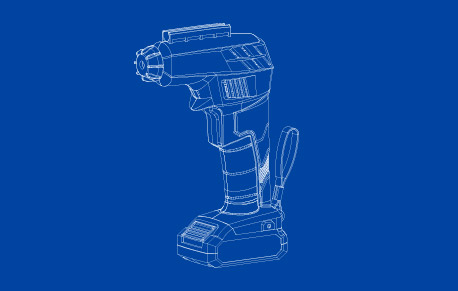
Air Pump

CATEGORIES
- Electric Woodworking Saw
- Multifunctional oscillating Saw
- Power Drill
- Rotary Hammer Drill
- Impact Wrench
- Electric Screwdriver
- Angle Grinder
- Handheld Pressure Washer
- Handheld Lawn Mower
- Lithium Turbo Jet Blower
- Electric Pruning Shears
- Lithium ChainSaw
- Handheld Tiller Cultivator
- Plant Watering Devices
- Air Pump
Lithium Electric Drill Manufacturers
-
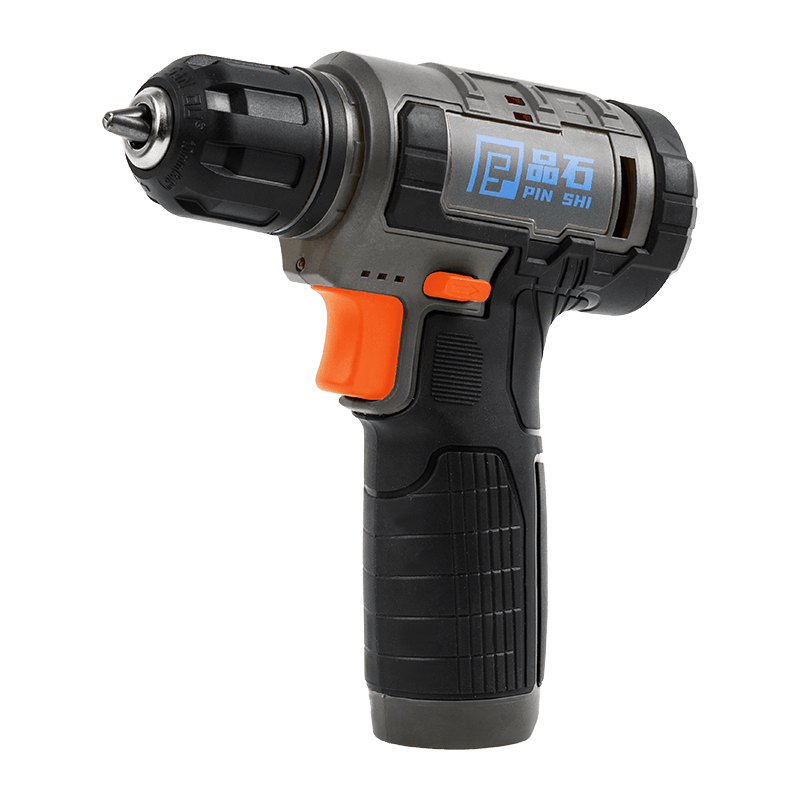
8V Single Speed Gun Drill
-
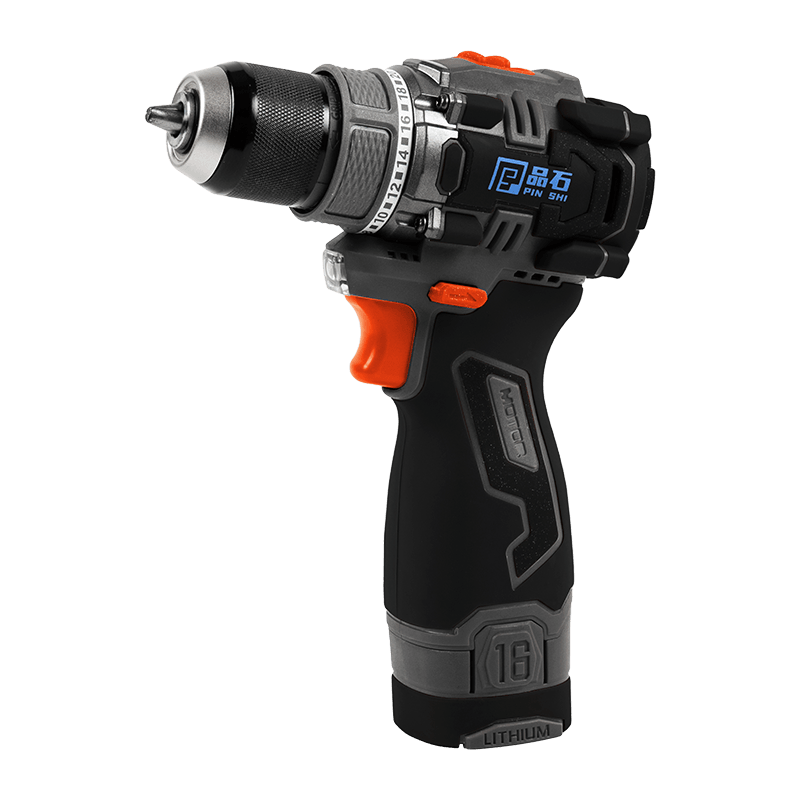
16V Cordless Drill
-
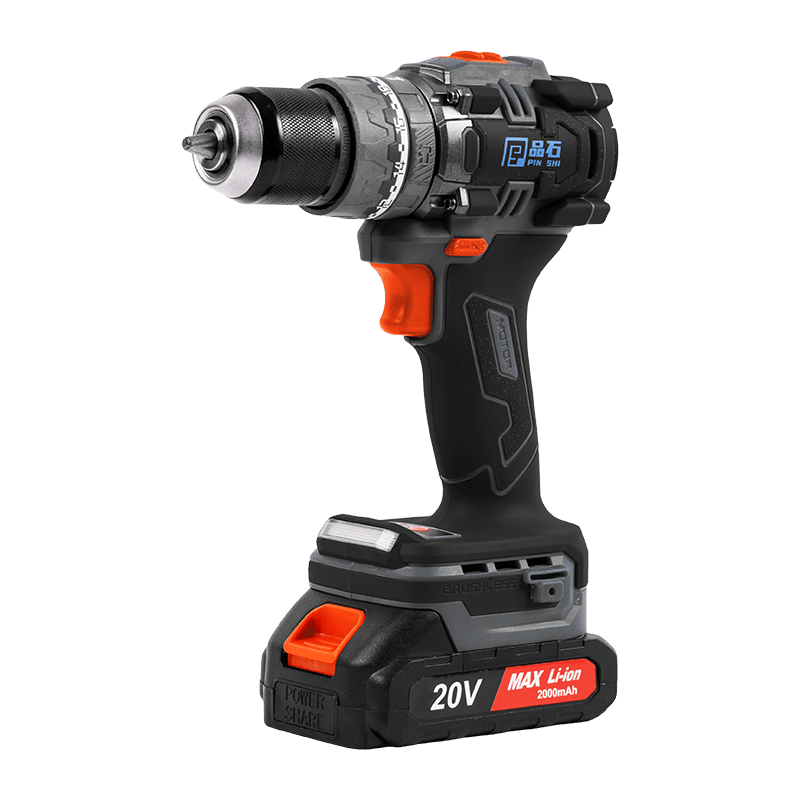
20V Double Speed Impact Drill
-
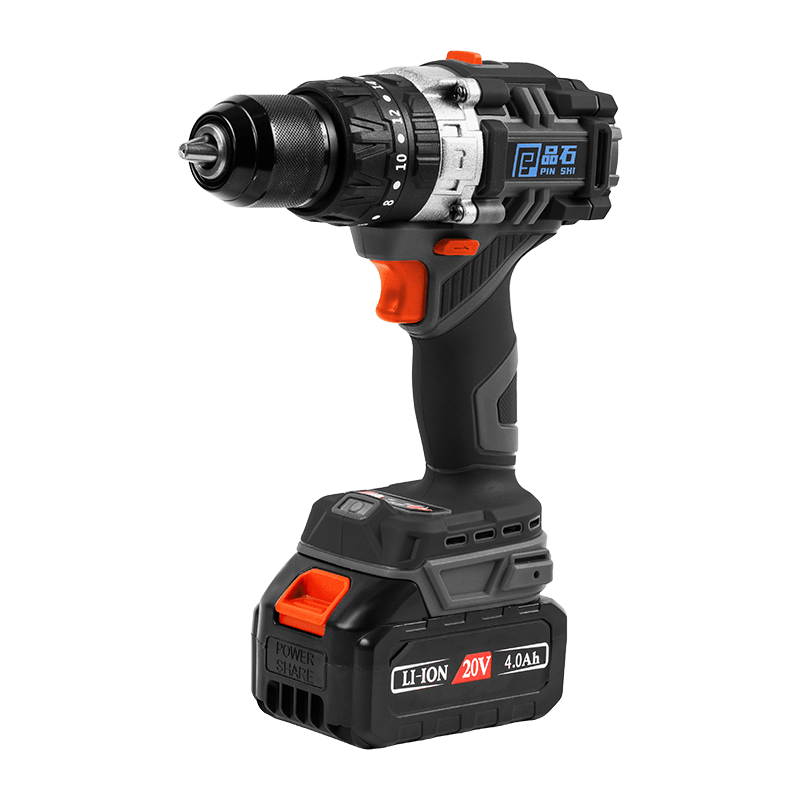
20V Brushless Double Speed Impact Drill
-
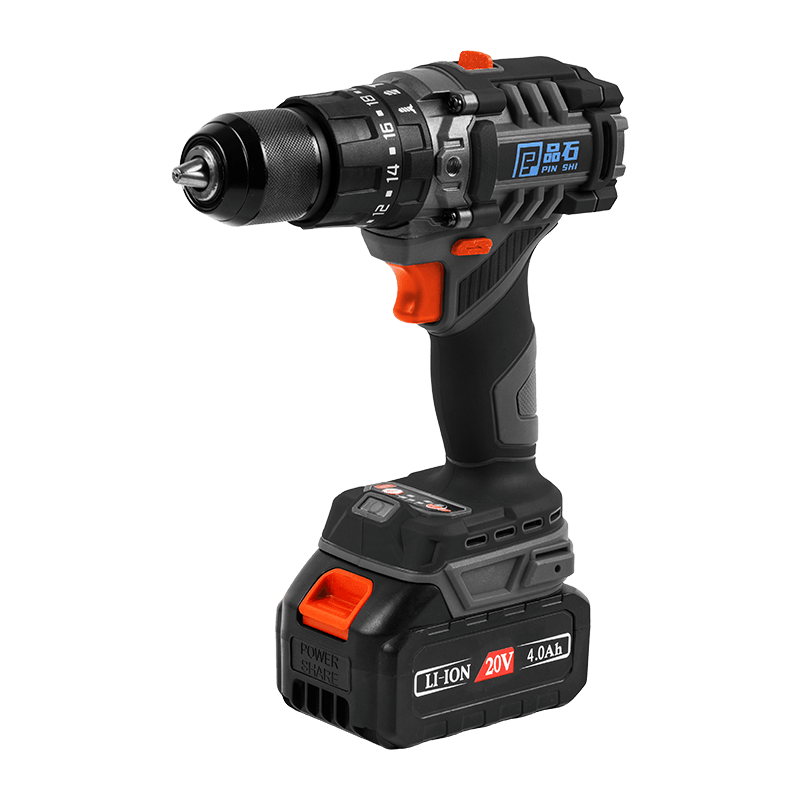
20V Brushless Impact Drill
Power drill is an efficient, convenient, and versatile power tool widely used in household DIY, renovation and maintenance, as well as industrial production for tasks such as drilling and fastening. Unlike traditional manual tools or early electric drills, modern drills incorporate a variety of advanced features, including variable speed control, torque adjustment rings, forward and reverse functions, impact action, multi-speed settings, keyless chucks, and LED work lights. These features provide exceptional controllability and precision during operation. In terms of power, drills now utilize brushless motors and lithium-ion batteries, offering significant advantages such as enhanced efficiency, longer lifespan, stronger power output, extended battery life, and maintenance-free operation.
About Us
Ningbo Pinshi Electromechanical Co., LTD.
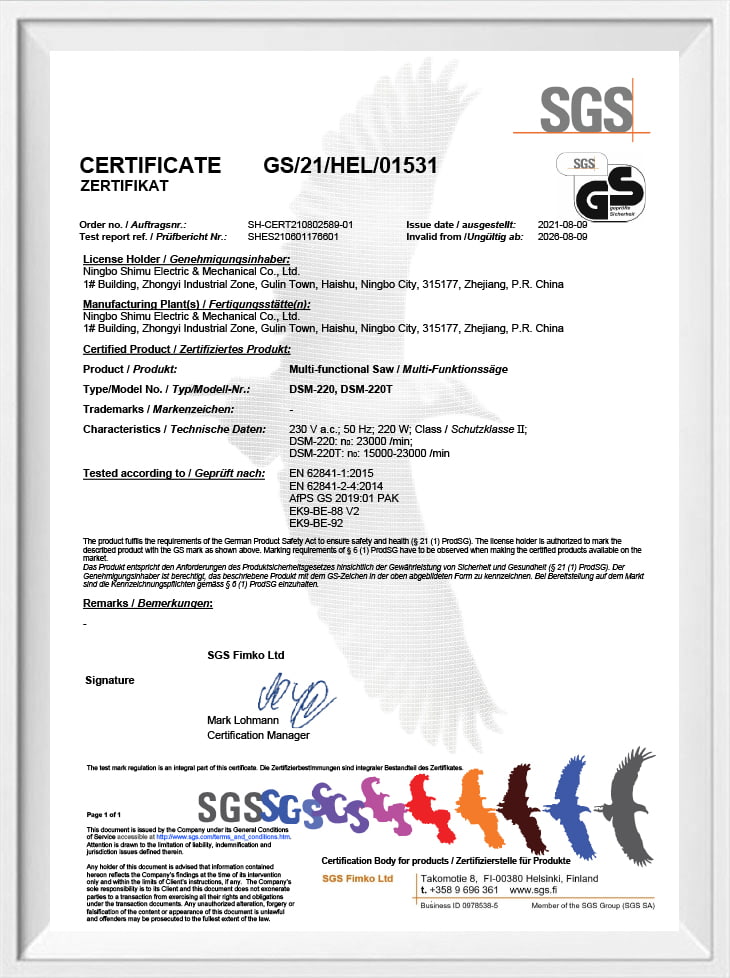
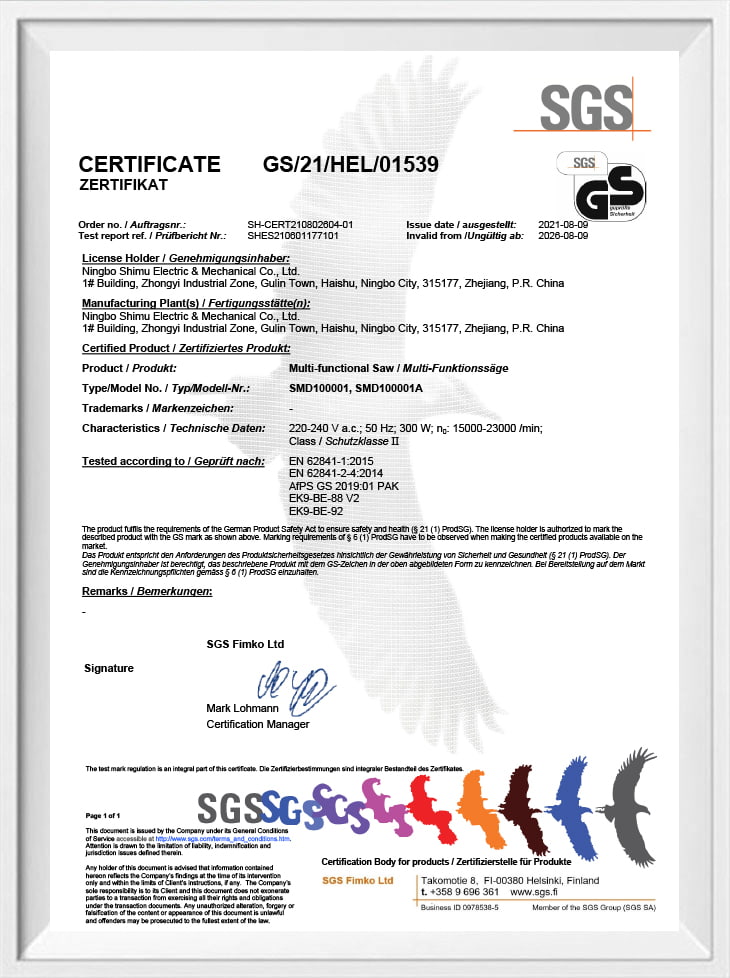
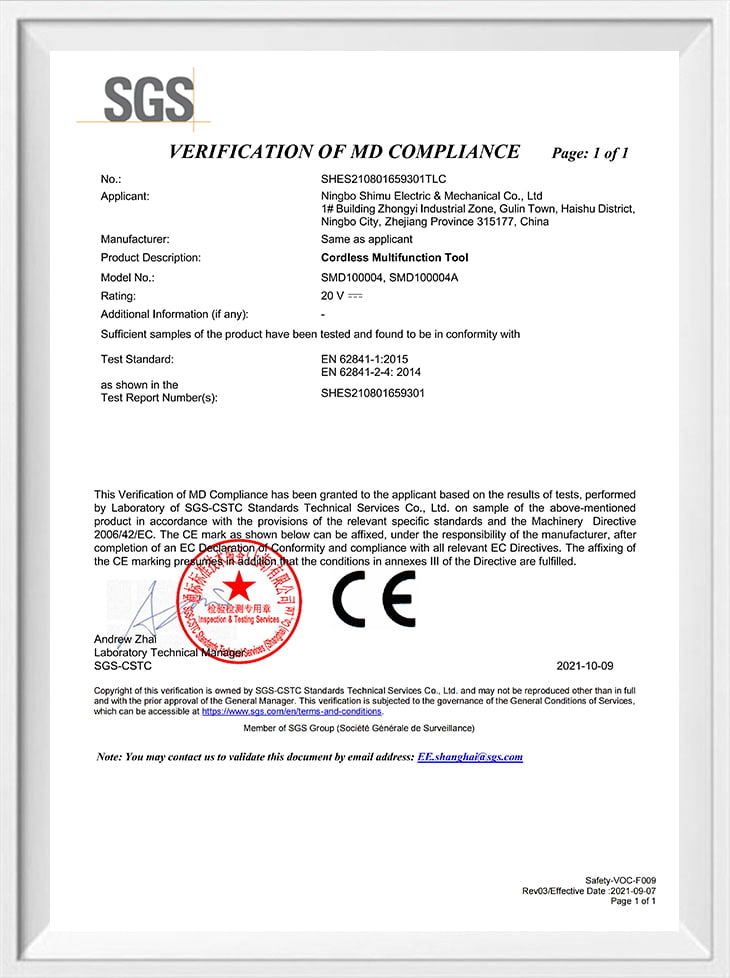
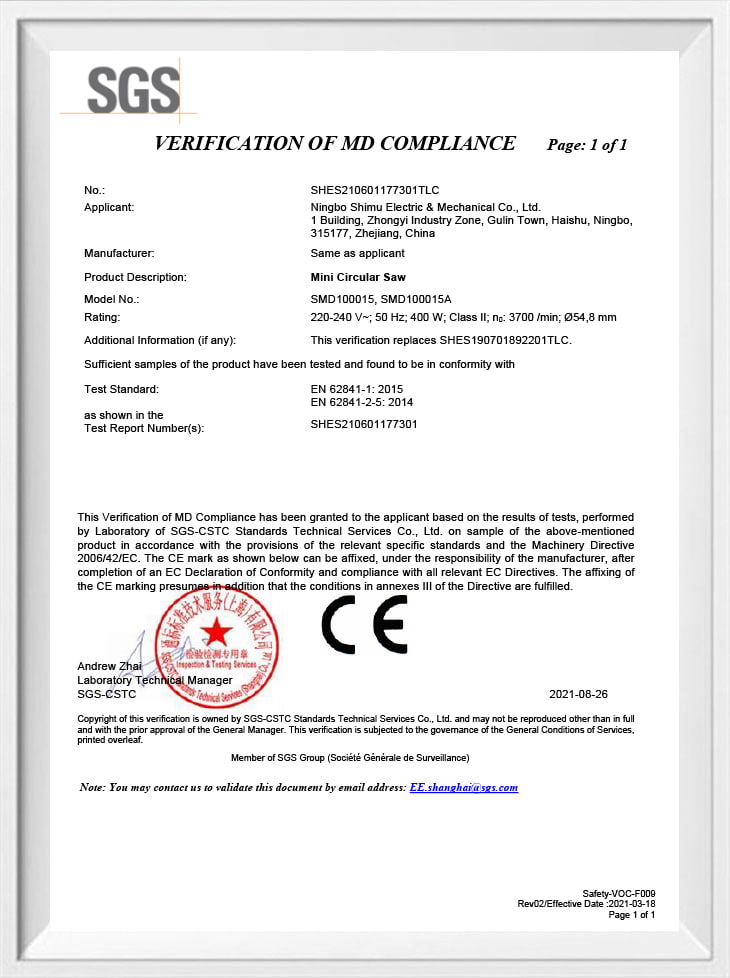
Ningbo Pinshi Electromechanical Co., LTD. was established in 2010. Our factory is located in Gulin Town, Haishu District, Ningbo City, Zhejiang Province. For a long time, our company has been dedicated to the research, development and production of power tools, garden machinery, and industrial basic parts (bearings, guides) series products. As a famous China Portable Power Drill Manufacturers and Power Drill Factory, our products are exported to Europe, America, Southeast Asia and other countries and regions, and are also widely used in various fields and households in China. Our company's products have been transformed and upgraded from basic household items of mechanical and electrical integration to professional products that are intelligent, efficient, energy-saving and environmentally friendly. They have passed GS, CE and EMC quality certifications and have been widely recognized and trusted by users and industry insiders. We adhere to the business philosophy of winning the market with quality products, gaining credibility with integrity, owning the future with innovation, and attracting customers with cost performance. We look forward to sincere cooperation with colleagues from all walks of life at home and abroad to create a bright future together. We hope that the products of Pinshi can become your reliable assistants and enter every region and every family around the world. Pinshi Company looks forward to your visit and cooperation.
Certificate Of Honor
News
-
-
How the Speed Control System in this Impact Wrench Functions The speed control system in an Impact Wrench functions by regulating the motor’s rotational speed and the frequency of hammer impacts through trigger sensitivity, electronic motor controllers, and internal mechanical m...
READ MORE -
Ease of Adjustment Adjusting the cutting angle and depth on the Electric Woodworking Saw is intuitive and fast. Most models allow angle adjustments from 0 to 45 degrees and depth changes up to 3 inches, using clearly marked levers or knobs. Users can switch between settings in l...
READ MORE
Message Feedback
Power Drill Industry knowledge
What Are the Advantages of Lithium Electric Drills Compared to Traditional Corded Drills?
Industry Background and Tool Development Trends
With the continuous evolution of power tool technology, electric drills have shifted from single-function, corded designs toward more flexible and adaptable solutions. Lithium electric drills represent this transition, driven by advances in battery systems, motor efficiency, and ergonomic engineering. Manufacturers such as Ningbo Pinshi Electromechanical Co., LTD., which has been engaged in power tools and industrial components since 2010, reflect this industry trend by aligning product development with both professional and household usage scenarios across global markets.
Mobility and Workplace Flexibility
One of the most discussed advantages of lithium electric drills compared to traditional corded drills lies in their mobility. Lithium drills operate independently of fixed power sources, allowing users to work in areas where sockets are unavailable or inconvenient. This flexibility supports outdoor construction, elevated installations, and temporary job sites. Corded drills, while stable in power delivery, often require extension cables, which can limit movement and add preparation time.
Battery Technology and Power Stability
Modern lithium battery technology provides relatively stable power output throughout most of the discharge cycle. This enables lithium electric drills to maintain consistent drilling and fastening performance during typical tasks. Traditional corded drills rely on continuous electrical supply, which ensures constant power but also ties performance to cable condition and power availability. In many light to medium-duty applications, lithium drills meet practical power demands without noticeable interruption.
| Power Aspect | Lithium Electric Drill | Traditional Corded Drill |
| Power Source | Rechargeable lithium battery | Direct electrical connection |
| Output Stability | Stable under normal load | Continuous when power supply is stable |
| Operational Range | Not limited by cable length | Restricted by cable and outlet |
Efficiency in Installation and Maintenance Tasks
In installation and maintenance work, time efficiency often depends on how quickly tools can be deployed and adjusted. Lithium electric drills usually require minimal setup, allowing users to begin work without cable management. This is especially useful for repetitive tasks such as furniture assembly, equipment installation, and on-site adjustments. Corded drills may offer uninterrupted operation but often involve additional setup and repositioning.
Weight Distribution and Handling Experience
The design of lithium electric drills has evolved to balance battery weight with tool body structure. While batteries add mass, they are often positioned to support better balance during use. This can contribute to stable handling in horizontal and vertical drilling tasks. Corded drills, although sometimes lighter at the tool head, may feel less balanced due to cable pull during operation.
Application Scope in Household and Industrial Use
Lithium electric drills are commonly used in household environments for repairs, decoration, and small construction projects. Their cordless nature suits indoor spaces where movement between rooms is frequent. In industrial or semi-professional settings, lithium drills are often applied to assembly lines, equipment servicing, and mobile maintenance tasks. Traditional corded drills continue to be used in fixed workshops where constant high power is required.
Noise and Operational Environment Considerations
Operational noise and environmental adaptation are also part of tool selection. Lithium electric drills typically operate with controlled motor output, which may support smoother operation in enclosed spaces. Corded drills can handle higher continuous loads but may be less convenient in environments where power stability varies or cables create obstacles.
Charging Systems and Workflow Planning
The use of lithium batteries introduces the need for charging management. Modern charging systems are designed to support relatively short charging cycles and stable battery life. For users managing multiple batteries, workflow continuity can be maintained with proper planning. Corded drills eliminate charging considerations but require constant access to electrical infrastructure.
| Usage Factor | Lithium Electric Drill | Traditional Corded Drill |
| Preparation Time | Short, no cable setup | Longer due to cable arrangement |
| Energy Management | Requires battery charging | No battery management needed |
| Site Adaptability | High adaptability across locations | Best suited for fixed locations |
Durability and Component Integration
Durability in electric drills depends on internal components such as bearings, gears, and guides. Manufacturers with experience in industrial basic parts often apply this knowledge to improve mechanical stability and service life. Lithium electric drills benefit from integrated component design that supports repeated start-stop cycles, which are common in cordless tool usage.
Safety and Cable-Free Operation
Safety considerations differ between lithium and corded drills. The absence of cables reduces tripping risks and accidental disconnections during operation. This can be beneficial in crowded or elevated workspaces. Corded drills, while reliable, require careful cable management to maintain a safe working environment.
Adaptation to Global Market Demands
Global markets demand tools that can adapt to different voltage standards, usage habits, and application scenarios. Lithium electric drills simplify this adaptation by relying on standardized charging systems rather than direct voltage compatibility. Companies exporting to Europe, America, and Southeast Asia often consider this factor when developing cordless tool lines.
Long-Term Usage Considerations
Over long-term use, lithium electric drills require attention to battery condition and replacement cycles. Advances in lithium battery chemistry continue to support longer service life and stable performance. Corded drills avoid battery aging issues but may face wear related to cables and plugs, especially in high-movement environments.
FAQ
Q: How does a lithium electric drill perform in long-term assembly and installation work?
A: In long-term assembly and installation tasks, a lithium electric drill provides stable operation when paired with suitable battery capacity and motor design. For repetitive fastening or drilling, consistent torque output and balanced structure help maintain work rhythm, especially in environments where frequent movement between work points is required.
Q: What role do internal components such as bearings and guides play in drilling stability?
A: Bearings and guides directly affect rotational smoothness and accuracy during drilling. Manufacturers with experience in industrial basic parts often focus on component matching and assembly precision, which helps reduce vibration and supports more controlled operation during extended use.
Q: Is a lithium electric drill suitable for both household maintenance and light industrial applications?
A: A lithium electric drill is commonly used across household maintenance, decoration, and light industrial tasks. Its cordless design supports flexibility for home users, while adjustable speed and torque settings allow adaptation to installation, repair, and equipment servicing scenarios.
Q: How does battery capacity influence workflow efficiency on job sites?
A: Battery capacity determines how long a drill can operate before recharging. Higher-capacity batteries support longer working sessions, while quick-change battery systems help maintain continuity. Proper battery planning is important for job sites with limited charging access.
Q: What materials can typically be handled by a lithium electric drill?
A: With appropriate drill bits, lithium electric drills can work with wood, plastics, thin metals, and composite materials. Performance depends on motor output, speed control, and bit quality, making correct configuration important for different material types.
Q: How does cordless operation affect safety during use?
A: Cordless operation reduces risks related to cable entanglement or accidental disconnection. This is beneficial in confined or elevated work areas, where freedom of movement supports safer handling and more stable positioning.
Q: What factors should be considered when choosing a lithium electric drill for export markets?
A: For export markets, factors such as charging standards, battery compatibility, durability, and compliance with local regulations are important. Manufacturers with export experience often design lithium electric drills to meet varied usage habits and technical requirements across different regions.
-
LINK
-
product
-
Quick Contact
-
 Building 1, Floor 1, Industrial Zone, Zhongyi Village, Guolin Town, Haishu District, Ningbo City, Zhejiang Province, China
 -
 +86-13906619096
 -
 Michael@chinashimu.com
-
KEEP IN TOUCH
